










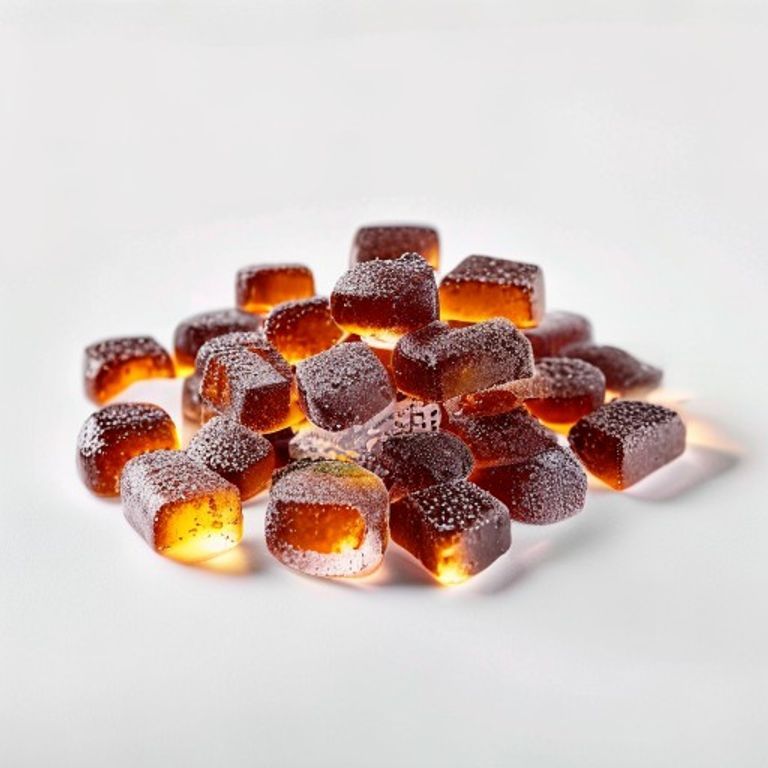
The Rise of Sugar-Free Magnesium Glycinate Gummies: A Strategic Guide for B2B Brand Owners
The global dietary supplement landscape is undergoing a profound transformation, driven by a sophisticated consumer base that demands high-efficacy ingredients without compromising on dietary restrictions or sensory experience. At the forefront of this evolution is the convergence of the “clean label” movement and the “format innovation” trend. For B2B buyers, contract manufacturers, and private label entrepreneurs, the sugar free magnesium glycinate gummies oem sector represents one of the most lucrative and technically challenging opportunities in the current market. This article provides a deep dive into the scientific, manufacturing, and commercial aspects of developing these advanced nutraceutical products, offering a roadmap for brands looking to lead in the competitive wellness space.
Magnesium is the fourth most abundant mineral in the human body, acting as a cofactor for over 300 enzymatic reactions. Despite its importance, a significant portion of the global population remains magnesium-deficient due to soil depletion and modern dietary habits. Traditionally, magnesium supplements were confined to large, hard-to-swallow tablets or unpleasant-tasting powders. The shift toward gummies has democratized supplement intake, particularly among the “pill-averse” demographic. However, the introduction of sugar-free formulations combined with the high-bioavailability magnesium glycinate chelate requires a nuanced understanding of formulation chemistry and OEM/ODM partnership dynamics.
The Science of Magnesium Glycinate: Why Chelation Matters
To understand the value proposition of a premium gummy, one must first understand the biochemistry of the active ingredient. Magnesium glycinate, also known as magnesium bisglycinate, is a chelated form of magnesium where the mineral is bound to two molecules of the amino acid glycine. This chelation process creates a “molecular taxi” that allows the magnesium to bypass the competitive absorption inhibition often seen with other forms, such as magnesium oxide or sulfate.
Enhanced Bioavailability and Absorption Rates
The primary advantage of magnesium glycinate lies in its gastrointestinal (GI) tolerance and absorption kinetics. While magnesium citrate is often used for its laxative properties, magnesium glycinate is prized for its high elemental magnesium content (approximately 14.1%) and its ability to be absorbed in the small intestine via peptide pathways. For the end consumer, this translates to fewer digestive side effects, such as osmotic diarrhea, which is a common complaint with less refined magnesium salts. In the context of sugar free magnesium glycinate gummies oem, ensuring that the chelated structure remains intact throughout the manufacturing process is a primary technical hurdle that experienced OEM partners must overcome.
The Synergistic Role of Glycine
Glycine itself is an inhibitory neurotransmitter and a precursor to glutathione, the body’s master antioxidant. By using magnesium glycinate, brands are essentially offering a two-in-one functional benefit: the systemic relaxation and muscular support of magnesium coupled with the calming, anti-inflammatory properties of glycine. This makes the final product highly marketable for sleep support, stress management, and muscle recovery—three of the fastest-growing sub-categories in the nutraceutical industry. From a formulation standpoint, glycinate is less hygroscopic than other forms, which is a critical factor when dealing with the moisture-rich environment of a gummy matrix.
Market Dynamics and Consumer Demand Analysis
The decision to invest in sugar free magnesium glycinate gummies oem should be backed by a clear understanding of current market data. The global magnesium supplements market was valued at over $1.5 billion in recent years and is projected to grow at a CAGR of 6.8% through 2030. More specifically, the gummy segment is outpacing traditional capsules and tablets, with a projected growth rate of nearly 12% in the same period.
The Sugar-Free Imperative
The “Sugar-Free” aspect of this keyword is not merely a trend; it is a long-term shift in consumer health consciousness. With the rising prevalence of metabolic disorders and the popularity of ketogenic and low-carb lifestyles, consumers are actively scrutinizing labels for hidden sugars. Data suggests that nearly 60% of supplement consumers are more likely to purchase a product labeled “No Sugar Added” or “Sugar-Free.” For B2B buyers, this means that an sugar free magnesium glycinate gummies oem product must utilize high-quality sugar substitutes like allulose, stevia leaf extract, monk fruit extract, or erythritol. These ingredients not only cater to the diabetic and keto markets but also protect the integrity of the magnesium by preventing the “Maillard reaction” (browning) that can occur with sucrose or glucose syrups during the cooking phase of gummy manufacturing.
Competitive Landscape for Private Label
The private label market for magnesium gummies is crowded with entry-level products using magnesium oxide (due to its low cost). However, the “premiumization” of supplements is creating a vacuum for high-end products using magnesium glycinate. Brands that move quickly to secure sugar free magnesium glycinate gummies oem partnerships are positioned to capture the high-margin segment of the market. This includes health-conscious millennials and aging populations who are willing to pay a premium for “clean,” “bioavailable,” and “easy-to-take” formats.
Technical Considerations in Gummy Manufacturing
Transitioning from a traditional tablet to a gummy format for a mineral like magnesium presents unique engineering challenges. Unlike vitamins, which are often stable in various environments, minerals in a gummy matrix can interact with the gelling agents, leading to stability issues over the product’s shelf life.
Formulation and Gelling Agents
The choice between gelatin and pectin is a critical early decision in the sugar free magnesium glycinate gummies oem process. Gelatin-based gummies offer a superior melt-in-the-mouth texture and are more robust in handling high mineral loads. However, they are not suitable for vegan or halal markets. Pectin-based gummies, while vegan-friendly and “cleaner” in label terms, are more sensitive to pH changes. Magnesium glycinate can slightly alter the pH of the gummy slurry. An experienced OEM manufacturer will utilize buffer systems to maintain the optimal pH (usually between 3.5 and 4.0) to ensure the pectin sets correctly and the magnesium remains stable.
Stability and Shelf Life
One of the most significant challenges in sugar-free gummy manufacturing is moisture management. In sugar-based gummies, sugar acts as a natural preservative by binding water activity (Aw). In sugar-free versions, alternative humectants must be used to prevent the gummies from drying out or, conversely, becoming a breeding ground for mold. When producing sugar free magnesium glycinate gummies oem, manufacturers must conduct rigorous stability testing (accelerated and long-term) to ensure the magnesium does not leach out of the gummy or cause “syneresis” (weeping of liquid). The use of glycerol or sorbitol in precise ratios is essential to maintain the “short” texture of the gummy while ensuring a 24-month shelf life.
Taste Masking and Flavor Profiling
Magnesium glycinate has a distinct, slightly bitter, and “amino” aftertaste. In a sugar-free gummy, where the bulk of the sweetness comes from non-nutritive sweeteners, masking this off-note is an art form. High-quality sugar free magnesium glycinate gummies oem providers employ flavor chemists who use “taste modulators” and specific fruit acid blends (like citric and malic acid) to bridge the flavor gap. Natural flavors derived from berries or citrus are often the most effective at masking the mineral notes of magnesium, ensuring high consumer compliance and repeat purchases.
The Strategic Advantages of OEM/ODM Partnerships
For brand owners, the “OEM” (Original Equipment Manufacturer) or “ODM” (Original Design Manufacturer) model provides a low-risk, high-reward pathway to market entry. Rather than investing millions in manufacturing facilities, brands can leverage the infrastructure and expertise of established factories.
Low MOQs and Scalability
One of the primary concerns for emerging brands is the Minimum Order Quantity (MOQ). A reputable sugar free magnesium glycinate gummies oem partner will offer flexible MOQs, often starting as low as 1,000 to 5,000 bottles per SKU. This allows brands to test the market with a “soft launch” before committing to massive production runs. As the brand gains traction, the OEM’s scalable production lines can accommodate orders in the hundreds of thousands, ensuring that supply chain disruptions do not hinder growth.
Speed to Market and Turnkey Solutions
Developing a gummy formula from scratch can take 12 to 18 months if done internally. By utilizing an ODM model, brands can access “stock” formulas that have already been stability-tested and optimized for taste. A brand can select a pre-existing sugar free magnesium glycinate gummies oem formula and simply apply their own label and branding. This “turnkey” approach can reduce the time to market from years to mere weeks. For those seeking differentiation, OEMs also offer custom formulation (OTC) services, where unique ingredient combinations (e.g., adding L-theanine or Vitamin D3 to the magnesium glycinate base) are developed exclusively for the brand.
Regulatory Compliance and Documentation
The regulatory landscape for supplements is becoming increasingly stringent. In the U.S., the FDA’s cGMP (Current Good Manufacturing Practices) regulations under 21 CFR Part 111 are non-negotiable. A professional sugar free magnesium glycinate gummies oem provider will handle all regulatory documentation, including the creation of a Master Manufacturing Record (MMR), Specification Sheets, and Allergen Statements. They will also ensure that the label claims comply with local and international laws, protecting the brand owner from costly legal challenges related to “structure/function” claims or unapproved ingredient lists.
Quality Assurance: From Raw Material to Finished Product
In the B2B supplement industry, trust is the ultimate currency. The quality of a sugar free magnesium glycinate gummies oem product is only as good as the quality assurance (QA) protocols implemented by the manufacturer.
Third-Party Testing and COA
Every batch of magnesium glycinate used in production should be accompanied by a Certificate of Analysis (COA) from a third-party laboratory. This verifies the identity, purity, and potency of the chelated mineral. For sugar-free gummies, it is also crucial to test for heavy metals (Lead, Arsenic, Mercury, Cadmium) and microbial contaminants (Salmonella, E. coli, Yeast, and Mold). Reputable OEMs will provide brands with a finished product COA that confirms the magnesium content is within 95-105% of the label claim, ensuring that the consumer receives the exact dosage promised.
GMP and Facility Certifications
When vetting a sugar free magnesium glycinate gummies oem partner, brand owners should look for facilities that are not only FDA-registered but also hold third-party GMP certifications from organizations such as NSF International or SGS. These certifications indicate that the factory undergoes regular, unannounced audits to ensure that every aspect of production—from the air quality in the gummy depositing room to the sanitation of the molds—meets the highest industry standards. Additional certifications like Organic, Non-GMO Project Verified, and Halal can significantly expand the market reach of the final product.
Bioavailability and In-House Research
Leading manufacturers invest in in-vitro dissolution testing to ensure that the magnesium in the gummy is “bioavailable.” If a gummy is too hard or contains certain types of pectin that create a “coating” effect, the magnesium may not be released properly in the stomach. A top-tier sugar free magnesium glycinate gummies oem partner will perform disintegration and dissolution testing on every batch to ensure that the active ingredients are released within a specific timeframe, mimicking the performance of high-quality capsule counterparts.
Comparative Analysis: Gummies vs. Capsules vs. Powders
While gummies are the current “star” of the supplement aisle, B2B buyers must understand where they fit into the broader portfolio of magnesium delivery systems.
The Gummy Advantage
The primary advantage of the gummy is “compliance.” Studies show that patients are 50% more likely to take their supplements consistently if they are in a gummy form. The sensory experience—the chew, the flavor, the lack of a “pill-coat” aftertaste—creates a positive feedback loop. For sugar free magnesium glycinate gummies oem, the advantage is further amplified by the “anytime, anywhere” nature of the product; no water is required for ingestion, making it ideal for travel or office use.
Capsules and Tablets: The Traditional Benchmark
Capsules remain the gold standard for “maximum potency.” It is often easier to fit 400mg of elemental magnesium into two capsules than into two gummies, as the gummy matrix has physical limitations on how much mineral it can hold before it loses its structural integrity. However, capsules lack the “enjoyment factor.” For brands targeting the “proactive health” demographic (ages 25-45), gummies are superior. For “clinical” applications or older demographics with significant deficiencies, capsules might still be preferred. A diversified brand might offer both, using sugar free magnesium glycinate gummies oem for their lifestyle line and capsules for their clinical line.
Powders: The Versatility Factor
Powders offer the highest dose flexibility but suffer from the worst taste profiles. While magnesium glycinate is one of the better-tasting minerals, a sugar-free powder still requires significant flavoring. Gummies provide a “pre-portioned” convenience that powders cannot match, eliminating the need for scoops and reducing the risk of “clumping” or degradation due to moisture exposure in the bathroom cabinet.
Packaging and Labeling: The Final Mile
The journey of a sugar free magnesium glycinate gummies oem product does not end when the gummies are deposited and dried; the packaging plays a crucial role in product stability and consumer appeal.
Moisture and Oxygen Barrier
Gummies are hygroscopic, meaning they attract water. If a gummy is packaged in a low-barrier plastic bottle, it will eventually dry out and become rock-hard, or conversely, absorb enough moisture to melt into a blob. High-quality OEMs use PET or HDPE bottles with desiccant inserts and high-quality induction seals. For premium products, “blur” or “frosted” jars are often used to protect the gummies from UV light, which can degrade certain sensitive ingredients over time.
Label Design and Claim Substantiation
In the B2B space, the label is the “silent salesman.” When working on a sugar free magnesium glycinate gummies oem project, brands must ensure their labels are “retail-ready.” This includes clear “Sugar-Free” callouts, “Vegan” or “Gelatin-Free” badges if applicable, and a transparent “Supplement Facts” panel. It is vital to work with the OEM’s regulatory team to ensure that any claims like “Supports Relaxation” or “Promotes Restful Sleep” are backed by scientific literature and comply with FTC and FDA guidelines.
Future Trends in Mineral Supplementation
The sugar free magnesium glycinate gummies oem market is not static. Innovation is moving toward “multi-mineral” complexes and “timed-release” gummy technologies. We are also seeing a rise in “functional botanicals” being paired with magnesium, such as apigenin or passionflower extract, to create “super-gummies” for specific wellness goals. Brands that partner with forward-thinking OEMs will have early access to these next-generation delivery systems, allowing them to stay ahead of the “me-too” products that currently flood the market.
Choosing the Right Manufacturing Partner
Selecting an OEM partner is the most critical decision a brand owner will make. It is not just about who has the lowest price per bottle; it is about who has the most robust quality control, the most innovative R&D team, and the most reliable supply chain. When requesting a quote for sugar free magnesium glycinate gummies oem, brands should ask for:
- **Stability Data:** Can they provide 12-month stability data for their sugar-free base?
- **Ingredient Sourcing:** Where does their magnesium glycinate come from? Is it TRAACS (The Real Amino Acid Chelate System) verified?
- **Production Capacity:** Can they handle a 100,000-bottle run if the product goes viral?
- **R&D Support:** Do they offer graphic design and regulatory review as part of the package?
By focusing on these factors, brands can mitigate the risks associated with launching a new supplement and ensure that their sugar free magnesium glycinate gummies oem product is a commercial success.
Frequently Asked Questions (FAQ)
1. What is the recommended dosage for sugar-free magnesium glycinate gummies in an OEM formulation?
The standard dosage for magnesium glycinate in gummy form typically ranges from 200mg to 400mg of elemental magnesium per serving (usually 2 gummies). However, because magnesium glycinate is highly bioavailable, some brands opt for lower doses (e.g., 150mg) to keep the gummy size manageable. An experienced sugar free magnesium glycinate gummies oem partner can help you calculate the exact amount of magnesium bisglycinate powder needed to hit your target elemental magnesium claim while maintaining the gummy’s texture.
2. How do you ensure the stability of magnesium in a sugar-free gummy matrix?
Stability is achieved through precise control of the manufacturing environment and the use of specific excipients. Magnesium is a reactive mineral. In a sugar-free gummy, we avoid using high levels of certain reactive acids. We also ensure the gummy is “cured” properly (dehydrated to the optimal moisture content) before packaging. This prevents the magnesium from interacting with the gelling agent over the shelf life. Third-party testing at 0, 3, 6, and 12 months is essential to verify this stability for any sugar free magnesium glycinate gummies oem project.
3. Can I use organic or natural sweeteners in my sugar-free magnesium gummies?
Yes, but it requires careful selection. While “Sugar-Free” usually implies non-nutritive sweeteners, “Organic” and “Sugar-Free” can be tricky to combine because many organic labels restrict the use of highly processed sugar alcohols. However, organic stevia leaf extract and organic erythritol are often used. When developing a sugar free magnesium glycinate gummies oem product with an organic claim, the entire supply chain—from the magnesium source to the sweetener—must be certified organic.
4. What are the common challenges with taste-masking magnesium glycinate?
Magnesium glycinate has a lingering, bitter aftertaste. The challenge is that sugar (which masks bitterness well) is not an option in a sugar-free product. Manufacturers use a combination of high-intensity sweeteners (like monk fruit) and specific flavor profiles (like tart cherry or raspberry) to overpower the mineral notes. A skilled sugar free magnesium glycinate gummies oem flavorist will also use “cooling” agents like erythritol to distract the palate from the bitterness.
5. What is the typical lead time for a custom sugar-free magnesium gummy order?
For a stock formula, the lead time from order confirmation to delivery is usually 8-12 weeks. This includes raw material sourcing, production, curing, packaging, and third-party lab testing. For a fully custom formulation (ODM), the lead time can extend to 16-20 weeks to account for pilot batches and stability testing. It is always best to discuss timelines early with your sugar free magnesium glycinate gummies oem provider to align with your launch date.
6. Are there any labeling requirements specific to sugar-free magnesium products?
Yes. In many regions, if a product is labeled “Sugar-Free,” it must meet specific legal definitions (usually less than 0.5g of sugar per serving). Additionally, if you use sugar alcohols (like erythritol or xylitol), the label must include a statement such as “Excessive consumption may have a laxative effect.” Your sugar free magnesium glycinate gummies oem partner should provide a regulatory review of your label to ensure full compliance with FDA, Health Canada, or EFSA regulations.
7. How does the cost of magnesium glycinate compare to other forms for OEM production?
Magnesium glycinate is significantly more expensive than magnesium oxide or even magnesium citrate. This is due to the chelation process and the higher cost of the raw materials (glycine and magnesium). However, because of its high bioavailability and consumer perception as a “premium” ingredient, the higher COGS (Cost of Goods Sold) can be offset by a higher retail price point. Brands choosing sugar free magnesium glycinate gummies oem are typically targeting the premium market where efficacy justifies the cost.
8. Can I combine magnesium glycinate with other active peptides or nootropics?
Absolutely. Magnesium glycinate pairs very well with L-theanine, GABA, and various active peptides used for cognitive support or relaxation. However, combining minerals with peptides requires advanced formulation knowledge to prevent interactions that could affect the gummy’s clarity or stability. A top-tier sugar free magnesium glycinate gummies oem facility will have R&D capabilities to test these combinations for compatibility before moving to full-scale production.
Conclusion
The sugar free magnesium glycinate gummies oem market represents the intersection of high-science nutrition and innovative delivery systems. For B2B buyers and brand owners, success in this space requires more than just a “good idea”; it requires a partnership with a manufacturer that understands the complexities of chelated minerals, the nuances of sugar-free stabilization, and the rigors of global regulatory compliance.
By prioritizing bioavailability, investing in high-quality taste-masking, and leveraging the scalability of OEM/ODM models, brands can deliver a product that not only meets the growing consumer demand for sugar-free wellness but also stands out in a crowded marketplace. As the industry moves toward more “clean label” and “functional” products, magnesium glycinate gummies will undoubtedly remain a cornerstone of the modern supplement portfolio. Choosing the right manufacturing partner is the first step toward capturing this dynamic and profitable market segment.
Disclaimer: These statements have not been evaluated by the Food and Drug Administration. This product is not intended to diagnose, treat, cure, or prevent any disease. The information provided in this article is for educational and informational purposes only and does not constitute medical advice. Always consult with a qualified healthcare professional before starting any supplement regimen.