










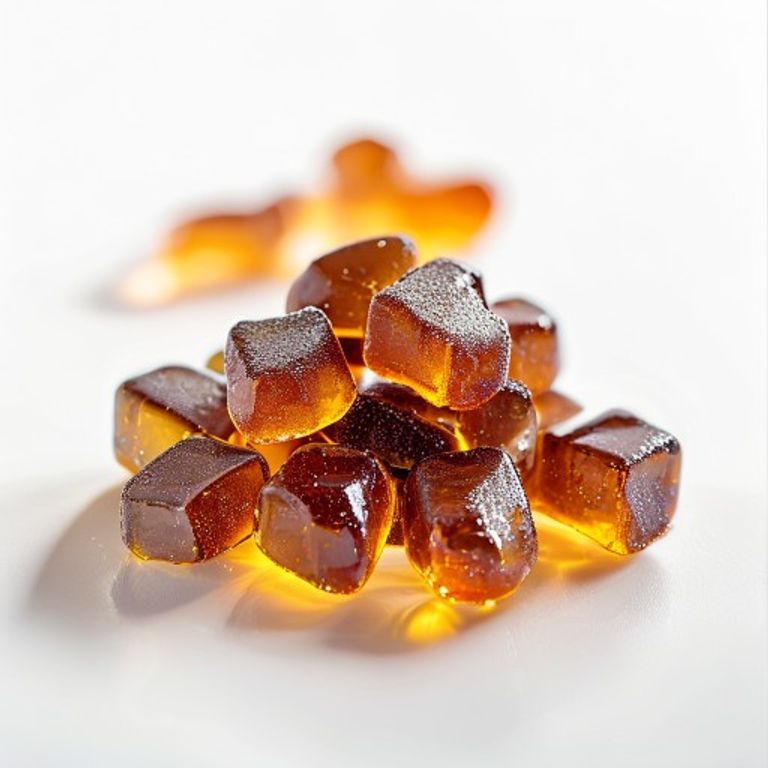
The dietary supplement industry has witnessed a seismic shift in consumer preferences over the past decade, moving decisively away from traditional swallowing difficulties associated with tablets and capsules toward more palatable, convenient delivery formats. At the intersection of this trend and the booming demand for mineral supplements lies a significant opportunity for brand owners: magnesium glycinate gummies. However, as the market matures, consumers are becoming increasingly ingredient-conscious, driving demand for clean-label alternatives to traditional gelatin-based products. This evolution has positioned the pectin based magnesium glycinate gummies manufacturer as a critical strategic partner for supplement brands seeking to capture the health-conscious demographic without sacrificing product efficacy or marketability.
Magnesium deficiency has reached near-epidemic proportions globally, with studies suggesting that a significant percentage of the population fails to meet the recommended daily allowance for this essential mineral. This deficiency drives a multi-billion dollar market for magnesium supplements, historically dominated by oxide and citrate forms known for poor bioavailability or digestive discomfort. Magnesium glycinate—chelated magnesium bound to the amino acid glycine—has emerged as the gold standard for therapeutic supplementation due to its superior absorption rates and gentle effect on the gastrointestinal tract. Combining this premium ingredient with a pectin-based gummy delivery system addresses two critical market demands simultaneously: clinical efficacy and consumer compliance.
For brand owners, contract manufacturers, and nutraceutical entrepreneurs, understanding the technical nuances of pectin formulation, the complexities of magnesium chelation stability, and the regulatory landscape governing gummy supplements is paramount. Unlike standard vitamin C gummies, mineral fortification presents unique challenges related to taste masking, texture integrity, and mineral migration. A qualified pectin based magnesium glycinate gummies manufacturer must possess not only the mechanical capability to produce gummies at scale but also the formulation expertise to ensure that the final product delivers the promised nutritional benefits in a format that remains shelf-stable and palatable throughout its consumer lifecycle. This comprehensive guide explores the science, manufacturing considerations, quality assurance protocols, and strategic advantages of partnering with specialized OEM/ODM manufacturers to develop high-quality magnesium glycinate gummies.
The Science Behind Magnesium Glycinate and Pectin Formulation
To fully appreciate the value proposition of a specialized manufacturing partner, one must first understand the scientific principles governing both the active ingredient and the delivery matrix. Magnesium glycinate represents a significant advancement in mineral supplementation science, while pectin offers a plant-based alternative to traditional gelling agents that aligns with contemporary dietary preferences.
Understanding Magnesium Glycinate Bioavailability
Magnesium is an intracellular cation involved in over 300 enzymatic reactions within the human body, ranging from ATP metabolism and protein synthesis to neuromuscular transmission and cardiovascular function. However, not all magnesium salts are created equal in terms of their ability to cross the intestinal barrier and raise systemic magnesium levels. Magnesium oxide, while containing a high percentage of elemental magnesium by weight, demonstrates bioavailability rates as low as 4%, often resulting in osmotic diarrhea when consumed in therapeutic doses. Magnesium citrate offers improved absorption but retains a significant osmotic effect in the bowel.
Magnesium glycinate, alternatively referred to as magnesium bisglycinate or magnesium diglycinate, consists of magnesium chelated to two molecules of glycine, the smallest and simplest amino acid. This chelation creates a stable, electrically neutral compound that is absorbed via dipeptide channels in the intestinal wall rather than passive diffusion or active transport mechanisms used by ionic magnesium salts. Clinical research suggests that this pathway results in bioavailability significantly higher than inorganic magnesium salts, with the added benefit of glycine’s calming neurotransmitter properties. Glycine functions as an inhibitory neurotransmitter in the central nervous system, binding to NMDA receptors and potentially enhancing sleep quality and reducing anxiety—a synergistic effect that complements magnesium’s own role in nervous system regulation.
For a pectin based magnesium glycinate gummies manufacturer, preserving this chelation bond throughout the manufacturing process is a critical technical challenge. High temperatures, extreme pH conditions, or interactions with other formulation components can potentially degrade the chelate, converting the magnesium back into a less bioavailable ionic form. This necessitates precise temperature control during deposition, careful selection of complementary ingredients, and rigorous stability testing to verify that the chelate remains intact throughout the product’s shelf life.
Pectin as a Functional Gelling Agent
Pectin is a structural heteropolysaccharide found in the primary cell walls of terrestrial plants, commercially extracted primarily from citrus peel or apple pomace as a byproduct of the fruit juice industry. Unlike gelatin, which is derived from animal collagen and melts at body temperature, pectin forms thermally reversible gels through a calcium-mediated cross-linking mechanism that remains stable at higher temperatures. This property makes pectin gummies less prone to sticking and melting during storage and transport, a significant advantage over gelatin-based alternatives.
From a formulation standpoint, pectin offers several distinct advantages for magnesium glycinate delivery. First, it is inherently plant-based, making it suitable for vegan, vegetarian, and halal dietary requirements without requiring additional certification or reformulation. Second, pectin gels exhibit a clean, fruit-forward flavor release profile that aids in masking the inherent metallic bitterness of magnesium salts. Third, high methoxyl pectin varieties can form gels in high-sugar environments, while low methoxyl pectin can gel in low-sugar or sugar-free formulations when calcium ions are present, offering formulation flexibility for brands targeting the reduced-sugar market segment.
However, working with pectin requires specialized expertise. The gelling mechanism is highly sensitive to pH, soluble solids content, and the presence of divalent cations—including magnesium itself. A pectin based magnesium glycinate gummies manufacturer must carefully balance these variables to achieve the target texture and mouthfeel. The presence of magnesium ions can potentially interfere with pectin’s calcium-mediated cross-linking, requiring formulation adjustments such as the use of sequestering agents or modified pectin varieties to prevent undesirable texture changes. This interaction between the active ingredient and the gelling matrix exemplifies why mineral-fortified gummies require a higher level of formulation sophistication than standard vitamin gummies.
Stability and Shelf-Life Considerations
Gummy supplements present unique stability challenges distinct from those of tablets or capsules. The semi-solid matrix has a high water activity level, typically between 0.50 and 0.70, creating an environment conducive to microbial growth if not properly preserved. Additionally, the presence of sugars, organic acids, and water can drive chemical degradation reactions, including Maillard browning and hydrolytic breakdown of sensitive active ingredients.
For magnesium glycinate, stability within a gummy matrix involves multiple dimensions. First, the chelate itself must remain chemically intact. Exposure to acidic conditions (common in fruit-flavored gummies) over extended periods can potentially protonate the glycine ligands, leading to chelate dissociation. Second, the physical integrity of the gummy must be maintained. Mineral salts are hygroscopic, meaning they attract and bind water molecules from the environment. If the magnesium glycinate draws moisture into the gummy, it can cause the product to become sticky, weep syrup, or develop surface crystallization—defects that significantly impact consumer perception and product usability.
A qualified pectin based magnesium glycinate gummies manufacturer addresses these challenges through a combination of formulation strategies and packaging solutions. Humectants such as glycerin or sorbitol can help manage water activity, while coating the gummies in a mixture of oil and carnauba wax can provide a moisture barrier. From a packaging perspective, individual flow-wrapping or high-barrier PET jars with desiccant inserts are often employed to protect the product from ambient humidity. Stability studies conducted under accelerated conditions (40°C/75% relative humidity) and real-time conditions are essential to verify that the product retains its potency, texture, and sensory characteristics throughout the labeled shelf life, typically 18 to 24 months for gummy supplements.
Market Trends and Demand Data for Magnesium Gummies
The strategic rationale for launching a magnesium glycinate gummy product is supported by robust market data indicating sustained growth in both the magnesium supplement category and the gummy delivery format. Understanding these market dynamics enables brand owners to position their products effectively and communicate the opportunity to retail buyers and investors.
Magnesium Supplement Market Growth
The global magnesium supplement market has experienced consistent expansion, driven by increasing awareness of magnesium’s role in stress management, sleep quality, muscle recovery, and cardiovascular health. Market research indicates that the global magnesium market was valued at approximately USD 4.2 billion in 2023 and is projected to grow at a compound annual growth rate (CAGR) of 7.1% from 2024 to 2030. This growth is not uniform across all magnesium forms; premium, high-bioavailability forms such as magnesium glycinate, magnesium threonate, and magnesium malate are capturing an increasing share of the market as consumers become more educated about supplement quality.
Several converging factors are driving this demand. First, the modern lifestyle is characterized by high stress levels, inadequate sleep, and diets often deficient in magnesium-rich foods such as leafy greens, nuts, and whole grains. Stress increases urinary excretion of magnesium, creating a vicious cycle where deficiency exacerbates stress susceptibility. Second, the “sleep economy” has emerged as a major consumer spending category, with magnesium glycinate positioned as a natural, non-hormonal sleep aid. Third, the fitness and sports nutrition sector has embraced magnesium for its role in muscle function, electrolyte balance, and recovery, expanding the target demographic beyond traditional supplement users.
Within the magnesium category, gummies represent the fastest-growing delivery format. While capsules and tablets still command the largest market share by volume, gummies are gaining ground rapidly, particularly among younger consumers (Millennials and Generation Z) and those who experience difficulty swallowing pills. The gummy vitamin market as a whole is projected to exceed USD 14 billion by 2027, with mineral gummies representing a significant growth vector. For brand owners, this data suggests that a pectin based magnesium glycinate gummies manufacturer can help them access a high-growth segment with a product that aligns with consumer preferences for efficacy, convenience, and clean-label ingredients.
The Shift Toward Clean-Label and Plant-Based Formats
Consumer scrutiny of ingredient labels has intensified dramatically in recent years, driven by broader cultural trends toward health, sustainability, and transparency. Terms like “clean label,” “plant-based,” and “free-from” have transitioned from niche marketing claims to mainstream expectations. This shift has profound implications for gummy supplement formulation.
Gelatin, the traditional gelling agent for gummies, is derived from animal byproducts (typically bovine or porcine skin and bones). This origin presents several challenges for contemporary brands: it excludes vegan and vegetarian consumers, it may conflict with religious dietary requirements (halal and kosher certification requires specific sourcing and processing), and it carries a perception among some consumers as a “low-quality” or “highly processed” ingredient. Pectin, by contrast, is perceived as a natural, fruit-derived ingredient that aligns with plant-based lifestyle trends.
Market data supports this shift. The plant-based supplement market is growing at a rate significantly higher than the overall supplement market, with some estimates suggesting a CAGR exceeding 10%. A survey by a leading market research firm found that a majority of supplement consumers express a preference for plant-based ingredients when available, even if they do not strictly identify as vegan. Furthermore, the “sugar-free” and “low-sugar” segments are expanding, driven by concerns about metabolic health and glycemic impact. Pectin formulation is compatible with sugar alcohols and alternative sweeteners, allowing a pectin based magnesium glycinate gummies manufacturer to produce products that meet these evolving consumer demands.
Target Demographics and Use Cases
Understanding the end consumer is essential for brand owners developing a go-to-market strategy. Magnesium glycinate gummies appeal to several distinct demographic segments, each with specific needs and purchasing drivers.
The first major segment is the stress and anxiety management demographic. This group includes working professionals, caregivers, and students seeking natural approaches to stress resilience. They are attracted to magnesium’s role in HPA axis regulation and glycine’s calming neurotransmitter activity. For this segment, positioning the product as a “chill gummy” or “stress relief complex” is effective, often with evening dosing recommendations.
The second segment is the sleep optimization demographic. This group overlaps significantly with the stress management segment but is specifically focused on sleep latency, sleep quality, and waking refreshed. They may have tried melatonin and found it ineffective or experienced morning grogginess, leading them to seek alternative or complementary ingredients. Magnesium glycinate’s ability to promote relaxation without sedation makes it suitable for this positioning.
The third segment encompasses athletes and fitness enthusiasts. This group is interested in magnesium for muscle contraction, energy metabolism, and electrolyte replenishment. They may consume magnesium gummies as a post-workout recovery aid or as part of a broader electrolyte supplementation strategy. For this demographic, sugar-free or low-sugar formulations are particularly attractive, as they align with body composition goals.
The fourth segment is the aging population, particularly women concerned with bone health. Magnesium works synergistically with calcium and vitamin D in bone metabolism, and deficiency is common in post-menopausal women. While gummies are sometimes perceived as a “children’s” format, the development of sophisticated, low-sugar, adult-focused formulations has expanded acceptance among older demographics.
For a pectin based magnesium glycinate gummies manufacturer, understanding these segments informs formulation decisions. A product targeting the sleep market might incorporate complementary ingredients like L-theanine, chamomile extract, or tart cherry, while a product for athletes might emphasize electrolyte balance and exclude ingredients with sedative properties. The ability to customize formulations to specific target demographics is a key value proposition of OEM/ODM partnerships.
Manufacturing Considerations for Pectin Gummies
Producing high-quality pectin-based magnesium glycinate gummies at commercial scale requires specialized equipment, precise process control, and deep formulation expertise. For brand owners evaluating potential manufacturing partners, understanding the technical intricacies of the production process provides a framework for assessing capabilities and asking informed questions.
Formulation Development and Taste Masking
The single greatest technical challenge in formulating magnesium glycinate gummies is taste masking. Magnesium salts have a characteristic metallic, bitter, and astringent flavor profile that can be difficult to conceal in a gummy matrix, which lacks the encapsulation barrier provided by capsules or tablets. The flavor challenge is compounded by the relatively high dose required to deliver a therapeutic quantity of elemental magnesium. Magnesium glycinate typically contains approximately 14% elemental magnesium by weight, meaning a gummy delivering 100mg of elemental magnesium requires over 700mg of magnesium glycinate raw material—a significant mass to incorporate and mask.
Effective taste masking requires a multi-pronged approach. Flavor selection is paramount; tart, acidic flavors such as citrus, berry, and passionfruit are generally more effective at masking mineral bitterness than milder flavors. The acidity also helps balance the slightly alkaline nature of magnesium glycinate. However, excessive acidity can degrade the pectin gel and potentially impact the stability of the magnesium chelate, requiring careful pH optimization.
Sweetener systems play a crucial role in taste masking. While traditional gummies rely on sucrose and corn syrup, contemporary formulations often incorporate alternative sweeteners to reduce sugar content or achieve specific labeling claims. Sugar alcohols like maltitol and erythritol can provide bulk and sweetness with a cooling effect that helps counteract metallic notes. High-intensity sweeteners such as stevia or monk fruit extract can boost sweetness without adding calories, though they may introduce their own flavor challenges (stevia’s bitter aftertaste, for example). A skilled pectin based magnesium glycinate gummies manufacturer will have developed proprietary flavor/sweetener systems optimized for mineral fortification.
Beyond flavor and sweetness, texture also influences taste perception. A firmer, longer-chewing gummy extends the flavor release and can help dilute the perception of bitterness. The deposition method also matters; some manufacturers utilize starch molding, which can create a drier exterior surface that reduces immediate flavor impact, while others use silicone molding or deposit directly into packaging.
Processing Equipment and Temperature Control
The manufacturing process for pectin gummies differs significantly from gelatin-based production, requiring specialized equipment and process parameters. Pectin requires a higher cooking temperature than gelatin—typically between 85°C and 95°C—to fully hydrate and activate the gelling mechanism. This high-temperature processing presents challenges for heat-sensitive ingredients and necessitates careful sequencing of ingredient addition.
A typical production process begins with the preparation of the pectin solution. Dry pectin powder must be dispersed in a high-shear mixer with a portion of the sugar content to prevent clumping, then hydrated in hot water. The remaining sugars, corn syrup (or alternative bulking agents), and water are combined in a cooking vessel and heated to dissolve the sugars and reduce the moisture content to the target level. The pectin solution is then incorporated, and the batch is cooked to the final solids content, typically 75-80% for shelf-stable gummies.
After cooking, the batch must be cooled to a temperature suitable for the addition of sensitive ingredients—typically below 60°C. This is the stage where magnesium glycinate, flavors, acids, and colors are added. The magnesium glycinate must be fully dissolved or dispersed in the matrix; undissolved particles will create gritty texture and inconsistent dosing. The window for deposition is limited; as the batch cools further, the viscosity increases rapidly as the pectin begins to set. Precise temperature control during this phase is essential to ensure uniform deposit weights and consistent gummy formation.
Deposition can be performed using various methods. Starch molding is the traditional approach, where the hot liquid is deposited into impressions in a tray of cornstarch, which draws out moisture and sets the gummy. Silicone molding offers a cleaner process with no starch residue, suitable for products with specific texture requirements. Direct deposition into packaging is an emerging method that reduces handling and contamination risk, though it requires specialized equipment and packaging materials. A pectin based magnesium glycinate gummies manufacturer should have the flexibility to utilize the deposition method best suited to the product specifications and volume requirements.
Quality Control During Production
In-process quality control is essential to ensure batch-to-batch consistency and final product quality. Key control points include:
Solids Content (Brix): The soluble solids content of the cooked batch determines the final texture and shelf stability. Too low, and the gummies will be soft, sticky, and prone to microbial growth; too high, and they will be hard and may crystallize. Refractometers are used to measure Brix in real-time during cooking.
pH: The pH of the final mixture affects both the pectin gel formation and the stability of the magnesium glycinate chelate. Pectin gels within a specific pH range (typically 2.8-3.5 for high methoxyl pectin), and deviation can result in weak or failed gels. pH meters should be used to verify the batch is within specification before deposition.
Deposit Weight: Uniform deposit weight is critical for dosing accuracy. Statistical process control (SPC) methods should be employed to monitor deposit weights during production, with automatic rejection of out-of-specification units.
Texture: Texture analysis equipment can measure parameters such as hardness, chewiness, and elasticity, ensuring the product meets the target sensory profile.
Visual Inspection: Operators should inspect gummies for defects such as sticking, deformation, surface blemishes, or inconsistent color.
A pectin based magnesium glycinate gummies manufacturer operating under cGMP (current Good Manufacturing Practice) guidelines will have documented standard operating procedures (SOPs) for each of these control points, along with trained quality assurance personnel responsible for monitoring and documentation. Batch records should trace every ingredient lot number and process parameter, enabling full traceability in the event of a quality deviation or customer complaint.
OEM/ODM Benefits for Brand Owners
Partnering with an established pectin based magnesium glycinate gummies manufacturer through an Original Equipment Manufacturer (OEM) or Original Design Manufacturer (ODM) arrangement offers significant strategic advantages for brand owners, particularly those seeking to enter the market quickly, minimize capital investment, or leverage specialized formulation expertise.
Low Minimum Order Quantities (MOQ) and Reduced Risk
One of the primary barriers to entry for new supplement brands is the high minimum order quantities (MOQs) often required by manufacturers. Traditional production runs for gummies can involve thousands of kilograms of product, requiring substantial upfront investment in inventory. For startups, small businesses, or established brands testing a new product concept, this capital requirement can be prohibitive.
Many specialized gummy manufacturers now offer low-MOQ programs, sometimes as low as 5,000 to 10,000 bottles for stock formulations, enabling brands to launch with manageable inventory levels. This approach significantly reduces the financial risk associated with new product launches. If the product performs well, the brand can scale up production; if market response is lukewarm, the brand is not left with a warehouse full of unsold inventory.
For custom formulations, MOQs are typically higher due to the R&D investment required for development. However, a pectin based magnesium glycinate gummies manufacturer with existing magnesium gummy expertise may have base formulations that can be adapted with minor modifications (flavor changes, additional functional ingredients) at lower MOQs than a fully custom development project. Brand owners should discuss the manufacturer’s “stock formulas” or “semi-custom” options to find the optimal balance between customization and minimum order requirements.
Customization and Brand Differentiation
In a crowded market, product differentiation is essential. OEM/ODM partnerships offer extensive customization options that enable brands to create unique products tailored to their target market and brand identity.
Formulation Customization: Beyond the core magnesium glycinate ingredient, brands can incorporate complementary functional ingredients to create differentiated product profiles. Popular additions include vitamin D3 and K2 for bone health, L-theanine for stress relief, tart cherry for sleep support, or electrolytes for athletic recovery. A skilled manufacturer can advise on ingredient compatibility, stability, and regulatory considerations for combination products.
Flavor and Color Customization: Flavor is a critical driver of consumer acceptance for gummy supplements. Manufacturers typically offer a library of proven flavor profiles, or can develop custom flavors to match a brand’s unique vision. Natural colors derived from fruit and vegetable juices (e.g., beet red, turmeric yellow, spirulina blue) align with clean-label positioning.
Shape and Texture Customization: Gummies can be produced in virtually any shape, from standard bears and worms to custom shapes reflecting brand imagery. Texture can be adjusted from soft and chewy to firmer and longer-lasting, depending on the target consumer preference.
Packaging Customization: Packaging options range from standard PET bottles to pouches, clamshells, and single-serve packets. Premium packaging options, such as glass jars or eco-friendly materials, can support a higher price point and brand positioning.
Speed-to-Market Advantage
Developing a gummy supplement from scratch involves multiple complex phases: formulation development, stability testing, flavor optimization, process validation, regulatory review, and production scale-up. For a brand attempting to manage this process independently, the timeline from concept to shelf can extend to 12-18 months or longer.
An experienced pectin based magnesium glycinate gummies manufacturer has already invested in the R&D infrastructure, process development, and regulatory expertise required to bring a product to market efficiently. For stock or semi-custom formulations, the timeline can be compressed to 8-12 weeks, encompassing label design, packaging procurement, and production. Even for fully custom formulations, the manufacturer’s existing knowledge base and proven processes can significantly accelerate development compared to a brand starting from zero.
This speed-to-market advantage is particularly valuable in the fast-moving supplement industry, where trends can emerge and shift rapidly. Being first to market with an innovative magnesium glycinate gummy formulation—such as a sleep-specific blend or a sugar-free athletic recovery product—can establish a brand as a category leader before competitors enter the space.
Quality Assurance and Regulatory Compliance
Quality assurance is non-negotiable in the dietary supplement industry. Regulatory agencies such as the U.S. Food and Drug Administration (FDA) hold manufacturers to strict standards under 21 CFR Part 111 (Current Good Manufacturing Practice in Manufacturing, Packaging, Labeling, or Holding Operations for Dietary Supplements). A reputable pectin based magnesium glycinate gummies manufacturer will maintain a comprehensive quality management system that encompasses every aspect of production.
GMP Certification and Facility Standards
Good Manufacturing Practice (GMP) certification is the foundational credential for any supplement manufacturer. GMP guidelines establish requirements for facility design, equipment maintenance, personnel training, documentation, quality control, and record-keeping. Key elements include:
Facility Design: The manufacturing facility must be designed to prevent contamination and cross-contamination. This includes features such as controlled access areas, air filtration systems, segregated production suites for allergens, and easy-to-clean surfaces.
Personnel Training: All employees involved in manufacturing, packaging, labeling, and quality control must receive documented training in GMP principles and job-specific procedures.
Document Control: Standard Operating Procedures (SOPs) must be established, maintained, and followed for all processes. Batch records must be complete, accurate, and retained for the required period (typically two years past the product expiration date).
Supplier Qualification: Raw material suppliers must be qualified through audits, testing, and documentation review. Certificates of Analysis (COAs) must be obtained and verified for every incoming ingredient lot.
Brand owners should request to see a manufacturer’s GMP certificate and, ideally, conduct a facility audit (either in-person or via virtual tour) to verify that the stated standards are being practiced. Third-party GMP certifications from organizations such as NSF International, NPA (Natural Products Association), or UL (Underwriters Laboratories) provide an additional layer of assurance, as these organizations conduct independent audits to verify compliance.
Third-Party Testing and Certificates of Analysis
Independent, third-party testing is essential for verifying product quality, potency, and safety. A pectin based magnesium glycinate gummies manufacturer should provide a Certificate of Analysis (COA) for every production batch, documenting the following:
Identity and Potency: Testing to verify that the product contains the declared amount of magnesium (and any other active ingredients) per serving. For magnesium glycinate, advanced testing methods such as HPLC (High-Performance Liquid Chromatography) or ICP-MS (Inductively Coupled Plasma Mass Spectrometry) may be used to quantify elemental magnesium and verify chelation integrity.
Purity and Contaminants: Testing for heavy metals (lead, arsenic, cadmium, mercury), which can be present in mineral raw materials. Microbiological testing for total plate count, yeast and mold, E. coli, and Salmonella. Pesticide residue testing, particularly important for plant-derived ingredients like pectin.
Physical Parameters: Testing for texture (hardness, chewiness), moisture content, and water activity.
Brand owners should review sample COAs during the manufacturer selection process to ensure the testing is comprehensive and the results meet or exceed industry standards. Some manufacturers also offer additional third-party testing through independent laboratories, which can be used to support marketing claims or provide an extra layer of verification for discerning consumers.
Additional Certifications: Organic, Halal, Kosher, and Non-GMO
Depending on the target market and brand positioning, additional certifications may be valuable or necessary. These certifications require specific sourcing, processing, and documentation practices:
USDA Organic: Certifies that the product contains at least 95% organic ingredients (excluding water and salt) and was produced without prohibited substances such as synthetic pesticides, herbicides, or GMOs. Organic certification requires an annual audit by an accredited certifying agent.
Halal and Kosher: Certifications that the product complies with Islamic (Halal) or Jewish (Kosher) dietary laws. For gummies, the primary consideration is the source of the gelling agent and any flavorings. Pectin, being plant-derived, is inherently Halal and Kosher suitable, but the certification ensures that no cross-contamination occurs and that all other ingredients meet the requirements.
Non-GMO Project Verified: Verifies that the product does not contain genetically modified organisms and that the manufacturer has implemented an Identity Preservation System to prevent GMO contamination.
Vegan: Certifies that the product contains no animal-derived ingredients and was not tested on animals. Pectin-based gummies are inherently suitable for vegan certification, unlike gelatin-based products.
A pectin based magnesium glycinate gummies manufacturer with experience in these certifications can guide brand owners through the requirements and help formulate products that meet the necessary standards. It is important to note that obtaining these certifications adds cost and complexity to the production process, and not all manufacturers offer all certifications. Brand owners should verify the manufacturer’s certification capabilities early in the partnership discussion.
Comparing Delivery Formats: Gummies vs. Capsules vs. Powders
While this article focuses on gummy formulation, it is valuable for brand owners to understand the relative advantages and disadvantages of gummies compared to other common delivery formats for magnesium glycinate. This comparative analysis can inform product line strategy and positioning.
Gummies: The Compliance Champion
Gummies excel in consumer compliance, particularly for demographics that struggle with or resist swallowing pills. The pleasant taste and candy-like experience transform supplementation from a chore into a treat. This is particularly relevant for magnesium, which is often taken in the evening as part of a wind-down routine; a relaxing, flavorful gummy can enhance the ritualistic aspect of the supplementation habit.
However, gummies have limitations. The dose per gummy is constrained by volume and taste masking considerations. A typical gummy can comfortably accommodate 50-100mg of elemental magnesium, meaning consumers may need to take two or more gummies to reach a therapeutic dose (200-400mg). This increases the cost per serving compared to a single capsule. Gummies also contain added sugars or sweeteners, which may be a concern for consumers monitoring glucose intake or following strict low-carb diets, though sugar-free options are available. Shelf life is generally shorter than capsules or powders, typically 18-24 months, due to moisture sensitivity and potential texture degradation.
From a manufacturing perspective, gummies require higher capital investment in specialized equipment and have longer production lead times due to the curing and drying processes. However, the premium price point and strong consumer demand often justify this investment.
Capsules: The Potency and Purity Play
Capsules offer a straightforward, cost-effective delivery format with high dose flexibility. A single vegetarian capsule can easily contain 100-200mg of elemental magnesium glycinate, allowing for convenient once-or-twice daily dosing. Capsules have no taste, eliminating the flavor-masking challenge entirely. They also have a longer shelf life (typically 2-3 years) and are less sensitive to storage conditions.
The primary disadvantage of capsules is the “pill fatigue” phenomenon. Consumers taking multiple supplements may resist adding another capsule to their daily regimen. Capsules also lack the experiential, enjoyable aspect of gummies, which can impact compliance for certain demographics. For brands, capsules offer lower manufacturing costs and faster production times, but also face intense price competition and less opportunity for differentiation.
Powders: The Flexible Format
Powdered magnesium glycinate offers maximum dose flexibility, allowing consumers to adjust their intake by modifying the scoop size. Powders can be formulated with higher doses per serving than gummies or capsules, making them suitable for therapeutic or athletic applications. They can also be mixed into beverages, allowing for creative flavor combinations and the addition of complementary ingredients like electrolytes or protein.
However, powders require consumer effort to prepare and may have taste and solubility challenges. Magnesium glycinate powder has a distinct taste that must be masked with strong flavors and sweeteners. Convenience is lower than ready-to-eat gummies or capsules, making powders less suitable for on-the-go or travel use.
Strategic Considerations for Brand Owners
Many successful supplement brands offer magnesium products in multiple formats to capture different consumer preferences and use cases. A brand might position gummies for the mass market and sleep-focused consumers, capsules for the potency-focused and budget-conscious segment, and powders for athletes and therapeutic users. A versatile pectin based magnesium glycinate gummies manufacturer may also have capabilities in other formats, enabling a streamlined partnership for a multi-SKU product line.
Frequently Asked Questions
What is the typical lead time for a custom magnesium glycinate gummy production run?
Lead times vary based on the complexity of the formulation and the manufacturer’s production schedule. For a stock or semi-custom formulation, production lead times typically range from 6 to 10 weeks from the approval of labels and packaging. This includes raw material procurement, production, quality control testing, and packaging. For fully custom formulations, an additional 8 to 16 weeks should be allocated for R&D, stability testing, and process validation. Brand owners should discuss timelines with their manufacturing partner early in the planning process and build in buffer time for unexpected delays.
How is the magnesium content verified in gummies?
Magnesium content is verified through laboratory testing using methods such as Inductively Coupled Plasma Mass Spectrometry (ICP-MS) or Atomic Absorption Spectroscopy (AAS). These methods quantify the total elemental magnesium present in a sample. For magnesium glycinate, additional testing may be performed to verify the integrity of the chelate, typically using High-Performance Liquid Chromatography (HPLC). The Certificate of Analysis (COA) provided for each production batch should document the magnesium content per serving and confirm that it meets the declared label claim within acceptable variance limits (typically ±10%).
Can magnesium glycinate gummies be formulated without sugar?
Yes, pectin-based magnesium glycinate gummies can be formulated as sugar-free or reduced-sugar products. Low methoxyl pectin can form gels in the presence of calcium ions without requiring high sugar concentrations. Sugar alcohols such as maltitol, erythritol, or xylitol can replace sugar and corn syrup, providing bulk and sweetness with a lower glycemic impact. High-intensity sweeteners like stevia, monk fruit extract, or sucralose can be added to achieve the desired sweetness level. It is important to note that sugar alcohols can cause digestive discomfort in some individuals if consumed in large quantities, so formulation should balance taste masking with digestive tolerance.
What is the shelf life of pectin-based magnesium glycinate gummies?
The typical shelf life for pectin-based magnesium glycinate gummies is 18 to 24 months from the date of manufacture when stored properly in a cool, dry environment. Shelf life is determined through stability studies conducted under accelerated conditions (40°C/75% relative humidity) and real-time conditions. Factors that can impact shelf life include moisture migration (leading to sticky or weeping gummies), color fading, flavor degradation, and loss of potency. Packaging plays a critical role in shelf life; high-barrier materials, individual wrapping, and desiccants can extend the product’s usable life. Brand owners should request stability data from their manufacturing partner to support the labeled expiration date.
Are pectin gummies suitable for vegan and vegetarian consumers?
Yes, pectin is a plant-derived polysaccharide extracted from citrus peel or apple pomace, making it inherently suitable for vegan and vegetarian diets. Unlike gelatin, which is derived from animal collagen, pectin contains no animal products. However, brand owners should verify that all other ingredients in the formulation—including flavorings, colorings, and sweeteners—are also plant-derived and that the product is manufactured in a facility with appropriate cross-contamination controls if vegan certification is desired. Many pectin based magnesium glycinate gummies manufacturers offer vegan certification through organizations such as Vegan Action or The Vegan Society.
What is the recommended daily dosage of magnesium glycinate for adults?
The Recommended Dietary Allowance (RDA) for magnesium varies by age and gender. For adult men, the RDA is 400-420mg per day; for adult women, it is 310-320mg per day. Requirements may be higher during pregnancy and lactation. For therapeutic supplementation, doses typically range from 200mg to 400mg of elemental magnesium per day, often divided into two doses to enhance absorption and tolerance. Magnesium glycinate is generally well-tolerated, but individuals with kidney impairment should consult a healthcare provider before supplementing. Brand owners should ensure their product labeling complies with regulatory guidelines for dosage recommendations and includes appropriate disclaimers.
How can I ensure the gummies will not melt during shipping and storage?
Pectin gummies have a higher melting point than gelatin gummies, typically remaining stable up to 40-45°C (104-113°F). However, exposure to high temperatures during shipping or storage in hot climates can still cause softening or deformation. To mitigate this risk, manufacturers can adjust the formulation to increase the gelling strength, apply a protective coating (such as an oil and carnauba wax blend), and use temperature-controlled shipping during summer months. Packaging also plays a role; PET bottles with induction seals provide better protection than pouches. Brand owners should discuss climate-specific packaging and shipping recommendations with their manufacturing partner.
Can magnesium glycinate gummies include other functional ingredients?
Yes, magnesium glycinate can be combined with other functional ingredients to create targeted formulations. Popular combinations include vitamin D3 and K2 for bone health, L-theanine for relaxation and focus, melatonin for sleep onset, and B-vitamins for energy metabolism. However, formulating combination products requires careful consideration of ingredient interactions, stability, taste compatibility, and regulatory limits. Some ingredients may affect the pectin gel formation or the stability of the magnesium chelate. A skilled pectin based magnesium glycinate gummies manufacturer can advise on compatible ingredients and develop formulations that deliver the desired functional benefits without compromising product quality.
Conclusion
The opportunity for supplement brands in the magnesium glycinate gummy category is substantial and growing. As consumers increasingly prioritize both efficacy and experience in their supplement choices, products that combine clinically superior ingredients with enjoyable delivery formats will capture market share. Partnering with a specialized pectin based magnesium glycinate gummies manufacturer enables brand owners to navigate the technical complexities of mineral gummy formulation, ensure rigorous quality standards, and bring products to market efficiently.
The choice of pectin as a gelling agent aligns with the prevailing consumer trends toward plant-based, clean-label, and inclusive dietary options. However, the successful execution of a pectin-based magnesium gummy requires expertise that extends beyond standard gummy production. From the nuances of chelate stability and taste masking to the intricacies of pectin gel chemistry and moisture management, the formulation and manufacturing process demands a partner with deep technical knowledge and proven experience.
For brand owners evaluating potential manufacturing partners, the key criteria should include GMP certification and quality management systems, demonstrated expertise in mineral-fortified gummy formulation, flexibility in customization and MOQs, comprehensive in-house and third-party testing capabilities, and a collaborative approach to product development. By selecting the right pectin based magnesium glycinate gummies manufacturer, brands can launch products that not only meet consumer expectations for taste and convenience but also deliver on the promise of genuine health benefits—building trust, loyalty, and long-term success in the competitive dietary supplement marketplace.
Disclaimer: These statements have not been evaluated by the Food and Drug Administration. This product is not intended to diagnose, treat, cure, or prevent any disease. The information provided in this article is for educational and informational purposes only and does not constitute medical advice. Always consult with a qualified healthcare professional before starting any supplement regimen.