










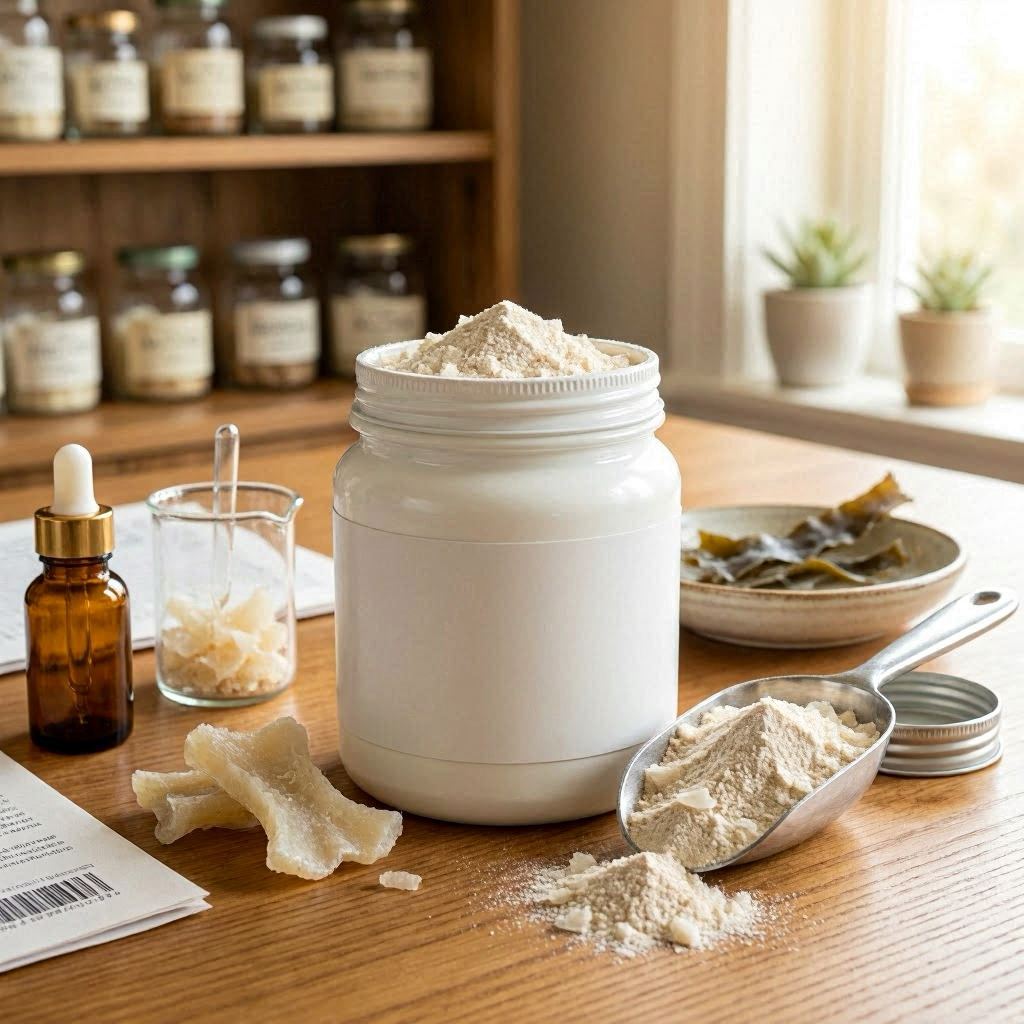
For many small and medium supplement sellers, the real challenge is not finding an ingredient, but deciding whether that ingredient has a clear story, practical applications, and long-term selling potential. Shark cartilage peptide powder is one marine peptide ingredient that has recently attracted renewed interest from nutrition brands.
According to Dr. Shenghong Li Team’s review of marine peptide applications, the value of shark cartilage peptide powder is not limited to its name. It can be positioned in joint nutrition, senior wellness, sports recovery concepts, and complex peptide formulas, giving sellers more room to build a differentiated product page.
Shark cartilage peptide powder is usually produced from shark cartilage through enzymatic hydrolysis, filtration, concentration, and drying. Compared with ordinary cartilage powder, peptide powder contains smaller molecular fragments and offers more flexible formulation options. It can be used in capsules, tablets, powder drinks, and sachets.
For small sellers, the biggest advantage is differentiation. The protein powder market is crowded, while marine peptides and cartilage-derived peptides offer a more specific product story. However, sellers should avoid medical claims such as treating arthritis or repairing cartilage. A safer and more professional approach is to explain the source, processing, quality control, and suitable applications.
Before purchasing, sellers should check peptide content, protein content, molecular weight distribution, heavy metals, microbiological limits, odor, color, and batch consistency. For private-label projects, COA, specification sheet, MSDS, allergen statement, and production flow chart are also important.
Shark cartilage peptide powder is more suitable for brands with a mid-to-premium pricing strategy. If sellers can clearly communicate “marine peptide source + nutrition formula + quality testing,” this ingredient can become a valuable product line for an independent supplement store.
Q1: Is shark cartilage peptide powder suitable for small and medium sellers?
Yes. It is more suitable for sellers with a professional supplement positioning who are willing to build educational content and sell mid-to-premium products.
Q2: What should the product page focus on?
The page should focus on raw material source, enzymatic hydrolysis process, testing standards, suitable dosage forms, and formulation combinations.
Q3: Can it be promoted for treating joint problems?
No. Disease-treatment claims should be avoided. It is better to use nutrition-support and formulation-application language.
Q4: What dosage forms are suitable for shark cartilage peptide powder?
Common dosage forms include capsules, tablets, powder drinks, sachets, and complex nutrition powders.
References