










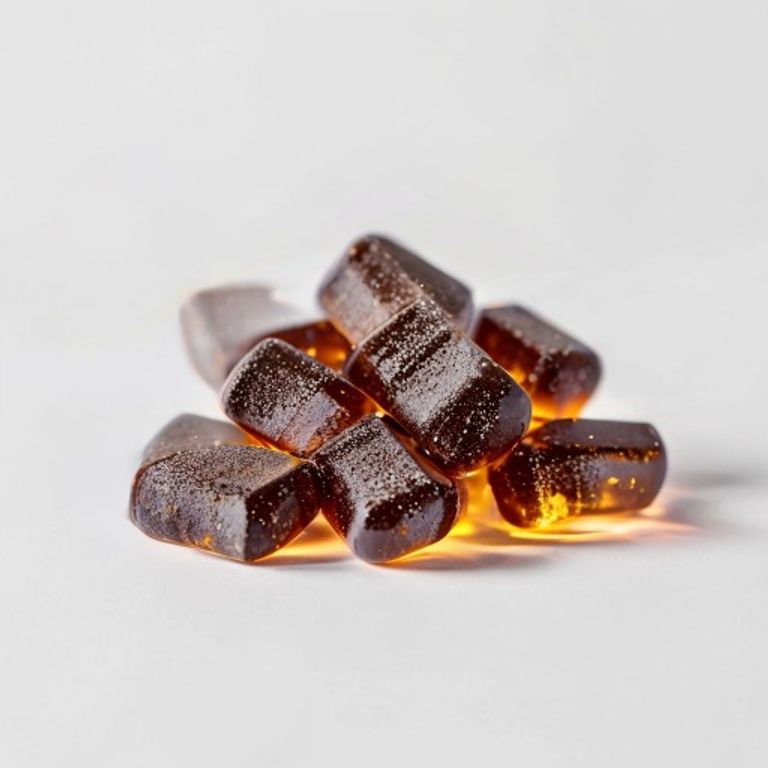
The dietary supplement industry has witnessed a seismic shift in consumer preferences over the past decade, with delivery formats evolving rapidly to meet the demands of modern lifestyles. Among these innovations, gummy supplements have emerged as a dominant force, transcending their origins as children’s vitamins to become a staple in adult wellness routines. For brand owners and supplement distributors, this trend presents both a significant opportunity and a complex formulation challenge, particularly when dealing with mineral supplements. Magnesium glycinate stands out as a premium form of magnesium known for its superior bioavailability and gentle effect on the digestive system. However, translating the benefits of this mineral into a palatable gummy format requires sophisticated taste masking technology and specialized manufacturing expertise. This is where the strategic value of taste masking magnesium glycinate gummies contract manufacturing becomes undeniable. Partnering with an experienced contract manufacturer allows brands to overcome the inherent technical hurdles of mineral fortification while capitalizing on the booming demand for functional, great-tasting supplements. This comprehensive guide explores the science, market dynamics, formulation challenges, and supply chain strategies necessary to successfully launch a high-quality magnesium glycinate gummy product.
The Science of Magnesium Glycinate: Mechanisms and Bioavailability
To fully appreciate the value proposition of a magnesium glycinate gummy, one must first understand the underlying science that differentiates this form from other magnesium salts available on the market. Magnesium is an essential cofactor in over 300 enzymatic systems within the human body, regulating diverse biochemical reactions including protein synthesis, muscle and nerve function, blood glucose control, and blood pressure regulation. Despite its critical importance, demographic studies consistently indicate that a substantial portion of the adult population fails to meet the recommended daily allowance (RDA) for magnesium through diet alone, creating a robust and enduring market for supplementation.
Magnesium glycinate, also known as magnesium bisglycinate, is a chelated form of magnesium where the mineral ion is bound to two molecules of the amino acid glycine. This chelation process fundamentally alters the way the compound interacts with the digestive system. Unlike inorganic magnesium salts such as magnesium oxide or magnesium citrate, which rely on ionic transport mechanisms that can become saturated, the magnesium-glycine complex is absorbed via dipeptide channels in the intestinal wall. This absorption pathway bypasses the competitive transport mechanisms that limit the uptake of other mineral forms, resulting in significantly higher bioavailability.
From a formulation and consumer benefit perspective, the structural stability of the chelate offers another distinct advantage. Because the magnesium remains bound to glycine throughout the upper digestive tract, it does not dissociate in the stomach to release free magnesium ions. It is these free ions that are primarily responsible for the osmotic effect—drawing water into the intestinal lumen—that leads to the gastrointestinal discomfort, cramping, and loose stools commonly associated with high-dose magnesium supplementation. Consequently, magnesium glycinate is widely recognized as the “gentle” form, making it the preferred choice for individuals with sensitive digestive systems and a prime candidate for daily wellness formulations targeting sleep support, stress reduction, and muscle relaxation.
However, the very chemical structure that provides these physiological benefits poses significant challenges for gummy formulation. The chelated compound possesses inherent organoleptic properties that can be difficult to mask. Magnesium ions, even when chelated, can impart a distinct metallic, bitter, or chalky aftertaste that lingers on the palate. Furthermore, glycine itself contributes a slightly sweet yet complex flavor profile that can interfere with fruit-forward flavor systems. When developing taste masking magnesium glycinate gummies contract manufacturing strategies, formulators must account for these sensory attributes while ensuring that the chelation remains stable throughout the manufacturing process and shelf life. If the chelate degrades due to heat, pH fluctuations, or moisture activity during gummy production, the resulting free magnesium can amplify off-flavors and reduce the product’s intended bioavailability, undermining the premium positioning of the supplement. Therefore, the science of the raw material is inextricably linked to the art of the formulation; understanding the molecular stability of magnesium glycinate is the prerequisite for creating a commercially viable gummy product.
Market Trends and Demand Analysis for Mineral Gummies
The global dietary supplement market has entered a phase of accelerated growth, with mineral supplements representing one of the most resilient and expanding categories. Within this sector, magnesium has experienced a resurgence in popularity, driven by increasing consumer awareness of its role in stress management, sleep hygiene, and athletic recovery. Market intelligence indicates that the global magnesium supplement market was valued at approximately USD 9.3 billion in 2022 and is projected to expand at a compound annual growth rate (CAGR) of 7.1% from 2023 to 2030. This growth is not uniform across all delivery formats; while traditional capsules and tablets maintain a significant market share, the gummy segment is outpacing the industry average with double-digit growth rates, fundamentally reshaping the competitive landscape.
Several demographic and psychographic trends fuel this shift toward gummy formats. The “pill fatigue” phenomenon is particularly prevalent among Millennials and Generation Z consumers, who often express reluctance to incorporate large tablets or multiple capsules into their daily routines. Gummies offer a sensory experience that transforms the act of supplementation from a clinical chore into an enjoyable ritual. This psychological barrier is a critical driver for brand owners to consider; even the most efficacious capsule formulation cannot deliver results if consumer adherence is low due to format aversion. In the context of magnesium, which is often taken in the evening to support sleep, the gummy format aligns perfectly with consumer desires for a relaxing, treat-like experience to conclude the day.
Furthermore, the specific demand for magnesium glycinate is rising in tandem with the broader “premiumization” trend in the nutraceutical industry. Consumers are becoming increasingly sophisticated, often conducting their own research before purchasing. They are moving away from commodity forms like magnesium oxide—which offers high elemental magnesium density but poor absorption—toward chelated forms that promise higher efficacy and tolerability. This shift creates a lucrative niche for brands that can effectively communicate the superiority of magnesium glycinate. However, because the raw material cost for magnesium glycinate is significantly higher than that of inorganic salts, the final product price point is elevated. This price positioning necessitates a premium consumer experience, where taste and texture are non-negotiable factors for success.
The intersection of these trends—rising magnesium demand, the preference for gummy delivery, and the shift toward premium bioavailable ingredients—creates a compelling business case for taste masking magnesium glycinate gummies contract manufacturing. Brands that successfully navigate this intersection can command higher margins and foster strong customer loyalty. Data from retail analysis suggests that flavor and texture are among the top three reasons consumers repurchase gummy supplements, alongside efficacy and brand trust. Consequently, the ability to deliver a magnesium gummy that tastes indistinguishable from a confectionery product is a key differentiator in a crowded marketplace. For contract manufacturers, this market reality underscores the importance of investing in advanced flavor-masking technologies and texture optimization, as these technical capabilities directly translate into commercial success for their B2B partners. The market is no longer satisfied with “good enough” taste; the expectation is for a genuinely enjoyable consumption experience that masks the mineral content entirely.
Technical Challenges in Taste Masking Magnesium Glycinate
Developing a palatable magnesium glycinate gummy is widely considered one of the more demanding tasks in supplement formulation. Unlike water-soluble vitamins, which often have neutral or easily masked flavors, minerals present a formidable sensory barrier. Magnesium glycinate, despite being one of the least abrasive forms, still carries a distinct organoleptic profile characterized by metallic notes, a lingering bitterness, and a somewhat astringent mouthfeel. When concentrated into a small, chewable format, these attributes are amplified, making the goal of “taste masking” a complex scientific endeavor rather than a simple matter of adding sweeteners.
The primary challenge lies in the interaction between the mineral ions and the taste receptors on the tongue. Magnesium ions can stimulate specific bitter taste receptors (TAS2Rs), sending signals to the brain that interpret the substance as unpalatable. While chelation with glycine buffers this interaction, it does not eliminate it entirely. Furthermore, the high concentration required to achieve a meaningful dose—typically ranging from 100mg to 200mg of elemental magnesium per gummy—means the formulator is working with a significant load of active ingredient. In a standard two-gummy serving, the total weight of the magnesium glycinate compound can be substantial, physically displacing other ingredients and affecting the structural integrity of the gel matrix.
Heat sensitivity is another critical factor that complicates the manufacturing process. Gummy production typically involves cooking a slurry of gelatin or pectin, water, and sweeteners to temperatures ranging from 70°C to 90°C. While magnesium glycinate is relatively stable, prolonged exposure to high heat and acidic conditions (often used to set pectin-based gummies) can potentially degrade the chelate. If the bond between magnesium and glycine breaks during the cooking phase, the resulting free magnesium oxide or hydroxide can drastically alter the pH and flavor profile of the batch, leading to bitter, metallic off-notes that are impossible to reverse. This necessitates precise process controls, including the timing of ingredient addition. In many advanced taste masking magnesium glycinate gummies contract manufacturing protocols, the mineral payload is added during the cooling phase to preserve the integrity of the chelate, requiring specialized equipment and rigorous quality monitoring.
To overcome these hurdles, formulators employ a multi-layered approach to taste masking. This goes beyond simply adding sugar or synthetic sweeteners. Advanced strategies include the use of bitterness blockers—compounds that inhibit the activation of bitter taste receptors—and flavor modifiers that alter the perception of taste. For instance, cyclodextrins can be used to encapsulate the magnesium molecule, physically shielding it from taste buds until it passes the oral cavity. Additionally, the choice of base ingredients plays a pivotal role. Pectin, a plant-based gelling agent, often requires a lower pH (acidic environment) to set, which can exacerbate the metallic notes of magnesium. Gelatin, while animal-derived, sets via cooling rather than acidulation and may offer a more neutral canvas for flavor development. However, the rising demand for vegan products forces many manufacturers to innovate within the pectin matrix, utilizing buffering agents to manage pH without compromising the gummy set.
Texture also contributes significantly to taste perception. A gummy that is too tough or sticky can prolong the chewing process, increasing the contact time between the active ingredient and the taste buds. Optimizing the “bite” of the gummy—ensuring it is tender yet resilient—can help minimize the exposure time and reduce the perception of off-flavors. Through the integration of these sensory and chemical strategies, experienced contract manufacturers can produce magnesium glycinate gummies that meet the high organoleptic standards of the modern consumer.
OEM/ODM Benefits: Speed, Scalability, and Customization for Brand Owners
For supplement brands, nutritionists, and distributors looking to enter the magnesium gummy market, the decision between building an in-house manufacturing facility and partnering with an OEM (Original Equipment Manufacturer) or ODM (Original Design Manufacturer) is a strategic crossroads. In the vast majority of cases, leveraging taste masking magnesium glycinate gummies contract manufacturing services offers a superior return on investment (ROI) and significantly lower risk profiles. The complexities of gummy production—ranging from raw material handling to deposition and demolding—require specialized infrastructure that demands substantial capital expenditure. By outsourcing to a specialized partner, brand owners can bypass these barriers and focus their resources on marketing, sales, and brand building.
One of the primary advantages of the OEM/ODM model is speed-to-market. Developing a gummy formulation from scratch can take 12 to 18 months, involving iterative rounds of R&D, stability testing, and organoleptic refinement. Contract manufacturers specializing in gummies often possess a library of pre-developed, market-ready base formulations. In an ODM scenario, the manufacturer already has a “white-label” formula that has been optimized for taste masking and stability. The brand owner simply selects the flavor, shape, and dosage, and the product moves quickly into production. This capability can reduce the launch timeline to as little as 8 to 12 weeks, allowing brands to capitalize on fleeting market trends and seasonal demand spikes.
Customization remains a key selling point even within the contract manufacturing framework. While ODM offers speed, OEM services allow for deep customization. Brand owners can work with the manufacturer’s R&D team to create a proprietary blend, perhaps combining magnesium glycinate with synergistic ingredients like L-Theanine, Melatonin, or Botanical extracts to create a unique “Sleep Complex” or “Stress Relief” formula. However, custom formulations require rigorous stability and compatibility testing. An experienced contract manufacturer will have the expertise to predict potential interactions—such as how the addition of an acidic fruit extract might affect the magnesium chelate—and adjust the formula proactively. This level of technical oversight protects the brand from costly recalls or reputational damage associated with unstable products.
Scalability is another critical benefit. Demand for successful supplement products can be volatile; a viral social media post or influencer endorsement can deplete inventory overnight. Contract manufacturers are equipped to handle fluctuating volumes, offering the flexibility to scale production up or down based on real-time sales data. This elasticity is difficult to achieve with in-house manufacturing, where capacity is fixed. Furthermore, established manufacturers have secured supply chains for raw materials. The global supply of high-quality magnesium glycinate can be subject to shortages and price volatility. A robust contract manufacturer will have long-term agreements with raw material suppliers and hold safety stock, insulating their B2B partners from supply chain disruptions.
Minimum Order Quantity (MOQ) structures also facilitate market entry for smaller or emerging brands. While setting up a gummy line requires significant setup time and cleaning validation between batches, many manufacturers offer tiered MOQs. This allows brands to launch with a manageable initial investment—perhaps 5,000 to 10,000 bottles—rather than committing to the massive volumes required to amortize the cost of private manufacturing equipment. This lowers the barrier to entry and allows brands to test the market viability of a magnesium glycinate gummy before committing to larger production runs. By aligning with a partner that specializes in taste masking magnesium glycinate gummies contract manufacturing, brand owners secure a competitive edge through technical expertise, operational efficiency, and risk mitigation.
Quality Assurance and Regulatory Compliance in Gummy Manufacturing
In the dietary supplement industry, quality assurance is not merely a regulatory requirement but the foundation of brand integrity. This is particularly true for gummy supplements, which occupy a unique space between food and nutraceuticals. The manufacturing of magnesium glycinate gummies is subject to rigorous standards, primarily governed by Current Good Manufacturing Practices (cGMP) as outlined by regulatory bodies such as the FDA in the United States and equivalent agencies in other jurisdictions. For B2B buyers, understanding the quality protocols of a contract manufacturing partner is essential to ensuring product safety, consistency, and label accuracy.
One of the most critical quality parameters in gummy manufacturing is ingredient potency and uniformity. Unlike tablets, which are compressed and can be tested individually for weight and hardness, gummies are produced in large batches and deposited into molds. Ensuring that every single gummy contains the exact amount of elemental magnesium stated on the label requires homogeneity testing. During the mixing process, heavy mineral particles can settle to the bottom of the vessel, leading to a distribution of active ingredients that varies from the first gummy deposited to the last. A reputable contract manufacturer utilizes high-shear mixing equipment and validated mixing times to guarantee homogeneity. They will also conduct potency testing on samples taken from the beginning, middle, and end of the production run to verify consistency. The Certificate of Analysis (COA) provided to the brand owner should reflect these rigorous testing protocols, confirming that the product meets label claims within acceptable variance limits.
Microbiological safety is another paramount concern. Gummies, by their nature, contain high levels of moisture and sugar, creating a potential breeding ground for yeast, mold, and bacteria if not properly preserved and processed. The manufacturing environment must be strictly controlled for temperature and humidity to prevent microbial growth. Furthermore, the final product must undergo microbiological testing to ensure it is free from pathogens such as Salmonella, E. coli, and Staphylococcus aureus. In the context of taste masking magnesium glycinate gummies contract manufacturing, the inclusion of mineral salts can also influence water activity (Aw), a critical metric for stability. Manufacturers must carefully balance humectants and gelling agents to maintain a water activity level that inhibits microbial proliferation without drying out the gummy or making it too hard to chew.
Heavy metal testing is specifically relevant for mineral supplements. Magnesium raw materials, depending on their source, can carry trace contaminants like lead, arsenic, cadmium, and mercury. Because magnesium is a mined mineral, the risk of heavy metal presence is non-negligible. A cGMP-compliant manufacturer will test every incoming lot of raw magnesium glycinate using sophisticated analytical methods such as Inductively Coupled Plasma Mass Spectrometry (ICP-MS) to detect heavy metals at parts per billion (ppb) levels. Only raw materials that pass these stringent identity and purity tests should be released for production. This rigorous supply chain vetting is a key service provided by contract manufacturers, shielding brand owners from the liability of contaminated products.
Third-party certifications add an additional layer of credibility and marketability to the finished product. Certifications such as NSF Certified for Sport, Informed Choice, or general GMP certification by independent auditors signal to retailers and consumers that the manufacturing facility meets the highest standards of quality and safety. Additionally, certifications for Halal, Kosher, and Organic status enable brands to target specific demographic segments. For B2B buyers, requesting documentation of these certifications should be a standard part of the vendor qualification process. The complexity of gummy chemistry—balancing taste, texture, stability, and potency—means that there is no room for shortcuts in quality assurance. Partnering with a manufacturer that prioritizes analytical testing and process validation is the only way to ensure a safe, effective, and legally compliant magnesium glycinate gummy.
Formulation Formats: Gummies vs. Capsules vs. Powders
When launching a magnesium glycinate product, brand owners must carefully evaluate the pros and cons of various delivery formats. While this article focuses on the nuances of taste masking magnesium glycinate gummies contract manufacturing, a comparative analysis with capsules and powders provides valuable context for strategic product positioning. Each format offers distinct advantages regarding bioavailability, consumer preference, manufacturing cost, and shelf stability, and the optimal choice often depends on the target demographic and price point.
Gummies have surged in popularity due to their consumer-friendly nature. The primary advantage is adherence; people are simply more likely to take a supplement that tastes good. For magnesium, which is often positioned for relaxation and sleep, the “treat” aspect of a gummy aligns well with the consumer’s evening routine. However, gummies present formulation constraints that capsules do not. The payload capacity of a gummy is limited. To achieve a therapeutic dose of 200mg of elemental magnesium (which requires approximately 1,400mg of magnesium glycinate by weight), a manufacturer might need to split the dose across two or even three gummies. This increases the calorie and sugar content per serving, which can be a deterrent for health-conscious consumers. While sugar-free options using sugar alcohols or soluble corn fiber exist, they can introduce digestive sensitivities for some users. Furthermore, gummies are inherently less stable than capsules; they are susceptible to “cold flow” (melting or deforming in heat) and moisture migration, which can affect the stability of the active ingredients over time.
Capsules, specifically two-piece hard shell capsules, offer a highly stable and dosage-precise delivery system. They protect the magnesium glycinate powder from moisture and light, ensuring a longer shelf life—typically 3 to 5 years compared to the 18 to 24 months common for gummies. Capsules allow for higher concentrations of active ingredients without the need for sweeteners, colors, or gelling agents, resulting in a “clean label” product that appeals to purists. They are also generally cheaper to manufacture on a per-unit basis, as the encapsulation process is faster and requires less drying time than gummy production. The downside, of course, is the “pill fatigue” mentioned earlier. For consumers who struggle to swallow large capsules—a common complaint given the bulkiness of magnesium glycinate powder—capsules may not be the preferred format.
Powders represent a middle ground, offering high dosage flexibility and rapid absorption. A magnesium glycinate powder can be mixed into water or juice, allowing for a customizable dose. This format is particularly popular in the sports nutrition and recovery sector. Powders eliminate the stability issues associated with gummies and the swallowing difficulties of capsules. However, the taste masking challenge is even more pronounced in powders, as the mineral is directly dissolved in liquid, exposing the consumer fully to the flavor profile. Unflavored magnesium powders can be gritty and unpalatable, while flavored versions require the consumer to carry a tub or stick packs, which is less convenient than a grab-and-go gummy bottle.
Ultimately, the choice of format should be driven by the brand’s identity and target consumer. A brand focused on “clean,” clinical-grade supplementation might gravitate toward capsules. A brand targeting the lifestyle, wellness, or beauty market would likely find gummies to be the superior format for driving customer acquisition and retention. The success of a gummy launch hinges on the manufacturer’s ability to solve the taste and stability puzzles. With the right taste masking magnesium glycinate gummies contract manufacturing partner, brands can deliver a product that offers the bioavailability of a premium chelated mineral with the sensory appeal of a confection, creating a powerful competitive advantage in the marketplace.
Frequently Asked Questions (FAQ)
What is the typical lead time for manufacturing a custom magnesium glycinate gummy?
Lead times can vary significantly based on the complexity of the formulation and the manufacturer’s production schedule. For an existing “stock” formula (ODM) where the brand only requires custom labeling, lead times can be as short as 4 to 8 weeks. However, for a fully custom formulation (OEM) requiring R&D, flavor matching, and stability testing, the timeline extends to 16 to 24 weeks. Factors such as raw material availability—specifically the sourcing of high-grade magnesium glycinate—and packaging component production (bottles, caps, labels) also influence the final delivery date. It is advisable to plan product launches at least 6 months in advance to accommodate these variables.
How is the elemental magnesium content calculated and labeled?
Magnesium glycinate is a compound consisting of magnesium and glycine. The “elemental” magnesium refers only to the magnesium ion portion of the molecule. Magnesium glycinate typically contains approximately 14% elemental magnesium by weight (though this can vary slightly depending on whether it is a bisglycinate chelate or buffered). Therefore, to provide 100mg of elemental magnesium, a formulator must use approximately 700mg to 800mg of the actual magnesium glycinate compound. Labeling regulations require that the “Supplement Facts” panel list the amount of elemental magnesium, not the weight of the compound. Reputable contract manufacturers will verify this calculation via third-party testing to ensure label claims are accurate and compliant.
Can magnesium gummies be made sugar-free or vegan?
Yes, modern manufacturing technology allows for both sugar-free and vegan magnesium gummies. Sugar-free gummies are typically formulated with alternative sweeteners such as maltitol, erythritol, or allulose, or soluble corn fiber. While these ingredients can replicate the sweetness and mouthfeel of sugar, formulators must carefully manage the total carbohydrate count and potential digestive effects of sugar alcohols. Vegan gummies replace gelatin (an animal-derived protein) with pectin (fruit-derived) or agar-agar. Pectin-based gummies have a slightly different texture—often softer and with a shorter “bite”—and require acidic conditions to set. This necessitates careful pH management to ensure the stability of the magnesium glycinate chelate.
What is the shelf life of a magnesium glycinate gummy?
The typical shelf life for a magnesium gummy is 18 to 24 months from the date of manufacture. Gummies are hygroscopic, meaning they absorb moisture from the air, which can lead to clumping, sticking, or microbial growth over time. To maximize shelf life, manufacturers use specific packaging solutions such as heat-sealed bottles with induction liners and moisture-absorbing desiccants. Stability testing is conducted to ensure that the magnesium potency remains within label claim specifications throughout the duration of the shelf life, even under varying temperature and humidity conditions.
Are there specific packaging requirements for magnesium gummies?
Yes, packaging is critical for preserving the quality of gummy supplements. Given the moisture sensitivity of the format, high-density polyethylene (HDPE) bottles with induction seals are the industry standard. These provide a robust barrier against humidity and oxygen. Additionally, because magnesium glycinate can be sensitive to light, amber or opaque bottles are preferred over clear plastic. Some brands opt for individual pouches or blister packs, which offer portability and portion control, but these formats require specialized packaging machinery and can increase the unit cost significantly.
How do manufacturers ensure the gummies do not stick together in the bottle?
Anti-caking agents and processing techniques are used to prevent gummies from fusing together. During the production phase, gummies are often lightly coated with a thin layer of oil (such as coconut oil or sunflower oil) and a anti-stick agent like carnauba wax or beeswax. This creates a physical barrier that prevents the gelatin or pectin surfaces from bonding. In some formulations, a small amount of citric acid or other dry powder is tumbled with the gummies to absorb surface moisture. These steps are crucial for maintaining consumer satisfaction, as a solid “brick” of gummies in the bottle is a common cause of returns and negative reviews.
What is the Minimum Order Quantity (MOQ) for magnesium gummies?
MOQs vary by manufacturer, but for gummy supplements, they are generally higher than for capsules or tablets due to the intensive setup and cleaning required for gummy lines. A typical starting MOQ for a custom gummy order ranges from 5,000 to 10,000 bottles. Some manufacturers may offer lower MOQs (e.g., 1,000 to 2,000 bottles) for “white-label” or stock formulas where the production is pooled with other brands. For large-scale productions, orders typically start at 30,000 to 50,000 bottles to achieve optimal economies of scale and lower unit costs.
Can magnesium glycinate be combined with other sleep-support ingredients?
Magnesium glycinate is frequently combined with ingredients such as Melatonin, L-Theanine, GABA, Valerian Root, and Chamomile to create comprehensive sleep and relaxation formulas. However, formulators must consider compatibility. For example, Melatonin is light-sensitive and potent, requiring precise micro-dosing technology. Herbal extracts can introduce strong, earthy flavors that complicate taste masking efforts. An experienced contract manufacturer will evaluate the organoleptic impact of these additional ingredients and adjust the flavor profile accordingly to ensure the final product remains palatable while delivering the synergistic benefits of the combined actives.
Conclusion
The opportunity for supplement brands in the magnesium gummy sector is substantial, driven by a convergence of consumer demand for premium ingredients, enjoyable delivery formats, and functional wellness benefits. Magnesium glycinate represents the gold standard for tolerable, bioavailable magnesium supplementation, making it an ideal active ingredient for brands targeting the sleep, stress, and recovery markets. However, the path from raw mineral to shelf-ready gummy is paved with technical complexity. The inherent challenges of taste masking, stability, and dosage density require a level of expertise that only specialized contract manufacturers can provide. By leveraging the capabilities of a partner skilled in taste masking magnesium glycinate gummies contract manufacturing, brand owners can bypass the steep learning curve of gummy production and ensure their product meets the highest standards of quality and consumer appeal. The strategic decision to outsource manufacturing allows brands to remain agile, focusing their resources on market penetration and customer engagement while relying on the technical prowess of their manufacturing partner to deliver a safe, effective, and delicious product. In a competitive landscape where product experience is paramount, the quality of the gummy is not just a manufacturing detail—it is the cornerstone of brand success.
Disclaimer: These statements have not been evaluated by the Food and Drug Administration. This product is not intended to diagnose, treat, cure, or prevent any disease. The information provided in this article is for educational and informational purposes only and does not constitute medical advice. Always consult with a qualified healthcare professional before starting any supplement regimen.