










Creatine gummies are one of the fastest-growing formats in sports nutrition. Customers who never liked mixing powder are buying them, and so are people who use creatine for daily wellness rather than lifting. For a private label brand, gummies look like an easy win.
They are also the format with the biggest quality problem in the category. In 2025, SuppCo had six of the most popular creatine gummies on Amazon tested by an independent ISO 17025-accredited lab. Four of the six failed. Two had no detectable creatine at all, and two contained only trace amounts. (Source: SuppCo)
If you plan to launch a creatine gummy, this guide explains why so many fail, how to work out a real dose, and what to ask your manufacturer before you sign.
Key Takeaways
- A functional creatine serving is 3–5 g per day. A gummy has to deliver that in a reasonable number of pieces.
- Gummies fail for two reasons: too little creatine added, or creatine that breaks down into creatinine during production and storage.
- Heat, moisture, acidity and time all speed up that breakdown, and a gummy has all four.
- Ask for a COA on the finished gummy, not just on the creatine raw material, and ask for creatinine results.
- If your customers want a guaranteed full dose with the simplest production, powder or stick packs are the safer format.
Why So Many Creatine Gummies Fail
1. Under-dosing
Creatine is a bulky ingredient. Five grams of creatine is more than the total weight of a typical gummy. To make a small, tasty gummy at a low cost, some products add only a fraction of a serving and still put “creatine” on the front of the label. This is sometimes called “fairy dusting.”
2. Breakdown into creatinine
Creatine is stable as a dry powder. In water, it slowly converts into creatinine, an inactive breakdown product. The conversion is faster with heat and low pH (acidity), and it continues over time.
A gummy is made by cooking a hot, moist gel, is usually acidified for taste and texture, and then sits on a shelf for months. That combination can turn part of the creatine into creatinine, even if the full amount was added at the start. In SuppCo’s testing, even the two gummies that passed on creatine content showed significant creatinine, which is a sign of degradation.

The Dose Math: How Many Gummies per Serving?
The amount of creatine you can put in one gummy depends on its size and texture. More creatine per piece means a bigger or firmer gummy. Here is how the serving size changes:
| Creatine per gummy | Gummies for a 3 g serving | Gummies for a 5 g serving |
|---|---|---|
| 1.0 g | 3 | 5 |
| 1.25 g | 2–3 | 4 |
| 1.5 g | 2 | 3–4 |
| 2.5 g | 1–2 | 2 |
In practice, most brands choose between:
- Fewer, larger gummies with a higher loading per piece, or
- More, smaller gummies with a better texture and a softer bite.
A 3 g serving is a common choice for “daily wellness” and women-focused products. A 5 g serving is standard for performance positioning. Both are legitimate. A 0.5 g one-a-day gummy sold as a creatine supplement is not.
Manufacturing Controls That Protect the Dose
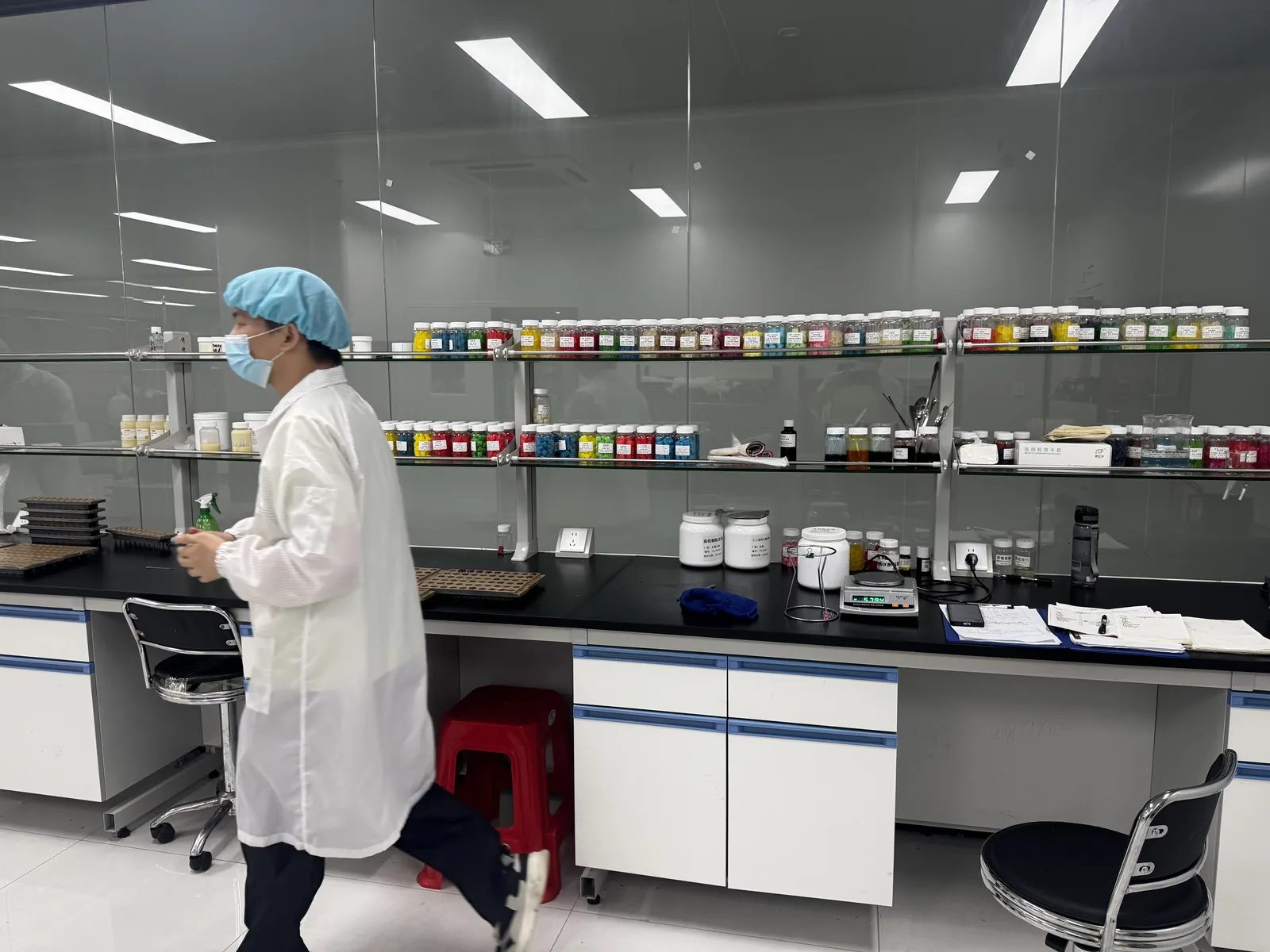
When you evaluate a creatine gummy manufacturer, ask how they handle each of these points:
- Formulation to a real dose. The formula should state the creatine per gummy and per serving, with an overage that is justified, not guessed.
- Process temperature and timing. Creatine should be exposed to heat and moisture for as short a time as possible during production.
- Acidity and moisture control. The pH, final moisture and drying step all affect how fast creatine breaks down.
- Moisture-barrier packaging. Bottles with induction seals and desiccants, or high-barrier pouches, slow down moisture uptake after production.
- Finished-product testing. The COA should test the finished gummy for creatine content and creatinine. A raw-material COA alone tells you nothing about what ended up in the gummy.
- Stability data. Ask how creatine content changes over the claimed shelf life for your formula.
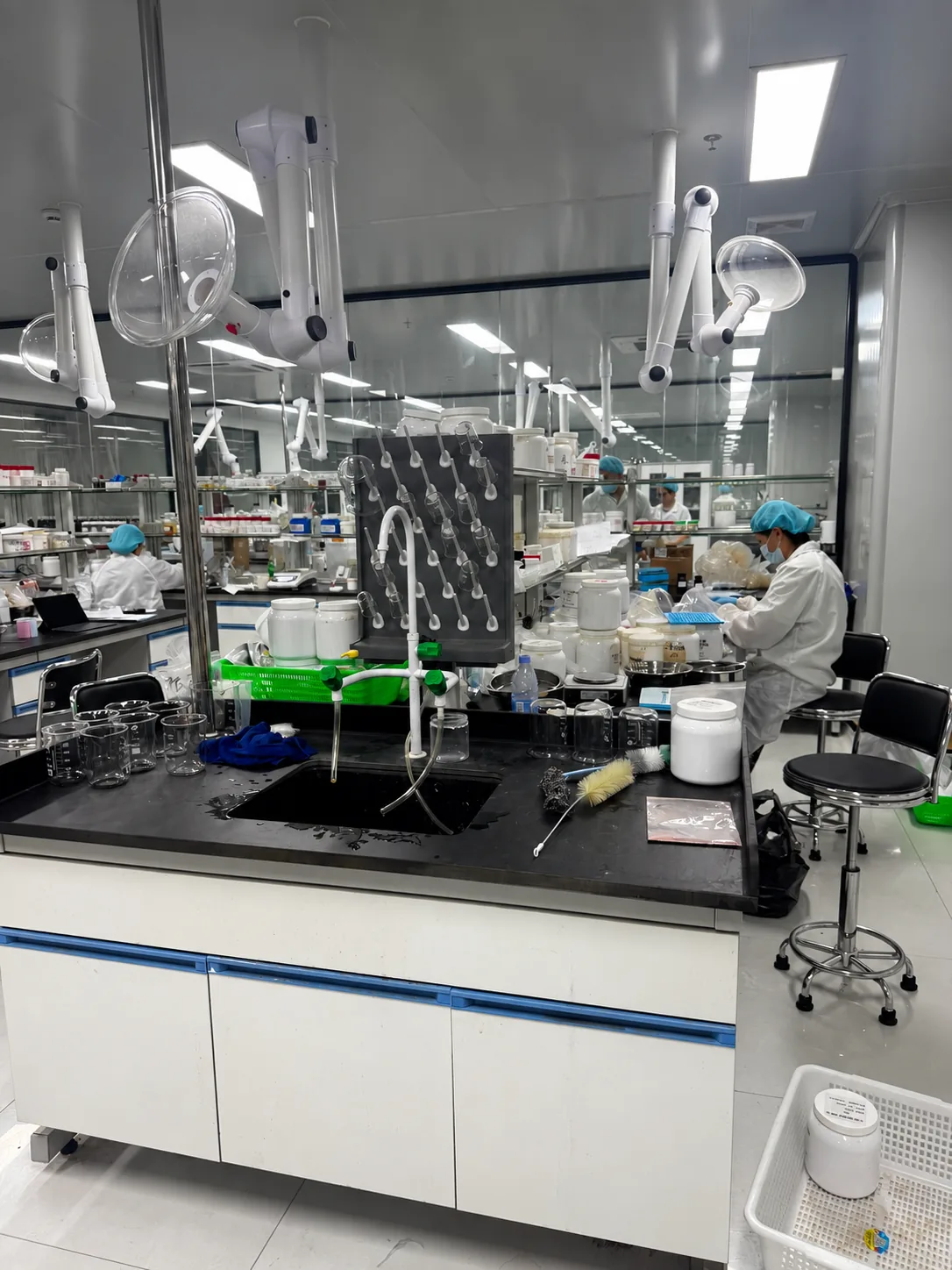
Questions to Ask a Creatine Gummy Manufacturer (Copy and Paste)
- How many grams of creatine are in each gummy, and how many gummies are in one serving?
- Will the COA test the finished gummy for creatine content? Will it include creatinine?
- How do you control heat, acidity and moisture to limit creatine breakdown?
- What packaging do you recommend to protect the gummies from moisture?
- Do you have stability data for this type of formula over the shelf life?
- Can I get pre-production samples of my exact formula?
Gummy, Powder or Stick Pack: Which Format Fits Your Brand?
| Format | Strengths | Trade-offs |
|---|---|---|
| Powder (jar) | Full 5 g dose per scoop, most stable, lowest cost per serving | Customer has to mix it |
| Stick packs | Pre-measured, portable, as stable as powder | Higher packaging cost per serving |
| Gummies | Easy to take, appeals to new customers | Several pieces per serving, more complex production, needs finished-product testing |
| Capsules | No taste, easy to swallow | Several capsules for a full dose |
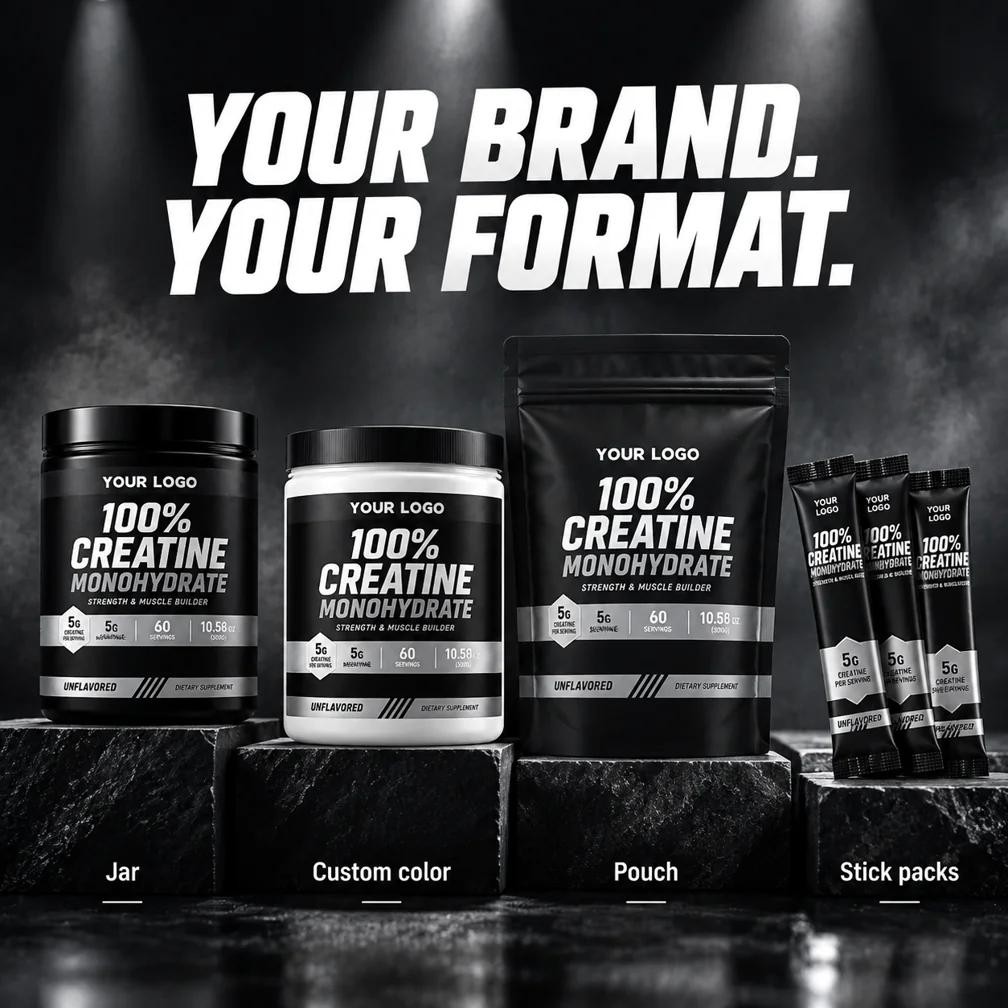
Many brands launch with a powder as their core product and add gummies or stick packs later for convenience-focused customers. If you want to start with the fastest and simplest option, see our standard 300 g creatine monohydrate program.
Frequently Asked Questions
Do creatine gummies work?
They can, if each serving really contains a functional dose and the creatine has not broken down into creatinine. Independent testing has shown that many products on the market do not meet their label claims.
How much creatine should a gummy serving contain?
A functional serving is 3–5 g of creatine per day. Check how many gummies it takes to reach that amount.
Why do creatine gummies contain creatinine?
Creatine converts into creatinine in water, and the reaction is faster with heat and acidity. Gummy production and storage can create those conditions, so finished-product testing matters.
Are creatine gummies more expensive to make than powder?
Yes, per serving. Gummies need more processing, more packaging and more pieces per serving than a scoop of powder.
Can you manufacture private label creatine gummies?
Yes. We develop creatine gummies formulated to a real dose, as well as powders and stick packs. Gummies are quoted per project, depending on formula, dose and packaging.
Plan Your Creatine Gummy or Powder Launch
Tell us your target dose, format and quantity. We will recommend the format that fits your positioning and send a quote.
These statements have not been evaluated by the Food and Drug Administration. This product is not intended to diagnose, treat, cure, or prevent any disease.