










Quick Answer for B2B Buyers
When overseas brand owners and procurement managers search for a dietary supplement contract manufacturer, the safest audit goes beyond checking a GMP certificate. A serious B2B buyer should verify raw-material specification, batch-specific COA data, active marker testing, contaminant controls, processing capability, pilot-batch support, packaging readiness, and export documentation before approving an OEM/ODM partner.
The two biggest risks are batch-to-batch inconsistency and hidden compliance traps. This checklist gives buyers a practical way to evaluate botanical extracts, capsules, gummies, and custom powder blends before signing a production order.
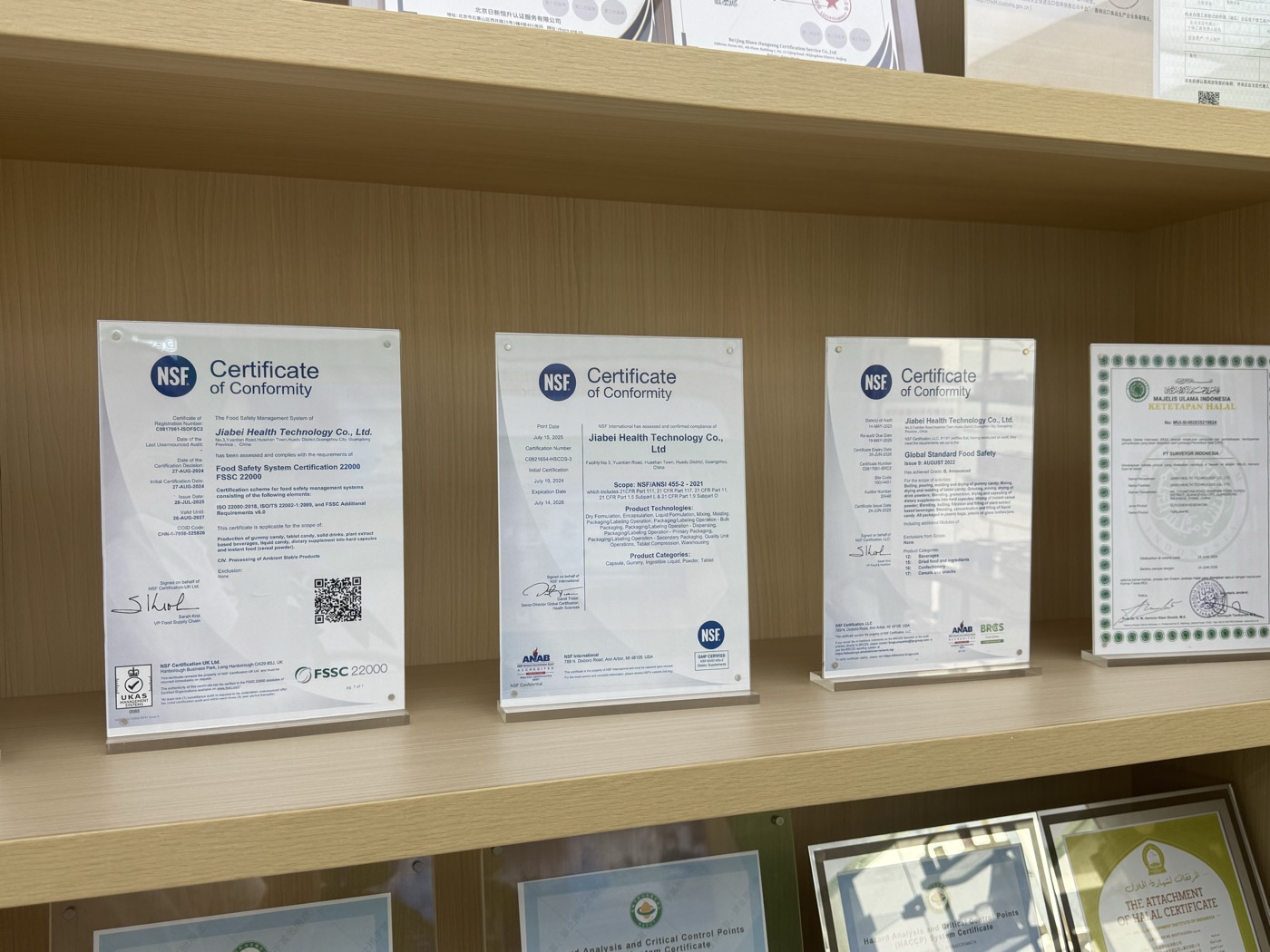
1. Quality Control Beyond GMP: The Analytical and COA Audit Checklist
A trustworthy OEM supplier should provide analytical transparency for the raw materials and finished product batch. When reviewing a Certificate of Analysis, look for the test method, batch number, specification limit, actual result, date, and whether the test is performed internally or by a third-party laboratory.
A. Active Compound Standardization vs. Ratio
- Ratio extracts such as 10:1 or 20:1: useful for some food, beverage, powder, or general botanical concepts, but they do not automatically guarantee a fixed active marker level.
- Standardized extracts: better for potency-sensitive supplement formulas because they define a target marker compound, such as ginsenosides, polyphenols, or other actives, with a relevant method such as HPLC or UV-Vis where appropriate.
For more detail, compare this with our related guide: Standardized Botanical Extracts vs. Ratio Extracts.
B. Heavy Metals and Contaminant Controls
Heavy metal, pesticide, microbiology, and contaminant requirements depend on the target market, ingredient type, and buyer specification. Rather than accepting a generic statement, request the actual test panel and method. Common audit items include ICP-MS heavy metal testing, microbiology, pesticide residues where relevant, and identity testing.
- Lead, arsenic, cadmium, and mercury: confirm limits against the buyer’s target market and product category.
- Microbiology: confirm total plate count, yeast and mold, and pathogen controls where applicable.
- Identity and assay: confirm whether the active marker is quantified or only identified.
C. Residual Solvents and Extraction Method
For botanical extracts, buyers should confirm whether the material uses water, ethanol, or other solvents, and whether residual solvent testing is aligned with the finished-product market. USP <467> and equivalent destination-market frameworks may be relevant depending on the product and buyer requirement.
2. Advanced Manufacturing Technology: Precision Blending and Microbial Control
The technical gap between a budget blender and a stronger OEM factory often appears in blend uniformity, moisture handling, microbial control, and pilot-batch discipline. This matters especially for micro-dosed ingredients, hygroscopic botanical powders, mineral blends, and gummies with challenging taste or texture.
| Processing Stage | Basic OEM Risk | Stronger Audit Standard |
|---|---|---|
| Powder blending | Segregation risk when small-dose actives are mixed with larger carriers | Ask how blend uniformity is controlled and documented for the batch size |
| Sterilization / microbial control | Heat or unsuitable treatment may affect sensitive actives | Confirm the selected microbial-control route fits the ingredient and finished format |
| Capsule / gummy / powder conversion | Packaging-only supplier may not understand formulation constraints | Look for R&D support, pilot batches, and format-specific process knowledge |
| Moisture-sensitive materials | Caking, poor flow, or failed shelf-life behavior | Ask about desiccant, packaging barrier, humidity controls, and sample testing |

3. Supply Chain Cost Optimization and Hainan Free Trade Port Considerations
For global brands, landed cost is shaped by more than unit price. Raw material sourcing, processing value, packaging, documentation, freight, destination-market duties, and reorder timing can all affect margin.
NuCoreBio operates from Hainan, where the Free Trade Port framework can support duty-free raw material access, export documentation planning, and value-added processing advantages for eligible goods and routes. The exact tariff outcome depends on product classification, processing route, destination market, and current policy interpretation, so it should be reviewed case by case rather than treated as a blanket guarantee.
- Raw material planning: align imported actives, botanical extracts, packaging, and formula route early.
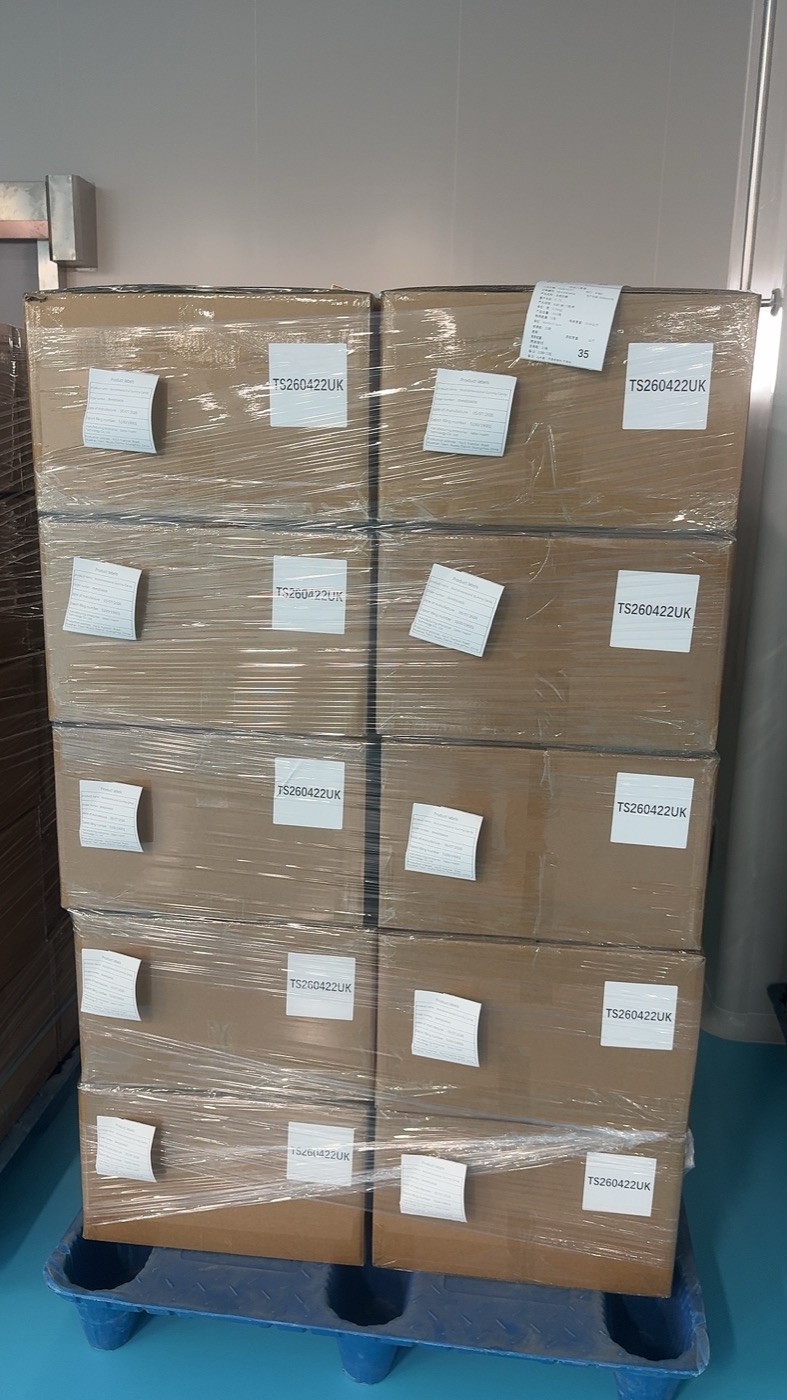
- Export documentation: prepare COA, packing list, invoice, label files, and buyer-specific documents before shipment pressure arrives.
- Reorder economics: compare small pilot runs, first commercial batch size, and reorder timing rather than only the first quote.
4. B2B Vendor Evaluation Scoring Sheet
Before signing a contract manufacturing agreement, score the supplier on technical transparency, documentation discipline, and manufacturability rather than sales promises.
| Audit Question | What a Strong Answer Includes |
|---|---|
| Can you provide batch-specific raw data or method details when needed? | COA, method, lab source, batch number, and active marker or identity logic |
| How do you control micro-dosed ingredient distribution? | Defined blending route, sampling logic, batch-size experience, and uniformity controls |
| How do you handle hygroscopic botanical powders? | Moisture control, packaging plan, flow support, storage guidance, and pilot testing |
| Do you support pilot batches for stability, taste, disintegration, or texture? | Clear sample workflow before mass production |
| How does location affect total landed cost? | Transparent discussion of processing, documentation, freight, duty, and reorder planning |
5. Quote-Ready Information to Send Before Sampling
A buyer can shorten the sourcing process by sending a structured brief instead of a vague product idea. Include target delivery format, active ingredients, serving size, target market, packaging preference, expected first-order quantity, claim direction, required tests, and any competitor reference.
Useful NuCoreBio starting points include Private Label Supplement Manufacturer, Powder Supplement Manufacturer, Private Label Gummies Manufacturer, and Request a Free Formula Kit.
FAQ
What should B2B buyers audit before choosing a supplement OEM partner?
Buyers should audit COA transparency, active marker testing, contaminant controls, blending and sterilization capability, pilot batch support, packaging readiness, and export documentation before committing to a production order.
Is a ratio extract enough for a dietary supplement formula?
A ratio extract can be useful for some formulations, but it does not guarantee a quantified level of active marker compounds. For potency-sensitive supplement projects, buyers should request standardized extracts and appropriate analytical methods such as HPLC or UV-Vis when relevant.
Why does pilot batch testing matter for gummies, capsules, and powders?
Pilot batches help confirm flavor, texture, blend uniformity, capsule behavior, moisture sensitivity, packaging fit, and documentation needs before a buyer commits to a larger production run.
Scale Your Private-Label Supplement Line with NuCoreBio
At NuCoreBio (Hainan Niuke Biomedical Technology Co., Ltd.), we integrate botanical extract sourcing, supplement formulation discussion, powder blending, gummy and capsule OEM/ODM support, packaging control, and export preparation for overseas B2B buyers.
Whether you need bulk standardized raw materials or a turnkey private-label supplement project, our team can help you review specification, samples, packaging, documentation, and launch economics before production.