










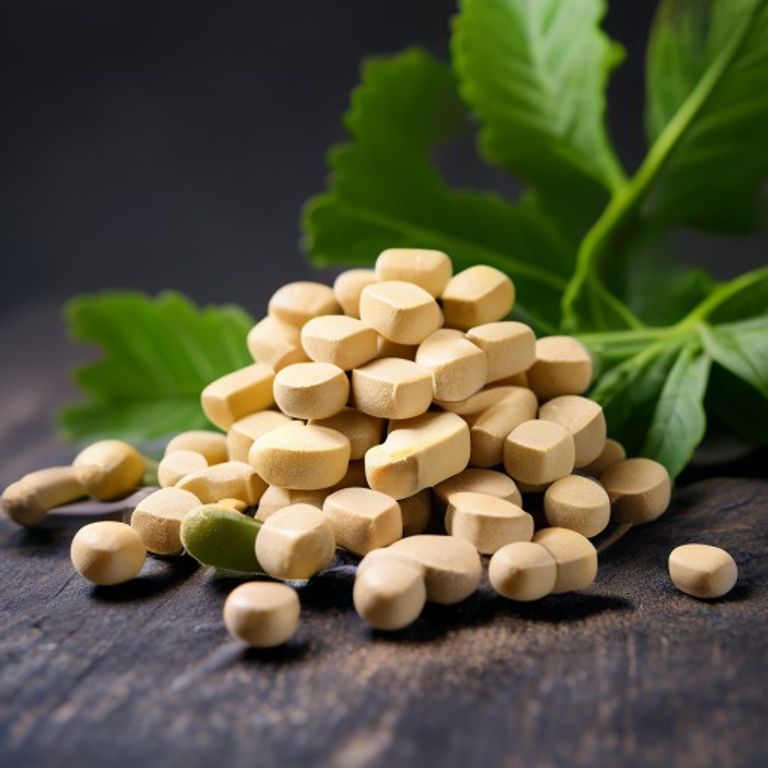
2026 Guide: Organic Ashwagandha Gummies for Supplement Brands
The global adaptogen market continues its exponential trajectory, and as we navigate 2026, ashwagandha (Withania somnifera) remains the undisputed flagship ingredient. However, consumer expectations have evolved dramatically. Today’s discerning buyers are no longer satisfied with simple capsule formats; they demand convenient, palatable, and clean-label delivery systems. This is where organic ashwagandha gummies have carved out a dominant market share. For supplement brands, formulating and sourcing these products requires navigating a complex web of botanical extraction, gummy matrix chemistry, and stringent regulatory compliance. This comprehensive guide, brought to you by NuCoreBio, provides the technical and strategic insights needed to successfully launch or scale your ashwagandha gummy line.
The Market Shift: Why Organic Ashwagandha Gummies Dominate 2026
The transition from pills to gummies is not merely a trend; it is a fundamental shift in supplement consumption behavior. Recent industry data indicates that gummy supplements now account for over 35% of all new dietary supplement launches, with adaptogens leading the functional category. Consumers cite “ease of swallowing,” “taste,” and “enjoyable routine” as the primary drivers of this shift.
Simultaneously, the demand for organic certification has reached a tipping point. A 2025 consumer insights report revealed that 72% of millennial and Gen Z supplement buyers actively seek out the USDA Organic seal. When formulating organic ashwagandha gummies, brands are tapping into two powerful consumer convergences: the desire for stress-relief adaptogens and the demand for clean, pesticide-free, sustainable labels. By combining these attributes, brands can command a premium price point—typically 25% to 40% higher than conventional capsule counterparts—while significantly increasing repeat purchase rates.
Organic Ashwagandha Gummies Extract vs Powder — Supplement Formulation Guide
One of the most critical decisions a product development team must make is the form of the botanical ingredient. The debate over organic ashwagandha gummies extract vs powder — supplement formulation guide principles dictate that the choice directly impacts efficacy, dosage, taste, and gummy texture.
Organic Ashwagandha Root Powder:
- Definition: The raw root of the Withania somnifera plant, dried and milled into a fine powder.
- Withanolide Content: Typically contains 0.3% to 1.5% withanolides naturally.
- Dosage Requirements: Because the active compounds are dilute, effective clinical dosages range from 1,000mg to 6,000mg per serving.
- Gummy Formulation Challenges: Incorporating 1,000mg+ of raw powder into a single 3-gram to 5-gram gummy is technically unfeasible without severely compromising texture. High powder loads result in gritty, chalky, and overly dense gummies. Furthermore, raw ashwagandha powder has an intensely bitter, earthy flavor that is notoriously difficult to mask.
Organic Ashwagandha Extract:
- Definition: The root powder undergoes aqueous or hydro-alcoholic extraction to concentrate the active withanolides, followed by spray drying or vacuum drying.
- Withanolide Content: Standardized extracts typically offer 2.5%, 5%, or even 10% withanolides. NuCoreBio’s flagship organic extract is standardized to 5% withanolides, ensuring high bioavailability.
- Dosage Requirements: Concentrated extracts require much smaller dosages—typically 50mg to 300mg per serving—making them ideal for gummy matrices.
- Gummy Formulation Advantages: The lower required volume preserves the soft, chewy texture of the gummy. Additionally, specialized extracts (like water-soluble extracts) integrate seamlessly into the gummy slurry without graininess.
The Verdict: For organic ashwagandha gummies, a standardized organic extract is unequivocally the superior choice. It allows for clinically efficacious dosing within the physical constraints of a gummy, while significantly reducing the flavor-masking burden.
Technical Formulation Specifications for Gummy Production
Creating a stable, great-tasting gummy requires precise coordination between the active ingredient and the gummy base. When formulating organic ashwagandha gummies, product developers must account for the following specifications:
1. Base Matrix Selection:
- Pectin vs. Gelatin: While gelatin is traditional, pectin is the gold standard for organic, plant-based gummies. Pectin requires a specific pH range (typically 3.0 to 3.5) and Brix level (70-80) to set properly. The acidity required for pectin setting can sometimes react with alkaline botanical extracts, making pH adjustment a critical step during batching.
- Organic Sweeteners: To maintain organic certification, brands must use organic cane sugar, organic tapioca syrup, or organic agave. Allulose and erythritol, while popular in keto products, are not currently permitted under USDA Organic standards. Expect a Brix of 75-78 for standard organic pectin gummies.
2. Flavor Masking and Palatability:
Ashwagandha is inherently bitter and astringent. A successful flavor profile requires a robust masking strategy:
- Bitter Blockers: Utilize natural organic bitter masking agents (e.g., organic gymnema sylvestre extract in micro-doses, or specialized natural flavor masks) to neutralize the withanolides’ astringency.
- Flavor Pairing: Bold, high-impact flavors are required. Organic mixed berry, mango, and citrus blends are highly effective at overwhelming the earthy notes of the adaptogen.
- Cooling Sensation: Incorporating a micro-dose of organic menthol can trick the palate into perceiving a “clean” finish, offsetting the lingering bitter aftertaste.
3. Thermal Stability:
Gummy deposition typically occurs at temperatures between 70°C and 85°C (158°F – 185°F). Withanolides are generally heat-stable within this range for short durations, but prolonged exposure to high heat can lead to degradation. It is recommended to add the organic ashwagandha extract during the cooling phase, once the slurry drops below 65°C, ensuring the withanolide profile remains intact and the potency meets label claims.
Sustainable Organic Ashwagandha Gummies Sourcing — Eco-Conscious Supplement Brands Guide
In 2026, sustainability is no longer a niche marketing angle; it is a baseline expectation. The concept of sustainable organic ashwagandha gummies sourcing — eco-conscious supplement brands guide revolves around traceability, regenerative agriculture, and carbon-conscious logistics.
The Agronomic Challenge:
Ashwagandha is primarily cultivated in India, specifically in the arid regions of Rajasthan and Madhya Pradesh. As global demand has surged, over-farming and improper harvesting techniques have led to soil depletion and reduced withanolide concentrations in conventional crops. For brands looking to produce truly organic ashwagandha gummies, the sourcing of the raw botanical is just as important as the extraction method.
Key Sustainability Metrics to Demand from Your Supplier:
- Regenerative Farming Practices: Partner with suppliers whose farming cooperatives utilize crop rotation, intercropping (e.g., growing ashwagandha alongside legumes to fix nitrogen), and zero-tillage farming. This restores soil microbiomes and sequesters carbon.
- Water Conservation: Ashwagandha is a drought-resistant crop, but processing requires water. Look for extraction facilities that employ closed-loop water systems, reducing water waste by up to 85%.
- Solar-Powered Extraction: The move toward green energy in botanical processing is accelerating. Leading extractors in India are now powering their spray dryers and extraction vessels with solar arrays, significantly reducing the carbon footprint of the extract.
- Fair-Trade Certification: Ensuring that the smallholder farmers harvesting the ashwagandha roots are paid a premium above market rate fosters community resilience and guarantees a high-quality, uncontaminated raw material.
At NuCoreBio, we have integrated these exact principles into our supply chain. Our sustainable sourcing protocol ensures that every kilogram of extract destined for organic ashwagandha gummies is traceable back to the specific farming cooperative, complete with GPS coordinates and soil health reports. This level of transparency allows eco-conscious brands to build verifiable, trust-based marketing narratives.
Quality Control, Testing, and Regulatory Compliance
The supplement industry is under increasing scrutiny from the FDA and global regulatory bodies regarding label claims and ingredient purity. Formulating organic ashwagandha gummies requires rigorous Quality Control (QC) protocols to ensure safety and efficacy.
1. Withanolide Verification:
Label claims must be verified using High-Performance Liquid Chromatography (HPLC). It is critical to test for total withanolides, specifically differentiating between beneficial withanolides (like Withaferin A and Withanolide D) and unwanted marker compounds. Some low-grade extracts are spiked with cheaper Withaferin A to artificially inflate total withanolide counts. A quality extract will have a Withanolide D to Withaferin A ratio that reflects the natural profile of the root.
2. Heavy Metals and Pesticides:
Because ashwagandha is a root crop, it is highly susceptible to absorbing heavy metals (Lead, Arsenic, Cadmium, Mercury) from the soil. This is precisely why organic certification and rigorous soil testing are non-negotiable. Specifications for raw extracts should strictly adhere to Proposition 65 limits and USP standards:
- Lead: < 0.1 ppm
- Arsenic: < 0.1 ppm (Inorganic Arsenic < 0.05 ppm)
- Cadmium: < 0.05 ppm
- Mercury: < 0.01 ppm
3. Microbial Contamination:
The high moisture and sugar content of gummies create an environment susceptible to yeast and mold. Extracts must be tested for total plate count (< 1,000 CFU/g), yeast and mold (< 100 CFU/g), and the absence of pathogens like E. coli and Salmonella. Additionally, the finished gummies must have a water activity (aw) level below 0.65 to ensure shelf stability without the need for synthetic preservatives.
4. Organic Certification Documentation:
From the raw root to the extraction solvents and the final gummy base, every component must have a valid Transaction Certificate (TC) from a USDA-accredited certifying agent (such as QAI, Oregon Tilth, or Ecocert). Any break in the chain of custody invalidates the organic status of the finished organic ashwagandha gummies.
Packaging and Shelf-Life Considerations
Even with perfect formulation, organic ashwagandha gummies can suffer if packaged incorrectly. Gummies are hygroscopic, meaning they absorb moisture from the environment, which can lead to sticking, melting, or microbial growth. Conversely, they can also lose moisture, becoming hard and unpalatable.
Shelf-Life Targets: A standard gummy should have a minimum shelf life of 18 to 24 months from the date of manufacture.
Packaging Recommendations:
- Bottles: PET or HDPE bottles with induction seals and desiccant inserts are the industry standard for maintaining optimal water activity.
- Pouches: Stand-up pouches with zip-lock closures and high-barrier foil liners are gaining popularity for their reduced plastic footprint, though they require rigorous MVTR (Moisture Vapor Transmission Rate) testing to ensure they match the performance of rigid bottles.
- Individual Wrapping: For premium organic ashwagandha gummies, individual wrapping in cellulose-based (compostable) film prevents gummies from sticking together and offers superior dose portability, though it increases per-unit manufacturing costs by approximately 15%.
Why Partner with NuCoreBio for Your Next Gummy Launch
Formulating organic ashwagandha gummies requires more than just mixing ingredients; it demands deep botanical expertise, supply chain mastery, and an unwavering commitment to quality. At NuCoreBio, we specialize in providing premium, certified organic adaptogenic extracts tailored for modern delivery systems.
Whether you are debating the nuances of our organic ashwagandha gummies extract vs powder — supplement formulation guide, or seeking a supplier who aligns with your brand’s commitment to the sustainable organic ashwagandha gummies sourcing — eco-conscious supplement brands guide ethos, NuCoreBio is your definitive partner. Our vertically integrated supply chain, rigorous HPLC testing, and proprietary taste-masking extract powders ensure that your final product delivers on both efficacy and flavor.
By focusing on clinically validated dosages, sustainable sourcing, and technical formulation excellence, your brand can capture the immense potential of the 2026 adaptogen market. Don’t let formulation hurdles or supply chain inconsistencies hold your product back. Partner with an ingredient supplier that understands the science of success. Contact NuCoreBio today to request our organic ashwagandha extract specification sheets, COAs, and formulation consultation. Let’s build the next generation of premium organic ashwagandha gummies together.
What is the typical Minimum Order Quantity (MOQ) for sourcing organic ashwagandha gummies?
For custom-formulated organic ashwagandha gummies, MOQs generally range from 50,000 to 100,000 units (bottles) due to the complexity of pectin formulation and organic flavor masking. If you are purchasing bulk gummy mass for in-house bottling, expect MOQs of 500 to 1,000 kilograms. White-label or stock-formula options can drop the MOQ to as low as 10,000 to 25,000 units, providing a lower barrier to entry for emerging brands.
When comparing organic ashwagandha gummies extract vs powder, supplement formulation guide best practices recommend which format?
In the debate over organic ashwagandha gummies extract vs powder — supplement formulation guide standards heavily favor standardized root extract. Raw ashwagandha powder typically contains less than 1% withanolides and imparts a highly bitter, earthy taste that is notoriously difficult to mask in a gummy base. Instead, formulate with a standardized extract (such as KSM-66® or Sensoril®) which offers a concentrated, clinically backed dose. Look for a specification of ≥5% withanolides for root-only extracts (KSM-66) or ≥10% withanolides for root-and-leaf extracts (Sensoril), allowing for a smaller, palatable dosage per gummy (e.g., 300mg-600mg per 2-gummy serving).
Disclaimer: These statements have not been evaluated by the Food and Drug Administration (FDA). This article is for informational and educational purposes only and does not constitute medical advice, nor is it intended to diagnose, treat, cure, or prevent any disease or health condition. The supplement ingredient referenced herein is not intended for use in the diagnosis, treatment, or prevention of any disease. Always consult with a qualified healthcare professional before using any supplement product. Supplement brands should ensure compliance with all applicable FDA, FTC, and relevant international regulatory requirements before marketing any product.