










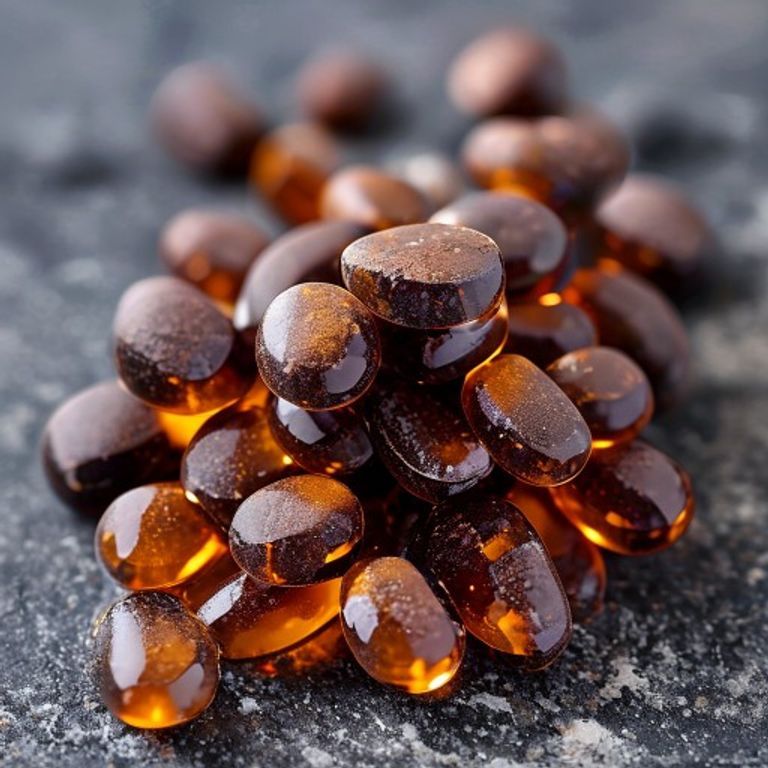
Understanding OEM Berberine Complex Gummy Candy: Market Overview and B2B Opportunities
The global metabolic health supplement sector is experiencing robust expansion, with berberine projected to grow at a 7.8% CAGR through 2028. For brand owners, launching an oem berberine complex gummy candy overcomes the poor solubility of traditional capsules while significantly improving patient compliance. However, formulating a stable, bioavailable gummy requires strict adherence to precise oem berberine complex gummy candy raw material specification for GMP production to mitigate the compound’s inherent formulation challenges.
Key Market Drivers for Gummy Format
- Enhanced Bioavailability: Combining Berberine HCl (assay ≥97% by HPLC) with synergistic carriers like chromium picolinate or alpha-lipoic acid mitigates the alkaloid’s naturally low intestinal permeability.
- Consumer Compliance: Advanced flavor-masking technologies effectively hide the intensely bitter profile of raw berberine, a critical factor for long-term consumer retention.
- Premium Positioning: Multi-targeted complexes (e.g., Berberine + Ceylon Cinnamon + Bitter Melon) command higher retail margins and distinct shelf differentiation.
B2B Formulation and Sourcing Benchmarks
To ensure stability and efficacy, B2B buyers must verify raw material parameters against ISO 17025 accredited lab reports. Critical sourcing specifications include:
- Active Ingredient Purity: Berberine HCl USP grade, ≥97.0% assay via HPLC, with heavy metals strictly limited (<10 ppm lead) and total plate count <1,000 CFU/g.
- Gummy Matrix Compatibility: Pectin-based matrices require precise pH control (3.5–4.0) to prevent alkaloid degradation during hot-melt processing at 85–95°C.
- Moisture and Water Activity: Moisture content must be maintained at 12–15% with a water activity (Aw) below 0.65 to prevent the crystallization of the active complex and ensure a 24-month shelf life.
Partnering with a raw material supplier that provides a verified Certificate of Analysis (CoA) and adheres to cGMP protocols minimizes batch-to-batch variance, ensuring your finished gummy consistently meets regulatory thresholds.
Berberine as a Functional Ingredient: Bioavailability and Formulation Considerations
Berberine is a isoquinoline alkaloid extracted from Berberis vulgaris, Coptis chinensis, and related botanical sources. For OEM berberine complex gummy candy production, the standardized form is berberine hydrochloride (Berberine HCl), which must meet 97-98% purity specifications on a dried basis. High-performance liquid chromatography (HPLC) with UV detection at 345nm serves as the primary identification and quantification method per United States Pharmacopeia (USP) guidelines.
Critical Quality Specifications for GMP Production
When qualifying berberine HCl for gummy manufacturing, specify the following parameters on Certificates of Analysis (CoA):
- Purity (HPLC): ≥97% berberine HCl on dried basis
- Loss on Drying: ≤5.0%
- Heavy Metals: Lead ≤1.0 ppm, Arsenic ≤1.5 ppm, Cadmium ≤0.3 ppm, Mercury ≤0.1 ppm
- Microbial Limits: Total Aerobic Plate Count ≤10,000 CFU/g; Yeast & Mold ≤300 CFU/g; E. coli and Salmonella: Absent
- Particle Size: D90 ≤50μm preferred for uniform gummy distribution
Bioavailability Constraints in Gummy Delivery Systems
Berberine’s inherent oral bioavailability of 0.5-1% presents the most significant formulation challenge for OEM berberine complex gummy candy manufacturers. This low bioavailability results from poor intestinal absorption, P-glycoprotein efflux transport, and rapid first-pass metabolism. Additionally, berberine demonstrates pH-dependent solubility—while soluble in acidic conditions (optimal at pH <3), solubility decreases substantially in neutral to slightly alkaline environments typical of intestinal fluid.
Temperature sensitivity compounds formulation complexity. Berberine HCl shows degradation above 60°C, limiting processing temperatures for gelatin or pectin-based gummy matrices. Formulation strategies to improve bioavailability include incorporating absorption enhancers (e.g., piperine at 0.5-2% or phospholipid complexes), using lipid-based delivery systems, or combining with synergistic compounds such as alpha-lipoic acid or chromium. These approaches address the bioavailability gap while maintaining the consumer-preferred gummy delivery format.
Novel Food Grade Compliance: EU Regulatory Requirements for Berberine-Infused Supplements
Under Regulation (EU) 2015/2283, berberine is classified as a Novel Food, requiring strict pre-market authorization before an oem berberine complex gummy candy can be legally manufactured or distributed across European markets. Sourcing partners must provide a fully documented safety dossier, including 90-day subchronic toxicity studies, in-vitro genotoxicity data, and ADME (Absorption, Distribution, Metabolism, and Excretion) profiles. Without a validated Novel Food application, EU customs authorities will block imports, making regulatory alignment as critical as the formulation itself.
Technical Dossier Requirements and Raw Material Specifications
To satisfy EFSA (European Food Safety Authority) scrutiny, the oem berberine complex gummy candy raw material specification for GMP production must include exhaustive characterization of the active constituent. Suppliers must guarantee berberine hydrochloride purity of ≥97% verified via High-Performance Liquid Chromatography (HPLC). Furthermore, every Certificate of Analysis (CoA) must align with USP monograph standards and be issued by an ISO 17025 accredited laboratory to ensure data integrity for regulatory submissions.
When compiling your Novel Food dossier, ensure your ingredient supplier provides the following validated specification parameters:
- Heavy Metal Limits: Lead (<0.5 ppm), Arsenic (<0.5 ppm), Cadmium (<0.2 ppm), Mercury (<0.1 ppm) strictly adhering to EU Commission Regulation 2023/915.
- Microbial Contamination: Total aerobic plate count <1,000 CFU/g; confirmed absence of E. coli, Salmonella, and Staphylococcus aureus in 10g samples.
- Residual Solvents: Full compliance with ICH Q3C guidelines, specifically tracking methanol (<3,000 ppm) and ethanol (<5,000 ppm) used during botanical extraction.
- Pesticide Residues: Multi-residue screening for 470+ substances in accordance with Regulation (EC) No 396/2005, ensuring maximum residue limits (MRLs) are not exceeded.
Formulating a compliant gummy matrix requires ensuring the berberine extract does not degrade during the pectin or gelatin cooking phase, which typically operates at 75–85°C. B2B buyers must request thermal stability data and accelerated shelf-life studies (e.g., 40°C/75% RH for 6 months) from their contract manufacturer. This guarantees the final product meets both GMP production standards and the exact bioactive concentration claims outlined in the approved Novel Food dossier, preventing costly batch rejections or regulatory non-compliance.
GMP Manufacturing Standards for Functional Gummy Candy Production
Manufacturing oem berberine complex gummy candy requires strict adherence to cGMP (Current Good Manufacturing Practice) protocols established under 21 CFR Part 111. Unlike traditional tablet or capsule production, gummy manufacturing presents unique stability and homogeneity challenges that demand specialized quality control measures.
Critical GMP Control Points for Gummy Production
Facilities producing functional gummies must maintain environmental controls that differ from standard supplement manufacturing:
- Temperature and humidity control: Production areas must maintain 18-22°C with relative humidity below 45% to prevent gummy deformation and active ingredient degradation
- Cross-contamination prevention: Dedicated mixing vessels and depositing equipment are mandatory when processing berberine HCl, which has a characteristic yellow pigmentation that can transfer between batches
- In-process testing frequency: Weight variation checks every 30 minutes during depositing, with acceptance criteria of ±5% of target weight per unit
- Homogeneity verification: Blend uniformity testing using HPLC analysis at beginning, middle, and end of each production run to ensure berberine distribution meets USP <905> content uniformity requirements
Raw Material Specification Integration with GMP Protocols
The oem berberine complex gummy candy raw material specification for GMP production must include identity testing requirements that align with facility capabilities. Berberine HCl raw material should undergo identity confirmation via FTIR spectroscopy and HPLC assay verification showing ≥97% purity before release to production.
Qualifying manufacturers should maintain ISO 17025-accredited laboratory capabilities for in-house testing, reducing CoA verification turnaround from 5-7 days to 24-48 hours. Third-party testing partners must provide certificates of analysis documenting:
- Heavy metals: Lead <0.5 ppm, Arsenic <1.0 ppm, Cadmium <0.3 ppm, Mercury <0.1 ppm (Prop 65 compliant)
- Microbial limits: Total plate count <1,000 CFU/g, yeast and mold <100 CFU/g, negative for E. coli and Salmonella
- Residual solvents: Meeting USP <467> requirements for Class 1, 2, and 3 solvents
Documentation and Traceability Requirements
Batch record documentation for oem berberine complex gummy candy must capture complete traceability from raw material lot numbers through finished product packaging. Electronic batch record systems should integrate with LIMS (Laboratory Information Management Systems) to provide real-time CoA generation and specification compliance tracking.
Quality Control and Testing Protocols for Berberine Complex Gummies
Manufacturing an oem berberine complex gummy candy requires stringent quality control to mitigate the inherent stability challenges of gummy matrices. Unlike encapsulated powders, gummies introduce heat, moisture, and gelatin or pectin interactions that can degrade active botanical compounds. To ensure batch-to-batch consistency, B2B buyers must mandate a multi-tiered testing protocol aligned with cGMP standards.
Raw Material Identity and Potency Verification
The foundation of reliable manufacturing begins with the oem berberine complex gummy candy raw material specification for GMP production. Suppliers must provide a Certificate of Analysis (CoA) confirming botanical identity via HPLC fingerprinting. Berberine HCl extract should assay between 97.0% and 103.0% purity against USP reference standards. Additionally, incoming raw materials require screening for specific adulterants, including berberine-free substitutes like Oregon grape or goldenseal fillers.
- Heavy Metals: Lead (<1.0 ppm), cadmium (<0.3 ppm), arsenic (<0.2 ppm), and mercury (<0.1 ppm) tested via ICP-MS.
- Microbial Limits: Total aerobic count (<1,000 CFU/g), yeast and mold (<100 CFU/g), and confirmed absence of Salmonella, E. coli, and S. aureus per USP <61> and <62>.
- Pesticide Residues: Strict compliance with USP <561> for 66 specific agricultural residues.
In-Process and Finished Product Testing
Gummy production introduces unique physical and chemical variables. During compounding, refractometry must monitor Brix levels (typically 75–82%) to prevent syrup crystallization or excess moisture, which accelerates berberine degradation. Finished oem berberine complex gummy candy batches require weight variation testing within ±5% of the target mass.
- HPLC Potency Confirmation: Post-processing verification that berberine content meets the claimed label dosage (e.g., 500mg per serving) despite heat exposure during starch molding (typically 65–70°C), utilizing a validated UV detector at 350–360nm.
- Water Activity (Aw): Must be restricted to <0.65 Aw to prevent microbial proliferation without requiring synthetic preservatives.
- Third-Party Verification: Final release CoAs must be generated by ISO 17025 accredited laboratories to ensure legal defensibility and regulatory compliance for domestic and international distribution.
B2B Supplier Evaluation Framework and Regulatory Compliance Verification
Selecting a qualified raw material supplier for oem berberine complex gummy candy manufacturing requires a systematic evaluation protocol that goes beyond pricing considerations. Product manufacturers must verify that every incoming batch meets oem berberine complex gummy candy raw material specification for GMP production standards before release to production lines.
Essential Documentation and Certification Requirements
Qualified suppliers must maintain current certifications and provide documentation within 24-48 hours upon request. The minimum acceptable framework includes:
- cGMP certification with most recent FDA inspection report (Form 483 response documentation if applicable)
- ISO 17025 accreditation for in-house analytical testing laboratories
- USP or FCC monograph compliance for berberine HCl raw material specifications (≥97% purity by HPLC)
- NSF/ANSI 455-2 certification for dietary supplement GMP manufacturing
- Non-GMO Project verification and allergen-free facility documentation (if required by finished product specifications)
Raw Material Specification Verification Protocol
For berberine HCl used in gummy formulations, require suppliers to provide Certificate of Analysis (CoA) documentation with the following validated specifications: assay potency 97.0-103.0% by HPLC, heavy metals (<10 ppm lead, <2 ppm arsenic, <1 ppm cadmium, <0.1 ppm mercury per USP <232>), residual solvents meeting ICH Q3C limits, and microbiological limits per USP <2021> (total aerobic count <1,000 CFU/g, absence of E. coli, Salmonella, and S. aureus).
Supplier Audit and Ongoing Quality Monitoring
Conduct initial on-site audits evaluating warehouse conditions (temperature-controlled storage at 15-25°C, <65% RH), quarantine procedures, and batch record traceability systems. Implement a rolling qualification program with annual re-audits and quarterly CoA verification. Establish reject thresholds: more than 2 out-of-specification (OOS) results within a 12-month period triggers automatic supplier suspension and root cause analysis review.
Require suppliers to maintain retain samples for minimum 3 years beyond expiration dating and provide stability data supporting 24-month shelf life claims for finished oem berberine complex gummy candy products under ICH accelerated conditions (40°C/75% RH for 6 months).
Conclusion: Strategic Sourcing Recommendations for 2026
As demand for metabolic health supplements accelerates, securing high-purity berberine HCl (≥97% by HPLC) from ISO 17025-accredited laboratories is non-negotiable. For brands formulating an oem berberine complex gummy candy, mitigating the inherent bitterness of berberine while maintaining active payload requires specialized pectin-based encapsulation technologies. Supply chain resilience in 2026 hinges on partnering with suppliers who provide transparent, batch-specific Certificates of Analysis (CoA) validating heavy metal limits (<0.1 ppm for lead) and microbial counts per USP <2021>.
To ensure compliance and product efficacy, buyers must enforce strict oem berberine complex gummy candy raw material specification for GMP production standards across their manufacturing pipeline. Key sourcing actions include:
- Verify Raw Material Origin: Source Coptis chinensis extract with verified alkaloid profiles (berberine, palmatine, jatrorrhizine) to ensure clinical efficacy.
- Demand Advanced Testing: Require HPLC fingerprinting and stability testing (accelerated 40°C/75% RH for 6 months) to guarantee gummy integrity and label claim accuracy.
- Consolidate Supply: Align with vertically integrated suppliers offering both active ingredients and gummy base matrices to reduce lead times by up to 30%.
“`html
Frequently Asked Questions: OEM Berberine Complex Gummy Candy Sourcing
What is the typical MOQ for OEM berberine complex gummy candy manufacturing orders?
Minimum Order Quantities (MOQ) for OEM berberine complex gummy candy production typically range from 50,000 to 300,000 units per SKU for standard formulations. For custom formulations requiring new mold development, expect MOQs of 500,000+ units. Raw material orders for berberine HCl typically require 25-50 kg minimums from reputable suppliers. Some manufacturers offer “pilot run” options at 10,000-30,000 units for new product validation, though unit costs increase 40-60% at these lower volumes.
What purity specifications should I require for berberine HCl raw material in GMP production?
For OEM berberine complex gummy candy raw material specification for GMP production, require berberine HCl with minimum 97% purity by HPLC. Critical specifications include:
- Berberine content: ≥97% (USP/NF standard)
- Heavy metals: Lead ≤3 ppm, Arsenic ≤2 ppm, Cadmium ≤1 ppm, Mercury ≤0.1 ppm
- Residual solvents: Must meet ICH Q3C guidelines
- Microbial limits: Total plate count ≤1,000 CFU/g, E. coli negative, Salmonella negative
- Loss on drying: ≤12%
Request Certificates of Analysis (CoA) from ISO 17025-accredited laboratories for each batch.
What stability and storage conditions are required for berberine raw materials?
Berberine HCl raw material requires controlled storage conditions to maintain potency throughout the typical 24-36 month shelf life. Specifications include:
- Temperature: 15-25°C (59-77°F), protected from heat
- Humidity: Relative humidity ≤60%, moisture-sensitive material
- Light protection: Store in amber containers or opaque packaging; berberine degrades under UV exposure
- Container: HDPE drums with double polyethylene liners, tamper-evident seals
For finished OEM berberine complex gummy candy, accelerated stability testing (40°C/75% RH for 6 months) is required per ICH Q1A guidelines to establish shelf life claims.
What third-party testing and certifications should I verify from berberine suppliers?
Require the following certifications and testing documentation from berberine raw material suppliers:
- GMP Certification: cGMP compliant facility (FDA 21 CFR 111 for dietary supplements)
- ISO Certification: ISO 9001:2015 (quality management) and ISO 22000 (food safety)
- Identity Testing: HPLC fingerprint matching to USP reference standard
- Potency Verification: Independent lab confirmation (NSF, USP, or ISO 17025-accredited)
- Contaminant Testing: Full panel heavy metals (ICP-MS), pesticide residue (GC-MS/LC-MS), mycotoxins
Suppliers should provide batch-specific CoAs with retain samples held for minimum 3 years post-expiration. Audit supplier facilities every 2 years or require third-party audit reports (NSF, SGS, or BRC).
What is the typical pricing structure for berberine HCl and OEM gummy manufacturing?
Pricing for OEM berberine complex gummy candy projects varies based on volume, formulation complexity, and customization level:
- Berberine HCl raw material: $180-350/kg depending on purity (97% vs. 98%+), volume, and source (synthetic vs. botanical extraction)
- Gummy manufacturing: $0.08-0.15 per unit for standard 2-3g gummies at 100,000+ unit volumes
- Mold development: $8,000-25,000 one-time NRE for custom shapes
- Packaging: $0.02-0.08 per unit depending on bottle type, label complexity, and secondary packaging
Volume discounts typically apply at 500kg+ raw material orders (10-15% reduction) and 500,000+ unit production runs (8-12% reduction). Request itemized cost breakdowns separating raw materials, labor, packaging, and overhead for transparent pricing comparison.
What berberine dosage is standard for gummy formulations, and are there regulatory considerations?
Standard berberine content in OEM berberine complex gummy candy formulations:
- Typical dosage per gummy: 100-150mg berberine HCl (delivering 75-112mg elemental berberine)
- Serving size: 2-3 gummies daily, providing 200-450mg total berberine HCl
- Complex formulations: Often combined with chromium picolinate (200-400mcg), bitter melon extract (100-200mg), or cinnamon bark extract (50-100mg) for metabolic support blends
Regulatory considerations: Berberine is regulated as a dietary supplement ingredient in the US (not GRAS for conventional foods). Ensure Structure-Function claims comply with 21 CFR 101.93. Avoid drug claims referencing blood sugar management or disease treatment. NDIN (New Dietary Ingredient Notification) may be required if supplier cannot demonstrate pre-1994 market presence.
How do I verify supplier capability for berberine gummy manufacturing and ensure consistent quality?
Conduct comprehensive supplier verification for OEM berberine complex gummy candy raw material specification for GMP production:
- Disclaimer: These statements have not been evaluated by the Food and Drug Administration (FDA). This article is for informational and educational purposes only and does not constitute medical advice, nor is it intended to diagnose, treat, cure, or prevent any disease or health condition. The supplement ingredient referenced herein is not intended for use in the diagnosis, treatment, or prevention of any disease. Always consult with a qualified healthcare professional before using any supplement product. Supplement brands should ensure compliance with all applicable FDA, FTC, and relevant international regulatory requirements before marketing any product.