










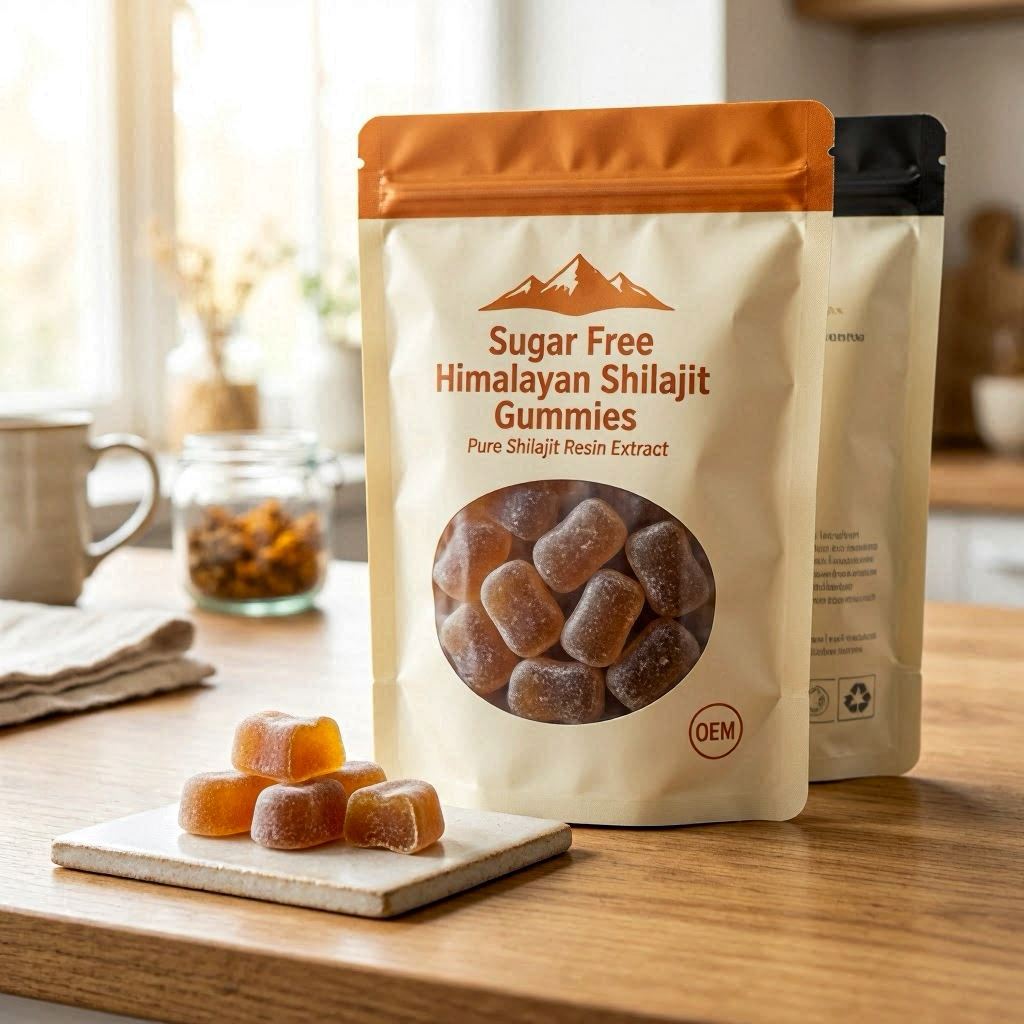
Why Amazon FBA Compliance Matters for Pure NMN Gummies Manufacturing
The global supplement market is shifting toward convenient, consumer-friendly formats, and gummies have emerged as one of the fastest-growing delivery systems for active ingredients. Among the most promising compounds in this space is Nicotinamide Mononucleotide (NMN), a precursor to NAD+ that has captured significant attention in the longevity and cellular health segments. For brands selling through Amazon, finding an Amazon FBA compliant pure NMN gummies manufacturer is not merely a sourcing preference—it is a strategic requirement that determines whether a product can enter the warehouse, reach the customer, and remain in compliance with platform policies.
Amazon FBA compliance touches every layer of the supply chain: labeling accuracy, ingredient disclosure, packaging dimensions, weight restrictions, shipment prep, and adherence to federal regulations around dietary supplements. A manufacturer that understands these requirements can save brand owners months of rework, rejected shipments, and lost listing privileges. This article explores the science behind NMN, the market forces driving demand, the formulation and manufacturing considerations that define quality, and what B2B buyers should look for when selecting a manufacturer capable of producing Amazon FBA compliant pure NMN gummies.
The Science Behind NMN and NAD+
Nicotinamide Mononucleotide is a nucleotide derived from ribose and nicotinamide. It functions as a direct precursor to Nicotinamide Adenine Dinucleotide (NAD+), a coenzyme present in every living cell and essential for energy metabolism, DNA repair, mitochondrial function, and the activation of sirtuins, a family of proteins associated with healthy aging. NAD+ levels decline naturally with age—research suggests that by middle age, NAD+ concentrations may be roughly half of what they were in youth. This decline has been linked to reduced cellular repair capacity, slower metabolism, and diminished mitochondrial performance.
NMN supplements the NAD+ biosynthesis pathway through the salvage pathway. Once absorbed, NMN is converted into NAD+, which then participates in redox reactions that generate ATP and support cellular repair mechanisms. The rationale for using NMN rather than direct NAD+ supplementation is that NAD+ itself is unstable and poorly absorbed through the gastrointestinal tract when taken orally. NMN, by contrast, is smaller and more bioavailable, making it a practical vehicle for raising NAD+ levels.
Typical adult serving sizes in finished products range from 250 mg to 500 mg per serving, with some formulations targeting higher-dose regimens at 1000 mg. These dosages are generally informed by preclinical and early human studies, though brand owners should ensure that claims stay within the boundaries of DSHEA and avoid disease-treatment language. A reputable Amazon FBA compliant pure NMN gummies manufacturer will assist with compliant label structure, structure-function claims, and substantiation documentation.
Market Trends and Demand Data
The global NMN market has expanded rapidly over the past five years. Industry reports estimate the NMN supplement market at approximately USD 470 million in 2024, with projected compound annual growth rates between 8.5% and 11.2% through 2030. Growth is being driven by aging populations, increased consumer awareness of longevity science, and the broader wellness market’s appetite for cellular health products. North America and Asia-Pacific represent the two largest consumer bases, with Europe showing accelerating demand as regulatory frameworks around novel food ingredients become clearer.
Gummy-format supplements have outpaced the overall dietary supplement category in many regions. In the United States, gummy vitamins and supplements grew at a CAGR of roughly 12% between 2020 and 2024, compared to approximately 5% for capsules and tablets. The format appeals to adult consumers who prefer chewable products over pill regimens, and it has proven especially popular in the premium anti-aging category where daily adherence is critical.
Amazon remains one of the dominant channels for NMN supplement distribution. For brands, the FBA model offers Prime eligibility, reduced logistics complexity, and access to Amazon’s fulfillment infrastructure. However, the platform enforces strict requirements around dietary supplement quality, packaging, and labeling. Working with a manufacturer that has already shipped Amazon FBA compliant pure NMN gummies simplifies onboarding, reduces inspection risk, and improves speed-to-market.
Manufacturing Considerations: Formulation, Stability, and Bioavailability
Producing high-quality NMN gummies requires more than mixing active ingredient into a candy base. NMN is hygroscopic and can degrade under heat, moisture, and improper pH conditions. Stability testing is therefore one of the most important steps in product development. Manufacturers must control temperature during mixing, gelling, and drying to prevent degradation. Common gel bases include gelatin and pectin, with pectin-based formulations being preferred for vegetarian and vegan-positioned products.
The manufacturing process generally involves:
- Dispersion and dissolution of NMN in the aqueous phase
- Addition of gelling agents, sweeteners, flavors, and colors
- Cooking or pasteurization at controlled temperatures
- Molding and cooling
- Coating or sanding to reduce stickiness
- Packaging with moisture barriers and desiccants
Bioavailability is another critical factor. NMN is water-soluble, which helps absorption compared to some fat-soluble actives, but the gummy matrix can influence release kinetics. Manufacturers may use techniques such as micronization, enteric-compatible coatings, or co-formulation with absorption enhancers like resveratrol or piperine. The choice of formulation partner should be based on demonstrated capability to deliver consistent assay values, uniform distribution of active ingredient across the batch, and validated shelf-life data.
Taste masking is a practical challenge for NMN gummies. Pure NMN has a slightly acidic or bitter profile that can carry through into finished product. Experienced manufacturers use natural fruit flavors, acidulants like citric acid or malic acid, and bitterness blockers to create a pleasant taste without masking efficacy. pH adjustment also affects stability, so flavor development and stability testing must proceed in parallel.
OEM and ODM Benefits for Brand Owners
For brands entering the NMN gummy space, OEM and ODM manufacturing models offer distinct advantages. OEM, or Original Equipment Manufacturing, allows the brand to provide its own formula, specifications, and packaging design while the manufacturer handles production. ODM, or Original Design Manufacturing, provides a faster path: the manufacturer offers an existing, validated formula that the brand can customize with its own label, flavor, or packaging.
One of the most attractive features for emerging brands is the availability of low minimum order quantities (MOQs). Many contract manufacturers now offer MOQs starting at 1,000 to 3,000 bottles, which allows brands to test market response without committing to a large inventory. For Amazon sellers, this is particularly valuable because excess inventory ties up capital and incurs long-term storage fees. A flexible Amazon FBA compliant pure NMN gummies manufacturer can scale from pilot runs to high-volume production as demand grows.
Customization is another major benefit. B2B buyers can select from a wide range of options:
- Gummy shape, color, and flavor
- Active dosage per serving
- Co-ingredients such as resveratrol, quercetin, or vitamin B3
- Bottle counts, typically 30, 60, or 90 servings
- Label design, structure-function claims, and multilingual packaging
- Certifications such as vegan, non-GMO, organic, halal, or kosher
Speed-to-market is often the deciding factor. A well-equipped manufacturer can move a brand from concept to finished Amazon-ready shipment in 8 to 14 weeks, depending on formula complexity and packaging lead times. This includes formula development, sample approval, production, quality testing, and shipment preparation aligned with FBA inbound requirements.
Quality Assurance: GMP, Testing, and Documentation
Quality assurance is the foundation of any supplement product destined for Amazon FBA. The first non-negotiable is current Good Manufacturing Practice (cGMP) certification. In the United States, dietary supplement manufacturers must comply with 21 CFR Part 111, which covers quality control, personnel, facilities, equipment, production, and laboratory testing. A compliant manufacturer maintains written procedures, batch records, and deviation logs.
Third-party testing adds another layer of credibility. Buyers should request Certificates of Analysis (COAs) for every batch, verifying identity, potency, purity, and microbial limits. High-performance liquid chromatography (HPLC) is the standard analytical method for quantifying NMN content and confirming purity, typically expressed as 98% or higher. Additional testing should include:
- Heavy metals screening (lead, cadmium, arsenic, mercury)
- Microbial testing (total plate count, yeast, mold, E. coli, Salmonella)
- Residual solvent testing
- Stability testing under accelerated and real-time conditions
For Amazon-specific compliance, product labels must include a Supplement Facts panel, ingredient list, net quantity, serving size, manufacturer or distributor contact information, and any required allergen statements. Labels must not make disease claims, must not use unsubstantiated marketing language, and must accurately reflect the contents of the bottle. Many Amazon FBA compliant pure NMN gummies manufacturers offer regulatory review as part of their service package to help brands avoid listing suppression or policy violations.
Documentation transparency matters for B2B buyers. A reliable supplier should provide access to raw material specifications, manufacturing batch records, stability protocols, and audit reports. These documents become especially important during Amazon compliance reviews, customs inspections, and customer dispute resolution.
Gummies vs Capsules vs Powder: Format Comparison
Choosing between gummies, capsules, and powders depends on the target consumer, price positioning, and manufacturing logistics. Each format has distinct advantages and trade-offs.
Gummies offer the best consumer experience for taste and convenience. They are pre-dosed, portable, and require no water or measuring. However, gummies typically contain more excipients—sweeteners, flavors, and gelling agents—than capsules or powders. They are also more sensitive to heat and humidity, which matters for FBA storage and summer shipping. Gummies are best suited to brands targeting daily wellness consumers and repeat subscriptions.
Capsules provide the cleanest label option, with minimal excipients and excellent stability. They are cost-efficient to manufacture and easy to standardize for high-dose products. Hard capsules are generally preferred for consumers who prioritize simplicity and efficacy over taste. For Amazon sellers, capsules are lightweight and less sensitive to temperature fluctuations, making them a reliable fulfillment option.
Powders offer maximum dosage flexibility and the lowest cost per gram of active ingredient. They appeal to biohackers and consumers who want to customize their intake. The downside is that powders require measuring, may taste unpleasant, and are less convenient for travel. Powder packaging also requires precise filling and moisture protection.
From a manufacturing perspective, gummies require the most specialized equipment and formulation expertise. The gummy process involves heating, molding, and moisture control, and small formulation errors can lead to texture problems, stickiness, or inconsistent active distribution. For these reasons, brands seeking gummies should prioritize manufacturers with dedicated gummy production lines and proven experience in NMN stability.
Frequently Asked Questions
What does Amazon FBA compliant mean for NMN gummies?
Amazon FBA compliance means the product meets Amazon’s requirements for inbound shipment, storage, labeling, and sale through its fulfillment network. For NMN gummies, this includes accurate product dimensions, proper labeling with Supplement Facts and ingredient disclosures, child-resistant or standard closures as appropriate, and adherence to Amazon’s dietary supplement policies. It also means avoiding restricted claims and ensuring the product is legal for sale in the destination marketplace.
How is pure NMN different from NMN blends?
Pure NMN refers to a product in which the active form of Nicotinamide Mononucleotide is the primary ingredient, typically standardized to a high purity level such as 98% or 99% by HPLC. Blends, by contrast, may combine NMN with other actives like resveratrol, quercetin, or vitamin B complex. Pure NMN products are easier to standardize for potency claims, while blends may offer additional marketing angles and synergistic positioning.
What should a B2B buyer look for in a manufacturer?
Buyers should evaluate cGMP certification, experience with NMN specifically, in-house or third-party analytical testing, low and scalable MOQ options, flavor and formulation development capabilities, and demonstrated familiarity with Amazon FBA requirements. The manufacturer should also provide regulatory label support, COAs, and stability documentation.
What are typical MOQs for NMN gummies?
MOQs vary by manufacturer and packaging configuration, but many contract suppliers offer entry points between 1,000 and 3,000 units. Pilot runs of 500 to 1,000 units may be available for new brands or product testing. Higher-volume production often starts at 10,000 units or more. Buyers should match MOQ with realistic Amazon sales velocity to avoid overstocking and long-term storage fees.
What certifications should an NMN gummies manufacturer have?
At minimum, the facility should be cGMP compliant and FDA-registered for dietary supplement manufacturing. Additional certifications may include ISO 9001, HACCP, third-party HPLC testing, non-GMO verification, vegan or vegetarian certification, halal, kosher, and organic certification if applicable. These certifications support label claims and strengthen consumer trust.
How is the stability of NMN gummies protected?
Stability is protected through moisture-controlled production environments, oxygen-barrier packaging, desiccant inserts, and validated formulation pH. Stability studies should be conducted under both accelerated and real-time conditions to establish shelf life and storage recommendations. Refrigeration is generally not required for finished NMN gummies, but cool, dry storage is recommended.
Can NMN gummies be made with organic or clean-label ingredients?
Yes. Many manufacturers offer organic sweeteners, natural flavors, plant-based colors, and pectin-based gelling systems. Clean-label formulations are increasingly popular with premium Amazon consumers, though they may require careful formulation to maintain stability, taste, and texture. The trade-off is usually higher ingredient cost and shorter shelf life compared to conventional formulations.
What labeling issues commonly cause problems on Amazon?
Common issues include disease claims, misleading potency comparisons, missing Supplement Facts panels, incorrect serving sizes, unverified certifications, and unsupported health claims. Amazon may suppress listings, require documentation, or suspend selling privileges for non-compliance. A manufacturer with regulatory experience can review labels before production to prevent these issues.
Conclusion
The market for NMN supplements continues to grow, and gummies represent one of the most compelling formats for reaching mainstream wellness consumers. For brands planning to sell through Amazon, the choice of manufacturer has a direct impact on compliance risk, product quality, and speed-to-market. An Amazon FBA compliant pure NMN gummies manufacturer provides more than production capacity—it offers regulatory guidance, stability assurance, documentation support, and logistics alignment.
B2B buyers should prioritize partners with proven NMN formulation experience, cGMP certification, transparent testing protocols, and flexible MOQs that match their launch strategy. By focusing on science-backed formulation, compliant labeling, and high manufacturing standards, brands can build a sustainable product that performs well in both the warehouse and the marketplace.
Disclaimer: These statements have not been evaluated by the Food and Drug Administration. This product is not intended to diagnose, treat, cure, or prevent any disease. The information provided in this article is for educational and informational purposes only and does not constitute medical advice. Always consult with a qualified healthcare professional before starting any supplement regimen.