










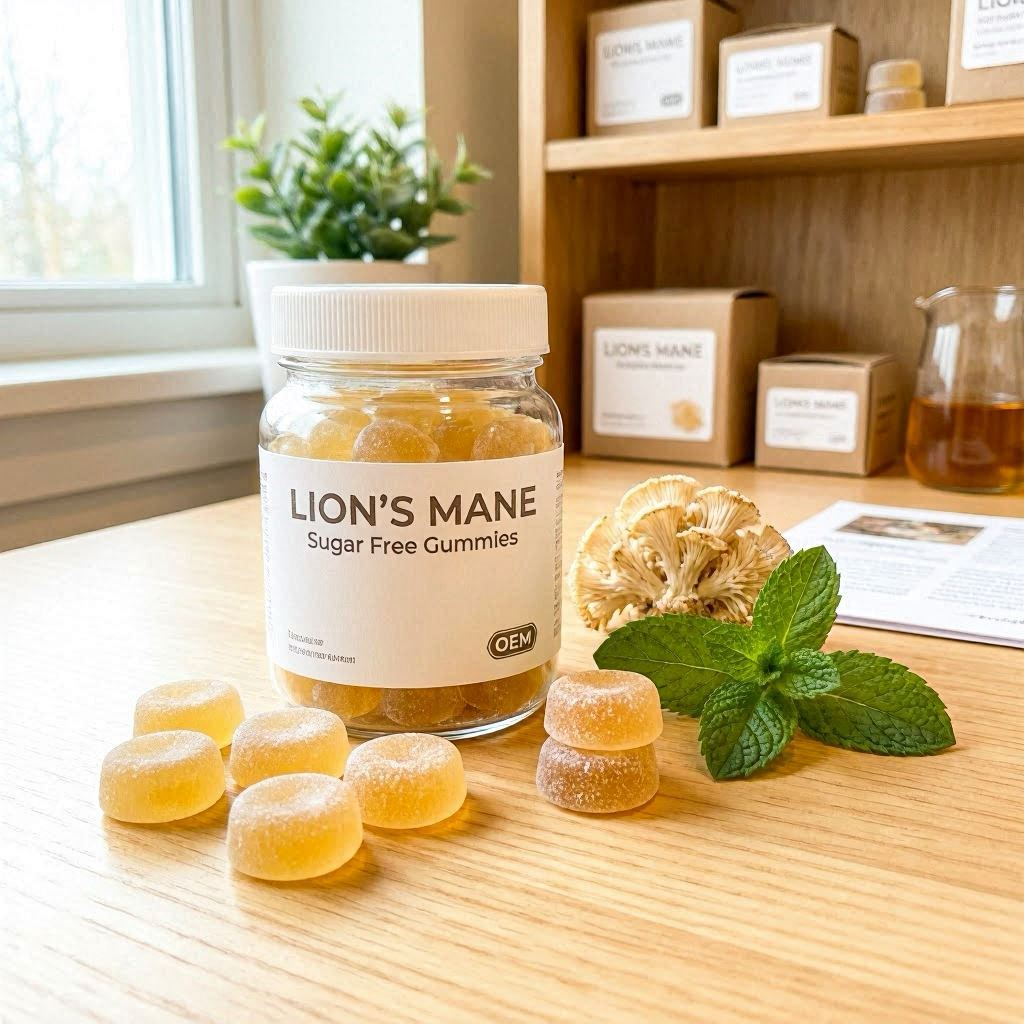
The Rising Demand for Magnesium Glycinate Gummies in the Amazon FBA Ecosystem
The dietary supplement market has undergone a seismic shift in the past five years, with gummy-based delivery formats emerging as the fastest-growing product category across major e-commerce platforms. Within this landscape, magnesium glycinate gummies have carved out a particularly lucrative niche, driven by increasing consumer awareness of magnesium deficiency and the superior bioavailability of the glycinate form. For brand owners and private label entrepreneurs targeting the Amazon marketplace, understanding the manufacturing requirements and compliance standards for these products is not just a regulatory necessity—it is a competitive differentiator that can determine marketplace success or failure.
The intersection of Amazon FBA (Fulfillment by Amazon) requirements and dietary supplement manufacturing creates a complex web of considerations that many first-time brand owners underestimate. Amazon’s enhanced compliance protocols for dietary supplements, implemented in response to FDA oversight and consumer safety concerns, require manufacturers to provide extensive documentation including Certificate of Analysis (COA), Good Manufacturing Practice (GMP) certification, and proof of third-party testing. These requirements, while initially burdensome, ultimately protect both consumers and legitimate brand owners from substandard or adulterated products that have historically plagued the supplement industry.
Magnesium glycinate, also known as magnesium bisglycinate, consists of magnesium chelated to two glycine molecules. This chelation process creates a highly bioavailable form of magnesium that is less likely to cause the gastrointestinal distress commonly associated with other magnesium salts such as magnesium oxide or magnesium citrate. The glycinate form boasts an absorption rate estimated at 80-90% depending on individual digestive health, compared to approximately 4% for magnesium oxide. This superior bioavailability translates directly into consumer satisfaction and repeat purchase behavior—two metrics that heavily influence Amazon’s algorithm-driven product rankings and advertising cost efficiency.
The gummy format presents unique formulation challenges that distinguish it from traditional capsule or tablet manufacturing. Achieving effective magnesium delivery through a gummy matrix requires sophisticated homogenization techniques, precise pH control during the cooking process, and strategic use of stabilizing agents to prevent magnesium precipitation or crystallization during shelf life. Manufacturers must also address the inherent reactivity of magnesium ions with common gummy ingredients such as citric acid, pectin, and gelatin, which can lead to texture degradation, syneresis (weeping), and off-flavor development if not properly managed through formulation science.
Market Dynamics and Consumer Demand Patterns for Magnesium Supplements
The global magnesium supplement market reached an estimated valuation of $1.8 billion in 2024, with projections indicating a compound annual growth rate (CAGR) of 7.2% through 2030. Within this broader market, the gummy segment has demonstrated disproportionate growth, capturing an increasing share of total magnesium supplement sales year over year. Market research indicates that gummy vitamins and supplements now account for approximately 22% of the total dietary supplement market by value, with the format particularly dominant in the 25-45 age demographic that constitutes the core of Amazon’s active customer base.
Several converging factors drive this demand trajectory. First, the post-pandemic focus on immune health and stress management has elevated magnesium from a niche mineral supplement to a mainstream wellness staple. Magnesium glycinate, specifically, has gained prominence due to its calming properties and role in supporting healthy sleep patterns—benefits that resonate strongly with consumers managing work-related stress and sleep disruption. Second, the gummy delivery format has successfully bridged the gap for supplement-consumption-averse demographics, particularly working professionals who find swallowing capsules cumbersome and unpleasant.
Amazon’s internal data, as reflected in category best-seller rankings and keyword search volume trends, shows that “magnesium gummies” and related long-tail keywords have experienced sustained month-over-month search volume growth exceeding 15% annually since 2021. The competitive landscape on Amazon for magnesium glycinate gummies has intensified accordingly, with the number of active ASINs (Amazon Standard Identification Numbers) in this category more than tripling between 2022 and 2024. This saturation increases the importance of product differentiation through formulation quality, branding, and—critically—manufacturing compliance that enables uninterrupted FBA fulfillment.
Regional demand patterns further illuminate market opportunities. North America remains the dominant market for magnesium glycinate gummies, accounting for approximately 58% of global consumption. However, emerging markets in Southeast Asia and Europe are demonstrating accelerated adoption rates, particularly in markets with established e-commerce infrastructure and growing health consciousness among urban populations. For manufacturers and brand owners, this geographic expansion creates opportunities for export-ready formulations that meet diverse regulatory standards including FDA (United States), Health Canada (Canada), TGA (Australia), and EFSA (European Union) requirements.
Price elasticity analysis reveals that consumers in the magnesium gummy category demonstrate relatively low price sensitivity when product differentiation is clearly communicated. Premium-priced magnesium glycinate gummies that emphasize chelated formulation, organic ingredients, pectin-based (vegan) gummy matrixes, and third-party testing routinely command price premiums of 40-60% over basic magnesium oxide gummies. This pricing power enables brand owners to absorb higher manufacturing costs associated with quality ingredients and compliance documentation while maintaining healthy margin profiles.
Manufacturing Science: Formulation Challenges and Bioavailability Optimization
The manufacture of magnesium glycinate gummies requires a sophisticated understanding of both confectionery technology and pharmaceutical formulation principles. Unlike traditional hard-pressed tablets or two-piece capsules where ingredient segregation and interaction can be more readily controlled, gummy manufacturing involves a continuous aqueous matrix that places all components in intimate contact throughout the production and shelf-life cycle. This proximity creates both opportunities for enhanced bioavailability and risks of chemical incompatibility that can compromise product quality.
The primary formulation challenge in magnesium glycinate gummy production is the incorporation of an effective dose of magnesium within the constraints of a palatable gummy serving size. Magnesium glycinate, while more bioavailable than other forms, is also substantially more expensive, with raw material costs typically 5-8 times higher than magnesium oxide on a per-milligram basis. Achieving a clinically meaningful dose of 200-400 mg of elemental magnesium per serving while maintaining acceptable cost structure requires precise formulation and manufacturing efficiency that minimizes waste and maximizes active ingredient utilization.
Stability testing reveals that magnesium ions can catalyze Maillard reaction pathways in gummy formulations containing reducing sugars, leading to gradual browning, flavor degradation, and potential formation of undesirable reaction products. Manufacturers employing best practices mitigate this through the use of sugar alcohols (such as maltitol or erythritol), stevia-based sweeteners, or carefully controlled sugar cooking processes that minimize residual reducing sugar content. Additionally, the incorporation of natural antioxidants such as mixed tocopherols or rosemary extract can further stabilize the formulation against oxidative degradation during the 18-24 month shelf life typically expected by Amazon consumers.
The choice of gelling agent—gelatin versus pectin—profoundly influences both manufacturing parameters and consumer acceptance. Gelatin-based gummies offer superior texture and mouthfeel but preclude vegan certification and require careful temperature control during magnesium addition to prevent protein denaturation. Pectin-based gummies, while technically more challenging to manufacture due to precise pH and soluble solids requirements, enable vegan labeling and demonstrate improved heat stability—a significant advantage for products shipped through Amazon’s logistics network where temperature exposure can be variable. Manufacturers offering both gelatin and pectin capabilities provide brand owners with flexibility to target different consumer segments and price tiers.
Bioavailability enhancement strategies extend beyond the selection of magnesium glycinate as the active ingredient. Some advanced formulations incorporate complementary cofactors such as vitamin B6 (pyridoxine) which facilitates magnesium transport across cell membranes, or include liposomal delivery systems that further enhance absorption. While these additions increase formulation complexity and cost, they provide tangible differentiation points in a crowded marketplace and justify premium positioning. The manufacturer’s ability to execute these sophisticated formulations reliably at commercial scale—rather than merely in laboratory batches—is a critical selection criterion for brand owners serious about long-term market presence.
Amazon FBA Compliance: Navigating Documentation and Quality Assurance Requirements
Amazon’s dietary supplement policy, which applies to all supplement products sold through the FBA program, mandates that manufacturers and brand owners provide comprehensive compliance documentation before products can be listed or fulfilled through Amazon’s warehouses. This policy, which has been progressively tightened since 2021, requires a Certificate of Analysis (COA) from an ISO 17025-accredited laboratory for each product SKU, demonstrating that the product meets labeled specifications for identity, purity, strength, and composition. The COA must be dated within the previous 12 months and correspond to a production batch that is either currently in inventory or representative of the current formulation.
Beyond the COA, Amazon requires evidence of GMP (Good Manufacturing Practice) compliance, typically demonstrated through a current GMP certificate issued by a recognized third-party certifying body such as NSF International, SGS, Intertek, or an equivalent accredited organization. The GMP facility certification must cover the specific manufacturing site where the product is produced and must be current (typically within two years of issuance). For brand owners, verifying that a prospective manufacturing partner maintains valid, in-scope GMP certification is a non-negotiable due diligence step that directly impacts their ability to sell on Amazon without interruption.
The documentation requirements extend to label compliance as well. Amazon’s policy mandates that supplement labels include a complete supplement facts panel, a statement of identity, a net quantity of contents statement, the name and place of business of the manufacturer or distributor, and a complete list of ingredients in descending order of predominance. Importantly, any structure-function claims (such(“supports healthy sleep”) must be substantiated and cannot be disease claims that would trigger FDA enforcement. Manufacturers with in-house regulatory affairs teams can provide invaluable guidance to brand owners navigating these requirements, helping to ensure that label content and marketing copy comply with both Amazon’s internal policies and applicable FDA regulations.
Third-party testing protocols represent another critical compliance dimension. Reputable manufacturers implement multi-stage testing regimes that include incoming raw material verification, in-process testing at critical control points, finished product analysis, and stability testing to establish shelf life. The most rigorous manufacturers also conduct challenge testing for microbial contamination, heavy metal screening (lead, arsenic, cadmium, mercury), pesticide residue analysis where applicable, and allergen control verification. For Amazon FBA sellers, the ability to produce comprehensive testing documentation not only satisfies platform requirements but also provides defensible evidence in the event of a customer complaint or regulatory inquiry.
The practical implications of non-compliance are severe. Amazon routinely suspends ASINs and, in cases of repeated or serious violations, entire seller accounts for dietary supplement compliance failures. The reinstatement process is protracted, requiring submission of a comprehensive plan of action (POA) and supporting documentation that demonstrates root cause analysis and corrective actions. For brand owners, selecting a manufacturing partner with demonstrated experience in Amazon compliance—and who can provide template documentation and regulatory support—is a risk-mitigation strategy that protects both revenue and brand equity.
OEM and ODM Manufacturing Models: Strategic Advantages for Brand Owners
The decision to engage a manufacturer through an OEM (Original Equipment Manufacturer) or ODM (Original Design Manufacturer) model represents a foundational strategic choice that influences product differentiation, speed-to-market, capital requirements, and long-term scalability. In the OEM model, the brand owner provides the formulation specifications, flavor profile, and packaging design, and the manufacturer executes production according to these specifications. This model affords maximum control over product differentiation and intellectual property but requires the brand owner to possess or acquire formulation expertise and invest in product development. For experienced brand owners with established R&D capabilities or access to formulation consultants, OEM arrangements enable truly proprietary products that cannot be easily replicated by competitors.
The ODM model, by contrast, leverages the manufacturer’s existing formulation library and allows brand owners to select from pre-developed base formulations that can be customized through flavor variations, packaging design, and label branding. ODM arrangements dramatically reduce time-to-market, with some manufacturers capable of taking a product from concept to shippable inventory in 8-12 weeks compared to 6-9 months for fully custom OEM development. For entrepreneurs and emerging brands with limited technical resources or urgent market entry timelines, ODM provides a viable pathway to launch while preserving the option to migrate to fully custom formulations as volume and expertise increase.
Minimum order quantity (MOQ) considerations heavily influence the choice between OEM and ODM models. Manufacturers typically impose lower MOQs for ODM formulations (often 3,000-5,000 bottles per SKU) compared to custom OEM formulations (frequently 10,000-25,000 bottles per SKU) due to the setup costs and formulation validation requirements associated with custom production. For brand owners testing market demand or operating with constrained initial capital, the lower MOQ threshold of ODM can be the determining factor. However, as sales volume scales, the per-unit cost advantage of higher MOQ OEM production becomes increasingly compelling, and manufacturers often provide volume-based pricing tiers that reward scale.
Private label customization options have expanded substantially in recent years, enabling brand owners to achieve meaningful differentiation even within ODM frameworks. Manufacturers now routinely offer customizable gummy shapes, colors derived from natural fruit and vegetable juices, flavor complexity through layered essence systems, and packaging formats ranging from standard PET bottles to resealable pouches and sustainable glass jars. Some manufacturers also provide value-added services such as label design support, Amazon-compliant packaging insert development, and even assistance with listing content optimization—services that can be particularly valuable for first-time brand owners lacking in-house creative and marketing resources.
The strategic value of a manufacturing partnership extends beyond the production floor. Leading manufacturers function as supply chain integrators, managing raw material procurement, inventory planning, quality assurance, regulatory documentation, and logistics coordination. For Amazon FBA sellers, manufacturers who offer direct-to-FBA warehouse shipping capabilities provide meaningful operational simplification, reducing the number of touchpoints in the supply chain and the associated risk of delays or damage. Additionally, manufacturers with established relationships with Amazon’s vendor compliance teams can often expedite the resolution of documentation-related listing issues, providing a layer of operational insurance that becomes increasingly valuable as sales volume grows.
Quality Assurance Protocols and Certification Standards in Gummy Manufacturing
The manufacture of dietary supplement gummies is subject to rigorous quality assurance (QA) protocols that span the entire production lifecycle from raw material receipt through finished product release. At the foundation of these protocols lies the manufacturer’s quality management system (QMS), which formalizes procedures for document control, deviation management, corrective and preventive actions (CAPA), and supplier qualification. A robust QMS, evidenced by ISO 9001 certification and GMP compliance, provides the structural framework within which consistent, compliant manufacturing is possible. For brand owners, auditing a manufacturer’s QMS—either through on-site visits or third-party audit reports—is an essential step in supplier qualification that should precede any production commitment.
Raw material validation constitutes the first critical quality gate in the manufacturing process. Reputable manufacturers require certificates of analysis from all raw material suppliers and conduct independent verification testing on incoming materials to confirm identity, purity, and potency. For magnesium glycinate, this testing includes verification of the chelation structure (distinguishing true magnesium glycinate from physical mixtures of magnesium and glycine), heavy metal screening, and microbiological testing. The investment in raw material verification protects against economically motivated adulteration—a persistent industry challenge—and ensures that the finished product will meet label claims and regulatory requirements.
In-process quality control (IPQC) procedures monitor critical manufacturing parameters in real time to prevent deviation from established specifications. For gummy manufacturing, critical control points include cooking temperature and time (which influence moisture content and texture), homogenization parameters (which affect ingredient distribution and suspension uniformity), depositing accuracy (which determines dose consistency between individual gummies), and coating application (for oil-coated gummies that prevent sticking). Manufacturers employing statistical process control (SPC) methodologies can detect and correct process drift before it results in out-of-specification product, reducing waste and ensuring batch-to-batch consistency that is essential for brand reputation and regulatory compliance.
Finished product testing represents the final quality assurance gate before product release. Comprehensive finished product analysis includes potency testing (confirming that magnesium content meets label claims within acceptable variance—typically ±10% of labeled amount), microbial testing (total plate count, yeast and mold, Salmonella, E. coli, Staphylococcus aureus), heavy metal analysis, and physical attribute evaluation (appearance, texture, flavor, dissolution characteristics). The most rigorous manufacturers also conduct accelerated stability testing and real-time stability monitoring to verify that products maintain compliance throughout their stated shelf life under expected storage conditions. For Amazon FBA sellers, this level of testing documentation is not optional—it is a prerequisite for platform compliance and consumer trust.
Certification standards provide independent verification of manufacturing quality and can serve as powerful marketing differentiators. In addition to GMP certification, manufacturers may hold certifications for organic production (USDA Organic, EU Organic), non-GMO project verification, halal and kosher certification, and gluten-free certification. For magnesium glycinate gummies positioned in the premium segment, these certifications expand addressable market share by enabling labeling claims that resonate with health-conscious consumers. Brand owners should evaluate certification relevance based on target consumer demographics and competitive positioning, prioritizing certifications that provide meaningful differentiation within their specific market segment.
Formulation Format Comparison: Gummies Versus Capsules and Powders
The choice of delivery format for magnesium glycinate—gummies, capsules, or powder—profoundly influences consumer acceptance, manufacturing requirements, stability profile, and competitive positioning. Each format presents distinct advantages and trade-offs that brand owners must evaluate relative to their target market, price positioning, and brand identity. Gummies, as the focal point of this analysis, offer superior consumer experience and repeat purchase rates but require more sophisticated manufacturing and present greater formulation constraints than capsules or powders.
Capsules remain the dominant format for magnesium supplements overall, accounting for approximately 48% of magnesium supplement SKUs on Amazon. The two-piece hard shell capsule offers several manufacturing advantages: it accommodates higher doses of magnesium per serving (making it easier to achieve 400 mg elemental magnesium without excessive pill size), provides excellent ingredient stability by isolating the active from environmental moisture and oxygen, and enables straightforward manufacturing with well-established scale-up protocols. However, capsules suffer from consumer acceptance limitations, particularly among demographics averse to swallowing pills, and offer limited opportunities for product differentiation beyond capsule composition (bovine gelatin versus vegetable cellulose) and enteric coating options.
Powder formulations represent a smaller but growing segment, particularly for magnesium products positioned for performance and recovery applications. Powders enable flexible dosing, can incorporate higher volumes of complementary ingredients (such as amino acids, electrolytes, or flavoring systems), and avoid the stability challenges associated with gummy manufacturing. However, powders require precise dosing by the consumer, present texture and taste challenges (magnesium glycinate has a characteristically bitter taste that must be effectively masked), and face consumer friction related to preparation convenience. For brand owners, powders may be appropriate for products targeting fitness and performance demographics but are generally less suitable for the broad consumer wellness market that gummies successfully capture.
The gummy format’s primary competitive advantage is consumer compliance—the likelihood that a consumer will consistently consume the product as directed. Clinical studies on supplement adherence indicate that palatable, enjoyable formats such as gummies demonstrate 30-40% higher adherence rates compared to capsules over 90-day periods. This improved adherence translates directly into better consumer outcomes, more positive product reviews, and higher subscription renewal rates for brand owners offering subscribe-and-save options through Amazon. The gummy format also enables creative branding opportunities through custom shapes, colors, and flavor profiles that create emotional connection and brand recognition—intangible but valuable assets in competitive marketplaces.
Manufacturing complexity, however, is substantially higher for gummies than for capsules or powders. Gummy production requires specialized confectionery equipment including cooking vessels with precise temperature and agitation control, depositing systems capable of accurate dose delivery in viscous matrices, and climate-controlled curing and packaging environments to prevent moisture migration and texture degradation. The manufacturing facility must also manage the inherent challenge of working with high-sugar or high-sweetener matrices that are susceptible to microbial growth if not properly controlled—a risk factor that necessitates more rigorous environmental monitoring and sanitation protocols than typical capsule manufacturing. Brand owners should therefore prioritize manufacturers with demonstrated, scaled experience in gummy production specifically, rather than general supplement manufacturers for whom gummies represent a secondary capability.
Cost structure differences between formats further influence format selection. Gummies typically carry higher per-unit manufacturing costs due to ingredient costs (especially for magnesium glycinate), specialized equipment requirements, and lower production speeds compared to capsule filling. However, the premium price positioning that gummies command in the marketplace—often 50-100% higher per serving than equivalent-dose capsules—more than compensates for the higher manufacturing cost, resulting in gross margin profiles that are comparable to or exceed those of capsule products. For brand owners, the format decision should therefore be driven primarily by target consumer preferences and competitive dynamics rather than manufacturing cost considerations alone.
Frequently Asked Questions
What is the minimum order quantity (MOQ) for private label magnesium glycinate gummies, and how does it vary by formulation complexity?
Minimum order quantities for private label magnesium glycinate gummies typically range from 3,000 to 25,000 bottles per SKU depending on formulation customization level and manufacturer capacity. Standard ODM formulations with existing flavor profiles and pectin or gelatin bases generally have lower MOQs (3,000-5,000 bottles), while fully custom OEM formulations with proprietary blends, custom shapes, or specialized ingredients require higher minimums (10,000-25,000 bottles) to amortize setup costs and formulation validation. Some manufacturers offer graduated MOQ structures that allow brand owners to start with lower volumes and scale up as sales volume justifies larger production runs.
How long does the manufacturing process take from formula finalization to finished, shippable product?
The production timeline for magnesium glycinate gummies spans approximately 12-16 weeks from formula finalization to delivery of finished goods, assuming no major regulatory or supply chain disruptions. This timeline includes raw material procurement (2-3 weeks), production and quality control testing (3-4 weeks), packaging component production and printing (4-6 weeks), final assembly and labeling (1-2 weeks), and quality release and shipping (1-2 weeks). Brands should factor in additional time for iterative formula adjustments if initial prototypes do not meet taste or texture expectations, and should maintain open communication with manufacturers regarding raw material lead times, which can extend during periods of supply chain disruption.
What certifications should I look for when selecting a magnesium glycinate gummy manufacturer for Amazon FBA sales?
For Amazon FBA compliance, the essential certifications include current GMP (Good Manufacturing Practice) certification from an accredited third-party body, business license verification, and the manufacturer’s ability to provide ISO 17025-accredited laboratory COAs for each production batch. Value-added certifications that enhance marketability include USDA Organic, Non-GMO Project Verified, halal, kosher, and gluten-free certifications where relevant to target consumer demographics. Additionally, manufacturers with in-house analytical laboratories accredited to ISO 17025 standards can provide faster turnaround on testing documentation, reducing time-to-market for new product launches.
How do manufacturers address the taste and texture challenges associated with magnesium glycinate in gummy formulations?
Magnesium glycinate presents taste-masking challenges due to its inherent bitterness and metallic aftertaste. Manufacturers employ multi-faceted taste-masking strategies including flavor encapsulation technologies that release flavoring upon chewing rather than during storage, the use of taste-modifying compounds such as sucralose or stevia rebaudioside M (which has improved taste profile over standard stevia), and strategic flavor pairing with fruit essences that complement rather than compete with the mineral taste. Texture optimization involves precise control of gelling agent concentration, plasticizer systems (glycerin, sorbitol), and moisture content to achieve the desired chew characteristics without compromising magnesium stability or dose accuracy.
What is the typical shelf life of magnesium glycinate gummies, and what stability factors influence it?
The typical shelf life for magnesium glycinate gummies ranges from 18 to 24 months when stored under recommended conditions (cool, dry place, away from direct sunlight). Shelf life is influenced by multiple factors including moisture content (lower moisture extends shelf life but can affect texture), packaging integrity (oxygen and moisture barrier properties of the primary packaging), gelling agent selection (pectin demonstrates better heat stability than gelatin), and the presence of stabilizing and antioxidant systems. Manufacturers should provide shelf-life documentation based on accelerated and real-time stability studies that support the labeled expiration date, and this documentation is frequently requested during Amazon compliance reviews.
Can magnesium glycinate gummies be formulated to be vegan, organic, and free from major allergens?
Yes, magnesium glycinate gummies can be successfully formulated to meet vegan, organic, and allergen-free requirements, though each designation adds formulation and certification complexity. Vegan formulations replace gelatin with pectin or agar-agar as the gelling agent and require careful attention to processing aids and excipients to ensure no animal-derived components are used. Organic formulations must use USDA or EU-certified organic ingredients exclusively, which can limit supplier options and increase raw material costs by 30-50%. Allergen-free formulations (specifically free from the major eight allergens) require rigorous supplier verification and facility controls to prevent cross-contamination, and manufacturers should provide allergen testing results as part of the certificate of analysis package.
What are the most common reasons for Amazon FBA compliance failures with dietary supplement products, and how can they be prevented?
The most frequent causes of Amazon FBA compliance failures include expired or inadequate certificates of analysis, GMP certificates that are out of date or do not cover the specific manufacturing facility, label non-compliance (missing required elements or impermissible claims), and failure to provide requested documentation within Amazon’s specified timeframe. Prevention strategies include establishing a compliance calendar to track document expiration dates, working with manufacturers who provide compliance support and template documentation, conducting pre-market label reviews with regulatory consultants familiar with both FDA and Amazon requirements, and maintaining open communication with Amazon’s seller performance team when documentation requests are received. Proactive compliance management is substantially more effective and less costly than reactive plan-of-action submissions following a listing suspension.
Conclusion
The manufacture of Amazon FBA-compliant magnesium glycinate gummies represents a convergence of pharmaceutical formulation science, confectionery manufacturing technology, and regulatory compliance expertise. For brand owners and private label entrepreneurs, success in this category requires selecting manufacturing partners who demonstrate not only technical capability in gummy production but also a thorough understanding of Amazon’s evolving compliance landscape and the documentation requirements that enable uninterrupted marketplace presence.
The investment in quality manufacturing—evidenced by GMP certification, robust quality assurance protocols, and third-party testing—yields dividends that extend beyond regulatory compliance. Superior formulation quality translates into enhanced consumer satisfaction, positive reviews, and the repeat purchase behavior that drives sustainable Amazon sales velocity. As the magnesium supplement market continues its growth trajectory and the gummy segment captures increasing share, the manufacturers and brand owners who prioritize scientific rigor, compliance integrity, and consumer-centric formulation will be best positioned to capitalize on this expanding market opportunity.
The decision to enter the magnesium glycinate gummy market should be informed by a realistic assessment of formulation complexity, compliance requirements, and the operational capabilities of prospective manufacturing partners. Brand owners who approach this category with appropriate technical diligence, regulatory preparation, and a commitment to product quality will find a receptive consumer market and substantial opportunities for brand building and revenue growth within the Amazon ecosystem and beyond.
Disclaimer: These statements have not been evaluated by the Food and Drug Administration. This product is not intended to diagnose, treat, cure, or prevent any disease. The information provided in this article is for educational and informational purposes only and does not constitute medical advice. Always consult with a qualified healthcare professional before starting any supplement regimen.