










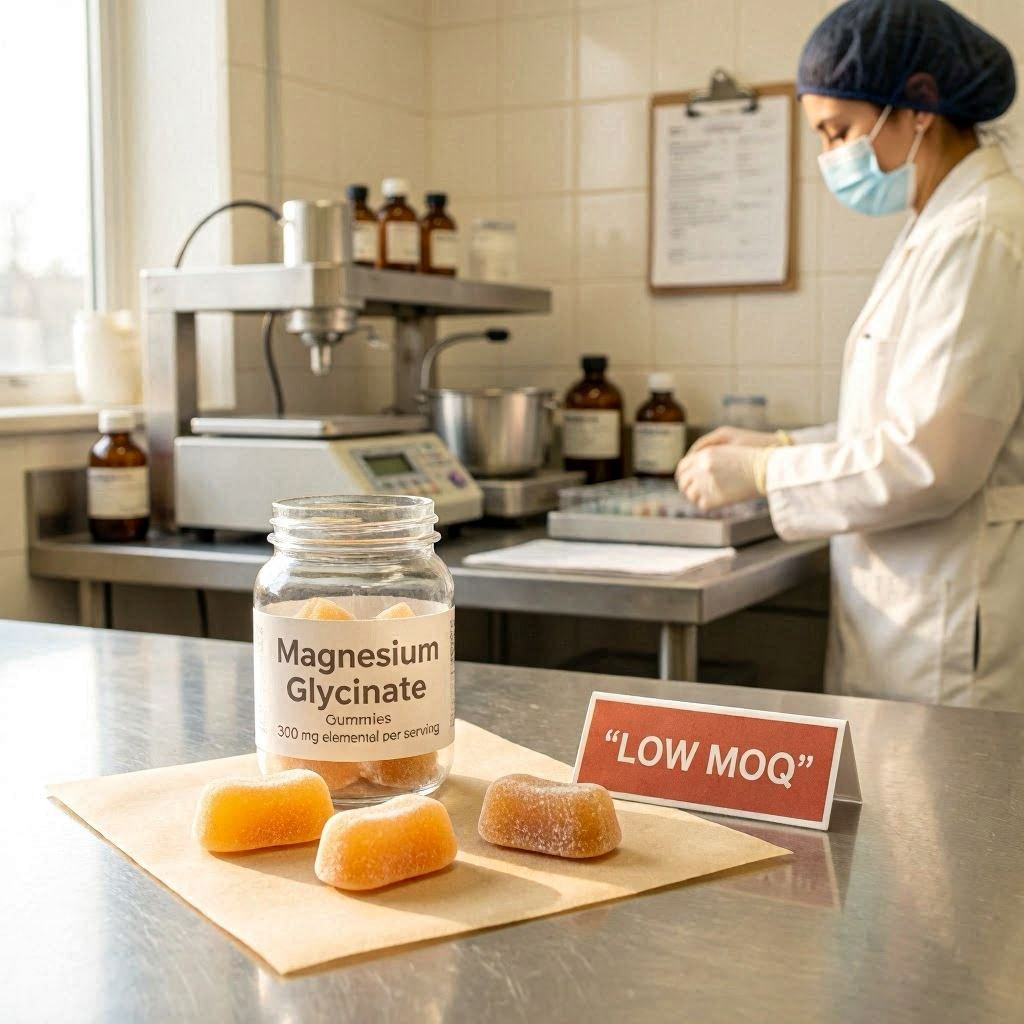
Introduction
The global dietary supplement industry has witnessed a remarkable resurgence of traditional bioactive substances, and few ingredients have captured this momentum quite like shilajit. This ancient Ayurvedic substance, a mineral-rich exudate sourced from high-altitude rock formations in the Himalayas, has entered the mainstream nutraceutical market with force. Among the delivery formats driving this expansion, shilajit gummies have emerged as a high-growth category, appealing to consumers who prioritize convenience, taste, and bioavailability over traditional powder or capsule formats. For brand owners and private-label entrepreneurs, identifying an affordable shilajit gummies manufacturer is no longer just a cost consideration — it is a strategic competitive advantage that determines product quality, regulatory compliance, speed to market, and ultimately, consumer trust.
As the global shilajit supplement market projects a compound annual growth rate exceeding 8.5% through 2032, the gummy segment is outpacing other formats by a significant margin. However, the path from concept to shelf-ready product is fraught with formulation challenges, supply chain complexities, and quality verification hurdles. This article provides a deep, practical examination of what B2B buyers need to know when sourcing affordable shilajit gummy manufacturing services — from the science behind fulvic acid bioavailability to GMP certification requirements, from MOQ negotiation strategies to stability testing protocols. Whether you are launching a direct-to-consumer brand, expanding an existing nutraceutical line, or exploring private-label partnerships, the information below will equip you with the technical and commercial knowledge required to make informed sourcing decisions in this rapidly evolving market.
—
The Science Behind Shilajit and Why Gummies Work
Bioactive Composition and Mechanism of Action
Shilajit is not a single compound but a complex biogeochemical matrix formed over centuries through the slow decomposition of plant matter compressed within Himalayan rock strata. Its primary bioactive constituent is fulvic acid, a humic substance that typically constitutes 15 to 20 percent of high-quality raw shilajit. Fulvic acid functions as a natural ion transporter, facilitating the cellular uptake of minerals and nutrients by chelating them into bioavailable forms. This mechanism is central to shilajit’s reported benefits, which include mitochondrial energy production enhancement, cognitive function support, adaptogenic stress modulation, and testosterone level optimization in clinical contexts.
Beyond fulvic acid, shilajit contains over 80 trace minerals, including selenium, zinc, magnesium, iron, and calcium, alongside dibenzo-alpha-pyrones, humic acids, and triterpenes. These constituents work synergistically to reduce oxidative stress markers, improve ATP synthesis in mitochondrial complexes I and IV, and modulate inflammatory cytokine expression. A 2019 randomized double-blind placebo-controlled trial published in the Journal of Ethnopharmacology demonstrated that healthy male volunteers taking 500 mg of purified shilajit daily for 90 days experienced a statistically significant 23.5% increase in total testosterone levels compared to placebo, alongside notable improvements in mitochondrial function markers.
Why Gummy Delivery Matters for Shilajit
The choice of delivery format directly impacts the consumer experience and therapeutic consistency. Shilajit in its raw form has a strong, bitter, and somewhat smoky taste profile that many consumers find objectionable. Traditional capsules eliminate the taste issue but introduce digestion-dependent absorption lag. Powder formats offer flexibility but suffer from dosing inconsistency and poor palatability when mixed with beverages.
Gummy delivery addresses all three challenges simultaneously. Through precision flavor masking technology, manufacturers can effectively neutralize shilajit’s characteristic bitterness using natural fruit extracts, citrus synergists, or stevia-based sweetness systems. From a pharmacokinetic perspective, gummy-based delivery begins absorption in the oral mucosa via sublingual and buccal pathways, partially bypassing first-pass hepatic metabolism and achieving measurable plasma fulvic acid levels more rapidly than equivalent capsule doses.
Furthermore, the chewing process mechanically breaks down the gummy matrix, increasing the surface area available for gastrointestinal dissolution. Modern pectin-based or gelatin-based gummy formulations can achieve disintegration times of under 15 minutes in simulated gastric fluid, compared to 30 to 45 minutes for standard hard-shell capsules. This faster onset not only improves user satisfaction but also reduces the likelihood of incomplete dosage consumption, a common issue with large or difficult-to-swallow capsules.
Bioavailability Optimization in Gummy Matrices
An affordable shilajit gummies manufacturer must go beyond simple ingredient mixing to achieve genuine bioavailability optimization. The interaction between fulvic acid molecules and the gummy hydrocolloid network requires careful control of pH, water activity, and chelation chemistry. If the gummy base has an excessively high pH, fulvic acid may undergo polymerization, forming larger molecular complexes that the intestinal epithelium absorbs less efficiently. Conversely, a base that is too acidic can hydrolyze the fulvic acid polymer prematurely, reducing its active transport capacity.
Advanced manufacturers employ encapsulation-in-matrix technology, where fulvic acid molecules are first microencapsulated in a lipid or starch-based protective shell before incorporation into the gummy mass. This dual-layer approach prevents direct interaction between the acidic fulvic acid and the gelling agents, preserving structural integrity during cooking and storage while ensuring rapid release upon ingestion. For B2B buyers evaluating potential partners, direct inquiries about encapsulation methods, particle size distribution of the active ingredient, and disintegration testing data are essential due diligence steps that differentiate commodity producers from genuine formulation experts.
—
Market Trends Driving Demand for Shilajit Gummies
Category Growth Trajectory
The global shilajit supplement market was valued at approximately USD 230 million in 2023, with projections indicating growth to over USD 480 million by 2032 at a CAGR of 8.5%. Within this landscape, the gummy segment is the fastest-growing subcategory, expanding at an estimated CAGR of 11.2% during the same forecast period. This growth differential reflects a broader consumer shift toward convenient, enjoyable supplement formats — the global gummy vitamins market alone surpassed USD 35 billion in 2024 and continues to grow at double-digit rates.
Geographically, North America accounts for the largest share of shilajit gummy consumption at approximately 38% of global revenue, driven by high consumer awareness of adaptogenic supplements, a mature nutraceutical distribution infrastructure, and aggressive product placement in specialty retail chains and e-commerce platforms. The Asia-Pacific region, however, represents the fastest-growing market, with a projected CAGR of 13.4% through 2032, fueled by rising disposable incomes in India and China, deep cultural familiarity with Ayurvedic ingredients, and expanding middle-class interest in preventive healthcare.
Consumer Demographics and Purchase Drivers
Recent consumer survey data indicates that shilajit gummy buyers skew younger than traditional supplement consumers. The 25 to 40 age bracket represents 54% of first-time purchasers, with millennials and Gen Z consumers driving trial through social media discovery. TikTok and Instagram content related to shilajit has accumulated over 1.2 billion views across relevant hashtags, creating a powerful organic awareness channel that reduces customer acquisition costs for new entrants.
The primary purchase motivators for these consumers include natural energy enhancement without caffeine jitters (cited by 47% of respondents), cognitive focus and mental clarity improvement (cited by 38%), and exercise recovery acceleration (cited by 32%). Notably, 61% of surveyed consumers stated that format convenience was the deciding factor between trying a shilajit gummy versus a shilajit capsule or powder, underscoring why brand owners must prioritize delivery format as a product development variable equal in importance to potency and price point.
Implications for B2B Buyers
For companies evaluating an affordable shilajit gummies manufacturer, these market dynamics create both opportunity and urgency. The window for first-mover advantage is narrowing as established nutraceutical brands accelerate their shilajit product launches. Private-label entry costs have decreased significantly due to manufacturing capacity expansion in India, China, and the United States, with MOQ thresholds dropping from 50,000 units to as low as 3,000 to 5,000 units at some contract manufacturing facilities.
However, the democratization of production access also means that shelf competition is intensifying. Retail buyers and e-commerce platform algorithms increasingly favor products with verified third-party testing documentation, transparent ingredient sourcing, and branded ingredient partnerships. A manufacturer who offers these quality signals at competitive pricing — rather than simply chasing the lowest per-unit cost — provides substantially greater long-term value to brand partners. The most successful B2B relationships in this category are built on co-development arrangements where the manufacturer contributes formulation expertise, regulatory navigation support, and supply chain transparency in exchange for volume commitments and multi-year partnership terms.
—
Manufacturing Considerations for Shilajit Gummies
Raw Material Sourcing and Authentication
The single greatest variable in shilajit gummy quality is the raw material itself. Authentic shilajit is harvested from specific geological formations at elevations between 1,000 and 5,000 meters in the Himalayas, Altai Mountains, Caucasus, and select regions of Chile and Norway. However, the commercial market is flooded with adulterated products — a 2020 industry analysis found that approximately 60% of consumer-grade shilajit products tested had detectable levels of heavy metals or did not contain fulvic acid concentrations consistent with authentic shilajit.
For B2B buyers, the first due diligence step is verifying that a manufacturer sources raw shilajit with a Certificate of Analysis (COA) from an ISO 17025-accredited laboratory. Key parameters to examine include fulvic acid content (minimum 15% for premium-grade material), humic acid content, heavy metal levels (particularly lead, arsenic, cadmium, and mercury, which must comply with USP or Prop 65 limits), and microbial load specifications. HPLC fingerprinting is the gold standard for authentication, as genuine shilajit produces a characteristic chromatographic profile that adulterants do not replicate.
An affordable shilajit gummies manufacturer can still deliver high-quality products by implementing strategic cost controls in areas that do not compromise raw material integrity. These include optimizing production batch sizes, negotiating long-term fulvic acid extract supply agreements, and investing in automated gummy deposition and drying equipment that reduces labor costs and scrap rates.
Formulation Engineering and Stability
Shilajit gummy formulation presents unique technical challenges that distinguish it from standard multivitamin gummy production. The high mineral content of shilajit can interact with pectin or gelatin gelling agents to produce textural defects, including grittiness, syneresis (liquid separation), or excessive firmness. Formulators must carefully calibrate the ratio of fulvic acid extract to the gummy base, typically targeting a range of 200 mg to 500 mg of fulvic acid-rich shilajit extract per serving, with adjustments based on the specific chelation chemistry of the raw material batch.
Water activity (aw) management is critical for shelf stability. Shilajit extracts are hygroscopic, meaning they actively absorb moisture from the environment. If the gummy formulation has an aw above 0.6, moisture migration from the gummy matrix to the shilajit particles can cause recrystallization, resulting in an unpleasant sandy texture and dose uniformity degradation over time. Competent manufacturers address this through careful control of the cooking temperature curve, inclusion of moisture-binding agents such as tapioca syrup solids or inulin fiber, and packaging with desiccant sachets and high-barrier foil seals.
Stability testing should be conducted at three temperature and humidity conditions: 25°C/60% RH (long-term), 40°C/75% RH (accelerated), and 30°C/65% RH (intermediate) for a minimum of six months. Results must demonstrate that fulvic acid content remains within 95% to 105% of label claim, that microbial limits stay within GMP standards, and that texture and appearance remain acceptable. B2B buyers should request stability summaries from any potential manufacturing partner before committing to a production agreement.
Taste Masking and Natural Flavor Systems
Effective taste masking separates premium shilajit gummies from poorly received products. The bitter and smoky notes of shilajit are primarily driven by fulvic acid-bound mineral ions and humic acid fractions. Simple addition of sugar or high-intensity sweeteners is rarely sufficient to create a pleasant taste profile. Instead, successful formulations employ a layered approach: bitterness blockers such as sodium gluconate or glycine are incorporated at the extraction stage, followed by fruit-forward flavor systems (berry, pomegranate, or citrus blends) that create flavor complexity and mouthfeel masking.
An affordable shilajit gummies manufacturer can achieve excellent taste outcomes using natural flavor ingredients without resorting to artificial sweeteners or synthetic flavor compounds. Natural pomegranate juice concentrate, elderberry extract, and lemon oil are effective masking agents that also align with clean-label consumer preferences. The optimal sweetness profile typically combines organic tapioca syrup or brown rice syrup with stevia rebaudioside M, achieving sweetness without the bitter aftertaste associated with standard stevia extracts.
—
OEM/ODM Benefits for Brand Owners
Speed to Market and Reduced Capital Expenditure
For entrepreneurial brands and established companies alike, partnering with a contract manufacturer that offers affordable shilajit gummies manufacturing services significantly reduces the time and capital required to launch a finished product. Building a dedicated gummy production line requires capital equipment expenditures ranging from USD 150,000 for semi-automated systems to over USD 1 million for fully automated high-speed lines, not including facility construction, HVAC modifications for GMP compliance, or regulatory filing costs.
An OEM or ODM manufacturing partner eliminates virtually all of these upfront investments. Brand owners pay only for the finished product, typically on a per-bottle or per-unit basis, with pricing that includes raw materials, processing, packaging, and quality testing. Lead time from initial formulation concept to first commercial shipment can be as short as 8 to 12 weeks when working with an experienced manufacturer who maintains buffer inventory of raw shilajit extract and commonly used packaging components.
Customization Flexibility
ODM partnerships offer varying degrees of customization that allow brand owners to differentiate their products in a crowded marketplace. At the most basic level, white-label shilajit gummies use the manufacturer’s existing formulation and are simply packaged with the buyer’s branding. This is the lowest-cost and fastest option, ideal for market entry or testing a new category with minimal risk.
Higher-tier customization allows brand owners to modify potency levels (for example, increasing the shilajit extract from 250 mg to 400 mg per serving), adjust the flavor profile, add complementary ingredients such as ashwagandha extract, vitamin D3, or CoQ10 for synergistic effects, and select specific sweetener systems that align with brand positioning. The most advanced ODM relationships are true co-development partnerships, where the manufacturer’s R&D team works directly with the brand’s formulator to create a proprietary blend with exclusive supply arrangements.
Labeling and Regulatory Support
An affordable shilajit gummies manufacturer with regulatory expertise adds substantial value beyond production. FDA-registered manufacturing facilities can provide Supplement Facts panel creation assistance, allergen and major food group declarations, net weight compliance verification, and proper structure-function claim language that passes FTC and FDA regulatory scrutiny.
For brands targeting international markets, regulatory navigation becomes even more valuable. A manufacturer experienced with shilajit exports can help with European Novel Food status evaluation, Health Canada Natural Product Number (NPN) application support, and compliance with TGA requirements in Australia. Each regulatory pathway has specific testing and documentation requirements that differ significantly, and a manufacturer who has successfully guided products through these processes can save brand owners months of delay and thousands of dollars in consulting fees.
—
Quality Assurance and Certification Requirements
GMP Compliance and Facility Auditing
Current Good Manufacturing Practice (cGMP) compliance, as defined by 21 CFR Part 111 for dietary supplements, is the baseline quality requirement for any reputable manufacturing partner. Compliance encompasses facility design and maintenance, equipment calibration, raw material receiving and quarantine procedures, in-process quality control checks, finished product testing, and comprehensive documentation of all manufacturing steps.
B2B buyers should conduct a facility audit — either in person or through a qualified third party — before entering a manufacturing agreement. Key audit points include verifying that production areas have positive air pressure and HEPA filtration, that cleaning validation between production runs prevents cross-contamination, that retained samples from every production batch are stored under controlled conditions, and that deviation and corrective action procedures are documented and actively managed. An audit checklist should also verify that the manufacturer has a functioning quality unit independent of production management, ensuring unbiased quality decision-making.
Third-Party Testing and Certifications
Finished product testing by an ISO 17025-accredited third-party laboratory provides objective verification of label claim accuracy, contaminant safety, and product stability. Reputable manufacturers include the cost of third-party testing in their per-unit pricing rather than treating it as an optional add-on. For shilajit gummies specifically, certificates of analysis should confirm:
- Fulvic acid content within 100% ± 10% of label claim
- Heavy metals compliance with USP <232> or Prop 65
- Microbial limits: total aerobic plate count below 1,000 CFU/g, yeast and mold below 100 CFU/g, and absence of E. coli, Salmonella, and Staphylococcus aureus
- Pesticide residue screening for a minimum of 70 compounds
- Solvent residue analysis if extraction involved
- Gluten and major allergen verification when relevant
Additional certifications that add market credibility include USDA Organic certification (relevant if organic tapioca syrup or organic shilajit extract is used), Non-GMO Project Verification, Halal certification for Middle Eastern and Southeast Asian markets, and Kosher certification. An affordable shilajit gummies manufacturer should be able to provide current certification documentation for all relevant standards and explain which certifications require additional third-party audits and associated costs.
Traceability and Recall Readiness
A robust traceability system enables a manufacturer to trace any finished product back to the specific raw material lots used in its production, the equipment and personnel involved, and the quality test results at each stage. In the event of a quality deviation or regulatory inquiry, this traceability can mean the difference between a targeted, minimal-impact corrective action and a broad, costly market withdrawal.
B2B buyers should request traceability simulation documentation during the vetting process, demonstrating that the manufacturer can complete a forward and backward trace from raw material receipt through finished product shipment within four hours — a common regulatory expectation. This capability is particularly important for brands distributing through major retail chains, which increasingly require traceability systems as a condition of vendor approval.
—
Comparing Shilajit Delivery Formats: Gummies, Capsules, and Powder
Consumer Preference and Compliance
The format comparison extends beyond manufacturing cost to encompass consumer preference and real-world compliance. Capsules remain the most cost-effective format from a pure ingredient cost perspective, with per-serving active ingredient costs typically 30 to 40% lower than equivalent gummy servings. However, this cost advantage is undermined by lower compliance rates — studies consistently show that gummy format consumers are 25 to 30% more likely to complete a full course of supplementation compared to capsule users, reflecting the elimination of pill fatigue and the positive sensory reinforcement of gummy consumption.
Powder formats offer the lowest cost per serving and the highest dose flexibility, but they suffer from the lowest compliance rates, particularly among younger consumers who value convenience. The requirement for water mixing, measuring, and cleanup creates friction that reduces regular usage. For brand owners targeting the convenience-driven consumer segment that makes up the majority of the shilajit category’s growth, gummy format’s compliance advantage typically offsets its higher manufacturing cost.
Stability and Shelf Life Comparison
Capsules and powders generally have longer shelf lives than gummies, with properly stored products maintaining label potency for 24 to 36 months versus 18 to 24 months for gummy formats. The difference stems from the higher water activity of gummy matrices, which accelerates degradation reactions. However, this gap is narrowing as manufacturers adopt advanced moisture barrier packaging technologies and modified atmosphere sealing.
An affordable shilajit gummies manufacturer can extend shelf life through formulation choices, including using pectin-based gelling systems rather than gelatin (pectin has better stability in acidic environments), incorporating natural antioxidants such as rosemary extract or mixed tocopherols to protect fulvic acid from oxidative degradation, and optimizing the humectant system to maintain texture stability without raising water activity above the target threshold. Brand owners should request real-time stability data rather than relying solely on accelerated studies when evaluating shelf life claims.
Price Point Positioning
From a retail price perspective, gummy formats command a 40 to 80% premium over equivalent capsule products, driven by higher manufacturing costs, more expensive packaging requirements, and consumer willingness to pay for sensory appeal and convenience. This premium margin can be advantageous for brand owners, as it supports higher marketing spend allowances and improves retail partner economics. The key to profitability in the gummy segment lies not in the lowest raw material cost, but in achieving high production yield rates, minimizing scrap during molding and drying, and optimizing packaging format efficiency.
—
Frequently Asked Questions
1. What is the typical MOQ for private-label shilajit gummies?
Minimum order quantities vary significantly by manufacturer. Entry-level private-label programs typically require 3,000 to 10,000 units per SKU, while custom formulation projects generally start at 10,000 to 25,000 units per production run. Some manufacturers offer lower MOQs of 1,000 to 2,500 units for white-label products using existing formulations and stock packaging. B2B buyers should negotiate MOQ terms alongside pricing to find the optimal balance between inventory risk and unit cost.
2. What is the typical cost per bottle for contract-manufactured shilajit gummies?
Pricing varies based on potency, formulation complexity, packaging specifications, and order volume. Typical contract pricing for private-label shilajit gummies ranges from USD 4.50 to USD 9.00 per bottle (60-count at 250 mg per gummy) at moderate order volumes. Custom formulations with organic ingredients, specialized packaging, or added functional ingredients may command USD 8.00 to USD 14.00 per bottle. The manufacturer should provide a transparent cost breakdown covering raw materials, processing, packaging, testing, and logistics.
3. How do I verify that a manufacturer uses authentic shilajit?
Request a Certificate of Analysis from an ISO 17025-accredited laboratory that includes HPLC fingerprinting, fulvic acid content quantification (minimum 15%), heavy metals screening, and microbial testing. Cross-reference the COA with the supplier’s raw material traceability documentation. Consider engaging an independent laboratory to test finished product samples from initial production runs. Manufacturers using authentic shilajit will readily provide these documents; reluctance or delays in sharing testing data is a significant red flag.
4. What is the typical shelf life for shilajit gummies?
Properly formulated and packaged shilajit gummies typically maintain label potency and acceptable organoleptic properties for 18 to 24 months when stored below 25°C and away from direct sunlight. High-barrier packaging with desiccant integration extends shelf life by 3 to 6 months compared to standard bottle packaging. Accelerated stability testing at 40°C/75% RH for six months is used to project long-term shelf life, but brand owners should request real-time stability data for the most accurate shelf life determination.
5. Can shilajit gummies be combined with other active ingredients?
Yes, shilajit is compatible with a wide range of complementary ingredients. Popular combinations include ashwagandha for enhanced adaptogenic effects, vitamin D3 for immune support, CoQ10 for mitochondrial synergy, and magnesium glycinate for sleep and recovery support. However, each additional active ingredient introduces formulation complexity, potential interaction effects with the fulvic acid chelation system, and additional stability testing requirements. An experienced manufacturer can advise on compatibility testing requirements during the formulation development phase.
6. What certifications should I look for in a shilajit gummy manufacturer?
Minimum requirements include FDA registration and cGMP certification for dietary supplement manufacturing. For market differentiation, seek manufacturers with additional certifications relevant to your target audience: USDA Organic certification for clean-label positioning, Non-GMO Project Verification, Halal certification for Muslim-majority markets, Kosher certification, and ISO 9001:2015 for quality management systems. Each certification requires separate audits and maintenance, so the cost-benefit ratio depends on your target market and brand positioning.
7. How does the manufacturing process differ for organic shilajit gummies?
Organic-certified shilajit gummies require organic tapioca syrup or organic brown rice syrup as the base sweetener, organic gelatin or organic pectin as the gelling agent, and organic flavoring systems. This restricts formulation options and typically increases raw material costs by 15 to 25% compared to conventional equivalents. The manufacturing facility must also demonstrate organic handling procedures, including dedicated production areas or validated cleaning protocols between organic and conventional runs, and maintain organic certification documentation for all incoming raw materials.
8. What is the typical lead time from order placement to shipment?
For standard white-label shilajit gummies with existing formulations and in-stock packaging, lead time is typically 4 to 6 weeks. Custom formulation projects add 2 to 4 weeks for R&D, stability testing, and regulatory review. First orders generally require longer lead times due to raw material procurement, packaging production, and initial testing protocols. Reorder lead times should decrease to 3 to 4 weeks after the initial production parameters are established.
—
Conclusion
The convergence of consumer demand for convenient, effective adaptogenic supplements and the proven bioavailability advantages of gummy delivery formats has created a compelling opportunity in the shilajit supplement category. For brand owners seeking to enter this market, the choice of manufacturing partner is the single most consequential decision — one that directly impacts product quality, regulatory standing, cost structure, and consumer reception.
An affordable shilajit gummies manufacturer is not simply the lowest-cost producer, but rather the partner that optimizes across raw material authenticity, formulation expertise, quality systems, and responsive customer service to deliver maximum value at a competitive price. By prioritizing transparent sourcing documentation, rigorous third-party testing, GMP-compliant facility standards, and collaborative product development, B2B buyers can identify manufacturing partners who offer genuine affordability without compromising the quality that builds lasting consumer trust.
As the shilajit supplement category continues its projected growth trajectory, the brands that invest in proper manufacturing due diligence, quality verification, and strategic partnership building will be best positioned to capture market share and develop durable competitive advantages. The foundation of that success begins with choosing the right manufacturing partner — one who shares your commitment to quality, transparency, and consumer health.
Disclaimer: These statements have not been evaluated by the Food and Drug Administration. This product is not intended to diagnose, treat, cure, or prevent any disease. The information provided in this article is for educational and informational purposes only and does not constitute medical advice. Always consult with a qualified healthcare professional before starting any supplement regimen.