










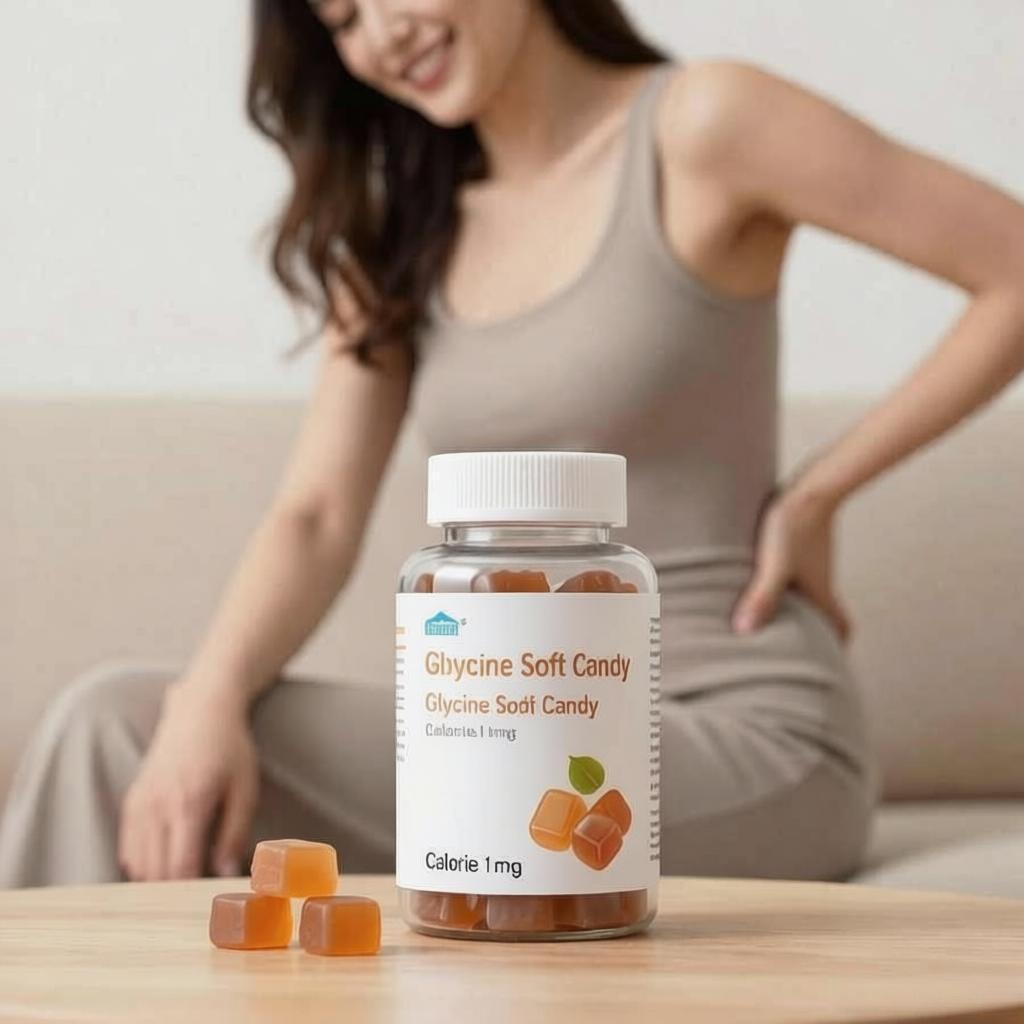
Advanced Stability Technology in Gummy Vitamin OEM Manufacturing: A Comprehensive Guide for Brand Owners
Introduction
The gummy vitamin market has undergone a remarkable transformation over the past decade, evolving from a niche children’s supplement format into a dominant delivery system embraced by consumers across all age groups. What was once perceived as a candy-like compromise has become a scientifically sophisticated platform for bioactive compounds, including vitamins, minerals, peptides, and botanical extracts. This shift has been driven largely by advances in stability technology that address the fundamental challenges of maintaining ingredient potency and bioavailability in a sugar-based, moisture-sensitive matrix.
For brand owners and procurement decision-makers evaluating gummy vitamin OEM partnerships, understanding stability technology is no longer optional—it is essential. The difference between a product that delivers measurable health benefits and one that degrades into ineffective waste often comes down to the manufacturer’s mastery of stabilization techniques. Inconsistent potency, unpleasant odors, texture degradation, and shortened shelf life represent not just quality failures but significant financial losses and reputational damage.
This comprehensive guide examines the science, market dynamics, and manufacturing considerations that define advanced stability technology in gummy vitamin production. Whether you are launching a new gummy line, reformulating an existing product, or evaluating contract manufacturing partners, this article provides the technical foundation and commercial insights necessary to make informed decisions and differentiate your brand in an increasingly competitive marketplace.
The Science of Stability in Gummy Formulations
Understanding Degradation Pathways
Gummy vitamins present a unique set of stability challenges that stem from their distinctive composition and manufacturing process. At their core, gummies consist of a hydrocolloid matrix—typically gelatin or pectin combined with sweeteners, flavoring agents, and the active ingredients themselves. This matrix is inherently hygroscopic, meaning it readily absorbs moisture from the surrounding environment while simultaneously being vulnerable to moisture loss that leads to syneresis, or the weeping of liquid from the gel structure.
The primary degradation pathways affecting active ingredients in gummy vitamins include oxidation, hydrolysis, photodegradation, and temperature-induced instability. Water-soluble vitamins such as vitamin C are particularly susceptible to oxidation and can degrade rapidly when exposed to elevated temperatures or atmospheric oxygen. Fat-soluble vitamins including vitamins A, D, E, and K require specialized encapsulation or emulsification techniques to maintain stability within the hydrophilic gummy matrix. Minerals like iron and zinc can catalyze oxidative reactions and interact with other formulation components, accelerating degradation.
Active peptides present their own distinct challenges. These short-chain amino acid sequences, increasingly popular for applications ranging from collagen support to cognitive enhancement, can be sensitive to pH variations, enzymatic degradation, and the shear forces encountered during mixing and molding. Maintaining the structural integrity and biological activity of peptide ingredients throughout the manufacturing process and product shelf life demands sophisticated formulation expertise and processing controls.
Stabilization Technologies and Techniques
Advanced stability technology in gummy vitamin manufacturing employs multiple complementary strategies to protect active ingredients. Microencapsulation represents one of the most powerful tools available, involving the coating of individual ingredient particles with protective barriers that isolate them from environmental stressors. Lipid-based encapsulation systems, such as those utilizing medium-chain triglycerides or specialty waxes, are particularly effective for protecting fat-soluble vitamins and oil-soluble peptides from oxidation and hydrolysis.
Emulsification technology enables the stable incorporation of oil-based ingredients into aqueous gummy matrices. High-pressure homogenization creates uniformly distributed droplets of active oil phase, which are then surrounded by emulsifier molecules that prevent coalescence and phase separation. This technique is essential for incorporating omega-3 fatty acids, vitamin D3 in oil form, and other lipophilic compounds that would otherwise separate or degrade rapidly.
Antioxidant systems provide another critical layer of protection. Formulators may incorporate natural antioxidants such as rosemary extract, vitamin E (tocopherols), or astaxanthin to scavenge free radicals generated during processing and storage. Chelating agents like citric acid and ethylenediaminetetraacetic acid (EDTA) bind pro-oxidant metal ions that catalyze degradation reactions, extending ingredient stability and maintaining product potency.
The choice of gelling agent itself influences stability performance. Pectin-based gummies offer advantages for acid-sensitive ingredients due to their ability to form stable gels at lower pH levels, while gelatin formulations provide superior texture stability and a longer history of use in supplement applications. Hybrid systems combining multiple gelling agents can optimize both functional performance and ingredient protection.
Market Trends and Industry Demand
Growth Trajectory and Consumer Adoption
The global gummy supplement market has demonstrated exceptional growth momentum, with industry analysts consistently revising projections upward as consumer adoption accelerates. Current market estimates place the global gummy vitamin market at approximately $18-22 billion, with compound annual growth rates (CAGR) projecting expansion to $35-45 billion by 2030. This represents one of the fastest-growing segments within the broader dietary supplement industry, outpacing traditional capsule and tablet formats by significant margins.
North America leads regional consumption, accounting for roughly 35-40% of global gummy supplement sales. However, the fastest growth rates are being observed in Asia-Pacific markets, where rising middle-class disposable incomes, increasing health consciousness, and cultural acceptance of gummy formats are driving explosive demand. European markets show strong adoption in the United Kingdom, Germany, and Nordic countries, while Latin American markets are emerging as significant opportunities for brands with well-positioned product offerings.
Demographic data reveals that while gummy vitamins initially gained traction among children and adults who struggle with swallowing pills, today the consumer base spans virtually all age groups and health interest categories. Senior consumers appreciate the ease of dosing and palatability, while younger demographics respond to the sensory experience and functional benefit positioning that gummy formats enable. Sports nutrition, beauty-from-within, and immune support represent particularly dynamic growth categories within the gummy format.
B2B Market Dynamics
The OEM and ODM segment of the gummy manufacturing industry has experienced corresponding growth as brands increasingly recognize the capital efficiency and operational advantages of contract manufacturing relationships. The complexity of gummy formulation and the specialized equipment required for high-volume production make in-house manufacturing impractical for most brand owners, particularly those in the startup and mid-market segments.
Key procurement considerations driving B2B demand include minimum order quantity (MOQ) flexibility, formulation development capabilities, regulatory compliance expertise, and the ability to scale production rapidly in response to market demand. Brands that previously required MOQs of 50,000 to 100,000 units are increasingly finding manufacturing partners willing to accommodate runs of 10,000 units or fewer for new product launches, reducing market entry risk and enabling faster iteration cycles.
Private label gummy vitamin programs have become a standard offering among established contract manufacturers, allowing brands to access proven formulations with customized labeling and packaging while avoiding the substantial investment in R&D and process development. These programs typically offer faster time-to-market—often eight to twelve weeks from order confirmation to finished goods—compared to twelve to eighteen months for fully customized formulation development.
Manufacturing Considerations for Brand Owners
Formulation Development and Process Optimization
Successful gummy vitamin manufacturing begins long before the first batch enters the production line. Formulation development requires systematic evaluation of ingredient compatibility, processing requirements, and target stability parameters. Experienced manufacturers maintain extensive databases of ingredient interactions, processing tolerances, and historical performance data that inform optimization decisions and reduce development timelines.
The manufacturing process itself involves multiple stages where stability considerations must be carefully managed. Ingredient mixing must achieve uniform distribution without excessive shear that could degrade sensitive compounds. Heating and cooking steps—necessary for gelatin hydration and sugar dissolution—must be precisely controlled to minimize thermal degradation. Molding and depositing operations require careful attention to temperature gradients and setting kinetics. De-molding and subsequent drying steps represent critical control points where moisture migration can affect both texture and ingredient stability.
Advanced manufacturers employ statistical process control (SPC) methodologies and real-time monitoring systems to maintain tight tolerances throughout production. In-line moisture monitoring, temperature profiling at multiple points, and continuous weight checks enable immediate identification and correction of deviations before they affect finished product quality. This proactive approach to process control differentiates premium manufacturing partners from those operating with less sophisticated quality systems.
Bioavailability Enhancement
Stability technology and bioavailability enhancement are closely related disciplines in gummy vitamin formulation. An ingredient that maintains perfect chemical stability but exhibits poor absorption delivers no clinical benefit to the consumer. Conversely, highly bioavailable ingredients that degrade rapidly provide diminishing returns over product shelf life. The most effective formulations optimize both parameters simultaneously.
Lipid-based delivery systems, including self-emulsifying drug delivery systems (SEDDS), can significantly enhance the bioavailability of poorly water-soluble compounds. By presenting ingredients in pre-emulsified form, these systems bypass the dissolution limitations that often restrict absorption from traditional solid dosage forms. Gummy formats are particularly well-suited to certain bioavailability enhancement strategies, as the lipid matrix of the gummy itself can serve as a delivery platform for lipophilic compounds.
Probiotic incorporation in gummy vitamins represents a particularly demanding application, as these live microorganisms require protection from gastric acid, moisture, temperature extremes, and the osmotic stress of the sugar matrix. Advanced manufacturers employ shelf-stable probiotic strains, protective encapsulation technologies, and moisture-controlled packaging to deliver viable organisms at the point of consumption. Shelf life claims for probiotic gummies must be supported by validated stability data demonstrating survival through the entire product shelf life under recommended storage conditions.
OEM and ODM Partnership Benefits
Strategic Advantages for Brand Development
Partnering with an experienced gummy vitamin OEM manufacturer offers strategic advantages that extend far beyond simple production capacity. Formulation expertise developed across numerous client projects and product categories provides access to knowledge that would require substantial investment to replicate internally. Manufacturers engaged in continuous improvement initiatives routinely optimize processes, identify novel ingredient combinations, and resolve formulation challenges that benefit all clients served by their facilities.
Speed-to-market represents perhaps the most significant competitive advantage offered by established OEM partnerships. Rather than investing twelve to twenty-four months in facility construction, equipment procurement, and process development, brands can leverage existing manufacturing infrastructure to launch products in eight to sixteen weeks from project initiation. This accelerated timeline enables rapid response to market trends, seasonal demand fluctuations, and competitive dynamics that reward agility.
Capital efficiency is another compelling benefit. Manufacturing equipment for gummy production represents substantial capital investment, often requiring millions of dollars for professional-grade mixing systems, depositors, drying tunnels, and supporting infrastructure. By partnering with an OEM, brands avoid this capital deployment while gaining access to best-in-class manufacturing capabilities. The operating cost structure of contract manufacturing—spread across multiple clients and product lines—typically proves more favorable than independent production for all but the largest volume brands.
Customization and Differentiation Opportunities
Modern gummy vitamin OEM partnerships offer extensive customization capabilities that enable meaningful brand differentiation. While commodity gummy vitamins are readily available from multiple sources, differentiated products featuring unique ingredient combinations, delivery technologies, or processing innovations require strategic manufacturing partnerships with demonstrated R&D capability.
Custom shape and color development allows brands to create distinctive products that stand out on retail shelves and strengthen brand recognition. Multi-layer gummies—featuring distinct colored or flavored sections within a single piece—offer opportunities for differentiated product positioning and can enable improved taste masking for challenging ingredients. Center-filled gummies, where active ingredients are encapsulated within a flavored shell, provide additional stability protection and flavor customization options.
Functional ingredient customization enables brands to target specific consumer segments and health benefit claims. Manufacturers with broad ingredient supplier relationships can source uncommon nutrients, proprietary botanical extracts, and innovative bioactives that differentiate products from mass-market alternatives. Formulation teams can work with brands to develop novel combinations backed by emerging science, creating defensible product positions in competitive categories.
Quality Assurance and Regulatory Compliance
Manufacturing Standards and Certifications
Quality assurance in gummy vitamin OEM manufacturing encompasses multiple dimensions of regulatory compliance, process control, and product verification. Good Manufacturing Practice (GMP) certification represents the foundational requirement, establishing systematic approaches to personnel training, facility maintenance, equipment calibration, and documentation practices. GMP-certified facilities maintain comprehensive standard operating procedures (SOPs) covering every aspect of production, from incoming material inspection through finished product release.
Beyond GMP, third-party audit certifications provide additional assurance of manufacturing quality and business continuity. NSF International, SQF (Safe Quality Food), and BRC Global Standards certifications involve rigorous evaluation of food safety management systems, HACCP plans, and facility conditions. These certifications—particularly valued by retail buyers and e-commerce platforms—demonstrate that the manufacturer has met internationally recognized standards independently verified through comprehensive audit processes.
Product-specific certifications address consumer and market requirements for particular formulations or marketing claims. Organic certification, whether through USDA NOP or equivalent international programs, requires documented supply chain traceability and segregation of organic ingredients throughout production. Halal and Kosher certifications address religious dietary requirements for Muslim and Jewish consumers, respectively, requiring specific ingredient declarations and production process controls. Non-GMO Project Verified status addresses consumer concerns about genetically modified ingredients, requiring testing and documentation at multiple supply chain stages.
Testing and Documentation Requirements
Comprehensive testing protocols ensure that gummy vitamin products meet potency, purity, and stability specifications throughout their shelf life. Potency testing verifies that labeled amounts of vitamins, minerals, and active ingredients are present in finished products, typically employing HPLC (High-Performance Liquid Chromatography), UV-Vis spectrophotometry, or other validated analytical methods. Testing should be conducted at multiple time points during accelerated and real-time stability studies to support shelf life claims.
Purity testing screens for potential contaminants including heavy metals, microbial organisms, pesticides, and residual solvents. Depending on ingredient sourcing and manufacturing history, comprehensive purity panels may include testing for aflatoxins, melamine, diethylene glycol, and other compounds of regulatory concern. Third-party laboratory testing, conducted by independent analytical laboratories rather than in-house QC departments, provides additional credibility and independence in regulatory submissions and customer audits.
Certificate of Analysis (COA) documentation accompanies each production batch, providing detailed results of all testing conducted along with material certificates, production records, and quality declarations. COAs enable brand owners to verify that received products meet agreed specifications and provide traceable documentation for regulatory compliance, retail compliance programs, and potential liability defense. Digital COA systems with lot tracking capabilities increasingly represent standard expectations among sophisticated brand buyers.
Gummy Vitamins Versus Alternative Delivery Formats
Comparative Analysis of Delivery Systems
Understanding the relative advantages and limitations of gummy vitamins compared to other supplement delivery formats enables informed product development decisions and appropriate positioning strategies. Each format—gummies, capsules, tablets, softgels, and powders—offers distinct characteristics that make it more or less suitable for particular ingredients, consumer segments, and market applications.
Gummy vitamins excel in consumer experience attributes including taste and palatability, ease of swallowing, and visual appeal. The ability to incorporate pleasant flavors and textures encourages compliance among consumers who struggle with traditional supplement formats. Gummies are particularly advantageous for children’s products, senior formulations, and any application where sensory experience influences consistent usage. The format also enables creative marketing positioning that differentiates products from clinical-looking alternatives.
Capsules offer advantages in ingredient versatility and stability protection. The two-piece capsule construction—a gelatin or plant-based shell containing powdered or liquid fill material—provides a moisture barrier that protects sensitive ingredients while enabling incorporation of ingredients that would be incompatible in a single matrix. Capsules typically require smaller serving sizes than gummies and offer straightforward dosage adjustment through multiple-capsule regimens. The format is well-suited to probiotic applications, oil-based ingredients, and high-potency formulations where precise dosing is critical.
Tablets represent the most cost-effective format for high-volume production of standardized supplements. Compression-molded from powdered ingredients, tablets offer excellent stability, long shelf life, and straightforward packaging in bottle or blister formats. However, tablets generally require additional excipients for binding and disintegration, may exhibit slower dissolution rates than capsules, and lack the consumer appeal that drives gummy category growth.
Softgel capsules—containing liquid or semi-solid formulations within gelatin shells—offer excellent stability for oil-soluble ingredients while providing some consumer experience benefits of capsule formats. However, softgel manufacturing requires specialized equipment and expertise, making it less accessible for smaller brands and limiting formulation flexibility compared to gummy platforms.
Powder formats offer maximum formulation flexibility and dose customization, enabling incorporation of large amounts of active ingredients, multiple vitamin and mineral combinations, and specialized functional ingredients. Powders are particularly popular in sports nutrition and wellness categories where consumers value the ability to adjust serving sizes and combine products with beverages or food. However, powders require measuring devices, may have taste challenges, and represent less convenient dosing compared to ready-to-consume formats.
Format Selection Considerations
Format selection should be driven by consideration of target consumer needs, ingredient compatibility, regulatory requirements, and commercial positioning. Brands targeting children’s supplements, senior consumers, or general wellness positioning may find that gummy format advantages in consumer experience justify any incremental manufacturing costs. Brands focused on clinical or therapeutic applications, or those serving consumers who prioritize supplement purity and minimal excipient exposure, may find capsule or tablet formats more appropriate.
Multi-format product lines, where brands offer the same core formulation in multiple delivery formats, can address diverse consumer preferences while building manufacturing efficiencies. An experienced OEM partner can advise on format selection based on their client portfolio experience, ingredient compatibility databases, and understanding of market positioning opportunities.
Frequently Asked Questions
What shelf life can I expect from gummy vitamins manufactured with advanced stability technology?
Shelf life for gummy vitamins typically ranges from eighteen to twenty-four months when manufactured with appropriate stability technology and stored under recommended conditions. The actual achievable shelf life depends on the specific ingredients in your formulation, the stability characteristics of each component, and the packaging format selected. Water-sensitive ingredients may require desiccant packets or barrier packaging to extend shelf life. Accelerated stability testing—conducting studies at elevated temperatures to predict room-temperature degradation—enables manufacturers to project shelf life with reasonable confidence. Most reputable manufacturers will provide stability data supporting shelf life claims, often including both accelerated and real-time study results.
What are typical minimum order quantities for private label gummy vitamin programs?
Private label gummy vitamin programs typically feature minimum order quantities ranging from 5,000 to 20,000 units per SKU, though some manufacturers offer reduced MOQs for new product launches or smaller brands. MOQ requirements reflect the fixed costs of production changeovers, cleaning validation, and quality documentation that apply regardless of run size. Certain specialty formulations, organic certifications, or complex multi-component products may carry higher MOQ requirements due to increased material costs or processing complexity. Negotiating MOQ flexibility is often possible for brands committing to longer-term volume projections or multi-SKU orders.
How do you ensure accurate dosing of active ingredients in gummy vitamins?
Accurate dosing in gummy vitamins is achieved through a combination of formulation design, process control, and finished product testing. Formulators calculate ingredient amounts with appropriate overages to account for processing losses, ensuring that finished products meet label claims even accounting for normal variation. Manufacturing processes employ precision ingredient handling systems, including automated weighing and dispensing that reduces human error. In-process testing verifies mix uniformity and critical parameters during production. Finished product testing provides final verification of potency, with results documented on COAs accompanying each batch.
What certifications should I require from a gummy vitamin OEM manufacturer?
Essential certifications for gummy vitamin manufacturers include current GMP (Good Manufacturing Practice) certification from a recognized accrediting body, food safety certifications such as SQF or BRCGS, and third-party audit verification. For your specific product positioning, consider whether you require organic certification (USDA NOP or equivalent), Non-GMO Project Verified status, Halal or Kosher certification, or specific allergen management protocols. Request copies of relevant certificates and verify their current validity and scope with issuing organizations. Certifications should cover the specific production facility and product categories relevant to your needs.
How do you handle taste masking for challenging ingredients in gummy formulations?
Taste masking in gummy vitamins employs multiple complementary strategies to address challenging flavors. Flavor systems—including fruit, citrus, berry, and tropical profiles—provide primary sensory coverage, with intensity calibrated to the overall formulation. Sweetener systems, combining sugar alcohols like maltitol with high-intensity sweeteners, enhance palatability while managing glycemic considerations. Encapsulation of bitter active ingredients can physically isolate taste receptors from offensive flavors. Advanced microencapsulation technologies create protective barriers around individual ingredient particles, reducing direct contact between taste receptors and flavor-active compounds. Sensory testing panels evaluate formulations during development to optimize taste performance before production scale-up.
Can gummy vitamins incorporate multiple active ingredients in one serving?
Gummy vitamins routinely incorporate multiple active ingredients, though formulation complexity increases with each additional component. Common multi-vitamin gummy formulations include fifteen or more vitamins and minerals in a single serving. More specialized combinations—such as gummies containing probiotics, digestive enzymes, and botanical extracts—require careful formulation development to ensure ingredient compatibility and stability. Some ingredient combinations present challenges due to antagonistic interactions, pH incompatibility, or competing stability requirements. An experienced formulation team will evaluate proposed ingredient combinations and recommend alternatives or processing modifications when direct combinations prove problematic.
What packaging options are available for gummy vitamins, and how do they affect stability?
Packaging selection significantly influences gummy vitamin stability and shelf life. Standard packaging options include bottles with continuous thread or child-resistant caps, blister cards for unit-dose presentation, and pouches for multi-serving formats. Barrier properties of packaging materials determine moisture and oxygen transmission rates, with glass and metal foil laminates offering superior protection compared to standard plastic containers. Desiccant packets—typically silica gel or molecular sieve materials—absorb residual moisture within sealed packages, extending product stability. For light-sensitive ingredients, opaque or UV-protective packaging prevents photodegradation. Packaging selection should align with your target shelf life, storage conditions, and retail channel requirements.
What is the typical timeline for developing and launching a custom gummy vitamin product?
Timeline from project initiation to finished product delivery typically ranges from twelve to twenty weeks for private label programs using established formulations, or twenty-four to thirty-six weeks for fully custom formulation development. Private label timelines include formulation selection, flavor customization, label design and approval, production scheduling, and quality release processes. Custom development adds formulation R&D, stability testing protocols, and scale-up validation that extend timelines significantly. Regulatory review and compliance documentation may add additional time depending on product claims and target market requirements. Working with an experienced OEM partner who maintains robust development processes can compress timelines while maintaining quality and compliance standards.
Conclusion
Advanced stability technology has fundamentally transformed gummy vitamin manufacturing, enabling these appealing delivery systems to meet the potency, efficacy, and shelf life expectations that consumers and regulatory agencies demand. For brand owners evaluating the gummy supplement opportunity, understanding the science of stability—degradation pathways, protection technologies, and bioavailability considerations—provides essential context for product development decisions and manufacturing partner evaluation.
The market opportunity remains substantial, with gummy supplements representing one of the fastest-growing segments of the dietary supplement industry. Consumer demand for differentiated, science-backed products continues to expand, creating opportunities for brands that invest in quality formulations and positioning. Contract manufacturing partnerships offer a capital-efficient path to market, enabling brands to access world-class manufacturing capabilities without the substantial investment required to build production infrastructure independently.
Quality assurance and regulatory compliance provide the foundation upon which sustainable brand value is built. GMP-certified manufacturing, comprehensive testing protocols, and robust documentation practices protect consumers while managing brand risk. Third-party certifications provide market access and consumer confidence that differentiate premium products in competitive retail environments.
As the gummy supplement category matures, brands that invest in understanding manufacturing complexities, partner with technologically sophisticated production partners, and maintain rigorous quality standards will be best positioned for long-term success. The combination of consumer appeal, formulation flexibility, and manufacturing advancement makes gummy vitamins a compelling platform for brands seeking to capture growth in the dynamic dietary supplement market.
Disclaimer: These statements have not been evaluated by the Food and Drug Administration. This product is not intended to diagnose, treat, cure, or prevent any disease. The information provided in this article is for educational and informational purposes only and does not constitute medical advice. Always consult with a qualified healthcare professional before starting any supplement regimen.