










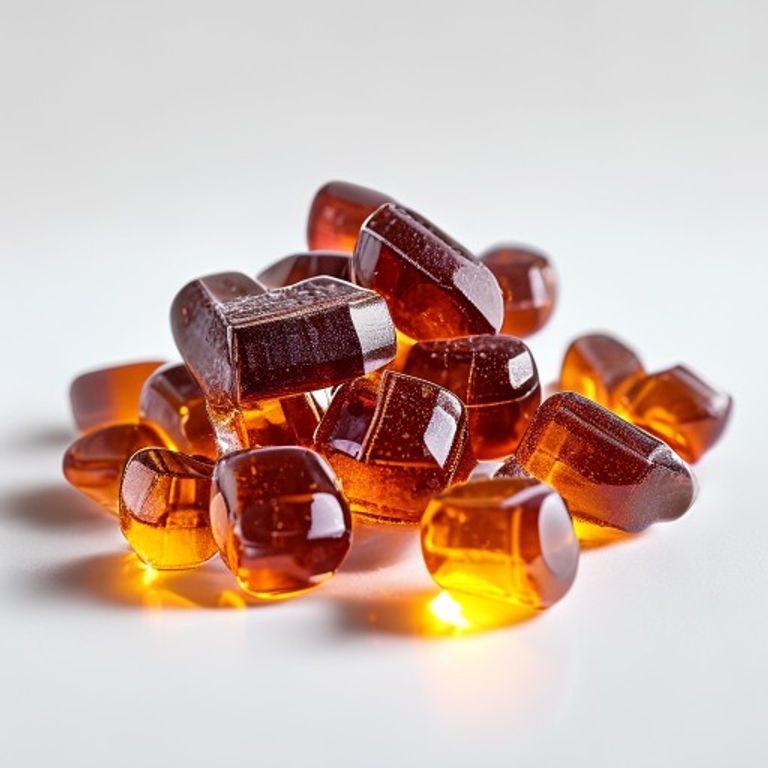
The sports nutrition and supplement industry continues to evolve at a remarkable pace, with creatine monohydrate remaining one of the most extensively researched and effective ingredients available. Yet despite its proven efficacy, traditional delivery formats—capsules and powders—often fail to meet the expectations of modern consumers who demand convenience, palatability, and an enjoyable supplement experience. This gap between ingredient potency and consumer preference has created significant opportunities for brand owners seeking differentiation in an increasingly crowded marketplace.
The emergence of stable formulation creatine monohydrate gummies represents a pivotal advancement in supplement delivery technology. These products combine the proven benefits of creatine monohydrate with the palatability and convenience of gummy format, addressing a growing consumer demand for supplements that don’t require mixing, measuring, or enduring unpleasant tastes. However, creating stable, effective creatine gummies presents substantial formulation challenges that require specialized manufacturing expertise, precise ingredient sourcing, and rigorous quality control protocols.
This article examines the science, market dynamics, manufacturing considerations, and business case for wholesale creatine monohydrate gummies, providing brand owners with the strategic insights needed to make informed procurement decisions and capitalize on this growing category.
The Science Behind Creatine Monohydrate in Gummy Format
Understanding Creatine Chemistry and Stability Requirements
Creatine monohydrate is a naturally occurring compound found in muscle cells, where it plays a critical role in ATP regeneration—the primary energy currency for muscle contraction and high-intensity exercise. The compound’s molecular structure makes it relatively stable under normal conditions, but introducing it into a gummy matrix creates new challenges that require careful formulation engineering.
The primary stability concern with creatine monohydrate gummies stems from creatine’s susceptibility to degradation through cyclization, converting to creatinine over time. This degradation accelerates under conditions of elevated temperature, humidity, and varying pH levels—all factors commonly encountered during gummy manufacturing, storage, and distribution. A properly formulated creatine gummy must address these stability challenges through strategic ingredient selection, pH management, and protective matrix design.
Effective stable formulations typically incorporate buffering systems that maintain optimal pH ranges throughout the product’s shelf life. Common approaches include the use of citric acid in controlled concentrations, combined with citrate buffers that help maintain the acidic environment necessary to prevent cyclization while remaining within consumer tolerance thresholds for taste. Additionally, advanced formulations may utilize microencapsulation techniques that create protective barriers around creatine particles, shielding them from moisture ingress and pH fluctuations in the surrounding gummy matrix.
Bioavailability Considerations for Gummy Delivery
The bioavailability of creatine from gummy format represents a critical factor in product efficacy and consumer satisfaction. Research indicates that creatine absorption occurs primarily through active transport mechanisms in the intestines, with absorption efficiency varying based on formulation composition and co-ingestion with carbohydrates.
Stable formulation creatine monohydrate gummies achieve comparable bioavailability to traditional formats when properly manufactured. The key lies in ensuring complete dissolution and appropriate particle size reduction during the manufacturing process. Modern gummy production techniques, including specific high-shear mixing protocols and controlled temperature profiles during cooking and molding, help optimize creatine distribution throughout the matrix while maintaining ingredient integrity.
Manufacturing expertise also plays a crucial role in preventing creatine degradation during processing. Temperatures exceeding 80°C can accelerate cyclization, making thermal management during cooking and molding operations essential for maintaining product potency. Quality-conscious manufacturers employ precision temperature control systems and optimized cooking times to minimize thermal exposure while achieving the desired textural properties.
Market Trends and Growing Demand for Creatine Gummies
Market Size and Growth Projections
The global creatine supplement market has demonstrated consistent growth, with current valuations exceeding $400 million annually and projected compound annual growth rates of approximately 5-7% through the next decade. Within this broader market, gummy and soft-chew delivery formats represent the fastest-growing segment, driven by consumer preferences for convenient, palatable supplementation options.
Market research indicates that gummy supplements overall have captured approximately 15-20% of the domestic supplement market, with sports nutrition representing a particularly strong growth area. The creatine category specifically has seen gummy format launches increase by over 60% in recent years, reflecting both consumer demand and manufacturing capability improvements. Brand owners entering this segment benefit from favorable market conditions characterized by expanding demand, limited direct competition, and premium pricing opportunities.
The demographic composition of creatine gummy consumers skews toward younger adults aged 25-40, a segment demonstrating strong preference for convenient delivery formats over traditional powders and capsules. This consumer base also shows higher willingness to pay premium prices for products that combine efficacy with enjoyable consumption experiences, creating attractive margin opportunities for brands positioned in this space.
Consumer Preferences Driving Format Evolution
Modern supplement consumers increasingly prioritize adherence and convenience over cost optimization. Research consistently shows that supplement regimens requiring mixing, measuring, or tolerating unpleasant tastes suffer from lower long-term compliance rates compared to more enjoyable alternatives. Gummy format creatine addresses these adherence challenges directly, potentially improving the effectiveness of supplementation protocols by making consistent daily consumption more appealing.
The convenience factor extends beyond mere palatability to include storage, transport, and dosing simplicity. Creatine gummies eliminate the need for measuring cups, shakers, or water access, making them particularly attractive for consumers with active lifestyles, travel requirements, or workplace supplementation needs. This convenience positioning supports premium pricing while expanding the potential consumer base beyond traditional bodybuilding demographics.
Taste preferences also favor gummy format, as consumers generally respond more positively to flavored, chewable supplements than to traditional options. Stable formulation creatine monohydrate gummies can incorporate fruit flavors, slightly sweetened profiles, and pleasant textures that make daily supplementation a more appealing routine, potentially improving long-term product performance and brand loyalty.
Manufacturing Considerations for Stable Creatine Gummies
Formulation Challenges and Solutions
Creating stable, effective creatine monohydrate gummies requires addressing multiple technical challenges that distinguish this product category from simpler supplement formats. The fundamental challenge lies in maintaining creatine stability within a high-moisture, acidic environment that would typically accelerate degradation.
Advanced formulations employ several strategies to overcome these challenges. pH management through carefully balanced acid systems helps maintain conditions unfavorable for cyclization while remaining within acceptable taste parameters. Humectant systems using ingredients like glycerin help control moisture activity in the final product, reducing the water availability that drives degradation reactions. Additionally, the selection of appropriate gelatin or alternative matrix materials influences both stability and shelf life performance.
Effective manufacturers typically achieve shelf lives of 18-24 months for properly formulated creatine gummies when stored under recommended conditions. This stability performance requires comprehensive validation through accelerated stability testing protocols that simulate extended storage periods. Brand owners should request stability data from potential manufacturing partners, including real-time and accelerated aging studies that demonstrate potency maintenance throughout the proposed shelf life.
Manufacturing process control represents another critical factor in product stability. Precise control of cooking temperatures, mixing times, and drying conditions helps minimize creatine degradation during production. Manufacturers employing advanced process monitoring systems, including real-time temperature sensors and automated process adjustments, typically achieve superior stability outcomes compared to facilities with less sophisticated equipment.
Ingredient Sourcing and Quality Considerations
The quality of creatine monohydrate raw material significantly influences final product performance. Brand owners should ensure their manufacturing partners source creatine from certified facilities meeting current Good Manufacturing Practice requirements. Creapure, the industry-standard creatine monohydrate recognized for its purity and consistency, remains the preferred choice for premium formulations.
Additional ingredients in creatine gummy formulations require equal attention to quality and sourcing. Gelatin sources must meet religious and dietary requirements where applicable, with halal, kosher, and bovine-sourced options available based on target market positioning. Flavor systems, sweeteners, and functional ingredients all contribute to overall product quality and should be sourced from reputable suppliers with appropriate certifications.
Quality-conscious manufacturers maintain comprehensive supplier qualification programs that include raw material testing, audit programs, and Certificates of Analysis verification for all incoming ingredients. This supplier management approach helps ensure consistent product quality while minimizing the risk of contamination or adulteration issues that could compromise product safety or efficacy.
OEM/ODM Benefits for Brand Owners
Cost Efficiency and Capital Requirements
Partnering with established OEM/ODM manufacturers for creatine monohydrate gummy production offers substantial advantages over vertical integration approaches. The capital requirements for gummy manufacturing equipment—including cooking systems, mold systems, and coating facilities—typically exceed $1 million for production-scale operations, making contract manufacturing the economically rational choice for most brands.
OEM partnerships enable brands to access production capabilities without the overhead costs of facility ownership, equipment maintenance, and specialized workforce management. Manufacturing agreements typically require minimum order quantities that balance production efficiency with brand inventory requirements. Common MOQ structures for gummy products range from 10,000 to 50,000 units per SKU, though some manufacturers offer lower minimums for emerging brands or limited edition products.
Economies of scale become increasingly favorable as order volumes increase, with per-unit production costs declining substantially as batch sizes grow. Brand owners planning multi-SKU strategies or anticipating strong market traction should negotiate production agreements that include volume-based pricing tiers, ensuring favorable unit economics as sales grow.
Customization and Speed-to-Market Advantages
The gummy format offers extensive customization opportunities that enable brand differentiation. Shape selection, ranging from traditional bears to sport-specific designs, allows brands to establish visual identity. Flavor customization enables targeting of specific consumer preferences, with options including fruit profiles, citrus variations, and more adventurous taste directions.
Color customization and combination approaches further enhance brand differentiation opportunities. Manufacturers with in-house flavor development capabilities can create proprietary taste profiles that resist direct competition, potentially supporting premium positioning strategies.
Speed-to-market benefits represent another significant advantage of OEM partnerships. Established manufacturers with existing formulation libraries can often accelerate product development timelines substantially compared to facilities starting from scratch. Development timelines for stable formulation creatine monohydrate gummies typically range from 4-8 months from concept to production-ready status, including formulation development, stability testing, and regulatory compliance verification.
Formulation Development Support
OEM partners with strong R&D capabilities provide valuable formulation development support that can accelerate product launches and improve competitive positioning. This support typically includes:
- Prototype development with multiple iterations to optimize taste, texture, and stability
- Stability study design and execution to validate shelf life claims
- Technical documentation preparation for regulatory submissions
- Sensory panel evaluation to ensure consumer-acceptable taste profiles
- Scale-up support to transition from laboratory to production quantities
Brand owners should evaluate potential manufacturing partners on their formulation development capabilities, including available analytical equipment, technical staff qualifications, and track record with similar products. Manufacturers demonstrating strong technical expertise often deliver superior products while reducing development timeline risks.
Quality Assurance and Regulatory Compliance
Good Manufacturing Practice Requirements
Ensuring product quality and safety requires manufacturing partners operating under comprehensive quality management systems. Current Good Manufacturing Practice requirements, as specified in 21 CFR Part 111 for dietary supplements, establish baseline expectations for facility design, equipment maintenance, personnel training, and process controls.
GMP-compliant facilities implement robust standard operating procedures covering all aspects of production, from raw material receipt through finished product release. These procedures address personnel hygiene, equipment calibration, in-process testing, and finished product inspection requirements that collectively ensure consistent product quality.
Brand owners should verify GMP compliance through facility audits, certification review, and documentation examination. Third-party GMP certifications from organizations such as NSF International, UL, or the Food Safety System Certification scheme provide additional verification of quality system adequacy.
Third-Party Testing and Certificate of Analysis Requirements
Comprehensive testing protocols provide scientific verification of product quality attributes. For creatine monohydrate gummies, testing requirements extend across multiple categories:
Identity Testing: Verifies correct ingredient identification through methods such as infrared spectroscopy or HPLC analysis. This testing confirms that the creatine monohydrate in the final product matches specifications and hasn’t been substituted or contaminated.
Potency Testing: Quantifies creatine content in finished products through validated analytical methods, typically HPLC with UV detection. Results should confirm that products meet label claims throughout shelf life, accounting for natural variation and degradation.
Purity Testing: Screens for potential contaminants including heavy metals, residual solvents, and microbiological organisms. USP standards establish acceptable limits for these parameters, and products should consistently meet or exceed these thresholds.
Stability Testing: Validates potency maintenance under specified storage conditions through time-point testing programs. Stability studies typically include accelerated conditions (elevated temperature and humidity) to predict long-term performance.
Certificate of Analysis documentation should accompany each production lot, providing batch-specific test results that verify compliance with established specifications. Brand owners should establish clear requirements for COA format and content, ensuring consistent documentation practices across production runs.
Additional Certifications and Compliance Considerations
Market positioning and target consumer demographics may require additional certifications beyond basic GMP compliance. Relevant certifications include:
- **Halal Certification**: Required for Muslim consumer markets, involves facility audits and ingredient verification
- **Kosher Certification**: Necessary for kosher-labeled products, requires rabbinical supervision and ingredient approval
- **Organic Certification**: Supports premium positioning for organic-positioned brands, requires certified organic ingredient sourcing and approved manufacturing processes
- **Non-GMO Project Verification**: Appeals to consumer preferences for non-genetically modified ingredients
Brand owners should clarify certification requirements early in partner selection discussions, as facilities without existing certifications may require extended timelines to achieve compliance. Manufacturing partners with diversified certification portfolios offer greater flexibility in addressing multiple market requirements from a single production facility.
Gummy Format vs. Alternative Delivery Systems
Advantages of Gummy Delivery
The gummy format offers distinct advantages over traditional supplement delivery systems that support consumer preference alignment and brand differentiation opportunities.
Palatability: Gummy supplements substantially outperform capsules and powders in consumer taste acceptance studies. The ability to mask or enhance creatine’s subtle flavor through fruit-based flavor systems creates a more pleasant consumption experience that supports long-term adherence.
Convenience: Chewable format eliminates the need for water or additional accessories, enabling supplementation in any setting. This convenience advantage proves particularly significant for consumers with active lifestyles or those supplementing throughout the workday.
Dosing Precision: Individual piece dosing provides accurate creatine delivery without the measuring variability associated with powder formats. Consumers can easily track daily intake by counting consumed pieces, supporting protocol compliance.
Portion Control: Gummy format enables precise portion sizing that supports specific creatine loading or maintenance protocols. Typical dosing structures for creatine gummies deliver 2-5 grams of creatine monohydrate per serving, with serving sizes ranging from 2-4 pieces depending on concentration.
Considerations and Trade-offs
Despite these advantages, gummy format presents certain considerations that brand owners should evaluate against their target market requirements:
Sugar and Carbohydrate Content: Traditional gummy formulations contain substantial sugar quantities that may conflict with low-carbohydrate or sugar-free positioning strategies. Sugar-free alternatives using sugar alcohols or alternative sweeteners address these concerns but may require additional formulation development and potentially sacrifice taste performance.
Shelf Life Challenges: The higher moisture content of gummy products compared to capsules or tablets creates potential stability concerns that require careful formulation and packaging considerations. While stable formulations address these challenges effectively, the inherent format characteristics require more attention to storage conditions and shelf life management.
Manufacturing Complexity: Gummy production involves more complex manufacturing processes than capsule or tablet production, with greater variability potential and more demanding equipment requirements. This complexity increases the importance of manufacturing partner selection and qualification.
Dosage Limitations: Gummy format limits maximum creatine per-piece concentration due to texture and taste considerations. Consumers requiring higher creatine doses may need to consume multiple pieces per serving, potentially impacting convenience advantages for certain consumer segments.
Frequently Asked Questions
What minimum order quantities should brands expect for creatine monohydrate gummy production?
Minimum order quantities for stable formulation creatine monohydrate gummies typically range from 10,000 to 50,000 units per SKU, though this varies significantly by manufacturer. Smaller brands may find MOQs in the 5,000-10,000 range with facilities specializing in low-volume production, while larger-scale operations may require commitments of 100,000+ units for the most favorable pricing structures. Brand owners should evaluate their anticipated sales volume and inventory management capabilities when negotiating MOQ terms.
How do stability issues affect creatine gummy shelf life compared to other formats?
Creatine monohydrate gummies require careful formulation engineering to achieve shelf lives comparable to more stable formats. Properly formulated gummies typically maintain potency for 18-24 months under recommended storage conditions, compared to 24-36 months commonly achieved for encapsulated creatine products. The primary degradation pathway—cyclization to creatinine—accelerates under elevated temperature and humidity conditions, making package integrity and storage instructions particularly important for gummy products.
What dosage ranges are achievable with stable creatine gummy formulations?
Effective stable formulations can deliver 2-4 grams of creatine monohydrate per serving, typically distributed across 2-4 pieces depending on target serving size. Higher concentrations become increasingly challenging to mask taste-wise and may impact gummy texture, requiring sophisticated formulation approaches. Most commercially available creatine gummies target 2.5-3.5 grams per serving as an optimal balance between efficacy and consumer experience.
What certifications should brand owners require from manufacturing partners?
Essential certifications include current GMP compliance verification, third-party facility audits, and comprehensive product testing documentation. Depending on target markets, brands may also require halal, kosher, organic, or non-GMO certifications. Request documentation of existing certifications and verify their current status through the issuing organizations or by reviewing audit reports.
How do gummy manufacturing processes affect creatine stability?
Manufacturing processes that expose creatine to elevated temperatures, extended mixing times, or high humidity can accelerate degradation before products even reach consumers. Quality manufacturers employ precision temperature control, optimized cooking profiles, and controlled drying procedures to minimize thermal exposure. Ask potential partners about their specific process parameters and temperature monitoring systems to evaluate their commitment to ingredient preservation.
What packaging options support creatine gummy stability?
Packaging selection significantly influences product stability performance. Sealed, moisture-resistant packaging such as bottles with induction seals or foil pouches help prevent moisture ingress during storage and distribution. Desiccant inclusion provides additional moisture protection for gummy products. Light-resistant packaging protects against photo-degradation for products containing light-sensitive ingredients.
How long does product development typically take for creatine gummies?
Timeline from concept to production-ready product typically ranges from 4-8 months, depending on formulation complexity, testing requirements, and manufacturing partner availability. Key phases include formulation development (4-8 weeks), stability testing (3-6 months), and production scale-up (2-4 weeks). Accelerated timelines may be possible for manufacturers with existing stable formulations, though brand owners should verify that any accelerated approaches include appropriate stability validation.
What taste masking strategies work effectively for creatine gummies?
Effective taste masking for creatine gummies typically combines multiple approaches: strategic flavor selection that complements creatine’s subtle profile, acidity management to minimize flavor perception, sweetener optimization for pleasant taste delivery, and matrix design that reduces ingredient-bite interaction. Manufacturers with sensory science capabilities and consumer testing programs can optimize taste profiles for specific target demographics.
Conclusion and Strategic Recommendations
The stable formulation creatine monohydrate gummies category presents compelling opportunities for brand owners seeking differentiation in the competitive sports nutrition marketplace. Consumer demand for convenient, palatable supplementation options continues to grow, while technical advances in gummy formulation have resolved historical stability challenges that previously limited product viability.
Successful market entry requires strategic attention to several key factors. Manufacturing partner selection should prioritize facilities demonstrating strong technical capabilities, comprehensive quality systems, and appropriate certifications for target markets. Formulations should balance efficacy with consumer experience, ensuring that stability and potency requirements support long-term brand reputation.
Pricing strategies should reflect the premium positioning opportunities inherent in gummy format, with attention to production economics as volumes scale. Minimum order quantity negotiations should balance inventory risk against pricing advantages, potentially accepting higher per-unit costs initially while establishing volume growth mechanisms.
Quality verification through comprehensive testing protocols and documentation practices protects brand equity and ensures regulatory compliance. Brand owners should establish clear requirements for testing frequency, COA content, and stability monitoring that exceed minimum regulatory requirements.
The combination of proven ingredient science, growing consumer demand, and manufacturing capability maturation creates favorable conditions for brand owners prepared to enter the creatine gummy market. Strategic positioning, quality-focused partner selection, and attention to consumer experience fundamentals position brands for success in this expanding category.
Disclaimer: These statements have not been evaluated by the Food and Drug Administration. This product is not intended to diagnose, treat, cure, or prevent any disease. The information provided in this article is for educational and informational purposes only and does not constitute medical advice. Always consult with a qualified healthcare professional before starting any supplement regimen.