










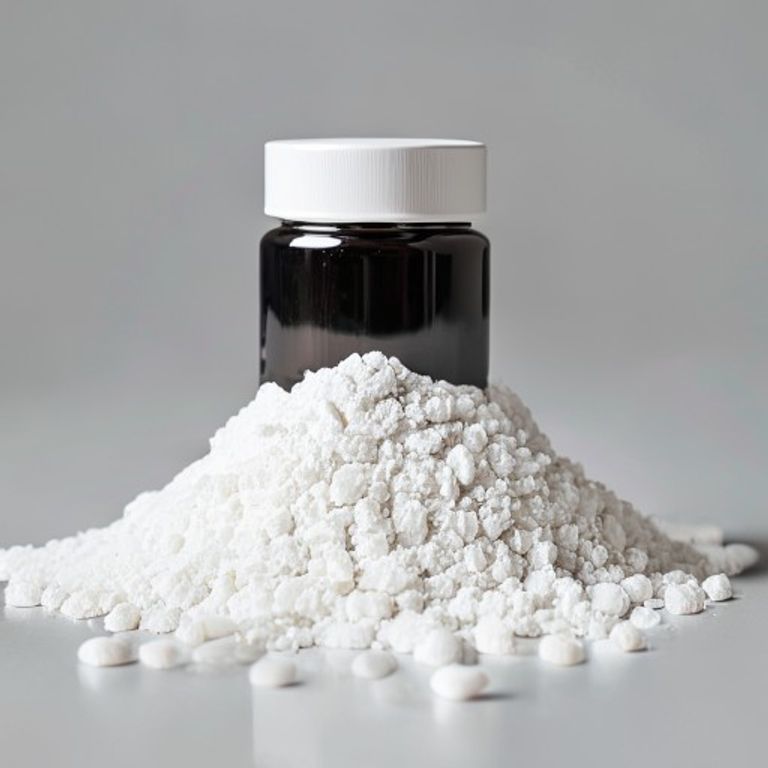
Water Soluble Creatine Monohydrate Extract Powder Supplier
Introduction
The sports nutrition and functional supplement industry has witnessed a significant shift toward water-soluble formulations over the past decade. Among the compounds driving this evolution, creatine monohydrate remains the gold standard for athletic performance, muscle strength, and cognitive enhancement. However, traditional creatine monohydrate powders present challenges that have limited their application in certain product formats—particularly ready-to-drink beverages, gummies, and effervescent tablets. Water soluble creatine monohydrate extract powder addresses these limitations, opening new avenues for brand owners, contract manufacturers, and private label supplement companies seeking differentiated product offerings.
For B2B buyers evaluating water soluble creatine monohydrate extract powder suppliers, the selection process extends far beyond price per kilogram. Key considerations include bioavailability optimization, manufacturing compatibility, regulatory compliance across target markets, and the supplier’s capacity to support formulation development from concept through commercial production. This comprehensive guide examines the science behind water soluble creatine, market dynamics driving demand, critical manufacturing requirements, quality assurance protocols, and strategic considerations for brands exploring private label or custom formulation opportunities.
The global sports nutrition market, valued at approximately $45 billion in 2023, continues expanding at a compound annual growth rate exceeding 7%. Within this landscape, creatine-containing products represent one of the fastest-growing segments, with water soluble variants capturing increasing market share as consumers and brands alike recognize their superior versatility and application potential.
Understanding Water Soluble Creatine Monohydrate Science
The Fundamental Chemistry of Creatine
Creatine monohydrate (C4H9N3O2·H2O) is a naturally occurring compound synthesized from amino acids arginine, glycine, and methionine. Found predominantly in skeletal muscle tissue, creatine serves as a rapid reserve of phosphocreatine (PCr) for adenosine triphosphate (ATP) regeneration during high-intensity, short-duration activities. The phosphocreatine system provides energy for movements lasting between 0-30 seconds, making it essential for strength training, sprinting, and high-intensity interval training protocols.
Standard creatine monohydrate exhibits relatively low water solubility, approximately 13 grams per liter at room temperature. This physical property has historically limited its incorporation into liquid and semi-solid supplement formats, as conventional powders tend to settle, clump, or create gritty textures. The bioavailability of standard creatine monohydrate is already impressive—typically 95-99%—but the dissolution challenges have restricted formulation flexibility.
How Water Soluble Variants Differ
Water soluble creatine monohydrate extract powder undergoes proprietary processing techniques to enhance dissolution characteristics without compromising the creatine molecule’s structural integrity or biological activity. Several technological approaches achieve this enhancement:
Micronization reduces particle size to the 1-10 micron range, dramatically increasing surface area and accelerating dissolution rates. Smaller particles suspend more readily in liquid media and demonstrate improved dispersibility in powdered blend formulations.
Buffered and chelated formulations may incorporate minerals, amino acids, or buffering agents that enhance solubility while potentially improving gastrointestinal tolerance. Common examples include creatine citrate, creatine malate, and creatine pyruvate—though these differ from true water soluble extract powders in their molecular structure.
Effervescent and cyclodextrin-based delivery systems encapsulate creatine molecules within carrier structures that mask their inherent properties while enabling rapid dissolution. These technologies have emerged from pharmaceutical applications and are increasingly adapted for sports nutrition formulations.
Liquid-stable concentrates represent another category of water soluble creatine, typically involving solubility enhancers, pH modification, or nanoemulsion technology to maintain creatine in solution during storage and consumption.
B2B buyers should request technical documentation specifying the exact solubility mechanism employed, as this affects not only dissolution performance but also regulatory classification, labeling requirements, and potential interactions with other formulation ingredients.
Bioavailability and Performance Implications
Research comparing water soluble creatine variants against standard monohydrate demonstrates equivalent or superior bioavailability in most studies. A 2019 study published in the Journal of the International Society of Sports Nutrition found that a micronized creatine formulation achieved peak plasma creatine concentrations 23% faster than standard powder while maintaining equivalent total bioavailability over 24 hours.
The performance implications extend beyond absorption kinetics. Water soluble formats enable more consistent dosing in finished products, as consumers receive complete creatine delivery without the variability introduced by incomplete dissolution or settling during storage. This consistency supports the predictable accumulation of muscle creatine stores that underlies creatine’s ergogenic benefits.
For brands developing ready-to-drink products, the stakes are particularly high. A creatine beverage that exhibits precipitation, clouding, or texture degradation over shelf life will face consumer rejection regardless of its functional benefits. Working with suppliers who have validated solubility claims through third-party testing and can provide dissolution stability data across various temperature and pH conditions is essential for product success.
Market Trends and Industry Demand
Global Market Size and Growth Trajectory
The global creatine market, valued at approximately $400 million in 2022, projects growth to exceed $600 million by 2030, representing a compound annual growth rate of approximately 5.5%. Water soluble variants currently comprise roughly 15-20% of total creatine product sales but demonstrate growth rates nearly double the overall category average.
The Asia-Pacific region, particularly China, Japan, and South Korea, has emerged as the fastest-growing market for water soluble creatine formulations. Rising disposable incomes, increasing fitness awareness, and expanding middle-class populations have created substantial demand for premium sports nutrition products that combine convenience with performance. European markets follow closely, driven by stringent quality standards and sophisticated consumer bases that appreciate scientifically optimized delivery systems.
North American demand remains concentrated in the United States, where the sports nutrition industry has matured to the point where differentiation through delivery format has become a primary competitive strategy. Private label brands and direct-to-consumer companies increasingly seek unique product formats—particularly beverages and gummies—that distinguish them from the saturated capsule and traditional powder markets.
Consumer Preference Shifts Driving Formulation Innovation
Several demographic and psychographic trends influence purchasing decisions and create opportunities for water soluble creatine products:
Convenience-oriented consumers prefer ready-to-drink formats that require no mixing, no equipment, and no cleanup. Water soluble creatine enables the development of sparkling waters, functional beverages, and pre-mixed workout drinks that deliver creatine benefits without preparation friction.
Gummy format acceptance has expanded dramatically beyond traditional vitamin products. Consumers increasingly expect sports nutrition ingredients, including protein and creatine, in gummy formats that eliminate swallowing fatigue associated with large capsules or the tactile experience of traditional powders.
Taste and texture expectations have elevated across all supplement categories. Water soluble formats facilitate better flavor integration and smoother mouthfeel compared to conventional powdered ingredients, supporting premium positioning and justifying higher price points.
Transparency and clean label demands influence ingredient sourcing and processing method preferences. B2B buyers increasingly specify non-GMO, gluten-free, allergen-free, and organic certifications when sourcing water soluble creatine, reflecting downstream consumer expectations.
Manufacturing Considerations for Water Soluble Creatine Products
Formulation Development Challenges
Developing finished products with water soluble creatine extract powder requires careful attention to several technical parameters:
pH compatibility significantly affects creatine stability. Creatine demonstrates optimal stability in the pH range of 4-7, with degradation accelerating outside this window. Formulators must account for pH when developing beverages or gummy products that may require acidic or alkaline environments for other functional ingredients or flavor systems.
Temperature sensitivity presents challenges during manufacturing processes involving heat. Gummy manufacturing, in particular, involves temperatures that can degrade creatine if the ingredient is added during early processing stages. Successful manufacturers typically incorporate water soluble creatine during post-cooking addition or employ micro-encapsulation technologies to protect the ingredient during thermal processing.
Ingredient interactions require systematic evaluation. Certain minerals, particularly calcium and magnesium, may interact with creatine to form less soluble complexes. Antioxidants, preservatives, and acidulants should be screened for compatibility with the specific water soluble creatine variant selected.
Shelf life validation must account for the unique stability profile of water soluble formats. Accelerated aging studies should test dissolution characteristics, precipitation potential, and potency retention under various storage conditions including elevated temperature and humidity.
Regulatory Compliance Across Markets
B2B buyers operating in multiple geographic regions must ensure their water soluble creatine products comply with relevant regulations:
United States Food and Drug Administration (FDA) classification of creatine monohydrate as a dietary ingredient subject to New Dietary Ingredient (NDI) notification requirements has been clarified through extensive historical use documentation. Creatine is widely recognized as generally recognized as safe (GRAS) for specified conditions of use. Products must comply with Current Good Manufacturing Practices (cGMP) and include accurate labeling with ingredient declarations, supplement facts panels, and required disclosures.
European Union Food Safety Authority (EFSA) has approved creatine for use in food supplements under specific conditions. Health claims related to creatine are subject to the EU Nutrition and Health Claims Regulation (NHCR), limiting marketing language that can appear on packaging or in advertising. Maximum dosages and specific permitted product categories apply.
Canadian Natural Health Products (NHP) Directorate requires pre-market licensing for creatine-containing supplements, with specifications for dosage, recommended use, and labeling requirements distinct from the United States approach.
Australian Therapeutic Goods Administration (TGA) classifies creatine as a listed medicine component, requiring compliance with relevant standards and permitted use conditions.
Reputable water soluble creatine monohydrate extract powder suppliers maintain technical regulatory affairs capabilities and can provide documentation packages supporting compliance in target markets. B2B buyers should request Certificates of Analysis (COA), Safety Data Sheets (SDS), and regulatory documentation as part of supplier qualification processes.
OEM/ODM Manufacturing Benefits for Brand Owners
Understanding Private Label and Contract Manufacturing Models
Original Equipment Manufacturing (OEM) and Original Design Manufacturing (ODM) arrangements offer distinct advantages for brands seeking to enter or expand within the water soluble creatine product category:
Private label manufacturing involves producing finished products under the brand owner’s label, typically using established formulations with minor customization options. This model minimizes upfront investment and time-to-market, as the manufacturer has already validated production processes and regulatory compliance for standard formulations.
Custom formulation manufacturing provides greater differentiation opportunities through unique ingredient combinations, proprietary blends, or specialized delivery formats. The manufacturer works collaboratively with the brand owner to develop products meeting specific performance, taste, or aesthetic requirements.
Turnkey solutions extend beyond manufacturing to include packaging design, regulatory submissions, quality testing, and logistics coordination. These comprehensive services reduce the brand owner’s operational complexity and allow focus on marketing and sales activities.
Strategic Advantages of Contract Manufacturing Relationships
Capital efficiency represents a primary driver for brands choosing OEM/ODM partnerships. Building manufacturing infrastructure for water soluble products requires substantial investment in equipment, facilities, and personnel. Contract manufacturing converts these fixed costs to variable costs aligned with production volume, improving financial flexibility during market entry and expansion phases.
Technical expertise access proves particularly valuable for water soluble creatine applications. Formulation challenges, processing requirements, and stability validation demand specialized knowledge that contract manufacturers have developed through extensive experience with similar products. Brands leverage this expertise without requiring internal development of these capabilities.
Scalability and flexibility support brands through growth phases without capital-intensive capacity expansions. Contract manufacturing relationships typically include volume commitments tied to pricing tiers, allowing brands to negotiate favorable terms as demand increases.
Speed to market advantages arise from established supply chains, validated processes, and experienced project management teams. A brand owner with a clear product concept can reach commercial production within 4-6 months through a competent contract manufacturing partner, compared to 12-18 months or longer for vertical integration approaches.
Minimum Order Quantities and Production Economics
B2B buyers evaluating contract manufacturing partnerships must carefully consider minimum order quantities (MOQ) relative to their business models and market projections:
Water soluble creatine powder blends typically present lower MOQ requirements, often ranging from 25-100 kilograms, making them accessible for emerging brands or limited product launches.
Ready-to-drink beverages involve higher MOQs, commonly 5,000-10,000 units per SKU, reflecting the economics of bottling lines and packaging materials. Co-packers may offer reduced MOQs with premium pricing or require longer lead times to aggregate production runs.
Gummy products similarly present MOQ thresholds of 500-2,000 kilograms per formulation, though some manufacturers offer “small batch” capabilities at reduced volumes for market testing or limited edition products.
B2B buyers should negotiate MOQ terms that align with realistic sales projections while preserving optionality for rapid scaling. Many contract manufacturers offer MOQ flexibility in exchange for pricing concessions or longer-term volume commitments.
Quality Assurance and Supplier Verification
Good Manufacturing Practice Requirements
Manufacturers of water soluble creatine monohydrate extract powder and finished supplement products must operate under comprehensive quality management systems. The foundation of these systems lies in adherence to recognized Good Manufacturing Practice (GMP) standards:
21 CFR Part 111 establishes FDA requirements for dietary supplement manufacturing, including identity testing, purity verification, and documentation of production and control procedures. GMP-compliant facilities maintain records demonstrating compliance, implement corrective action protocols, and undergo regular inspections.
NSF/ANSI 173 addresses testing and certification of sports nutrition products, with particular attention to contaminant screening for substances banned in athletic competition. B2B buyers serving elite athletes or military personnel should verify NSF Certified for Sport or similar third-party certifications.
ISO 22000 certification indicates implementation of a food safety management system encompassing Hazard Analysis and Critical Control Points (HACCP) principles. International supply chains frequently require ISO certification for supplier qualification.
Third-Party Testing and Verification
Independent laboratory testing provides objective verification of product quality, safety, and label accuracy. B2B buyers should require the following testing documentation:
Potency analysis confirms creatine content matches label claims, typically through High-Performance Liquid Chromatography (HPLC) or similar validated methods. Testing should verify both initial potency and retention through accelerated stability studies.
Purity screening detects potential contaminants including heavy metals (arsenic, cadmium, lead, mercury), residual solvents, pesticides, and microbial organisms. United States Pharmacopeia (USP) standards provide reference specifications for acceptable impurity levels.
Dissolution testing validates water solubility performance across relevant conditions, confirming that the product delivers the functional benefits promised by the supplier’s technical specifications.
Heavy metal testing using ICP-MS (Inductively Coupled Plasma Mass Spectrometry) provides sensitive detection of trace metal contamination that could affect safety or regulatory compliance.
Microbiological testing assesses aerobic plate count, yeast and mold, E. coli, Salmonella, and Staphylococcus aureus, ensuring product safety across storage and distribution conditions.
Certificate of Analysis Interpretation
Certificates of Analysis provide critical quality documentation that B2B buyers should review carefully before accepting product shipments:
| Parameter | Typical Specification | Testing Method |
|———–|———————-|—————-|
| Creatine Monohydrate | ≥99.0% | HPLC |
| Loss on Drying | ≤12.0% | Gravimetric |
| Residue on Ignition | ≤1.0% | Gravimetric |
| Heavy Metals | <10 ppm total | ICP-MS |
| Arsenic | <2 ppm | ICP-MS |
| Lead | <1 ppm | ICP-MS |
| Cadmium | <0.3 ppm | ICP-MS |
| Mercury | <0.1 ppm | ICP-MS |
| Microbial Limit | USP compliant | Enumeration |
B2B buyers should verify that COA testing was conducted within appropriate timeframes relative to production dates and that sample analysis represents actual batch characteristics rather than theoretical specifications.
Formulation Format Considerations
Comparing Delivery Format Performance
Water soluble creatine monohydrate extract powder demonstrates versatility across multiple product formats, each presenting distinct advantages and considerations:
Powdered drink mixes represent the most straightforward application, offering straightforward manufacturing integration and minimal compatibility challenges. These products typically command lower retail prices but provide excellent consumer value and remain the preferred format for serious athletes prioritizing cost-effectiveness.
Ready-to-drink (RTD) beverages leverage water soluble creatine’s enhanced dissolution properties to deliver convenient, on-the-go consumption. Development complexity increases significantly, with challenges including pH optimization, carbonation compatibility, preservation system selection, and shelf stability validation. The premium pricing these products command supports higher ingredient costs and more sophisticated manufacturing requirements.
Gummy supplements have emerged as a dynamic category where water soluble creatine demonstrates particular value. Traditional creatine formats are incompatible with gummy manufacturing processes due to thermal degradation and texture interference. Water soluble variants enable successful incorporation, though formulation expertise and precise process control remain essential. The gummy format commands significant price premiums and appeals to consumers seeking enjoyable supplementation experiences.
Effervescent tablets pair naturally with water soluble ingredients, as the effervescent mechanism already involves dissolution processes. These products provide rapid, pleasant consumption experiences while accommodating higher creatine doses per serving.
Format Selection Criteria for B2B Buyers
Brand owners selecting product formats should evaluate:
Consumer target demographics influence format preferences significantly. Younger consumers (18-35) demonstrate stronger affinity for functional beverages and gummies, while traditional athletes and bodybuilding enthusiasts often prefer powders for economic reasons.
Distribution channel requirements affect packaging, shelf stability, and product specifications. Club retailer requirements differ substantially from specialty fitness retail or direct-to-consumer e-commerce fulfillment.
Competitive landscape analysis reveals format saturation in certain categories. Identifying underserved format opportunities within the creatine category may provide differentiation advantages.
Margin requirements vary across formats, with gummies and RTD beverages typically supporting higher gross margins than powders, though manufacturing and packaging costs scale accordingly.
Frequently Asked Questions
What is the recommended dosage for water soluble creatine monohydrate?
The established research protocol for creatine loading involves 0.3 grams per kilogram of body weight daily (approximately 20-25 grams for a 70 kg individual) divided into four doses over 4-7 days, followed by a maintenance phase of 3-5 grams daily. This approach maximizes muscle creatine saturation within 2-3 weeks. However, many consumers achieve equivalent saturation with consistent daily intake of 3-5 grams over 3-4 weeks without the loading phase. Water soluble formulations demonstrate equivalent dosing requirements to standard creatine monohydrate, with the primary advantages being improved taste, easier mixing, and format flexibility rather than altered dosage requirements. B2B brands should specify dosage within the proven effective range while considering target consumer demographics and competitive positioning.
How does water solubility affect bioavailability compared to standard creatine?
Multiple peer-reviewed studies demonstrate that water soluble creatine variants achieve equivalent or superior bioavailability compared to standard creatine monohydrate. Enhanced dissolution accelerates gastric emptying and intestinal absorption, potentially reducing time to peak plasma concentration. Total bioavailability—measured by urinary creatinine excretion following oral dosing—shows no significant difference between solubility-enhanced and conventional formulations. The practical advantage of water soluble variants lies in more consistent dosing across servings, as consumers receive complete creatine delivery without the variability introduced by incomplete dissolution, settling, or inconsistent mixing.
What certifications should I require from a water soluble creatine supplier?
Essential certifications include FDA-registered facility status, GMP compliance documentation, and third-party testing verification. For specific market requirements, verify Halal certification (for Muslim consumers and markets), Kosher certification (for Jewish consumers), NSF Certified for Sport (for athletic populations subject to drug testing), and organic certification through USDA or equivalent bodies. Request current certificates directly from certifying organizations to verify validity, as documentation can become outdated or revoked. Additionally, request supplier quality manuals, regulatory compliance documentation, and insurance certificates demonstrating appropriate liability coverage.
What is the typical shelf life of water soluble creatine products?
Water soluble creatine monohydrate extract powder maintains potency for 24-36 months when stored in original, sealed packaging under ambient conditions (60-75°F, <50% relative humidity). Finished product shelf life depends on additional formulation ingredients, packaging materials, and storage conditions. Powdered drink mixes typically achieve 24-month shelf life, while RTD beverages and gummies range from 12-24 months depending on preservation systems and packaging barrier properties. B2B buyers should request accelerated stability data from suppliers and validate shelf life claims through independent laboratory testing before commercial launch.
Can water soluble creatine be combined with other ingredients in formulations?
Water soluble creatine demonstrates compatibility with most common sports nutrition ingredients including amino acids (particularly beta-alanine, which offers complementary performance benefits), electrolytes, carbohydrates, proteins, and various vitamins and minerals. However, certain ingredient combinations require careful evaluation. High concentrations of calcium or magnesium may reduce solubility in some formulations. Extremely acidic environments (pH below 3) may accelerate creatine degradation over time. Flavors, colors, and sweeteners typically present no compatibility issues. Formulators should conduct compatibility studies when developing complex multi-ingredient products, particularly those containing novel or proprietary ingredient combinations.
What are the minimum order quantities typically available?
Water soluble creatine monohydrate extract powder bulk ingredient minimum order quantities commonly range from 25 kilograms for commodity-grade material to 100-500 kilograms for specialty or certified-organic variants. Finished product MOQs depend on manufacturing arrangements: private label powdered drink mixes may be available at 500-1,000 units, while gummies and RTD beverages typically require 2,000-5,000 units per SKU. B2B buyers with smaller initial requirements should explore co-manufacturer relationships offering flexible production scheduling or negotiate MOQ terms based on realistic sales projections with committed growth schedules.
How do I verify third-party testing claims?
Request testing documentation including certificates of analysis with specific test dates, methodology references, and batch/lot numbers corresponding to material under evaluation. Verify that testing laboratories hold relevant accreditations including ISO/IEC 17025 for testing and calibration laboratories. Cross-reference COA specifications against established standards (USP, FCC, internal specifications) to confirm compliance. For critical claims such as NSF certification or organic certification, verify directly with issuing organizations rather than relying solely on supplier-provided documentation. Reputable suppliers welcome due diligence activities and provide transparent access to testing and verification documentation.
What packaging options are available for water soluble creatine products?
Packaging options span the spectrum from bulk institutional containers (drums, bags-in-box) for powder ingredients to consumer-facing retail packaging in various formats. For finished products, common options include stick packs, sachets, single-serve packets, multi-serving tubs with scoops, and pre-measured single-serve packets for drink mixes. RTD beverages utilize cans, bottles (PET, glass, aluminum), and pouches depending on shelf life requirements and distribution channels. Gummy products typically employ jars, bottles, or pouches with child-resistant closures. B2B buyers should evaluate packaging costs (which can exceed product costs for certain formats), barrier properties required for shelf life maintenance, and consumer convenience factors when selecting packaging configurations.
Conclusion
The water soluble creatine monohydrate extract powder category presents compelling opportunities for B2B buyers seeking differentiation within the competitive sports nutrition market. Consumer demand for convenient, great-tasting, and versatile supplement formats continues driving growth in ready-to-drink beverages, gummies, and effervescent products—all segments where water soluble ingredients demonstrate clear advantages over conventional powdered alternatives.
Successful market entry requires careful supplier selection emphasizing technical capability, quality assurance infrastructure, and regulatory compliance expertise. Brands should prioritize suppliers capable of providing comprehensive technical documentation, transparent testing verification, and collaborative formulation support throughout product development cycles. The investment in establishing strong supplier relationships pays dividends through consistent product quality, reduced development timelines, and scalable manufacturing partnerships that support long-term growth objectives.
Formulation and format selection should align with target consumer preferences, competitive positioning, and distribution channel requirements. While water soluble creatine enables innovation across multiple formats, each carries distinct manufacturing requirements, cost structures, and margin profiles that warrant strategic evaluation. Private label and contract manufacturing models provide accessible pathways to market entry, allowing brands to leverage established expertise while focusing resources on marketing and customer engagement activities.
The creatine category’s proven efficacy, strong consumer recognition, and expanding application potential make water soluble variants an attractive addition to sports nutrition portfolios. B2B buyers who approach supplier evaluation systematically, prioritize quality assurance, and select appropriate manufacturing partners position themselves for success in this dynamic and growing market segment.
Disclaimer: These statements have not been evaluated by the Food and Drug Administration. This product is not intended to diagnose, treat, cure, or prevent any disease. The information provided in this article is for educational and informational purposes only and does not constitute medical advice. Always consult with a qualified healthcare professional before starting any supplement regimen.