










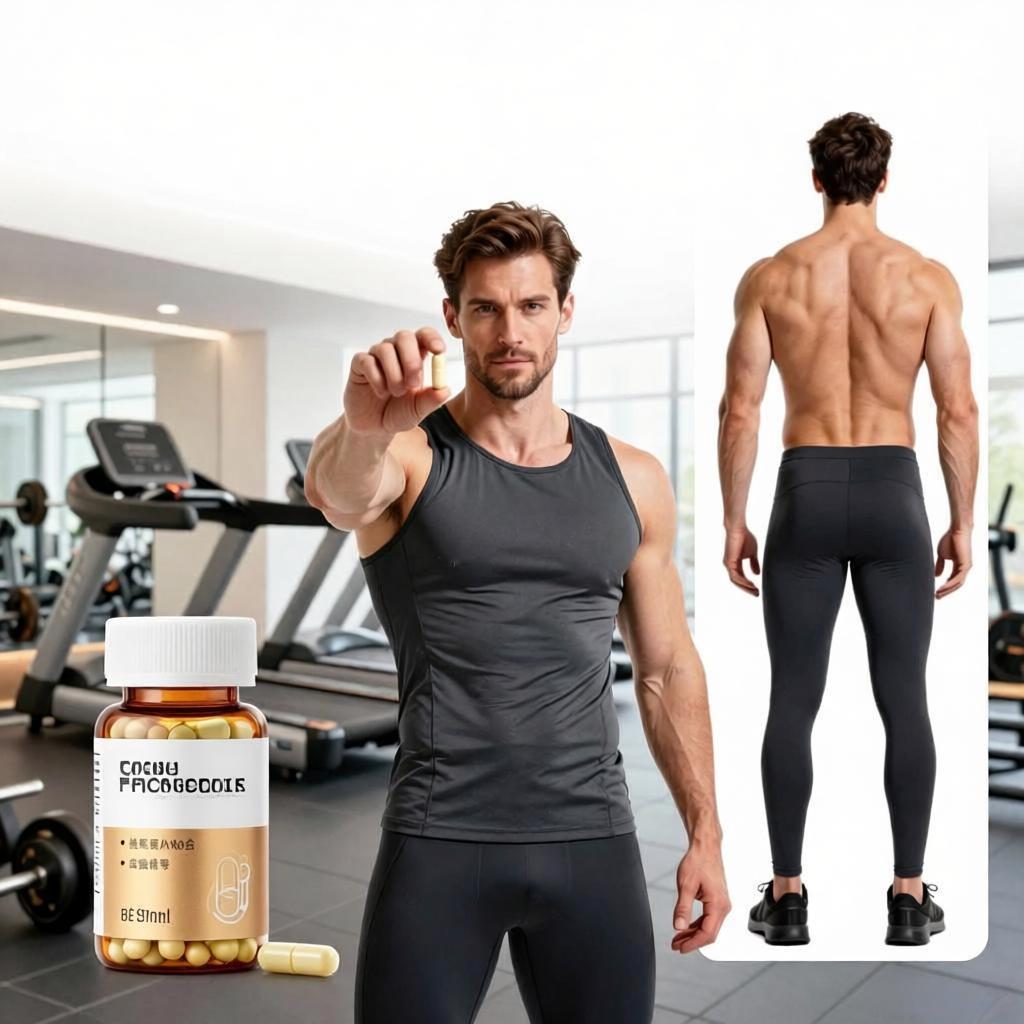
The Complete Guide to Acid Resistant Creatine Monohydrate Probiotics Powder Wholesale
Introduction
The convergence of sports nutrition and gut health represents one of the most significant opportunities in the dietary supplement industry today. As consumer awareness of the gut-muscle axis grows, innovative formulation strategies are emerging to address previously unmet market needs. Among these innovations, acid resistant creatine monohydrate probiotics powder wholesale offerings have garnered substantial attention from brand owners seeking to differentiate their product lines while delivering dual-action benefits to health-conscious consumers.
Traditionally, creatine monohydrate and probiotics occupied separate supplement categories—one targeting athletic performance and muscle synthesis, the other focusing on digestive health and immune function. However, emerging research on the microbiome’s role in nutrient absorption, inflammation regulation, and recovery has created compelling reasons to combine these ingredients into a single, synergistic formulation. The challenge lies in ensuring both components maintain their efficacy throughout shelf life and within the gastrointestinal tract.
For B2B buyers, supplement brand owners, and contract manufacturing decision-makers, understanding the technical, regulatory, and commercial aspects of these combination products is essential for successful product development. This comprehensive guide examines the science behind acid resistant creatine monohydrate probiotics powder wholesale products, explores current market dynamics, details manufacturing considerations, and provides actionable insights for bringing these innovative formulations to market.
The Science Behind Combined Creatine and Probiotic Formulations
Understanding Creatine Monohydrate Mechanisms
Creatine monohydrate remains the most extensively researched and validated ergogenic aid in sports nutrition. Over 700 peer-reviewed studies have demonstrated its efficacy in increasing muscle phosphocreatine stores, enhancing ATP resynthesis during high-intensity exercise, and promoting lean mass accretion. The standard therapeutic dosage ranges from 3-5 grams daily, with loading protocols of 20 grams per day for 5-7 days accelerating saturation.
The absorption profile of creatine monohydrate is well-characterized. Following oral ingestion, creatine is absorbed primarily in the small intestine via sodium-dependent creatine transporters, with bioavailability estimated at approximately 99% for pure creatine monohydrate. Peak plasma concentrations occur within 60-90 minutes post-ingestion, making timing strategies relevant for athletes seeking acute performance benefits.
However, creatine stability presents formulation challenges. In aqueous environments, creatine can cyclize to creatinine, particularly at elevated temperatures or extreme pH levels. While this degradation is minimal in properly stored powder products, liquid formulations and certain manufacturing processes require careful temperature control and moisture management to preserve potency.
The Gut-Muscle Axis: Why Probiotics Matter for Athletes
The rationale for combining creatine with probiotics extends beyond simple convenience. The gut microbiome influences athletic performance through multiple mechanisms. First, probiotic strains such as Lactobacillus acidophilus, Bifidobacterium bifidum, and Lactobacillus rhamnosus GG have demonstrated capacity to enhance intestinal barrier integrity, potentially improving nutrient absorption—including amino acids and micronutrients essential for muscle protein synthesis.
Second, specific probiotic strains modulate systemic inflammation. Intense exercise triggers acute inflammatory responses and oxidative stress. Certain lactobacilli and bifidobacteria strains produce short-chain fatty acids, particularly butyrate, which exert anti-inflammatory effects and support recovery. Research published in the International Journal of Sports Nutrition and Exercise Metabolism found that multi-strain probiotic supplementation reduced inflammatory markers and improved recovery in trained athletes.
Third, emerging evidence suggests probiotic supplementation may influence creatine kinetics indirectly. A healthy gut microbiome contributes to optimal digestive transit time and intestinal surface area, potentially maximizing creatine transporter activity. While direct studies on probiotic-creatine interactions remain limited, the theoretical framework for synergistic effects is compelling.
Acid Resistance Technology: Critical for Probiotic Survival
The term “acid resistant” in acid resistant creatine monohydrate probiotics powder wholesale formulations refers primarily to probiotic strain selection and delivery technology. Standard probiotic bacteria face significant mortality when exposed to gastric acid, with studies indicating 90-99% population reductions for unprotected strains. This severely limits the number of viable colony-forming units (CFUs) reaching the intestines, where colonization and therapeutic effects occur.
Acid resistant probiotics employ several strategies to enhance survival. Strain-level adaptation involves selecting naturally acid-tolerant strains through directed evolution or screening processes. Certain Lactobacillus species, particularly L. gasseri and L. plantarum, demonstrate inherent gastric acid resistance due to robust cell wall structures and efficient proton pumping mechanisms.
Microencapsulation technology represents another approach. Probiotic cells are encased within protective matrices—typically alginate, pectin, or polysaccharide-based coatings—that shield bacteria from low pH environments while permitting controlled release in the neutral pH conditions of the small intestine. Studies demonstrate microencapsulation can increase probiotic survival rates by 10-100 fold compared to unencapsulated counterparts.
Advanced delivery systems include lipid-based encapsulation, spray-drying with protective carriers like maltodextrin and gum arabic, and patented technologies such as BIO-tract or DUOLAC delivery systems. Each approach offers distinct advantages in terms of CFU protection, manufacturing scalability, and cost-effectiveness.
For B2B buyers, understanding these technologies is crucial for evaluating supplier capabilities and ensuring product claims align with actual probiotic survival throughout shelf life and gastrointestinal transit.
Market Trends and Demand Analysis
Global Sports Nutrition Market Growth
The global sports nutrition market reached approximately $45.2 billion in 2023, with projections indicating growth to $68.7 billion by 2030, representing a compound annual growth rate (CAGR) of 6.2%. Within this market, creatine supplements account for an estimated $2.1 billion annually, making creatine monohydrate the single best-selling sports supplement ingredient by volume.
Several factors drive sustained creatine demand. Mainstream adoption beyond competitive athletes has expanded the addressable market. Recreational gym-goers, aging adults seeking sarcopenia prevention, and cognitive health-conscious consumers now represent significant customer segments. Research linking creatine to improved cognitive function, particularly in sleep-deprived and elderly populations, has opened entirely new market categories.
Probiotic Market Expansion
The global probiotic market similarly demonstrates robust growth, valued at $71.5 billion in 2023 with projections reaching $109.2 billion by 2030 (CAGR 6.3%). While dairy-based probiotics remain the largest category, dietary supplements represent the fastest-growing segment, driven by consumer preference for standardized dosing, longer shelf life, and convenience.
Sports-specific probiotic formulations constitute an emerging category within the broader probiotic supplement market. Research-driven consumers increasingly recognize the gut-health-performance connection, creating demand for products specifically formulated for active individuals. This subcategory is projected to grow at 8.4% CAGR through 2030, outpacing both the general probiotic and sports nutrition markets.
The Convergence Opportunity
Acid resistant creatine monohydrate probiotics powder wholesale products sit at the intersection of these two high-growth markets. Several demographic and behavioral trends support combination product demand:
The “stacking” behavior common among supplement consumers creates natural receptivity to multi-ingredient formulations. Rather than purchasing separate creatine and probiotic products, convenience-seeking consumers prefer all-in-one solutions that simplify daily routines while reducing per-serving costs.
The personalized nutrition movement has increased consumer sophistication regarding ingredient selection and mechanism of action. Today’s informed supplement users understand the scientific rationale behind formulation choices and actively seek products demonstrating synergistic benefit potential.
Clean label trends favor combination products that reduce total ingredient count. Rather than consuming multiple separate supplements—each with its own excipients, flavors, and packaging—a single well-formulated combination product appeals to ingredient-conscious consumers seeking streamlined supplementation.
Regional market analysis suggests particularly strong demand in North America (42% market share), Europe (28%), and Asia-Pacific (22%), with the latter demonstrating the fastest growth due to rising fitness culture and increasing disposable income in markets like China, India, and Southeast Asia.
Manufacturing Considerations for Combination Formulations
Formulation Challenges and Solutions
Creating stable, efficacious acid resistant creatine monohydrate probiotics powder wholesale products requires addressing several technical challenges inherent to combination formulations.
Moisture sensitivity represents a primary concern. Creatine monohydrate is hygroscopic, absorbing environmental moisture that accelerates degradation to creatinine. Probiotics similarly require low moisture environments to maintain CFU viability throughout shelf life. Powder formulations must balance these moisture sensitivities with acceptable mouthfeel and mixability characteristics.
Manufacturing solutions include controlled humidity processing environments (typically below 35% relative humidity), moisture-barrier packaging such as high-density polyethylene with desiccant packets, and carrier selection that minimizes water activity. Common carriers include maltodextrin, which provides bulking properties while maintaining low water activity, and inulin or fructooligosaccharides (FOS), which serve dual purposes as prebiotic fibers and moisture-management ingredients.
Temperature sensitivity during manufacturing is equally critical. Probiotic viability degrades rapidly at temperatures exceeding 45-50°C. While creatine itself is relatively heat-stable, typical manufacturing processes—including blending, milling, and packaging—can generate friction-related temperature increases. Cold processing environments, temperature monitoring throughout production, and minimized residence times in equipment help preserve probiotic viability.
Taste masking presents another formulation consideration. Creatine monohydrate has a slightly bitter, chalky flavor profile that some consumers find objectionable. Probiotics contribute minimal flavor but may impart dairy-like notes depending on fermentation substrates. Flavor system development must create palatable products without introducing excessive sugars or artificial ingredients that conflict with clean label positioning.
Natural flavor options include fruit flavors (citrus, berry, tropical), which pair well with powder format expectations, and vanilla or chocolate profiles for creamier applications. Sweetener selection should consider target market preferences, with stevia, monk fruit, and erythritol offering clean label compatibility, while sucralose provides cost-effective intensity for value-oriented products.
Bioavailability Optimization
Maximizing bioavailability of both creatine and probiotic components requires careful formulation design. For creatine, co-ingestion with carbohydrates or protein may enhance muscle uptake via insulin-mediated stimulation of muscle creatine transporters. Formulations including dextrose, maltodextrin, or protein carriers can leverage this mechanism, though carb-free formulations remain viable for keto-conscious consumers.
Probiotic bioavailability centers on CFU survival to intestinal colonization sites. Beyond acid resistance technology discussed earlier, formulation factors include prebiotic inclusion, synergistic strain combinations, and storage stability optimization. Prebiotics like inulin, FOS, and galactooligosaccharides (GOS) provide fermentable substrates supporting probiotic growth and persistence.
Strain combinations should demonstrate documented compatibility, avoiding competitive exclusion effects. Multi-strain formulations typically include 2-8 distinct species or strains, with total CFU counts ranging from 1 billion to 50 billion per serving depending on target application and therapeutic intent.
Quality Control During Production
Robust quality control protocols are essential for acid resistant creatine monohydrate probiotics powder wholesale manufacturing. Critical control points include:
Raw material identity testing using methods such as HPLC for creatine purity, PCR confirmation for probiotic strain identity, and microbiological screening for pathogens including Salmonella, E. coli, and Staphylococcus aureus.
In-process testing for blend uniformity, moisture content, and particle size distribution ensures consistent product quality. Probiotic CFU testing should occur at multiple production stages to quantify any viability losses during manufacturing.
Finished product testing encompasses creatine potency verification, probiotic CFU counts at time of manufacture and through accelerated stability studies, heavy metals screening (lead, arsenic, cadmium, mercury), and dissolution testing where applicable.
OEM/ODM Advantages for Brand Owners
Low Minimum Order Quantities
One of the most significant advantages of partnering with established manufacturers for acid resistant creatine monohydrate probiotics powder wholesale production is access to competitive minimum order quantities (MOQs). Traditional manufacturing relationships often required MOQs of 50,000 units or more, creating substantial capital barriers for emerging brands.
Modern OEM/ODM facilities increasingly offer flexible MOQs, with some supporting orders as low as 1,000-5,000 units for standard formulations. This accessibility enables market testing, limited-edition releases, and startup brand launches without prohibitive inventory investments.
MOQ structures typically vary based on customization level. Stock formulations using standard ingredient combinations and packaging options offer the lowest MOQs. Custom formulations requiring unique ingredient sourcing, specialized flavor development, or novel packaging configurations necessitate higher minimum orders reflecting setup costs and production efficiencies.
For acid resistant creatine monohydrate probiotics powder wholesale specifically, MOQs may range from 2,000-10,000 units depending on probiotic strain complexity, encapsulation technology employed, and packaging requirements. Bulk powder orders for further processing typically offer greater flexibility than retail-ready packaged products.
Customization Capabilities
OEM/ODM partnerships provide extensive customization options allowing brands to differentiate in competitive markets. Formulation customization encompasses ingredient selection and dosing, with flexibility to adjust creatine content (typically 3-5g per serving), probiotic CFU levels (1-50 billion CFU), and supporting ingredients including prebiotics, electrolytes, amino acids, or adaptogens.
Flavor development represents another customization dimension. Manufacturers with in-house flavor labs can develop unique taste profiles exclusive to client brands, preventing direct flavor comparisons with competitor products. Natural flavor innovations aligned with consumer preferences—such as exotic fruit combinations or trending flavors like yuzu, elderflower, or blood orange—can significantly impact market success.
Packaging customization extends beyond simple label design to include container materials (PET, HDPE, glass, pouches), closure systems (standard caps, induction seals, moisture barriers), and secondary packaging. Sustainable packaging options including recycled materials, biodegradable containers, and minimal packaging designs address growing environmental consciousness among supplement consumers.
Speed-to-Market Benefits
Time-to-market represents a critical competitive factor in the fast-moving dietary supplement industry. OEM/ODM partnerships offer significant speed advantages compared to in-house manufacturing development.
Leveraging existing manufacturing infrastructure, quality systems, and regulatory compliance capabilities eliminates 12-24 months of facility development and certification that would otherwise be required. Established supplier relationships for raw materials ensure reliable ingredient sourcing without lengthy qualification processes.
Typical development timelines for acid resistant creatine monohydrate probiotics powder wholesale products range from 8-16 weeks for stock formulations to 16-24 weeks for custom formulations, assuming regulatory requirements are met. This acceleration enables brands to respond rapidly to market trends and consumer demands.
First-mover advantage in emerging product categories can be decisive. Brands capable of launching innovative combination products ahead of competitors capture initial market share and establish category leadership positions difficult for later entrants to displace.
Quality Assurance and Compliance
GMP Certification Requirements
Good Manufacturing Practice (GMP) certification is fundamental for any facility producing acid resistant creatine monohydrate probiotics powder wholesale products. GMP encompasses systematic quality management covering personnel qualifications, facility design, equipment maintenance, documentation systems, and process validation.
Multiple GMP standards apply depending on target markets. In the United States, FDA 21 CFR Part 111 establishes dietary supplement GMP requirements, enforced through facility inspections and warning letters for non-compliance. International markets may require additional certifications including:
ISO 22000 for food safety management systems, integrating Hazard Analysis Critical Control Points (HACCP) principles. NSF International GMP certification, recognized globally for dietary supplement quality. BRCGS (British Retail Consortium Global Standards) certification for European market access. FSSC 22000 for food safety system certification aligned with ISO standards.
For B2B buyers, verifying supplier GMP certifications through independent database searches rather than relying solely on supplier-provided documentation ensures certification validity and current status.
Third-Party Testing and Verification
Independent third-party testing provides objective quality verification beyond manufacturer self-testing. Key testing categories include:
Potency verification through HPLC analysis confirms creatine monohydrate content meets label claims, typically requiring ≥95% purity. Probiotic CFU counts should be verified by plate count methodology at time of manufacture and confirmed through stability testing at product expiration.
Purity screening for contaminants including heavy metals (lead, arsenic, cadmium, mercury), pesticide residues, solvent residues, and microbiological pathogens ensures product safety. Testing should meet or exceed limits established in USP, FDA, or relevant international pharmacopeia standards.
Identity testing using methods such as PCR for probiotic strain verification and spectroscopic analysis for creatine authentication prevents ingredient substitution fraud—a significant concern in the dietary supplement industry.
Certificates of Analysis (COA) should accompany each production batch, documenting testing results for potency, purity, identity, and physical specifications including moisture content, particle size, and flow properties.
Shelf Life and Stability Considerations
Shelf life determination for acid resistant creatine monohydrate probiotics powder wholesale products requires accelerated stability studies following ICH guidelines. Temperature and humidity conditions typically include 25°C/60% RH for long-term stability and 40°C/75% RH for accelerated testing.
Creatine stability studies should demonstrate creatinine formation below acceptable thresholds (typically <5% degradation) throughout claimed shelf life. Probiotic viability studies must document CFU maintenance above labeled potency at product expiration, accounting for expected die-off rates.
Typical shelf life claims for properly formulated powder products range from 18-24 months from manufacture. Extended shelf life claims require comprehensive real-time stability data supporting label claims.
Storage condition recommendations should appear on product labeling, typically specifying storage in cool, dry environments away from direct sunlight. Some formulations may require refrigeration for optimal probiotic viability, impacting distribution and retail requirements.
Labeling Compliance
Regulatory compliance for product labeling varies by market but generally requires accurate ingredient listing, correct potency declarations, appropriate structure-function claims language, and required disclaimers.
In the United States, FDA regulates dietary supplement labeling under 21 CFR Part 101. Key requirements include:
Supplement Facts panel with ingredient names, quantities per serving, and percent Daily Value where established. Ingredient listing in descending order of prominence by weight. Allergen declarations for major food allergens. Structure-function claims must include the required disclaimer: “These statements have not been evaluated by the Food and Drug Administration. This product is not intended to diagnose, treat, cure, or prevent any disease.”
Country-of-origin marking, net quantity declarations, and manufacturer/distributor identification complete standard labeling requirements.
International markets impose additional requirements. European Union markets require novel food assessments for certain ingredients, EFSA-compliant health claims, and multilingual labeling. Canada requires Natural Product Number (NPN) licensing. Australia requires listing on the Australian Register of Therapeutic Goods (ARTG) for therapeutic claims.
Working with manufacturers experienced in target market regulations ensures labeling compliance and prevents costly reformulations or market access delays.
Formulation Format Comparison
Powder Format Advantages
Powder formulations represent the dominant format for acid resistant creatine monohydrate probiotics powder wholesale products, offering several distinct advantages over alternative delivery systems.
Dosing flexibility represents a primary powder benefit. Consumers can adjust serving sizes based on body weight, training phase, or loading protocols. Standard creatine dosing of 3-5 grams daily may be increased during loading phases or reduced for lighter individuals. Powder formats accommodate this flexibility impossible with pre-measured capsules.
Cost-effectiveness favors powder formulations significantly. Without encapsulation costs, powder products typically retail 30-50% lower than equivalent capsule formulations on a per-serving basis. This price advantage resonates with cost-conscious consumers and enables competitive pricing strategies.
Bioavailability concerns favor powder for creatine specifically. Research suggests creatine absorption may be marginally enhanced in powder form mixed with fluids compared to encapsulated formats requiring additional dissolution time. While the practical significance remains debated, some athletes prefer powder for theoretical uptake advantages.
Taste customization through flavoring and mixing with preferred beverages enhances consumer experience. Unflavored powders can be added to protein shakes, juices, or smoothies without affecting taste, while flavored varieties offer convenience for water-mixing applications.
Capsule Format Considerations
Capsule formulations address specific consumer preferences despite higher costs. Taste-averse consumers prefer capsules that eliminate direct contact with ingredient flavors. Travel convenience and precise dosing without measuring devices appeal to on-the-go users.
However, capsule sizing presents formulation challenges. A typical 5-gram creatine serving requires 10-15 capsules depending on capsule size, potentially deterring consumers expecting convenient supplementation. Reduced per-capsule creatine content may necessitate multiple daily servings, complicating compliance.
Probiotic inclusion in capsules remains viable, though manufacturing must address temperature sensitivity during encapsulation. Encapsulation equipment generates friction heat potentially impacting probiotic viability, requiring temperature monitoring and rapid processing.
Gummy Format Emerging Opportunities
Gummy supplements represent the fastest-growing format category, with market growth exceeding 12% CAGR. While traditional gummies present significant technical challenges for creatine-probiotic combinations—primarily moisture content incompatible with probiotic survival—innovative formulation approaches are emerging.
Low-moisture gummy technologies utilizing specialized gelling agents and controlled water activity can achieve shelf-stable formats with acceptable probiotic viability. Microencapsulated probiotics with moisture barrier coatings offer additional protection.
Creatine stability in gummies remains challenging due to inherent moisture and potential for creatinine formation. Formulation strategies include creatine coating technologies and reduced total creatine content compensated through bioavailability enhancement.
B2B buyers considering gummy formats for creatine-probiotic combinations should carefully evaluate supplier technical capabilities and stability data supporting shelf life claims.
Frequently Asked Questions
What makes probiotics “acid resistant” and why does it matter?
Acid resistant probiotics employ specific strain selection, microencapsulation technology, or protective carrier systems to enhance survival through the acidic gastric environment. Standard probiotic strains may experience 90-99% mortality during gastric transit, severely limiting intestinal colonization potential. Acid resistant technologies increase viable CFU delivery by 10-100 fold, meaning consumers receive therapeutic doses rather than largely inactive supplements.
For combination products with creatine, acid resistance ensures probiotics complement rather than compete with creatine absorption. Both ingredients require passage through the stomach to reach optimal absorption sites, making gastric survival a shared priority.
What is the typical shelf life for creatine-probiotic powder products?
Properly formulated and packaged products typically maintain potency for 18-24 months from manufacture. Creatine stability is generally excellent in low-moisture powder formats, with creatinine formation below 5% throughout shelf life. Probiotic viability requires more careful management, with CFU counts designed to exceed label claims at manufacture, accounting for gradual die-off throughout shelf life.
Reputable manufacturers formulate with probiotic overage (typically 20-50% above label claim) to ensure potency at product expiration. Accelerated stability studies at 40°C/75% RH provide preliminary shelf life projections, with real-time studies confirming actual performance.
What MOQ should I expect for custom formulations?
Minimum order quantities vary significantly based on customization complexity. Stock formulations using standard ingredients and packaging may offer MOQs of 1,000-3,000 units. Custom formulations requiring unique probiotic strains, specialized encapsulation technologies, or proprietary flavor systems typically require MOQs of 5,000-15,000 units to offset development and setup costs.
Bulk powder orders for further processing or private labeling offer greater flexibility, with some manufacturers supporting orders as low as 100-500 kilograms for standard formulations.
How should creatine-probiotic products be stored?
Storage recommendations vary by formulation. Standard powder products should be stored in cool, dry conditions (below 25°C, relative humidity below 60%) away from direct sunlight. After opening, products should be consumed within 60-90 days to ensure probiotic viability.
Some formulations may recommend refrigeration for optimal probiotic stability, particularly those without acid resistance technology or those using strains sensitive to ambient conditions. Retail distribution and storage conditions must align with label recommendations.
What certifications should I verify when selecting a manufacturer?
Critical certifications include GMP compliance (FDA 21 CFR Part 111 in the US, or equivalent international standards), ISO 22000 or FSSC 22000 for food safety management, and relevant third-party certifications such as NSF International or USP verification.
For international markets, additional certifications may include Halal and Kosher certification for religious compliance, organic certification for organic product claims, and non-GMO verification for clean label positioning.
Can creatine and probiotics be combined in a single product without stability issues?
Yes, with appropriate formulation expertise. Key considerations include moisture control to protect probiotic viability and prevent creatine degradation, temperature management during manufacturing, and packaging providing adequate moisture and oxygen barriers.
Many successful combination products exist in the market, demonstrating technical feasibility. Partner selection should emphasize manufacturers with documented experience producing stable, efficacious combination formulations.
What are typical dosing recommendations for combination products?
Standard creatine dosing remains 3-5 grams daily for maintenance, with loading phases of 20 grams daily (divided into 4 doses) for 5-7 days optionally used to accelerate saturation. Probiotic dosing varies by strain and intended application, with typical recommendations ranging from 1-10 billion CFU daily for general wellness to 20-50 billion CFU for therapeutic applications.
Combination products should balance these considerations, typically offering 3-5 grams creatine with 5-20 billion CFU probiotics per serving. Higher CFU products may command premium pricing but should demonstrate clinical rationale for elevated dosing.
How do I evaluate different suppliers for these products?
Supplier evaluation should encompass manufacturing capability verification, quality system assessment, regulatory compliance history, and technical expertise validation. Request facility audits or virtual tours, review COA samples, verify certification status through issuing bodies, and speak with reference clients.
Technical expertise assessment should specifically address probiotic handling experience, acid resistance technology capabilities, and stability study design and interpretation. Manufacturers unable to provide comprehensive stability data supporting shelf life claims may warrant additional scrutiny.
Conclusion
The combination of acid resistant creatine monohydrate with probiotics represents a scientifically grounded, commercially viable product opportunity in the evolving dietary supplement landscape. Understanding the technical complexities—from probiotic survival technologies to creatine stability optimization—enables informed decision-making throughout product development.
Market dynamics strongly favor innovative combination products that address multiple consumer needs efficiently. The convergence of sports nutrition and gut health categories creates differentiation opportunities for brands capable of delivering efficacious, stable formulations with compelling value propositions.
Success in this product category requires partnership with experienced manufacturers possessing demonstrated capabilities in both creatine and probiotic formulation. Quality assurance protocols, regulatory compliance expertise, and flexible manufacturing arrangements enable brand owners to bring differentiated products to market efficiently while maintaining quality standards consumers expect.
For B2B buyers and supplement brand owners, the acid resistant creatine monohydrate probiotics powder wholesale category merits serious consideration for product development pipelines, offering science-backed differentiation in competitive supplement markets.
Disclaimer: These statements have not been evaluated by the Food and Drug Administration. This product is not intended to diagnose, treat, cure, or prevent any disease. The information provided in this article is for educational and informational purposes only and does not constitute medical advice. Always consult with a qualified healthcare professional before starting any supplement regimen.