










Quick Answer for B2B Buyers
A lower minimum order quantity can reduce inventory exposure, but a successful private-label supplement launch depends on more than bottle count. Choose the format, confirm the minimum for the actual formula and pack, approve channel-specific documentation, and release the first order against a written checklist. A 500-bottle option is a starting point for eligible projects, not a universal minimum or a guaranteed launch timeline.
For Amazon, TikTok Shop and Shopify sellers, the first manufacturing order is also a test of the operating model: can you price the product profitably, support its claims, store it correctly and replenish without changing the customer experience? This guide focuses on those first-order decisions rather than treating every supplement as a ready-made viral product.
1. Choose the delivery format before choosing the bottle count
Start with the intended consumer, serving size, ingredient load and use pattern. A visually appealing gummy may be a good commercial concept, but its nutrient load, flavor, texture and stability still need development. A capsule may suit a concentrated botanical formula, while a powder can make sense for larger serving sizes. None of these formats automatically delivers higher repeat purchase or better margins.
| Format | First-order approval priorities | Cost or feasibility questions |
|---|---|---|
| Gummies | Taste, texture, active specification, unit weight and fill count | Can the ingredient load fit the gummy? What are the final-pack storage conditions? |
| Capsules / tablets | Dose, material compatibility, fill or compression feasibility and appropriate performance tests | What tooling, shell or excipient choices are needed? Is the serving practical? |
| Powders | Serving size, blend sampling, preparation instructions, flow and moisture control | What are the manufacturing batch and pack minimums? How is consistency verified? |
Use the kids multivitamin gummy project page or magnesium glycinate gummy product reference to start a format discussion. For a larger powder serving, review the grape BCAA powder concept. A product reference is not a substitute for a signed specification.
2. Separate formula MOQ from packaging MOQ
Ask for the minimum manufacturing batch, the filled-unit minimum and the artwork or component minimum separately. These can be different. A custom printed carton, bottle decoration or special pack size can create a commitment larger than the first filled order. Clarify who owns unused packaging, where it is stored and what happens if artwork changes.
If you are discussing a 500-bottle launch, confirm eligibility in writing for the specific formula, units per bottle, pack and destination. Do not apply the same number to a custom capsule or powder project. Request separate quotations for an existing formula with standard packaging, a modified formula, and a fully custom project where relevant.
- Define what stays standard: formula, flavor, shape, bottle or closure.
- Define what becomes custom: artwork, active amounts, testing or pack components.
- Record sampling, analytical, artwork, freight and platform-verification charges.
- Ask whether replenishment uses the same specification and what triggers a new approval.
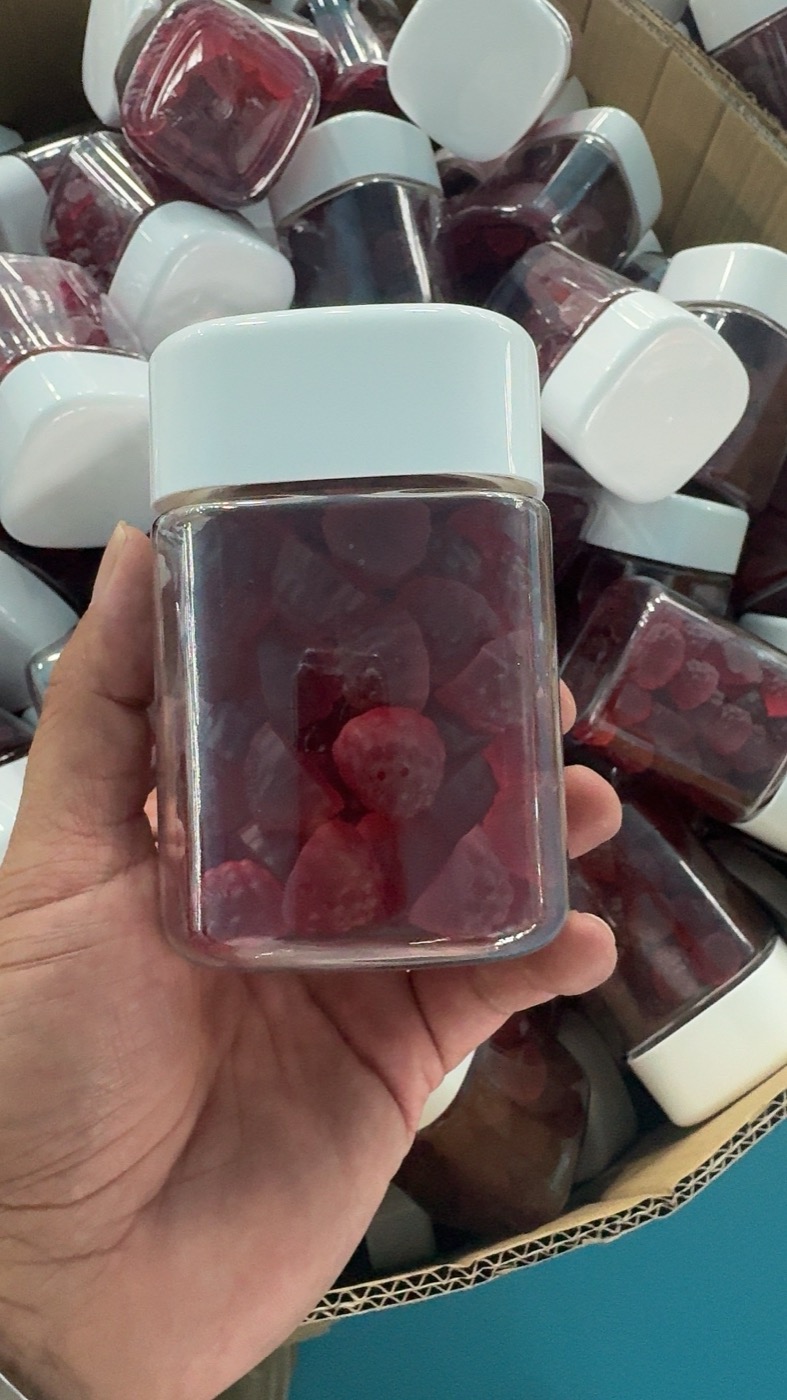
For broader MOQ planning, read our existing low-MOQ manufacturing guide. The additional question here is whether your pilot is ready for its intended selling channel.
3. Build a different release checklist for each channel
The formula can be identical while the operating requirements differ. Prepare the listing, claims, documentation and fulfillment route before committing to inventory. Do not assume a manufacturer can guarantee platform acceptance.
| Channel | Resolve before production | Evidence or approval owner |
|---|---|---|
| Amazon | Applicable supplement verification, listing eligibility, barcode choice, case labels and fulfillment preparation | Seller checks current Seller Central requirements; supplier confirms its actual document and packing scope |
| TikTok Shop | Market-specific category eligibility, product claims, label / listing consistency and fulfillment capacity | Seller reviews local platform rules and signs off on the listing and creative |
| Shopify / DTC | Target-market labeling, substantiated marketing, shipping conditions, returns and customer support | Brand coordinates qualified regulatory review and its logistics partners |
Amazon’s published supplement policy introduced verification through third-party Testing, Inspection and Certification organizations. A supplier COA alone should not be presented as a guaranteed substitute for the platform’s process. Confirm the current requirements for your account, product and market in Seller Central. HPLC is an analytical technique, not a universal requirement for every ingredient and every finished product.
For the US market, FDA facility registration is not product approval. Keep claims, label review and safety responsibilities separate from registration status. Avoid using registration as an “FDA-approved” badge in your listing.
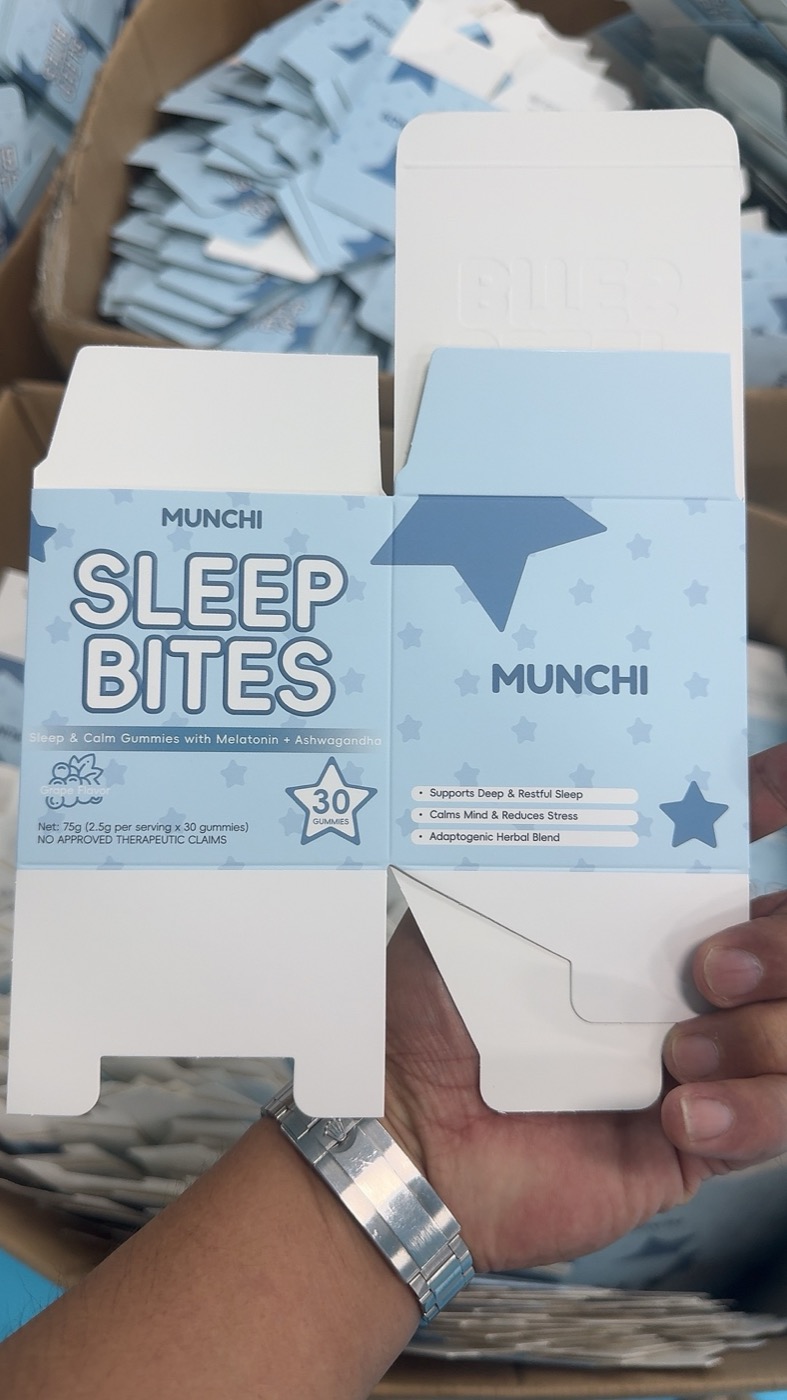
4. Treat summer shipping as a validation question, not a slogan
Pectin and gelatin are formulation choices; neither justifies an untested promise that gummies will never soften, stick or deform above a particular temperature. Ask for the intended storage conditions and relevant stability or transport evidence in the final pack. Consider duration, humidity, closure, seal, route and handling, not temperature alone.
Agree on how samples will be checked: sticking, appearance, flavor, unit integrity and relevant analytical attributes. Select a sensible transit-assessment plan with the supplier and logistics provider. Results from one pack or shipping route do not automatically apply to another.
Discuss tamper evidence, label adhesion, barcode readability and case protection together. If Amazon preparation is included, specify exactly which labels and packing steps are included and who approves them. “FBA ready” should describe an agreed scope rather than serve as an unconditional compliance guarantee.
5. Put approval gates in the timeline
A fast response to an inquiry is not the same as a finished sample, a released production batch or a delivered shipment. Request a project-specific schedule that starts from named approvals. Inventory, formula complexity, packaging availability, testing and freight can all affect the critical path.
| Gate | What must be approved | What can delay the next step |
|---|---|---|
| Brief and quotation | Formula assumptions, quantity, pack, destination and commercial scope | Missing ingredient or pack information |
| Sample acceptance | Taste / performance review and signed product specification | Reformulation or additional trials |
| Artwork and components | Label review, pack proofs and component availability | Printing, tooling or changes after approval |
| Production and release | Agreed batch records, tests and release responsibilities | Required analytical work or investigation |
| Dispatch | Shipping documents, packing, route and receiving arrangements | Freight capacity, customs or destination preparation |
Do not plan an advertising launch around an unsupported 10–15 day blanket promise. Reserve campaign timing against the confirmed production and delivery milestones, and allow for platform verification where it applies.
6. Measure pilot economics and plan replenishment
Compare landed cost per sellable unit, not just the factory bottle price. Include development, packaging, verification, freight, duties where applicable, fulfillment, platform fees, returns and marketing. Low MOQ reduces inventory exposure but can increase unit cost. It does not mean ads require minimal spend or the product will sell profitably.
For the pilot, track sell-through, return reasons, customer feedback on flavor or use, damage and fulfillment reliability. Decide the reorder trigger before launch using your confirmed lead time and a practical safety-stock plan. If a formula, ingredient source, label or pack changes, document the change rather than treating replenishment as an identical order.
7. Send NuCoreBio a quote-ready launch brief
Include target country and channel, formula or concept, delivery format, intended consumer, serving size, units per pack, pack preference, order quantity, artwork status and required launch date. Request sample availability, the actual MOQ, document scope and a schedule tied to approvals.
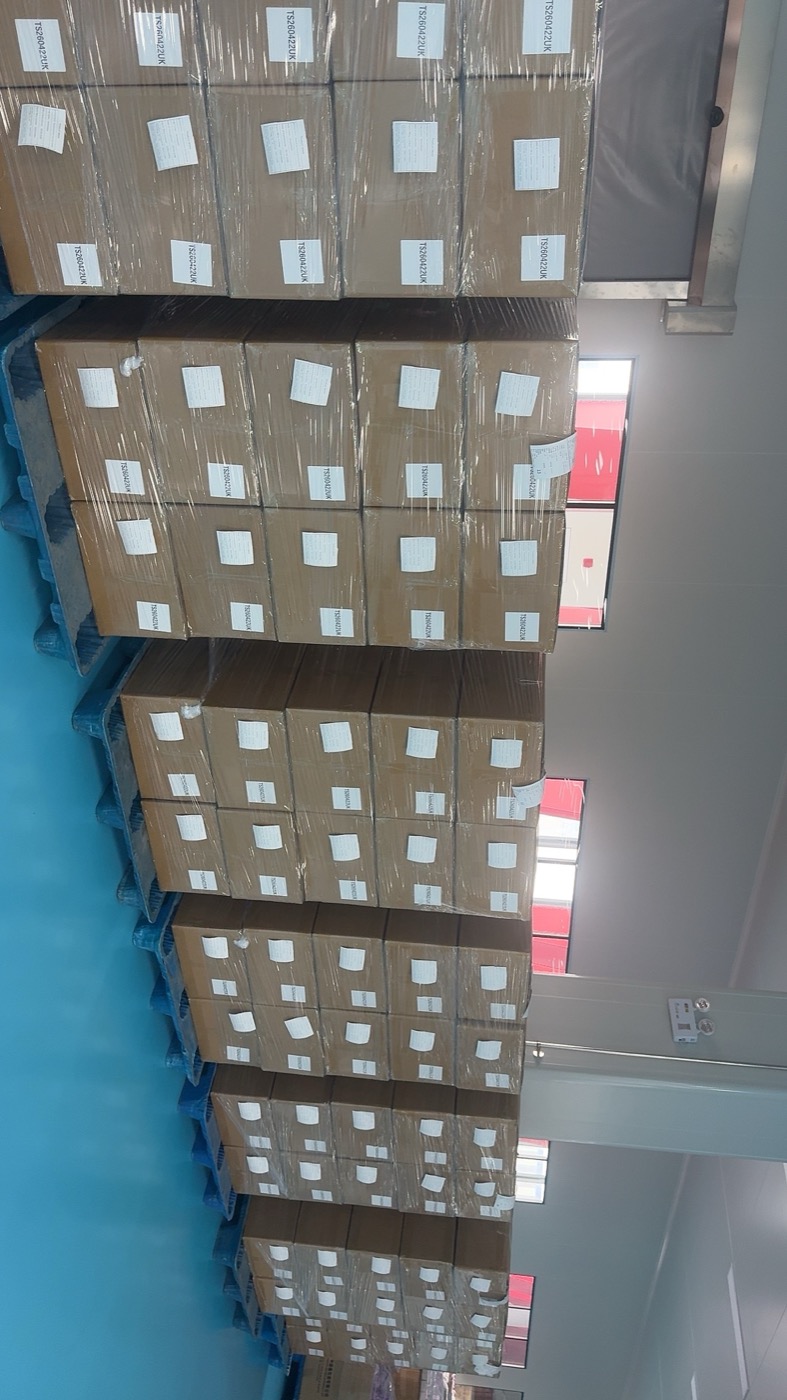
Review our low-MOQ OEM service, supplement manufacturing overview and quality and testing resources. The factory photographs in this guide provide real packaging and goods-staging context; request project-specific records to evaluate your own order.
Request a sample kit and custom quotation. Confirm sample eligibility, availability and any shipping or development charges with the team.
Buyer Questions
Does a 500-bottle option apply to every private-label supplement?
No. Confirm the minimum for the actual formula, manufacturing batch, filled unit and packaging components. Eligibility varies by project.
Does a pectin gummy automatically pass hot-weather shipping?
No. Review the final formula and packaging with appropriate storage, stability and transport evidence for the planned route.
Can a supplier COA guarantee Amazon acceptance?
No. The seller must confirm the applicable platform verification requirements. A batch COA is part of a document package, not a guarantee of listing approval.
When should I schedule my first advertising campaign?
Use confirmed release and delivery milestones, plus platform verification where applicable, rather than an unconfirmed generic manufacturing lead time.
Source Notes
Platform and regulatory context: Amazon supplement verification policy announcement and FDA guidance on registration versus approval. Check the current rules for the actual destination and seller account.