










Introduction
The global demand for adaptogenic herbs has experienced unprecedented growth over the past decade, driven by increasing consumer awareness of stress management, hormonal balance, and natural wellness solutions. Within this expanding market, Tongkat Ali (Eurycoma longifolia) has emerged as one of the most sought-after botanical ingredients, particularly in the sports nutrition, male health, and general wellness sectors. For brand owners, supplement manufacturers, and private label operators seeking to capitalize on this trend, identifying a reliable water soluble Tongkat Ali extract powder supplier has become a strategic priority that directly impacts product quality, formulation flexibility, and market competitiveness.
Water solubility represents a critical differentiator in Tongkat Ali supplementation. Traditional Tongkat Ali extracts often suffer from poor bioavailability due to inadequate dissolution in aqueous formulations, limiting their effectiveness in beverages, ready-to-drink products, and certain capsule applications. Advanced water-soluble extraction technologies have addressed these limitations, enabling manufacturers to develop products with enhanced absorption rates, improved stability profiles, and greater formulation versatility. This article provides an in-depth examination of water soluble Tongkat Ali extract powder, covering the underlying science, market dynamics, manufacturing considerations, and practical guidance for B2B procurement decisions.
Understanding the nuances of Tongkat Ali sourcing, extraction methodology, quality specifications, and supply chain logistics is essential for brands seeking to develop differentiated products. Whether you are launching a new line of Tongkat Ali supplements, reformulating existing products, or exploring opportunities in the functional beverage space, the information presented here will equip you with the knowledge necessary to make informed decisions when selecting and working with water soluble Tongkat Ali extract powder suppliers.
Product Science and Mechanism of Action
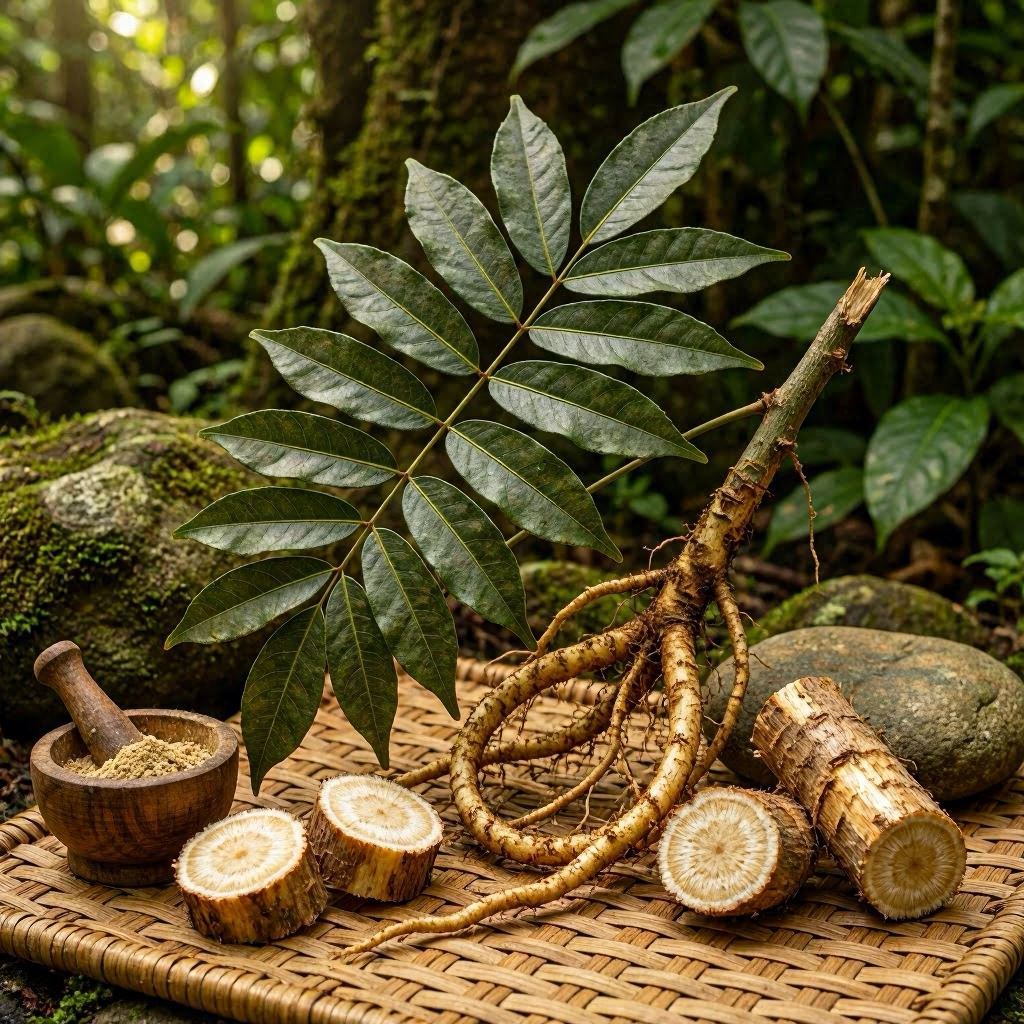
Tongkat Ali, also known as Longjack or Eurycoma longifolia Jack, is a flowering plant native to Southeast Asian countries including Malaysia, Indonesia, Thailand, and Vietnam. The root of this plant has been used for centuries in traditional medicine systems to address fatigue, enhance vitality, and support male reproductive health. Modern scientific investigation has validated many of these traditional applications while revealing the complex phytochemistry responsible for the herb’s physiological effects.
The bioactive compounds in Tongkat Ali responsible for its adaptogenic and tonic properties include eurypeptides, alkaloids, quassinoids, and various glycosides. Among these, the eurypeptide fraction has received particular attention from researchers due to its demonstrated effects on testosterone modulation, cortisol regulation, and protein synthesis pathways. Studies indicate that these peptides work through multiple mechanisms, including stimulation of the hypothalamic-pituitary-gonadal axis, enhancement of luteinizing hormone release, and support for free testosterone availability.
Water soluble Tongkat Ali extract powder differs from conventional extracts primarily in its enhanced bioavailability profile. Standard alcohol or hydroalcoholic extractions often produce lipophilic concentrates that may not dissolve effectively in aqueous media. Water soluble variants undergo specialized processing techniques—including enzymatic hydrolysis, microencapsulation, or advanced extraction methods using food-grade solvents—that result in smaller particle sizes and modified surface properties facilitating rapid dissolution.
The solubility advantage translates directly into formulation benefits. Water soluble Tongkat Ali extract powder can be incorporated into clear beverages, effervescent tablets, powdered drink mixes, and liquid supplements without the cloudiness or precipitation issues common with traditional extracts. This opens opportunities for functional beverage applications that were previously impractical with Tongkat Ali as an active ingredient.
Research published in peer-reviewed journals has documented the dose-dependent effects of Tongkat Ali extracts, with most clinical studies utilizing standardized extracts providing 200-400mg of total extract daily, equivalent to approximately 100-200mg of eurypeptide content. When sourcing water soluble variants, brand owners should verify that suppliers provide standardized specifications for key bioactive markers, ensuring consistent potency across production batches.
Market Trends and Demand Analysis
The global adaptogenic herbs market, valued at approximately $10.3 billion in 2022, is projected to grow at a compound annual growth rate of 6.2% through 2030, according to industry research from verified market research organizations. Within this broader category, Tongkat Ali specifically has demonstrated even stronger growth indicators, driven by expanding applications in sports nutrition, testosterone support supplements, and general wellness products targeting stress and energy.
North America and Europe represent the fastest-growing regional markets for Tongkat Ali supplements, fueled by consumer interest in natural alternatives to pharmaceutical interventions for energy and vitality support. The male health supplement segment, valued at over $4 billion globally, increasingly features Tongkat Ali as a key ingredient in formulations addressing testosterone support, athletic performance, and age-related vitality concerns.
Market research indicates that water soluble ingredient formats are experiencing accelerated demand compared to traditional capsule and tablet presentations. The functional beverage market, estimated at $27 billion globally and growing at approximately 7% annually, has created substantial demand for water soluble botanical extracts that can be incorporated into ready-to-drink products. This trend has directly benefited suppliers specializing in water soluble Tongkat Ali extract powder, as brand owners seek to diversify their product portfolios beyond conventional supplement formats.
Consumer preference data reveals that purchasers of Tongkat Ali products prioritize efficacy (72%), clean label formulations (68%), and product transparency (64%) when making purchasing decisions. Water soluble formats align well with these preferences, as they enable cleaner ingredient declarations, faster-acting formulations, and more versatile product development opportunities.
The competitive landscape for water soluble Tongkat Ali extract powder suppliers has intensified as demand has grown. Southeast Asian manufacturers benefit from proximity to raw material sources, while quality-focused suppliers have invested in advanced extraction technologies and international certifications to differentiate their offerings. Brand owners evaluating suppliers should consider not only pricing but also extraction methodology, quality control protocols, and supply chain reliability when making sourcing decisions.
Manufacturing Considerations and Technical Specifications
Successful incorporation of water soluble Tongkat Ali extract powder into supplement formulations requires attention to several technical parameters that directly influence product performance and shelf stability. Understanding these manufacturing considerations enables brand owners to specify requirements accurately and evaluate supplier capabilities effectively.
Extraction methodology represents the foundational factor determining extract quality. Water soluble Tongkat Ali extract powder is typically produced through one of several approaches: enzymatic hydrolysis using proteolytic enzymes to break down complex peptides into smaller, more soluble fractions; supercritical fluid extraction followed by water solubilization; or proprietary extraction processes combining multiple techniques. Each methodology yields different bioactive profiles, and suppliers may guard process details as proprietary information. Brand owners should request detailed technical documentation, including extraction parameters, standardization methods, and comparative solubility data.
Particle size distribution critically affects dissolution behavior in finished products. High-quality water soluble variants typically achieve particle sizes below 200 mesh (75 microns), enabling rapid dissolution in both cold and warm aqueous media. Suppliers should provide particle size distribution data from laser diffraction analysis, demonstrating consistent performance across temperature ranges relevant to intended applications.
Bulk density considerations influence handling characteristics during manufacturing and determine final product packaging requirements. Water soluble Tongkat Ali extract powders typically exhibit bulk densities ranging from 0.3-0.6 g/mL, though this can be modified through processing techniques to meet specific formulation needs. Understanding bulk density enables accurate dosing calculations and appropriate equipment selection for blending operations.
Moisture content and water activity specifications ensure microbial stability and prevent degradation during storage. Quality specifications should target moisture content below 5% and water activity below 0.6, particularly for powders intended for extended shelf storage or use in moisture-sensitive formulations. Suppliers should provide Certificates of Analysis documenting these parameters for each production batch.
Solubility testing protocols should be standardized and reproducible. Professional water soluble Tongkat Ali extract powder suppliers will provide dissolution data demonstrating complete dissolution in water at specified temperatures within defined timeframes—typically complete dissolution within 2-3 minutes at room temperature. This data should be available for both neutral pH and acidic conditions simulating beverage applications.
Shelf life stability represents another critical consideration. Premium water soluble extracts should maintain potency specifications for a minimum of 24 months when stored under recommended conditions (cool, dry environment, protected from direct sunlight). Accelerated stability testing data, extrapolated using Arrhenius kinetics, can provide preliminary shelf life projections, though real-time stability data remains the gold standard for verification.
OEM/ODM Partnership Benefits for Brand Owners
Engaging with a capable water soluble Tongkat Ali extract powder supplier through OEM (Original Equipment Manufacturing) or ODM (Original Design Manufacturing) partnerships offers strategic advantages for brand owners at various stages of business development. These manufacturing relationships enable rapid market entry, reduced capital requirements, and access to specialized expertise that would be impractical to develop internally.
Low minimum order quantities (MOQs) have democratized access to premium ingredients for emerging brands and private label operators. While traditional contract manufacturing arrangements often required commitments of 500kg or more for custom specifications, progressive suppliers now offer MOQs starting at 5-10kg for standardized water soluble Tongkat Ali extract powder, enabling smaller brands to test market demand before scaling production. This flexibility significantly reduces inventory risk and allows for iterative product refinement based on consumer feedback.
Formulation customization services extend beyond basic ingredient supply to encompass complete product development support. Reputable suppliers maintain formulation teams capable of assisting with prototype development, flavor masking for bitter botanical profiles, and stability testing for challenging delivery formats. For brands without internal R&D capabilities, these services can accelerate development timelines by months compared to sourcing ingredients and manufacturing separately.
Speed-to-market considerations favor established supplier relationships. Suppliers with proven track records in water soluble Tongkat Ali production can often deliver initial samples within 2-3 weeks and production quantities within 4-6 weeks of order confirmation. This responsiveness enables brands to capitalize on market trends and seasonal demand patterns without extended lead times that characterize less experienced suppliers or custom extraction projects.
Supply chain transparency distinguishes premium OEM/ODM partners. Suppliers who control their raw material sourcing—through relationships with certified plantations or cooperatives in Southeast Asian production regions—can provide greater supply security and traceability documentation. This vertical integration reduces exposure to commodity price volatility and supply disruptions that can impact less integrated competitors.
Intellectual property protection deserves consideration in supplier relationships. Formal agreements should address confidentiality of proprietary formulations, non-disclosure of business relationships, and clear delineation of ownership for any custom developments or process innovations. Professional suppliers will have standard contractual provisions addressing these concerns and should be willing to negotiate terms that protect brand owner interests.
Quality assurance protocols integrated into OEM/ODM partnerships streamline regulatory compliance. Suppliers experienced with international markets maintain documentation systems supporting FDA labeling requirements, EU Health Claims Regulation compliance, and other jurisdiction-specific requirements. This infrastructure reduces compliance burden for brand owners while ensuring finished products meet applicable regulatory standards.
Quality Assurance and Certification Requirements
Rigorous quality assurance represents the cornerstone of reliable water soluble Tongkat Ali extract powder supply. Brand owners must evaluate supplier quality systems across multiple dimensions, from raw material authentication through finished product testing, to ensure consistent product quality and regulatory compliance.
Current Good Manufacturing Practice (cGMP) certification provides the foundational quality framework for supplement ingredient suppliers. cGMP-compliant facilities maintain documented procedures for all aspects of production, including incoming material inspection, production controls, in-process testing, finished product release, and traceability documentation. Third-party audits by organizations such as NSF International, UL, or SGS verify compliance with cGMP requirements and provide independent validation of supplier quality systems.
Identity authentication testing addresses the critical issue of botanical adulteration, which remains a concern in the natural products industry. Comprehensive authentication protocols should include macroscopic and microscopic examination, DNA barcoding where appropriate, and chromatographic fingerprinting comparing samples against authenticated reference materials. Suppliers should maintain database libraries of Tongkat Ali samples from verified geographic origins to enable comparison testing.
Potency standardization specifications ensure bioactive consistency across production batches. For Tongkat Ali, key standardization markers include eurypeptide content (typically expressed as bioactive peptide percentage), total alkaloid content, and quassinoid markers such as eurycomanone. Suppliers should provide Certificates of Analysis documenting actual test results for each batch, not merely typical values or target ranges.
Third-party laboratory testing provides independent verification of supplier quality claims. Leading suppliers submit samples to recognized testing laboratories such as Eurofins, Alkemist, or Chromadex for comprehensive analysis including pesticide residues, heavy metals, microbial contamination, and solvent残留. Current third-party test reports should be available upon request and included in product technical documentation packages.
Contaminant screening protocols should address both traditional concerns and emerging issues specific to botanical ingredients. Minimum testing should include microbial limits (total plate count, yeast/mold, E. coli, Salmonella), heavy metal analysis (lead, mercury, cadmium, arsenic), pesticide panels appropriate for the geographic origin of raw materials, and mycotoxin screening where environmental conditions indicate potential risk.
Halal and kosher certifications have become increasingly important for market access, particularly in Southeast Asian, Middle Eastern, and European markets. Brand owners serving these consumer segments should verify that suppliers hold appropriate certifications from recognized certification bodies and that production scheduling can accommodate certification requirements for specific batches.
Organic certification, while less common for Tongkat Ali due to the predominant use of wild-crafted or plantation-sourced conventional materials, is available from qualified suppliers for brands positioning products in the organic supplement segment. Certification requirements include documentation of cultivation practices, prohibited substance use, and segregation throughout processing and storage.
Formulation Format Considerations
The choice of delivery format for Tongkat Ali supplements significantly influences consumer experience, manufacturing requirements, and market positioning. Water soluble Tongkat Ali extract powder provides formulation flexibility across multiple delivery formats, each with distinct advantages and considerations.
Capsules and softgels remain the dominant format for Tongkat Ali supplements, offering convenient dosing, excellent stability, and minimal ingredient disclosure requirements. Water soluble powders can be encapsulated using standard rotary or dosator-type capsule filling equipment, with typical fill weights ranging from 300-600mg per capsule depending on potency specifications and capsule size. The improved bioavailability profile of water soluble formats may enable dose reduction compared to conventional extracts while maintaining equivalent efficacy.
Powdered drink mixes represent an emerging application category particularly suited to water soluble Tongkat Ali extract. Single-serve stick packs or multi-serving tubs containing water soluble powder can be reconstituted with water, juice, or smoothies, offering rapid absorption and customizable dosing. Flavor systems must address the naturally bitter profile of Tongkat Ali through effective masking techniques using natural sweeteners, citrus flavors, or proprietary taste modification technologies.
Effervescent tablets leverage the water solubility advantage directly, with powder dissolution occurring in the target beverage rather than in the body. These products command premium pricing and appeal to consumers seeking convenience and pleasant sensory experiences. Manufacturing requires additional equipment for tablet compression and specialized formulation expertise to achieve appropriate disintegration times and carbonation levels.
Gummy supplements have experienced explosive growth in the broader supplement market, though Tongkat Ali presents unique challenges in this format. The hydrophobic nature of many Tongkat Ali bioactive compounds can create consistency issues in gummy matrices. Water soluble variants facilitate more uniform distribution, though formulation optimization may be required to achieve appropriate texture, flavor balance, and shelf stability in the gummy delivery system.
Ready-to-drink beverages represent the most demanding application for water soluble Tongkat Ali extract, requiring compatibility with acidic pH conditions, thermal processing requirements, and extended shelf stability at ambient temperatures. Water solubility enables incorporation into functional waters, energy drinks, and wellness beverages, though collaboration with experienced beverage formulators is advisable to address the technical complexity of this format.
Format selection should align with target consumer preferences, competitive landscape analysis, and manufacturing capabilities. Some brands choose multi-format strategies, offering identical ingredient systems in different delivery formats to address varied consumer preferences. Water soluble Tongkat Ali extract powder’s versatility enables such strategies without requiring separate ingredient sourcing for each format.
Frequently Asked Questions
What standardization should I request when sourcing water soluble Tongkat Ali extract powder?
Request specifications that include guaranteed minimums for key bioactive markers, particularly eurypeptide content (minimum 30% by weight is common for premium extracts), eurycomanone content (typically 1-2%), and total quassinoid content. The Certificate of Analysis should provide actual test results—not just typical values—and include solubility data demonstrating complete dissolution characteristics. Reputable suppliers will provide standardized specifications that remain consistent across production batches while accommodating reasonable natural variation inherent to botanical ingredients.
How does water solubility affect bioavailability compared to standard Tongkat Ali extracts?
Water soluble extracts demonstrate enhanced bioavailability through improved dissolution kinetics and increased surface area for absorption. Studies comparing water soluble formulations to conventional extracts indicate that bioavailability improvements of 30-50% are achievable through optimized solubility. This enhancement results from the reduced particle size, modified surface properties, and potential pre-digestion of complex peptides during processing. The practical implication is that effective doses may be achievable at lower inclusion levels in finished products.
What is a reasonable minimum order quantity for water soluble Tongkat Ali extract powder?
MOQs vary significantly among suppliers based on their production scale and business model. Entry-level MOQs of 5-10kg are available from some suppliers for standardized formulations, while custom specifications may require 25-50kg minimums. Production-scale orders typically fall in the 100-500kg range for regular supply arrangements. Brands should balance inventory carrying costs against per-kilogram pricing when evaluating MOQ requirements, as volume pricing often improves substantially at 100kg and above.
How should water soluble Tongkat Ali extract powder be stored to maintain stability?
Recommended storage conditions typically specify cool, dry environments with temperatures below 25°C (77°F) and relative humidity below 60%. Containers should remain tightly sealed when not in use to prevent moisture absorption, which can promote clumping and accelerate degradation. Under these conditions, quality water soluble extracts maintain potency specifications for 24-36 months. Freezing should be avoided as moisture condensation upon thawing can compromise powder quality. Some suppliers offer nitrogen flushing or vacuum packaging for enhanced moisture protection.
What regulatory considerations apply to Tongkat Ali supplement products?
In the United States, Tongkat Ali root extract is listed in the FDA’s Dietary Ingredient Inventory and is generally recognized as safe (GRAS) for use in dietary supplements. Finished products must comply with FDA labeling requirements, including ingredient declaration, Supplement Facts formatting, and any applicable claims requirements. Health claims related to testosterone or sexual function require careful navigation of FDA guidance. International markets have varying regulatory frameworks—the EU Novel Food Regulation may require pre-market approval for Tongkat Ali in certain applications, while other jurisdictions maintain more permissive approaches.
What testing should I request to verify authenticity and purity?
Comprehensive quality verification should include identity testing via chromatographic fingerprinting, HPLC quantification of marker compounds, microbial testing for safety organisms, heavy metal analysis, and pesticide/residue screening. For ongoing quality assurance, consider requesting representative samples from each production batch for independent verification testing. Some brand owners establish vendor approval protocols requiring suppliers to provide complete COA packages, third-party test reports, and access to underlying testing data for auditing purposes.
Can water soluble Tongkat Ali extract be used in combination with other ingredients?
Tongkat Ali extracts are frequently combined with other adaptogens and performance ingredients including ashwagandha, fenugreek extract, maca root, tribulus terrestris, and various testosterone-supporting compounds. Water solubility generally facilitates compatibility with diverse ingredient combinations, though formulation testing remains advisable to verify stability, absence of adverse interactions, and appropriate taste profiles. Some ingredient combinations may enhance or modulate the effects of Tongkat Ali, and brands should review available research when developing combination formulations.
What lead times should I expect when ordering water soluble Tongkat Ali extract powder?
Standard lead times for standardized formulations typically range from 2-4 weeks for sample quantities and 4-8 weeks for production-scale orders, depending on supplier production schedules and logistics requirements. Custom specifications or first-time orders may require additional time for sample development and approval. International shipping from Southeast Asian production regions adds 2-4 weeks for ocean freight or 1-2 weeks for air freight. Brands should plan inventory replenishment to maintain buffer stocks while accounting for these lead time variables.
Conclusion
Water soluble Tongkat Ali extract powder represents a significant advancement in botanical supplement ingredients, addressing the bioavailability and formulation limitations that constrained earlier extract generations. For brand owners, manufacturers, and private label operators, understanding the technical, commercial, and quality dimensions of this ingredient category enables informed sourcing decisions that support product differentiation and market success.
The science supporting Tongkat Ali’s adaptogenic and vitality-supporting applications continues to strengthen, with ongoing research illuminating mechanisms of action and identifying optimal usage parameters. Market demand shows no indication of weakening, as consumer interest in natural wellness solutions and functional ingredients continues to expand across global markets. Water soluble formats align perfectly with broader industry trends toward beverages, fast-acting formulations, and clean label products.
Successful partnerships with water soluble Tongkat Ali extract powder suppliers depend on thorough evaluation of technical capabilities, quality systems, and commercial terms. Brands should prioritize suppliers demonstrating transparent quality documentation, appropriate certifications, and responsive technical support alongside competitive pricing. The investment in establishing reliable supplier relationships pays dividends through consistent product quality, reduced formulation challenges, and supply chain stability.
As the supplement industry continues evolving toward more sophisticated, science-backed products, water soluble Tongkat Ali extract powder positions brands to deliver genuine value to consumers seeking natural solutions for stress management, energy support, and overall vitality. Strategic sourcing decisions made today will shape competitive positioning in this dynamic market category for years to come.
Disclaimer: These statements have not been evaluated by the Food and Drug Administration. This product is not intended to diagnose, treat, cure, or prevent any disease. The information provided in this article is for educational and informational purposes only and does not constitute medical advice. Always consult with a qualified healthcare professional before starting any supplement regimen.