










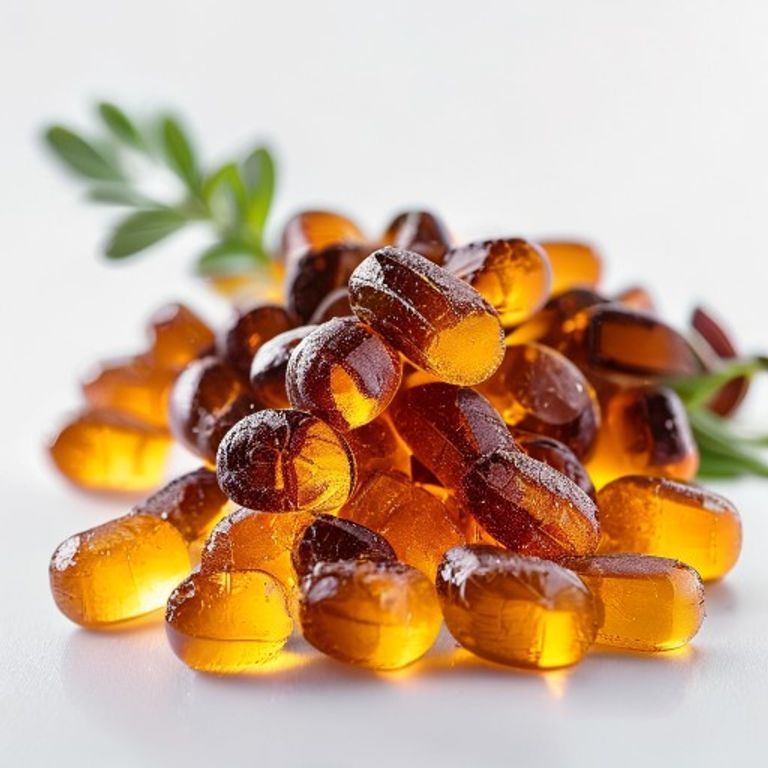
Pectin Based Berberine HCl Gummies: A Comprehensive Guide for B2B Buyers
Introduction
The dietary supplement industry continues to evolve at a remarkable pace, with functional gummies representing one of the fastest-growing delivery formats in the market. Among the most compelling opportunities emerging in this space is the combination of berberine HCl—a clinically studied alkaloid compound—with pectin-based gummy formulations that appeal to health-conscious consumers seeking plant-based alternatives to traditional supplements.
For brand owners, retailers, and wellness companies looking to enter or expand within this category, understanding the complexities of pectin based berberine HCl gummies manufacturing is essential. This production process involves specialized knowledge spanning ingredient sourcing, formulation science, stability optimization, and regulatory compliance. The difference between a successful product launch and a costly failure often hinges on the manufacturing partner’s expertise in these interconnected areas.
This comprehensive guide examines the science behind berberine supplementation, analyzes current market dynamics, and provides actionable insights for B2B buyers evaluating pectin-based berberine gummy production. Whether you are launching a new brand or diversifying an existing supplement line, the information presented here will help you make informed decisions when selecting a manufacturing partner for this specialized product category.
The Science Behind Berberine HCl and Its Health Applications
Understanding Berberine: A Clinically Validated Botanical Compound
Berberine is a benzylisoquinoline alkaloid extracted from several medicinal plants, including Berberis vulgaris (barberry), Coptis chinensis (goldthread), and Hydrastis canadensis (goldenseal). This compound has been used in traditional Chinese medicine and Ayurvedic practices for centuries, but modern clinical research has brought unprecedented attention to its physiological effects.
The mechanism of action that makes berberine HCl particularly compelling for supplement formulators involves its interaction with AMP-activated protein kinase (AMPK)—an enzyme often described as a “metabolic master switch.” Berberine activates AMPK pathways, which influence glucose metabolism, lipid regulation, and cellular energy homeostasis. This broader systemic effect distinguishes berberine from single-target compounds and explains why it has been studied across multiple health applications.
Clinical research has demonstrated berberine’s positive effects on blood glucose regulation, with multiple studies showing it can match the effectiveness of certain pharmaceutical interventions when used at appropriate dosages. Research published in peer-reviewed journals has indicated that berberine supplementation may support healthy lipid profiles, promote optimal digestive function, and contribute to weight management efforts when combined with healthy lifestyle practices.
Bioavailability Considerations for Berberine Formulation
One of the most significant challenges in berberine supplement development is the compound’s relatively low oral bioavailability, which estimates suggest ranges between 0.5% and 1% in standard formulations. This limitation has driven innovation in delivery systems, with gummy formulations offering unique advantages for enhancing consumer experience and compliance.
The residence time of berberine in the gastrointestinal tract significantly impacts absorption, making flavoring and texture optimization critical factors in pectin based berberine HCl gummies manufacturing. When consumers find a product pleasant to consume and experience minimal aftertaste, they are more likely to maintain consistent supplementation routines, ultimately achieving better outcomes.
Modern formulation approaches incorporate various bioavailability enhancement techniques, including nanoparticle delivery systems, liposomal encapsulation, and synergistic ingredient combinations with compounds that may support berberine absorption. A reputable berberine supplement manufacturer will discuss these options during the formulation development phase.
Market Analysis: Growth Trajectory and Consumer Demand
Global Supplement Gummy Market Expansion
The functional gummy segment represents one of the most dynamic categories within the broader dietary supplement industry. Market research indicates that the global gummy supplement market is valued at approximately $15-18 billion, with compound annual growth rates (CAGR) projected between 8-12% through 2030. North America and Europe remain the largest regional markets, though Asia-Pacific regions are demonstrating accelerated growth as consumer awareness increases.
Within this broader category, berberine-containing products have experienced particularly strong growth, driven by rising consumer interest in blood sugar support, metabolic health, and natural alternatives to pharmaceutical interventions. The ingredient has transcended its traditional positioning as a digestive health compound to become recognized for its broader systemic benefits.
The Plant-Based Gummy Revolution
The shift toward plant-based formulations represents a significant market trend that directly impacts pectin based berberine HCl gummies manufacturing decisions. Vegan and vegetarian consumer segments have grown substantially, with research indicating that approximately 25% of global consumers actively seek plant-based alternatives when purchasing food and supplement products.
Pectin, a polysaccharide extracted from citrus fruits and apples, offers gummy manufacturers an effective gelatin replacement that delivers comparable texture and mouthfeel characteristics. This plant-derived hydrocolloid provides excellent gelling properties while aligning with clean-label consumer preferences for recognizable, natural ingredients.
Market differentiation opportunities exist for brands that successfully combine berberine’s functional benefits with pectin’s consumer-perceived clean label positioning. Products featuring organic pectin, non-GMO verification, and allergen-free formulations command premium pricing and demonstrate stronger consumer loyalty.
Manufacturing Excellence: Pectin-Based Gummy Production
Formulation Development and Ingredient Interactions
Successful pectin based berberine HCl gummies manufacturing requires specialized expertise in hydrocolloid chemistry, acid-base interactions, and process optimization. Unlike gelatin-based gummies, pectin formulations are sensitive to pH levels, requiring precise buffer systems to achieve optimal texture, shelf stability, and dissolution characteristics.
The typical pectin gummy formulation includes several key components beyond the active berberine HCl ingredient:
Pectin serves as the primary gelling agent, with high-methoxyl or low-methoxyl varieties selected based on desired final texture and processing requirements. Sugar or alternative sweeteners provide sweetness and contribute to gummy structure. Acids—commonly citric or malic acid—lower pH to activate the gelling mechanism while also balancing flavor profile. Humectants such as glycerin or sorbitol control moisture retention and prevent crystallization.
Berberine HCl presents unique formulation challenges due to its bitter taste profile and inherent instability under certain pH conditions. Experienced manufacturers employ sophisticated taste-masking technologies, including microencapsulation and flavor systems specifically developed for bitter active ingredients.
Process Engineering and Equipment Considerations
Commercial-scale pectin gummy production utilizes specialized equipment designed to maintain precise control over temperature, mixing, and molding parameters. The manufacturing process generally follows these key stages:
Ingredient preparation involves hydrating pectin in heated sugar syrup before adding acid systems under controlled conditions. Molding and casting require temperature-controlled depositors that fill precise mold cavities with heated slurry. Setting and gelation occur as products cool in controlled environments, allowing the pectin matrix to develop proper structure. Finishing operations include coating with finishing oil or sugar crystals and packaging into consumer-ready containers.
Equipment selection significantly impacts production efficiency and product quality. Modern pectin gummy operations increasingly utilize continuous processing systems that offer advantages in consistency, throughput, and labor efficiency compared to traditional batch processing methods.
Stability and Shelf Life Optimization
Ensuring berberine HCl stability within a pectin gummy matrix requires careful attention to processing parameters and packaging systems. Berberine demonstrates sensitivity to light, heat, and oxidative conditions, necessitating protective strategies throughout production and storage.
Moisture management represents a critical stability factor for all gummy products. Pectin gummies typically achieve shelf lives of 18-24 months when properly formulated and packaged. Desiccant packets, moisture-barrier packaging materials, and low-water-activity formulations all contribute to maintaining product integrity throughout the distribution cycle.
Accelerated stability testing during the development phase provides predictive data regarding long-term performance under various storage conditions. B2B buyers should request stability data and certificates of analysis demonstrating compliance with established specifications before committing to production agreements.
OEM/ODM Manufacturing: Strategic Advantages for Brand Owners
Private Label Manufacturing: Accelerating Market Entry
Original Equipment Manufacturing (OEM) and Original Design Manufacturing (ODM) arrangements offer compelling advantages for brands seeking to enter the pectin based berberine HCl gummies market without investing in dedicated production infrastructure. These partnership models provide access to established manufacturing capabilities, formulation expertise, and supply chain networks.
Private label berberine gummy production through OEM partnerships allows brand owners to leverage existing formulations, modify existing recipes to meet specific requirements, or collaborate on custom development projects. The flexibility inherent in these arrangements supports rapid market entry while maintaining product differentiation through branding, packaging, and specification customization.
Minimum Order Quantities and Production Economics
Understanding minimum order quantity (MOQ) requirements is essential for brands evaluating manufacturing partnerships. MOQ structures vary significantly based on production capabilities, with typical ranges extending from 500 units for smaller operations to 10,000+ units for high-volume production lines.
Brands should evaluate MOQ economics against anticipated sales velocity, storage costs, and working capital requirements. Many manufacturing partners offer flexible arrangements for emerging brands, including staged production schedules that allow inventory accumulation over extended periods.
Speed-to-Market Considerations
The timeline from formulation agreement to packaged product delivery varies based on product complexity, packaging specifications, and production scheduling. Standard private label arrangements typically require 8-12 weeks from approval to delivery, while custom formulation development may extend this timeline to 16-20 weeks.
B2B buyers should clearly communicate launch date requirements during initial partnership discussions to ensure manufacturing capacity availability and appropriate scheduling. Lead time transparency prevents costly rushed production scenarios and ensures quality standards remain uncompromised.
Quality Assurance and Regulatory Compliance
Good Manufacturing Practice Standards
Quality assurance in dietary supplement manufacturing begins with adherence to Good Manufacturing Practice (GMP) standards established by regulatory authorities. GMP-compliant facilities implement comprehensive quality management systems covering personnel qualifications, facility design, equipment maintenance, production procedures, and documentation practices.
Third-party GMP audits by organizations such as NSF International, UL, or the American National Standards Institute provide independent verification of manufacturing quality systems. B2B buyers should verify current audit status and review audit reports when evaluating potential manufacturing partners.
Testing Protocols and Certificate of Analysis
Comprehensive testing protocols ensure berberine HCl identity, purity, potency, and safety throughout the production process. A reputable berberine supplement manufacturer will implement multi-stage testing including:
Raw material verification confirms ingredient identity through methods such as High-Performance Liquid Chromatography (HPLC) or Thin-Layer Chromatography (TLC). In-process testing monitors critical parameters including pH, temperature, and moisture content during manufacturing. Finished product analysis verifies berberine content, microbial limits, heavy metal contamination, and physical characteristics.
Certificate of Analysis (COA) documentation provides batch-specific test results demonstrating compliance with established specifications. B2B buyers should establish clear requirements for COA provision, including testing methodology disclosure and acceptable specification ranges.
Certification Portfolio Considerations
Modern supplement brands increasingly differentiate through certification achievements that address specific consumer segments and quality concerns. Relevant certifications for pectin based berberine HCl gummies include:
USDA Organic certification requires organic ingredient sourcing and compliance with organic production standards. Non-GMO Project Verified status addresses consumer concerns regarding genetically modified ingredients. Halal and Kosher certifications open market access for consumers with religious dietary requirements. Gluten-Free certification supports consumers with celiac disease or gluten sensitivity.
Manufacturing partners with established certification experience can significantly streamline the certification process for brand owners, drawing on existing systems and regulatory relationships.
Format Comparison: Gummies vs. Capsules vs. Powder
Advantages of Gummy Delivery Systems
Pectin-based gummies offer several compelling advantages that have driven their market growth:
Consumer compliance benefits from improved taste and texture compared to traditional supplement formats. Administration simplicity appeals to consumers who prefer chewable formats over swallowing tablets or capsules. Pediatric and geriatric market access expands when consumers have difficulty with conventional solid dosage forms. Product differentiation enables brand positioning through unique shapes, colors, and flavor profiles.
Gummies particularly suit berberine formulations where taste masking enables consumer acceptance of the ingredient’s naturally bitter character. The sensory experience of consuming a pleasant-tasting gummy can significantly impact repeat purchase behavior.
Comparative Considerations
Capsule formats offer advantages in dosing precision, shelf stability, and manufacturing simplicity. However, capsules may present swallowing difficulties for certain consumer populations and offer limited opportunities for brand differentiation through product appearance.
Powder formats provide flexible dosing options and rapid absorption characteristics, but convenience limitations reduce compliance for many consumer segments. Powders also face challenges in taste masking berberine’s bitterness without sophisticated flavor systems.
B2B buyers should evaluate their target consumer demographics, positioning strategy, and competitive landscape when selecting between delivery format options.
Frequently Asked Questions
What berberine HCl dosage is typically used in gummy formulations?
Effective berberine dosages in clinical research typically range from 900mg to 1,500mg daily, divided across multiple doses. Gummy formulations commonly provide 300mg to 500mg of berberine HCl per serving, allowing consumers to achieve total daily intake through multiple gummies. Formulation decisions should consider target consumer needs, desired serving size, and the practical limits of gummy weight and consumer consumption expectations.
How does pectin compare to gelatin for gummy manufacturing?
Pectin and gelatin differ significantly in source material, processing characteristics, and final product properties. Pectin derives from plant cell walls (citrus, apples) while gelatin originates from animal collagen. Pectin gummies offer vegan-friendly positioning, different textural characteristics, and require pH-specific formulation approaches. Both materials can produce high-quality gummies when properly formulated and processed.
What is the typical shelf life for pectin-based berberine gummies?
Properly formulated and packaged pectin gummies typically achieve 18-24 month shelf lives when stored under recommended conditions. Stability depends on moisture content, packaging barrier properties, and storage temperature exposure. Accelerated stability testing provides predictive data for shelf life determination, and manufacturers should provide storage recommendation guidance.
How do bioavailability enhancement techniques work in gummy formats?
Bioavailability enhancement for berberine in gummy formats may incorporate several approaches. Particle size reduction increases surface area for absorption. Synergistic ingredients such as piperine (black pepper extract) may inhibit metabolic breakdown. Specialized delivery systems including nanoemulsions or liposomal encapsulation offer enhanced absorption potential. The appropriate technique depends on formulation goals, regulatory considerations, and manufacturing capabilities.
What certifications should I require from a berberine gummy manufacturer?
Essential certifications include GMP compliance verification, third-party facility audits, and product-specific testing documentation. Depending on your brand positioning and target markets, consider requiring organic certification, non-GMO verification, allergen-free declarations, and religious certification (Halal/Kosher) where relevant. Request certificates of analysis for each production batch and verify third-party testing laboratory credentials.
What factors influence pricing for private label berberine gummy production?
Production pricing depends on ingredient costs (berberine HCl purity and source), formulation complexity, packaging specifications, order volume, and included services (label design, regulatory support). Higher berberine dosages increase per-unit costs. Premium ingredients (organic pectin, specialty flavor systems) add to formulation expenses. Packaging complexity and customization also impact final pricing. Request detailed quotations that itemize cost components for transparent comparison.
Can manufacturers create custom berberine dosage combinations?
Experienced manufacturing partners can develop custom formulations with varying berberine dosages and synergistic ingredient combinations. Common additions include chromium for blood sugar support, alpha lipoic acid for antioxidant benefits, and cinnamon extract for additional metabolic support. Custom development requires additional time and may involve formulation development fees. Discuss your specific requirements with potential manufacturing partners to assess feasibility and timeline.
Conclusion
The market for pectin based berberine HCl gummies represents a compelling opportunity for brands positioned to address growing consumer demand for plant-based, functional supplements. Success in this category requires careful attention to formulation science, manufacturing quality, and strategic partnership selection.
The convergence of berberine’s clinically supported health benefits with consumer preferences for pleasant-tasting, convenient delivery formats creates favorable conditions for market entry and expansion. Pectin’s plant-based positioning aligns with clean-label trends and expands the addressable consumer base beyond traditional supplement users.
For B2B buyers evaluating manufacturing partnerships, the critical evaluation criteria include demonstrated formulation expertise with berberine specifically, quality system certifications and testing protocols, production capacity alignment with your business requirements, and supply chain stability for key ingredients. The ideal manufacturing partner will function as a collaborative resource rather than merely a vendor, contributing formulation insights and market intelligence to support your product’s commercial success.
By understanding the science, market dynamics, and manufacturing considerations outlined in this guide, you are better positioned to navigate the supplier selection process and bring differentiated, high-quality pectin-based berberine gummies to market successfully.
Disclaimer: These statements have not been evaluated by the Food and Drug Administration. This product is not intended to diagnose, treat, cure, or prevent any disease. The information provided in this article is for educational and informational purposes only and does not constitute medical advice. Always consult with a qualified healthcare professional before starting any supplement regimen.