










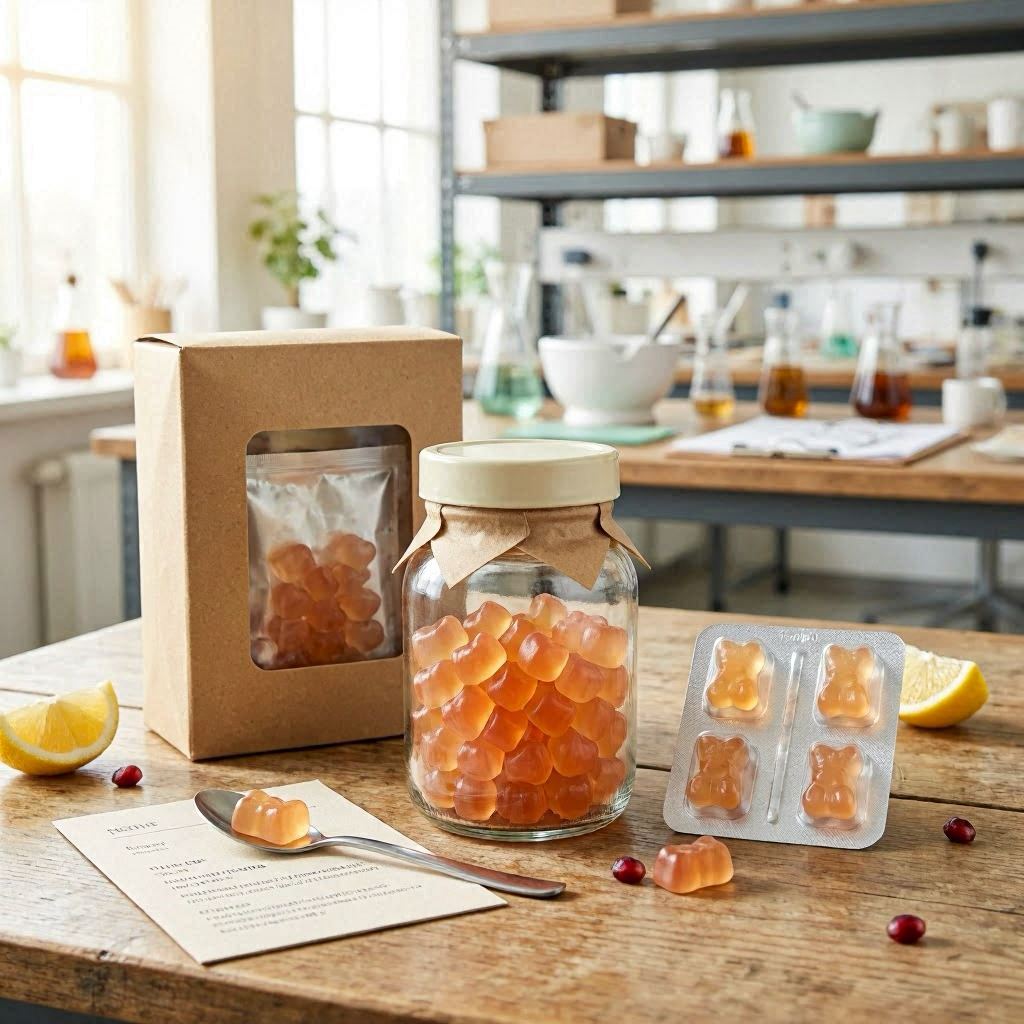
Nano Encapsulated Tongkat Ali Liquid Custom Formulation: A Complete Guide for B2B Supplement Brands
Introduction
The global demand for adaptogenic and testosterone-supporting botanical ingredients has reached unprecedented levels, with Tongkat Ali (Eurycoma longifolia) emerging as one of the most sought-after premium extracts in the male wellness supplement sector. However, despite growing consumer interest, significant formulation challenges have historically limited the bioavailability and clinical efficacy of Tongkat Ali-based products. These limitations have created frustration among brand owners seeking to deliver measurable results to their customers.
Nano encapsulation technology combined with liquid delivery systems now represents the most advanced approach to overcoming these traditional formulation barriers. By reducing particle size to the nanometer scale and suspending actives in optimized liquid matrices, manufacturers can achieve absorption rates that substantially outperform conventional capsule and tablet formats.
This comprehensive guide examines the science, manufacturing considerations, market dynamics, and strategic advantages of nano encapsulated Tongkat Ali liquid formulations for brands sourcing custom supplements. Whether you are launching a new product line, reformulating an existing SKU, or evaluating emerging delivery technologies, this resource provides the technical and commercial intelligence required to make informed sourcing decisions.
The Science Behind Nano Encapsulated Tongkat Ali
Understanding Tongkat Ali Bioactivity
Tongkat Ali is a flowering plant native to Southeast Asia, with roots containing a complex matrix of bioactive compounds including quassinoids (such as eurycomanone), alkaloids, and various flavonoids. These compounds interact with the hypothalamic-pituitary-gonadal axis, supporting endogenous testosterone production through multiple mechanistic pathways. Research indicates that standardized Tongkat Ali extracts—typically standardized to 0.8-1.6% eurycomanone content—can influence free testosterone levels, support energy metabolism, and contribute to general vitality markers.
However, the therapeutic potential of these compounds has been substantially constrained by their poor water solubility, inconsistent absorption profiles, and variable first-pass metabolism when delivered through traditional solid dosage forms. Standard Tongkat Ali capsules and tablets frequently demonstrate absorption rates below 30% of administered dose, resulting in unpredictable consumer experiences and suboptimal clinical outcomes.
Nano Encapsulation Mechanism
Nano encapsulation addresses these bioavailability limitations by reducing Tongkat Ali extract particles to sizes between 10 and 500 nanometers. At this scale, several fundamental physical and chemical properties change substantially:
Surface area increases exponentially, with particles at 100nm demonstrating approximately 100 times more surface area than equivalent mass at micrometer scale. This dramatically improves dissolution kinetics and contact with intestinal absorptive epithelium. Additionally, nanoparticles can exploit paracellular transport pathways typically inaccessible to larger particles, while also benefiting from enhanced permeation through M-cells in Peyer’s patches of the small intestine.
The encapsulation component involves coating or embedding these nano-sized particles within protective matrices—commonly liposomes, micelles, or polymeric nanocarriers. These carriers protect the bioactive compounds from gastric degradation, facilitate lymphatic transport (bypassing first-pass hepatic metabolism), and enable targeted delivery to absorptive cell membranes.
Liquid Formulation Advantages
Liquid delivery systems complement nano encapsulation by providing optimal suspended media for nanoparticle stability and bioavailability. Compared to solid matrices, liquid formulations offer several advantages for Tongkat Ali delivery:
Immediate dispersibility: Nano particles remain uniformly suspended without the aggregation challenges common in dried powder formats.
Sublingual absorption potential: Liquid formats enable drops or sprays that can be held sublingually, where nano-encapsulated actives can be absorbed directly into the bloodstream through the oral mucosa, bypassing gastrointestinal degradation entirely.
Dose flexibility: Liquid formats allow precise dose titration, enabling brands to offer graduated serving recommendations without multiple SKU complexity.
Faster onset of action: Combined nano and liquid delivery can reduce time-to-peak plasma concentration from 2-4 hours (conventional capsules) to under 30 minutes in some formulations.
Market Trends and Industry Demand
Global Market Sizing
The global Tongkat Ali supplement market has demonstrated consistent growth trajectory, with industry analysts projecting market value to exceed $75 million by 2027, representing a compound annual growth rate of approximately 8-10%. This growth is driven by expanding awareness of male wellness concerns, increasing rejection of synthetic testosterone replacement therapies, and rising interest in plant-based adaptogens among consumers aged 30-55.
North America and Europe collectively represent the fastest-growing regional markets, with year-over-year category growth rates exceeding 15% in premium wellness segments. European demand has been particularly strong following EFSA approval pathways for specific health claims, while North American brands continue driving volume through mainstream retail and e-commerce channels.
The broader adaptogen market—within which Tongkat Ali represents a specialized segment—has achieved market valuation exceeding $14 billion globally, with projections suggesting expansion to over $25 billion by 2030. Within this landscape, Tongkat Ali occupies a distinctive position as one of the few botanicals with substantial clinical evidence supporting testosterone-modulating activity.
Consumer Preference Shifts
Contemporary supplement consumers demonstrate increasingly sophisticated expectations regarding product performance. Market research indicates that 67% of regular supplement users have abandoned products within 60 days due to unperceived efficacy—a phenomenon directly correlated with poor bioavailability in conventional formulations. This consumer dissatisfaction has created substantial opportunity for brands offering enhanced-delivery products backed by credible differentiation claims.
Liquid and softgel formats have captured significant market share from traditional capsules and tablets, growing at rates approximately twice that of solid dosage forms. Within the liquid category, ready-to-drink shots and concentrated dropper bottles represent the fastest-growing subsegments, reflecting consumer preferences for convenient, fast-acting products that integrate seamlessly into daily routines.
Manufacturing Considerations for Nano Encapsulated Liquid Products
Formulation Development Process
Developing stable nano encapsulated Tongkat Ali liquid formulations requires sophisticated technical capabilities and rigorous process validation. The manufacturing journey typically progresses through distinct phases:
Pre-formulation characterization involves comprehensive analysis of raw Tongkat Ali extract, including eurycomanone content quantification, particle size distribution analysis, and solubility profiling across various pH and solvent conditions. This stage establishes the foundation for carrier system selection.
Nanoparticle generation employs high-pressure homogenization, ultrasonic cavitation, or solvent evaporation techniques to reduce particle dimensions to target specifications. Each method presents distinct advantages: high-pressure homogenization offers scalability and reproducibility, while ultrasonic methods provide flexibility for smaller batch development.
Carrier system integration suspends the generated nanoparticles within optimized liquid matrices containing emulsifiers, stabilizers, antioxidants, and pH-buffering systems. Carrier selection significantly influences final product performance, with phospholipid-based systems (liposomes) demonstrating particularly high bioavailability enhancement for Tongkat Ali actives.
Stability optimization validates formulation performance across accelerated aging conditions (typically 40°C/75% relative humidity for 3-6 months) and long-term ambient storage. Nano encapsulated products face unique stability challenges, as nanoparticle aggregation or Ostwald ripening can compromise bioavailability over time. Effective stabilization typically requires cryoprotectants, steric stabilizers, and controlled viscosity modifiers.
Bioavailability Validation
Reputable manufacturers validate bioavailability enhancement through comparative pharmacokinetic studies, typically using validated HPLC-MS methods to measure eurycomanone plasma concentrations following single-dose administration. Leading nano encapsulated liquid formulations demonstrate relative bioavailability improvements of 200-400% compared to equivalent-dose conventional extract products.
Brands should request bioavailability data packages from potential manufacturing partners, including:
- Particle size distribution data (D50, D90, polydispersity index)
- Zeta potential measurements indicating suspension stability
- In vitro dissolution and diffusion profiles
- Human bioavailability study summaries or published references
Regulatory Compliance Considerations
Nano materials in supplements exist within a complex and evolving regulatory landscape. In the United States, FDA’s current guidance suggests that nano materials in dietary ingredients should be evaluated for safety on a case-by-case basis, with particular attention to particle size distribution and in vivo behavior.
Manufacturers must maintain comprehensive documentation of:
- Raw material specifications and certificate of analysis
- Manufacturing process validation and batch records
- Particle size characterization data
- Safety assessment documentation
- Label claim substantiation
European Union regulations under EFSA frameworks require additional safety demonstrations for nano-scale materials, including characterization of particle sizes in the final product and assessment of potential absorption differences compared to conventional forms.
Brands entering international markets should engage regulatory specialists to confirm compliance pathways for their specific formulations and target territories.
Strategic Advantages of OEM/ODM Partnerships for Custom Formulation
Low Minimum Order Quantities and Market Testing
The nano encapsulated liquid category presents particular advantages for brands partnering with capable OEM/ODM manufacturers. Modern manufacturing facilities equipped with flexible filling lines can accommodate minimum order quantities as low as 500-1,000 units for custom liquid formulations—substantially reducing market entry risk for emerging brands and enabling comprehensive product testing before committing to large-scale production.
This flexibility enables strategic approaches including:
Regional market testing: Launching products in limited geographic areas to validate consumer response before national or international distribution
SKU proliferation: Testing multiple flavor profiles, concentration levels, or packaging formats to identify optimal product-market fit
Seasonal customization: Adjusting production volumes and formulation specifications to align with demand cycles
Formulation Customization Options
Custom nano encapsulated Tongkat Ali liquid formulations offer extensive differentiation opportunities beyond standard extract products. Brand owners can specify:
- **Concentration customization**: Active levels ranging from 100mg to 500mg standardized extract per serving
- **Carrier system selection**: Liposomal, micellar, or polymeric nanocarrier options with distinct bioavailability profiles
- **Adjunct ingredient formulation**: Synergistic combination with complementary ingredients such as zinc, vitamin D3, fenugreek extract, or ashwagandha
- **Flavor and sweetness profiling**: From unflavored concentrates to fully flavored ready-to-use products with natural or artificial taste systems
- **Packaging configuration**: Dropper bottles, pump dispensers, unit-dose sachets, or push-button spray formats
This customization capability enables brands to develop truly differentiated products that cannot be directly compared against mass-market alternatives—a critical competitive advantage in crowded supplement categories.
Speed-to-Market Acceleration
Traditional supplement development timelines from concept to commercial launch frequently extend 12-18 months. Custom formulation partnerships with established manufacturers can substantially compress these timelines through:
- Access to pre-validated base formulations that require only customization refinements
- Established supplier relationships for raw materials and packaging components
- In-house analytical capabilities for method development and validation
- Regulatory affairs teams familiar with documentation requirements across multiple markets
Well-organized manufacturing partners can deliver custom nano encapsulated liquid products to market within 4-6 months of initial specification confirmation, enabling brands to capitalize on emerging market opportunities with unprecedented speed.
Quality Assurance and Manufacturing Standards
GMP Compliance Requirements
Quality assurance in supplement manufacturing begins with adherence to Current Good Manufacturing Practice (cGMP) regulations. For U.S. market supply, manufacturers must comply with 21 CFR Part 111 requirements, while European suppliers operate under ISO 22000 and FSSC 22000 frameworks.
Core cGMP requirements that B2B buyers should verify include:
- **Facility certification**: Documented third-party audits confirming compliance with dietary supplement GMP standards
- **Personnel qualification**: Training records and competency verification for all production and quality personnel
- **Process validation**: Systematic documentation of manufacturing process capability and reproducibility
- **Change control**: Formal procedures for evaluating and approving modifications to formulations, processes, or suppliers
- **Deviation management**: Documented investigation and resolution of manufacturing anomalies
- **Corrective and preventive action (CAPA)**: Systematic approaches to addressing root causes of quality issues
Third-Party Testing and Verification
Comprehensive quality assurance extends beyond internal manufacturing controls to include independent third-party verification. Reputable manufacturers maintain relationships with accredited testing laboratories capable of providing:
Potency verification: Confirming active ingredient content matches label claims through HPLC, LC-MS, or other validated analytical methods. For Tongkat Ali, eurycomanone content should be quantified with tolerance of ±10% of label claim.
Contaminant screening: Testing for heavy metals (arsenic, cadmium, lead, mercury), residual solvents, pesticides, and microbial contamination. USP <232> and <233> standards provide acceptable limits for elemental impurities.
Identity authentication: Verifying botanical identity of Tongkat Ali source material through DNA barcoding, microscopy, or chromatography fingerprinting to prevent adulteration with related species or inert fillers.
Stability indicating assays: Methods capable of distinguishing active compounds from degradation products, enabling accurate shelf-life determination.
Certificate of Analysis Documentation
Every batch of custom nano encapsulated Tongkat Ali liquid should be accompanied by comprehensive Certificate of Analysis documentation including:
- Batch number and manufacturing date
- Active ingredient potency results with acceptance criteria
- Complete contaminant panel results
- Physical specifications (appearance, pH, viscosity, specific gravity)
- Particle size distribution data for nano-encapsulated materials
- Microbiological results
- Storage conditions and recommended shelf life
- Reference to analytical methods employed
Brands should establish clear specifications and acceptance criteria during contract negotiation, ensuring that COA documentation meets their internal quality requirements and regulatory obligations.
Formulation Format Comparison: Making Strategic Decisions
Liquid Concentrates and Tinctures
Liquid nano encapsulated Tongkat Ali formats offer the highest bioavailability potential among commercially available delivery systems. Concentrated liquid formats—typically delivered via dropper or pump dispenser—enable sublingual absorption of nano-encapsulated actives while providing maximum dose flexibility.
Advantages include rapid absorption onset, customizable dosing, and minimal excipient requirements. However, these products may require refrigeration for optimal stability, and some consumers find the taste profile challenging despite flavoring additions.
Softgel Capsules
Softgel technology presents an intermediate option, encasing nano encapsulated liquid within gelatin or plant-based (vegan) shell materials. Softgels offer consumer-friendly administration with measured dose delivery, enhanced stability through oxygen-barrier shell properties, and superior taste masking compared to direct liquid consumption.
Modern softgel manufacturing can achieve relatively small minimum order quantities (typically 30,000-50,000 units for custom formulations), making this format accessible for emerging brands. However, softgel production requires specialized equipment and expertise not available at all contract manufacturers.
Gummy and Chewable Formats
Gummy supplements represent the fastest-growing delivery format in the supplement industry, with category growth rates exceeding 15% annually. For Tongkat Ali delivery, gummy formats present both opportunities and significant challenges:
Advantages include exceptional consumer acceptance, convenient administration without water, and potential for differentiated product positioning in the growing gummy supplement segment.
Challenges are substantial: gummy manufacturing temperatures (typically 70-90°C) can degrade heat-sensitive nano-encapsulated actives, requiring careful process validation and potentially affecting bioavailability. Additionally, typical gummy serving sizes (2-4 grams per piece) may not accommodate effective nano encapsulated Tongkat Ali doses without substantial flavor and texture adjustments.
Brands seeking gummy nano encapsulated Tongkat Ali products should select manufacturers with documented experience maintaining active integrity through gummy production processes.
Powder Stick Packs
Single-serve powder stick packs offer convenient, portable dosing with potential for nano encapsulated Tongkat Ali inclusion. These formats achieve good taste masking through flavor system engineering and can be combined with other powdered ingredients for comprehensive formulations.
Powder formats require rehydration in liquid prior to consumption, introducing a preparation step that some consumers find inconvenient. However, stick packs offer excellent shelf stability and eliminate concerns about liquid product leakage or spillage during travel.
Frequently Asked Questions
What is the typical dosage range for nano encapsulated Tongkat Ali liquid formulations?
Effective dosages in clinical studies typically range from 200-400mg of standardized Tongkat Ali extract (containing 0.8-1.6% eurycomanone) per serving. Nano encapsulation may enable lower effective doses due to enhanced bioavailability, but manufacturers generally recommend maintaining equivalent active delivery levels to achieve comparable clinical outcomes. Individual brand formulations may vary based on specific product positioning and target consumer demographics.
How long does nano encapsulated Tongkat Ali liquid remain stable?
Properly formulated and manufactured nano encapsulated liquid products typically demonstrate shelf stability of 18-24 months when stored under recommended conditions (typically below 25°C, protected from direct sunlight, with reasonable humidity control). Accelerated stability testing at elevated temperatures provides predictive data for shelf life determination. Users should observe any precipitation or color changes as indicators of potential instability.
What certifications should I require from a contract manufacturer?
Essential certifications include NSF cGMP registration or equivalent third-party GMP certification, ISO 17025 laboratory accreditation for in-house testing capabilities, and specific organic or halal/kosher certifications if relevant to your brand positioning. For nano materials, request documentation of particle size characterization and any relevant safety assessments.
Can nano encapsulated Tongkat Ali be combined with other ingredients?
Yes, nano encapsulated Tongkat Ali liquid bases can accommodate various synergistic ingredients including other adaptogens (ashwagandha, rhodiola rosea), minerals (zinc, magnesium), vitamins (D3, B-complex), and amino acids (L-arginine, ornithine). However, ingredient compatibility testing should validate that adjuvants do not compromise nano particle stability or cause unexpected interactions. Some ingredient combinations may require reformulation of the carrier system.
What is the typical lead time from order placement to delivery for custom formulations?
Standard lead times for custom nano encapsulated liquid formulations range from 6-10 weeks from specification confirmation to finished goods delivery, depending on complexity, packaging requirements, and current production scheduling. Rush orders may be accommodated with premium pricing at many facilities. Brands should build 2-4 weeks of buffer inventory to manage supply chain variability.
How do I verify nano encapsulation quality in finished products?
Request particle size analysis documentation (dynamic light scattering or laser diffraction methods) demonstrating that nanoparticle distribution meets specifications. Zeta potential measurements indicate suspension stability. In vitro dissolution testing comparing your product against conventional Tongkat Ali can demonstrate bioavailability enhancement. Third-party laboratory verification provides independent confirmation of manufacturer claims.
What regulatory claims can be made for nano encapsulated Tongkat Ali products?
Claims must comply with applicable regulations in your target market. In the United States, structure/function claims for testosterone support or vitality may be appropriate with proper substantiation, but disease claims require FDA approval. European markets may permit specific health claims under EFSA approval processes. Consult regulatory specialists for territory-specific guidance. All claims should be supported by competent and reliable scientific evidence.
What packaging options are available for liquid nano encapsulated Tongkat Ali?
Common packaging formats include amber glass bottles with dropper caps (30-60ml typical capacity), Boston round bottles with various closure systems, pump dispensers for measured dosing, and unit-dose sachets or bottles for single-serve applications. Packaging selection influences shelf stability, consumer experience, and production economics. UV-protective packaging is essential for light-sensitive nano encapsulated actives.
Conclusion
Nano encapsulated Tongkat Ali liquid custom formulation represents a sophisticated convergence of advanced delivery technology and traditional botanical wisdom, offering supplement brands unprecedented opportunities to deliver measurable efficacy through enhanced bioavailability. The technical complexities of nanoparticle generation, carrier system optimization, and stability validation demand partnerships with manufacturing partners possessing demonstrated expertise and robust quality systems.
For brands evaluating custom formulation investments, the strategic advantages extend beyond product performance to include market differentiation, regulatory compliance, and supply chain flexibility. The combination of nano encapsulation technology, liquid delivery systems, and OEM/ODM manufacturing models enables brands of all sizes to access premium formulation capabilities previously reserved for large pharmaceutical companies.
Success in this category requires thoughtful product development, rigorous supplier qualification, and clear understanding of consumer needs and regulatory requirements. Brands that invest appropriately in these foundational elements position themselves to capture substantial value in one of the supplement industry’s most dynamic and promising segments.
Disclaimer: These statements have not been evaluated by the Food and Drug Administration. This product is not intended to diagnose, treat, cure, or prevent any disease. The information provided in this article is for educational and informational purposes only and does not constitute medical advice. Always consult with a qualified healthcare professional before starting any supplement regimen.