










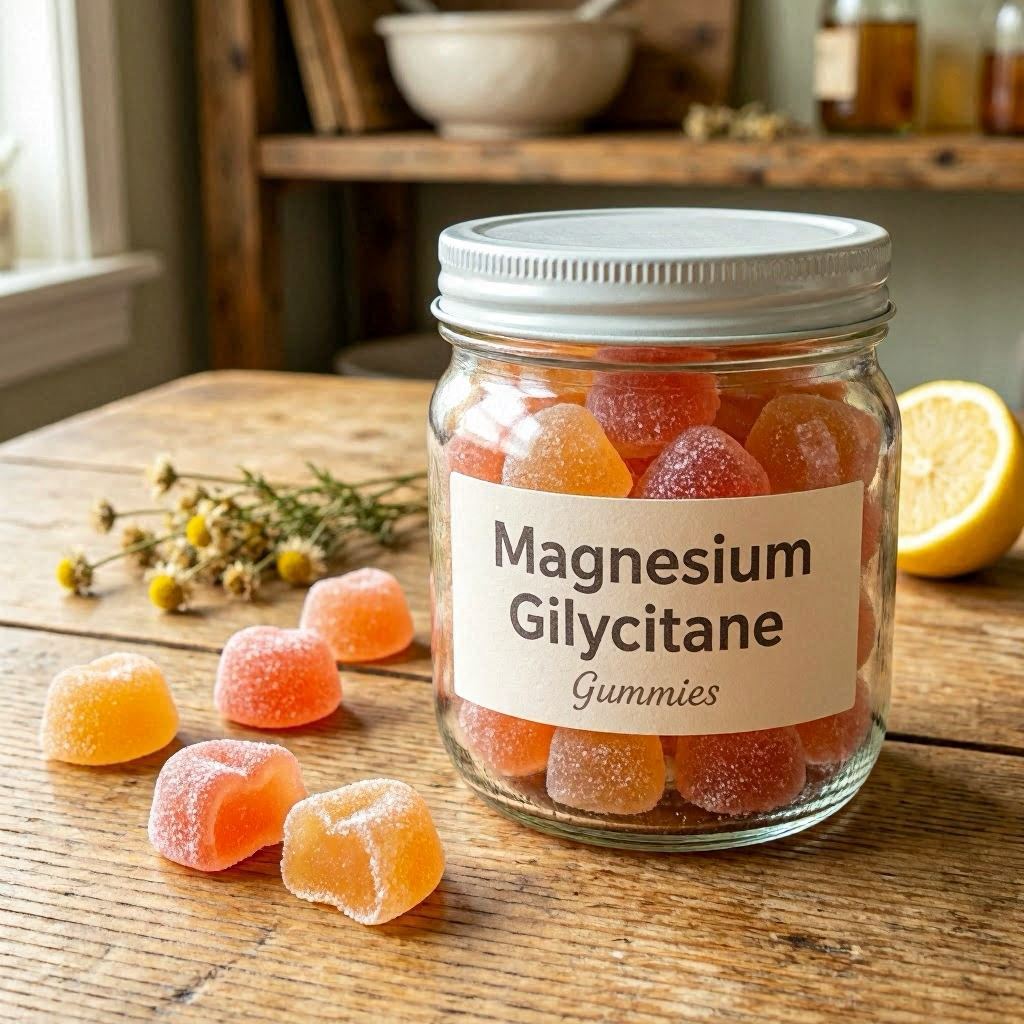
Why Magnesium Glycinate Gummies Are Winning the Sleep & Stress Category
The magnesium supplement market is not new. But magnesium glycinate in gummy form? That is a different story entirely.
Over the past 18 months, search volume for “magnesium glycinate gummies” has grown consistently across Google, Amazon, and TikTok Shop. Consumers are specifically seeking the glycinate chelate form — not oxide, not citrate — because it is recognized as one of the most bioavailable and stomach-friendly forms of magnesium available. When you put that inside a gummy format that people actually enjoy taking, the result is a product with strong repeat purchase rates and low return volumes.
For supplement brand owners and private label buyers, this matters directly to your bottom line.
What Makes Magnesium Glycinate Gummies Different From Standard Magnesium Supplements
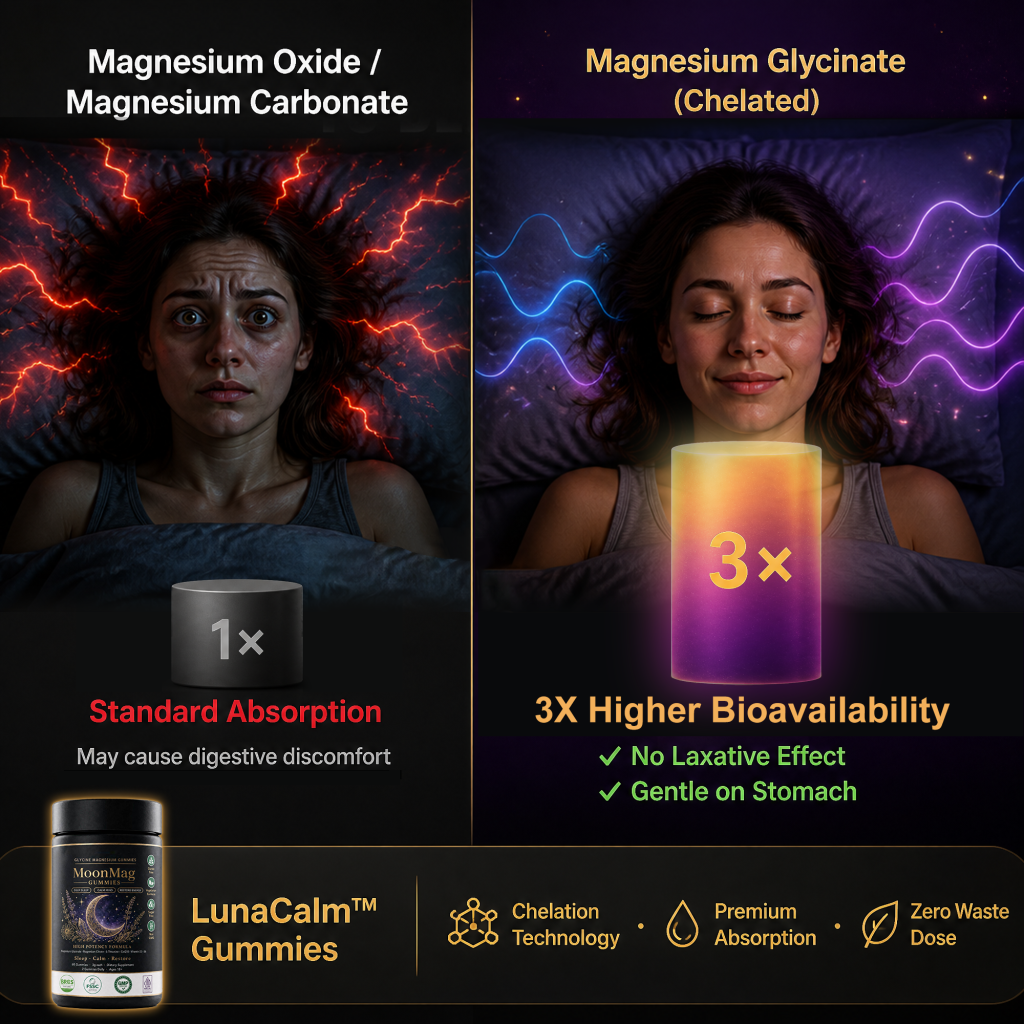
Most magnesium oxide supplements on the market are cheap to produce but carry a well-known drawback: gastrointestinal discomfort at higher doses. Magnesium glycinate is bound to the amino acid glycine, which serves a dual purpose — it improves absorption and contributes to a calming effect that complements magnesium’s role in sleep quality and muscle relaxation.
Key consumer benefits that translate into strong product claims (compliant with FTC and EFSA guidelines):
- Supports normal muscle function
- Contributes to reduction of tiredness and fatigue (EFSA-approved claim for magnesium)
- Supports nervous system function
- May support sleep quality as part of a healthy lifestyle
Because these claims are substantiated by approved health claim frameworks in both the US (structure/function claim model under DSHEA) and the EU (EC Regulation No 432/2012 for magnesium), brands can market this product confidently across North American and European markets without the legal risk that comes with unapproved claims.
The Private Label Opportunity: Margins, MOQ, and Market Positioning
For small to mid-size supplement brands, gummies carry a higher per-unit retail price than capsules or tablets in the same category. A 60-count bottle of magnesium glycinate gummies retails between $18 and $32 depending on dose, flavor, and brand positioning. With contract manufacturing MOQs starting as low as 1,000 to 3,000 units for established manufacturers, entry-level brands can test the market without significant inventory risk.
Positioning options that are performing well for emerging brands in 2025:
Sleep-focused positioning: Magnesium glycinate + L-theanine or chamomile extract combinations in gummy form are among the top-performing SKUs in the sleep support subcategory on Amazon US.
Women’s wellness positioning: Magnesium glycinate is frequently recommended for PMS symptom management and bone health in women over 40 — two audience segments with high willingness to pay and strong brand loyalty.
Clean label / vegan positioning: Pectin-based gummy formulations (as opposed to gelatin) open the product to vegan and halal consumer segments, broadening your addressable market significantly.
Regulatory Compliance Notes for US and EU Markets
United States (FDA / DSHEA): Magnesium glycinate gummies are classified as dietary supplements. Ensure your manufacturer provides a Certificate of Analysis (COA), follows cGMP (21 CFR Part 111), and that your label includes the required Supplement Facts panel. Structure/function claims must be accompanied by the standard disclaimer.
European Union (EFSA): Magnesium is on the EU’s approved list of vitamins and minerals for use in food supplements. Ensure the magnesium glycinate form used complies with the permitted sources listed under Directive 2002/46/EC. Maximum permitted levels vary by member state, so confirm with your regulatory advisor for multi-country EU distribution.
United Kingdom (post-Brexit): The UK follows its own framework under the Food Supplements (England) Regulations 2003, largely mirroring EU rules. MHRA registration is not required for food supplements, but labeling must comply with UK FIC (Food Information to Consumers) regulations.
Questions to Ask Your Supplier Before Placing an Order
Before committing to a magnesium glycinate gummy manufacturer, these are the questions that separate reliable partners from ones that will create compliance problems later:
- What is the chelation ratio of your magnesium glycinate — is it truly bis-glycinate (diglycinate)?
- Do you have third-party testing for heavy metals, microbials, and label claim accuracy?
- What is your gummy base — gelatin or pectin?
- Can you provide an EFSA-compliant specification sheet for EU market customers?
- What flavors and colors are available, and are your colorants compliant with EU Regulation (EC) No 1333/2008 on food additives?
Interested in sourcing magnesium glycinate gummies under your own brand? Contact our team for MOQ details, sample requests, and a full compliance documentation package.