










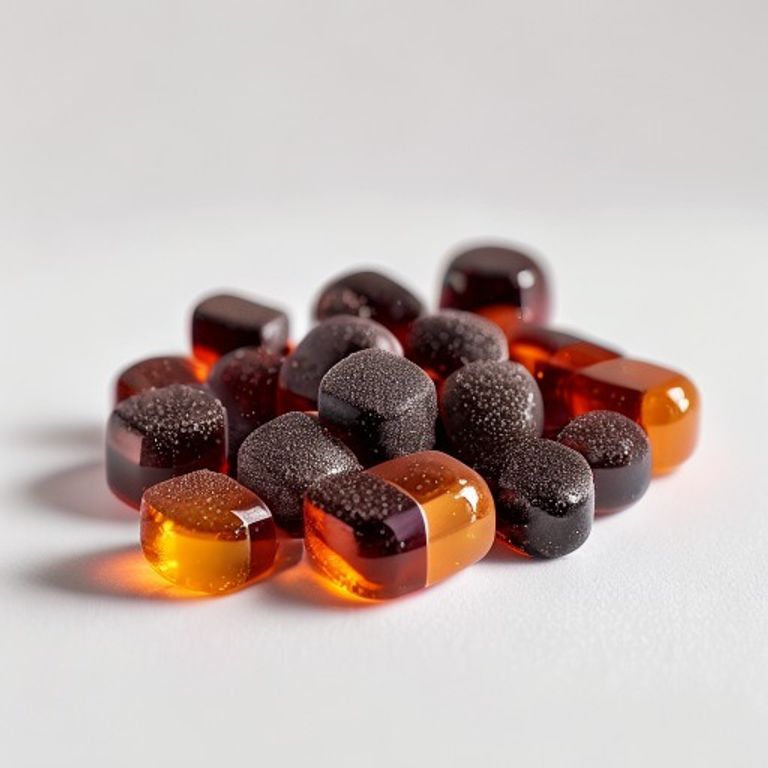
The Complete Guide to Taste Masking Creatine Monohydrate Gummies Contract Manufacturing
Introduction
The sports nutrition and supplement industry continues to evolve at a remarkable pace, with consumer preferences driving manufacturers toward increasingly sophisticated delivery formats. Among the most significant developments in recent years is the rising demand for creatine monohydrate gummies—a format that combines the well-documented performance benefits of creatine with superior palatability and convenience. For brand owners and private label buyers seeking to capitalize on this trend, understanding the complexities of taste masking creatine monohydrate gummies contract manufacturing becomes essential to successful market entry.
Creatine monohydrate remains one of the most researched and effective sports nutrition ingredients available, with extensive clinical evidence supporting its role in enhancing athletic performance, muscle strength, and recovery. However, traditional creatine powder formulations present significant palatability challenges—the characteristic gritty texture and somewhat artificial taste have historically limited consumer compliance and acceptance. The gummy format addresses these limitations directly, offering a chewable, pleasant-tasting alternative that maintains the ingredient’s bioavailability while dramatically improving the consumer experience.
Contract manufacturing partnerships have emerged as the strategic pathway for brands looking to enter this space without substantial capital investment in manufacturing infrastructure. The specialized nature of taste masking technology, combined with the precise formulation requirements for stable, effective creatine gummies, makes working with experienced manufacturers essential. This comprehensive guide examines the scientific foundation, market dynamics, manufacturing considerations, and strategic advantages that define successful creatine gummy product development.
The Science of Creatine Monohydrate in Gummy Formats
Understanding Creatine Chemistry and Bioavailability
Creatine monohydrate operates through a well-characterized biochemical mechanism that makes it one of the most effective ergogenic aids available to athletes and fitness enthusiasts. The compound serves as a rapid energy reservoir for adenosine triphosphate (ATP) regeneration during high-intensity, short-duration activities such as weightlifting, sprinting, and jumping movements. When ATP is depleted during muscular contraction, creatine phosphate donates its phosphate group to ADP, facilitating the rapid resynthesis of ATP and enabling continued high-intensity effort.
The molecular structure of creatine monohydrate presents specific challenges for gummy formulation. Creatine exhibits poor water solubility at room temperature, with dissolution rates that can significantly impact both manufacturing processes and product efficacy. Standard creatine monohydrate requires approximately 250-300 milliliters of warm water per 5-gram serving to achieve complete dissolution—a property that creates obvious challenges when incorporating the ingredient into a gummy matrix that must maintain structural integrity and shelf stability.
Bioavailability studies demonstrate that creatine monohydrate absorption occurs primarily through sodium-dependent transporters in the intestinal lining, with approximately 95-99% of ingested creatine appearing in systemic circulation when consumed with carbohydrates. The gummy delivery format does not inherently compromise this bioavailability, provided the manufacturing process maintains proper dispersion and does not subject creatine to excessive heat that might degrade its molecular structure.
Formulation Considerations for Stability and Efficacy
Successful creatine gummy formulation requires careful balancing of multiple functional ingredients within the gummy matrix. The base typically consists of gelatin or alternative gelling agents such as pectin or agar, combined with sweeteners, flavoring agents, and the critical taste masking systems. Creatine concentrations in commercially available gummies typically range from 1 to 3 grams per serving, corresponding to standard dosing recommendations of 3-5 grams daily for maintenance protocols.
The incorporation of creatine into gummy formulations must account for the ingredient’s tendency toward syneresis—the weeping or exudation of liquid from gel structures over time. Formulation scientists address this challenge through careful selection of gelling agents, humectant inclusion, and optimized moisture content that maintains product texture throughout the shelf life. Accelerated stability testing under elevated temperature and humidity conditions allows manufacturers to predict long-term performance and establish appropriate expiration dating.
Acid sensitivity represents another formulation consideration, as creatine undergoes gradual conversion to creatinine in acidic environments. While this conversion occurs slowly under normal storage conditions, formulation optimization focuses on minimizing the time between ingredient addition and final product sealing, as well as controlling the gummy matrix pH within optimal ranges that balance consumer preference with ingredient stability.
Market Trends and Commercial Opportunity
Industry Growth and Consumer Demand Dynamics
The global sports nutrition supplements market has demonstrated consistent expansion, with creatine products representing a substantial and growing segment. Market analysis indicates the global creatine supplement market reached approximately $400-450 million in 2023, with projected compound annual growth rates between 8-10% through 2030. The gummy and soft chew formats specifically have emerged as the fastest-growing delivery category within this broader market, reflecting fundamental shifts in consumer preferences and usage occasions.
Demographic analysis reveals that gummy supplement formats have expanded well beyond traditional sports nutrition applications. The convenience factor appeals to consumers who previously avoided creatine due to preparation requirements or taste concerns. Younger demographics, including Gen Z consumers, demonstrate particular affinity for gummy delivery formats, representing a strategic market expansion opportunity for established brands and new market entrants alike.
The combination of creatine’s proven efficacy with gummy format convenience addresses a meaningful white space in current market offerings. While traditional powder creatine products maintain dominant market share, the gummy segment captures consumers who prioritize compliance and user experience over marginal cost savings. Private label and contract manufacturing relationships enable brands to position competitively in this emerging category without requiring years of formulation development or capital-intensive manufacturing infrastructure.
Competitive Landscape and Positioning Considerations
Market differentiation in the creatine gummy space requires strategic attention to multiple variables beyond basic formulation. Taste masking effectiveness, ingredient sourcing transparency, and packaging innovation all contribute to competitive positioning. Brands that successfully communicate their value proposition around these attributes demonstrate stronger margin performance and customer retention compared to competitors competing primarily on price.
The private label segment has shown particular vitality within the gummy supplement category, with retail partners increasingly seeking exclusive or differentiated formulations that build store brand loyalty. Contract manufacturing arrangements that offer formulation flexibility, low minimum order quantities, and rapid speed-to-market address the specific needs of private label buyers seeking to capture incremental market share.
Manufacturing Excellence in Taste Masking Technology
The Technical Challenge of Creatine Masking
Taste masking in supplement formulations represents a sophisticated technological challenge that extends far beyond simply adding flavoring agents. Creatine’s flavor profile includes bitter notes and an undesirable mouthfeel that consumers frequently describe as chalky or gritty—characteristics that demand systematic approaches to sensory modification rather than superficial flavor addition alone.
Modern taste masking technologies employed in gummy manufacturing encompass several complementary approaches. Microencapsulation involves coating creatine particles with food-grade polymers that create physical barriers between the ingredient and taste receptors during consumption. This technique offers excellent efficacy but requires specialized equipment and process control that increase manufacturing complexity and cost.
Co-crystallization represents an alternative approach wherein creatine is incorporated into a crystalline sucrose or dextrose matrix during processing. The resulting composite particles exhibit modified taste characteristics while maintaining acceptable dispersibility within the gummy matrix. This method offers cost advantages and manufacturing simplicity while providing meaningful taste improvement.
Advanced flavor systems utilizing encapsulated flavor oils and precisely calibrated sweetener combinations address both taste and aroma dimensions of the consumer experience. The gummy format offers particular advantages for taste masking applications, as the mastication process and extended oral residence time create opportunities for flavor systems to dominate perception during the critical sensory evaluation period.
Process Optimization and Manufacturing Variables
Successful creatine gummy production requires precise control of multiple process parameters that influence final product quality. Temperature management throughout the manufacturing process protects creatine from thermal degradation while ensuring proper gel formation and texture development. The mixing sequence—determining when and how creatine and other functional ingredients are incorporated—significantly impacts both taste masking effectiveness and ingredient stability.
Manufacturing equipment selection influences both production efficiency and product characteristics. Traditional batch cooking methods differ from continuous processing systems in their ability to achieve consistent ingredient dispersion and temperature uniformity. Modern contract manufacturing facilities increasingly invest in advanced processing equipment that enables tighter specification control and improved production yields.
Moisture content management remains critical throughout production and packaging. Gummy products typically contain 15-20% moisture, with specific targets varying by formula and desired texture profile. Excessive moisture accelerates creatine degradation and compromises gummy texture, while insufficient moisture produces an overly firm product with poor sensory qualities. State-of-the-art manufacturing facilities utilize sophisticated moisture monitoring and control systems that maintain consistent product quality throughout production runs.
OEM/ODM Partnership Models and Strategic Benefits
Understanding Manufacturing Partnership Structures
Original Equipment Manufacturing (OEM) and Original Design Manufacturing (ODM) partnerships offer distinct value propositions for brands seeking to enter the creatine gummy market. OEM arrangements typically involve manufacturing a brand’s proprietary formulation using their specified processes and specifications, providing maximum control over final product characteristics while leveraging manufacturer expertise in production execution.
ODM partnerships offer a more comprehensive service model wherein the manufacturer provides turnkey product development from concept through delivery. This approach typically begins with manufacturer-provided base formulations that brands can customize through ingredient modifications, flavor selections, and packaging specifications. The ODM model dramatically reduces time-to-market and development costs while requiring brands to accept greater reliance on manufacturer capabilities and limitations.
For most brand owners and private label buyers, the optimal partnership structure balances customization requirements against development timeline and investment considerations. Contract manufacturers specializing in gummy production often offer hybrid models that begin with established base formulations while providing full customization capabilities for brands with specific technical requirements.
Minimum Order Quantities and Economic Considerations
Minimum order quantities (MOQs) represent a critical commercial consideration for brands evaluating contract manufacturing partnerships. Traditional gummy manufacturing often required MOQs of 10,000-50,000 units, creating substantial inventory risk for emerging brands and market testing initiatives. However, advances in manufacturing equipment and process efficiency have enabled progressive manufacturers to offer significantly reduced MOQs that lower market entry barriers.
Modern contract manufacturing relationships increasingly offer MOQs starting at 1,000-2,500 units for initial production runs, with favorable economics at 5,000+ unit volumes. This flexibility enables brands to test market acceptance, validate packaging configurations, and refine marketing strategies before committing to large-scale production. Progressive manufacturers also offer speed-to-market advantages through pre-validated formulations and established supply chains for key ingredients including creatine monohydrate.
Brands should evaluate total cost of ownership beyond unit pricing when comparing manufacturing partnerships. Quality consistency, lead time reliability, regulatory compliance support, and packaging capabilities all influence effective product costs and market success probability. The lowest unit price rarely represents optimal value when accounting for potential quality variations, compliance risks, or supply chain vulnerabilities.
Quality Assurance and Regulatory Compliance
Good Manufacturing Practice Requirements
Contract manufacturing for dietary supplements operates within a regulatory framework requiring adherence to current Good Manufacturing Practice (cGMP) standards as established by the FDA under 21 CFR Part 111. These regulations mandate comprehensive quality control systems encompassing personnel qualifications, facility design, equipment calibration, production processes, and documentation practices. Brands must verify that prospective manufacturing partners maintain documented cGMP compliance through third-party audits and facility certifications.
Manufacturing facility certifications provide important quality assurance indicators beyond basic regulatory compliance. NSF International certification, UL regulatory compliance marks, and specific sport certification programs such as Informed Sport or Informed Choice offer additional verification of manufacturing quality systems and banned substance testing protocols. These certifications carry particular importance for creatine products marketed to competitive athletes subject to anti-doping testing.
Third-party laboratory testing verifies ingredient identity, purity, and potency throughout production. Certificates of Analysis (COAs) should accompany each production lot, documenting testing results for creatine content, microbial contamination, heavy metals, and other potential contaminants. Reputable manufacturers provide batch-specific COA documentation as standard practice, enabling brands to demonstrate quality verification to retail partners and consumers.
Label Compliance and Regulatory Navigation
Product labeling for creatine gummy supplements requires careful attention to federal regulations governing dietary supplement labeling under 21 CFR Part 101. Required elements include supplement facts panel formatting, ingredient listing, net quantity statements, manufacturer information, and appropriate allergen declarations. The increasing prevalence of state-level regulations, including California’s Prop 65 requirements, adds additional compliance complexity that experienced manufacturers navigate routinely.
Claims substantiation represents a critical regulatory consideration for marketing and product positioning. Structure/function claims require appropriate FDA notification but do not require pre-approval, while disease claims are prohibited for dietary supplements under any circumstances. Third-party claims verification through NSF or similar programs provide additional marketing credibility and differentiate products in a crowded competitive environment.
Format Selection: Gummies vs Capsules vs Powder
Comparative Analysis of Delivery Formats
Each delivery format offers distinct advantages and limitations that influence suitability for specific brand strategies and consumer segments. Powder creatine remains the dominant format in terms of total market volume, offering maximum dosing flexibility and ingredient compatibility at lowest unit costs. The format requires preparation, mixing, and offers limited taste masking opportunities, resulting in consistent consumer preference research showing significant segments seeking alternatives.
Capsule formats provide convenient, pre-dosed creatine delivery without taste concerns, though the format typically limits serving sizes to 1-2 grams per capsule, requiring multiple capsules per serving for standard dosing protocols. Capsules offer excellent ingredient stability and manufacturing simplicity, though consumer research indicates that some users experience difficulty swallowing larger capsules and prefer formats allowing flexible dosing.
Gummy formats offer the most compelling consumer experience proposition, combining pre-dosed convenience with enjoyable consumption rituals and significantly improved taste perception. The format enables effective dose delivery in 2-4 gummies per serving, with specific counts depending on formulation and target dosage. Consumer acceptance data consistently shows preference for gummy formats among younger demographics and consumers who have previously discontinued creatine supplementation due to taste or convenience concerns.
Format Selection Decision Framework
Brand strategy considerations should drive format selection rather than manufacturing convenience or cost minimization alone. Consumer target demographics, intended usage occasions, price point positioning, and competitive differentiation all influence optimal format decisions. Brands targeting serious athletes may prioritize capsule formats offering precise dosing and maximum ingredient stability, while lifestyle-oriented brands may find gummy formats better aligned with their positioning and consumer experience objectives.
Manufacturing complexity varies significantly across formats, with corresponding implications for production costs, lead times, and quality consistency. Gummy production requires specialized equipment and process expertise that not all manufacturers possess, while capsule and powder manufacturing represents more standardized capabilities available broadly throughout the contract manufacturing industry. This dynamic influences the pool of qualified manufacturing partners and negotiating leverage.
Frequently Asked Questions
What creatine dosage can be achieved in gummy formulations?
Creatine monohydrate gummy formulations typically deliver 1-3 grams of creatine per serving, with 2-2.5 grams representing the most common range for daily maintenance protocols. Achieving higher dosages within a reasonable gummy count (typically 2-4 pieces per serving) requires advanced formulation techniques and may influence product size, texture, and taste masking complexity. Brands seeking the standard 5-gram loading dose protocol may consider dual-serving packaging or combination products.
How does bioavailability compare between gummy and powder creatine?
Research indicates that creatine bioavailability from properly formulated gummy products matches or slightly exceeds that of traditional powder formats. The controlled release characteristics of the gummy matrix may actually improve absorption kinetics compared to rapid-dissolution powder preparations. Standard creatine bioavailability ranges from 95-99% regardless of delivery format, assuming appropriate formulation and consumption with adequate hydration.
What is the typical shelf life of creatine gummy products?
Properly formulated and manufactured creatine gummies typically carry shelf life declarations of 18-24 months when stored under recommended conditions (cool, dry environment away from direct sunlight). Stability data should be generated through accelerated aging studies following industry protocols, with real-time stability monitoring continuing through the product lifecycle. Humidity and temperature exposure significantly impact effective shelf life and should be addressed through packaging selection and storage guidance.
What are the minimum order quantities for contract manufacturing creatine gummies?
Minimum order quantities vary significantly by manufacturer capability and partnership model. Entry-level MOQs in the 1,000-2,500 unit range are increasingly available for standard formulations, while customized formulations may require higher minimums of 5,000-10,000 units for production efficiency. Brands should request detailed MOQ breakdowns by SKU and packaging configuration when evaluating potential manufacturing partners.
How do taste masking technologies affect manufacturing costs?
Taste masking implementation typically increases production costs by 15-30% compared to unflavored base formulations, depending on the specific technologies employed and dosage levels required. Microencapsulation and co-crystallization approaches offer different cost-efficacy profiles that manufacturers can optimize based on specific formulation requirements. The taste masking investment should be evaluated against consumer acceptance improvements and potential price premium positioning.
What certifications should brands require from manufacturing partners?
Essential certifications include FDA-registered facility status, cGMP compliance verification, and third-party quality audits. For sports nutrition applications, Informed Sport or Informed Choice certification demonstrates commitment to banned substance testing. Additional valuable certifications may include organic, non-GMO project verification, halal, kosher, and specific allergen-free certifications depending on target market requirements.
How long does the product development and manufacturing process typically require?
Standard production timelines from formula finalization through finished product delivery typically range from 8-14 weeks depending on formulation complexity, packaging requirements, and manufacturer capacity. Custom flavor development or specialized ingredient sourcing may extend timelines by 4-8 additional weeks. Brands should plan accordingly when coordinating product launches with retail partner timelines or seasonal marketing initiatives.
What packaging options are available for creatine gummy products?
Modern packaging options include jars with safety seals, pouches with child-resistant closures, single-serve packets for on-the-go consumption, and bottle formats with desiccant integration. Packaging selection influences both consumer convenience and product protection throughout distribution and storage. Manufacturers typically offer established packaging partnerships that streamline procurement and ensure compatibility with production line equipment.
Conclusion
The market for taste masking creatine monohydrate gummies represents a compelling opportunity for brands seeking differentiation within the competitive sports nutrition landscape. Success in this category requires strategic attention to formulation science, manufacturing excellence, and partnership selection that together determine product quality, market positioning, and commercial viability.
Contract manufacturing partnerships offer the most efficient pathway to market for most brands, enabling access to specialized taste masking technologies and gummy manufacturing expertise without requiring substantial capital investment in production infrastructure. The key to successful partnership lies in selecting manufacturing partners with demonstrated capabilities, robust quality systems, and alignment with brand positioning requirements.
Brands that approach creatine gummy development with clear understanding of consumer needs, competitive dynamics, and manufacturing realities position themselves optimally for market success. The combination of creatine’s proven efficacy with gummy format convenience addresses genuine consumer demand, creating sustainable category growth potential for well-positioned products. Careful attention to the considerations outlined in this guide provides the foundation for informed decision-making and successful product commercialization.
Disclaimer: These statements have not been evaluated by the Food and Drug Administration. This product is not intended to diagnose, treat, cure, or prevent any disease. The information provided in this article is for educational and informational purposes only and does not constitute medical advice. Always consult with a qualified healthcare professional before starting any supplement regimen.