










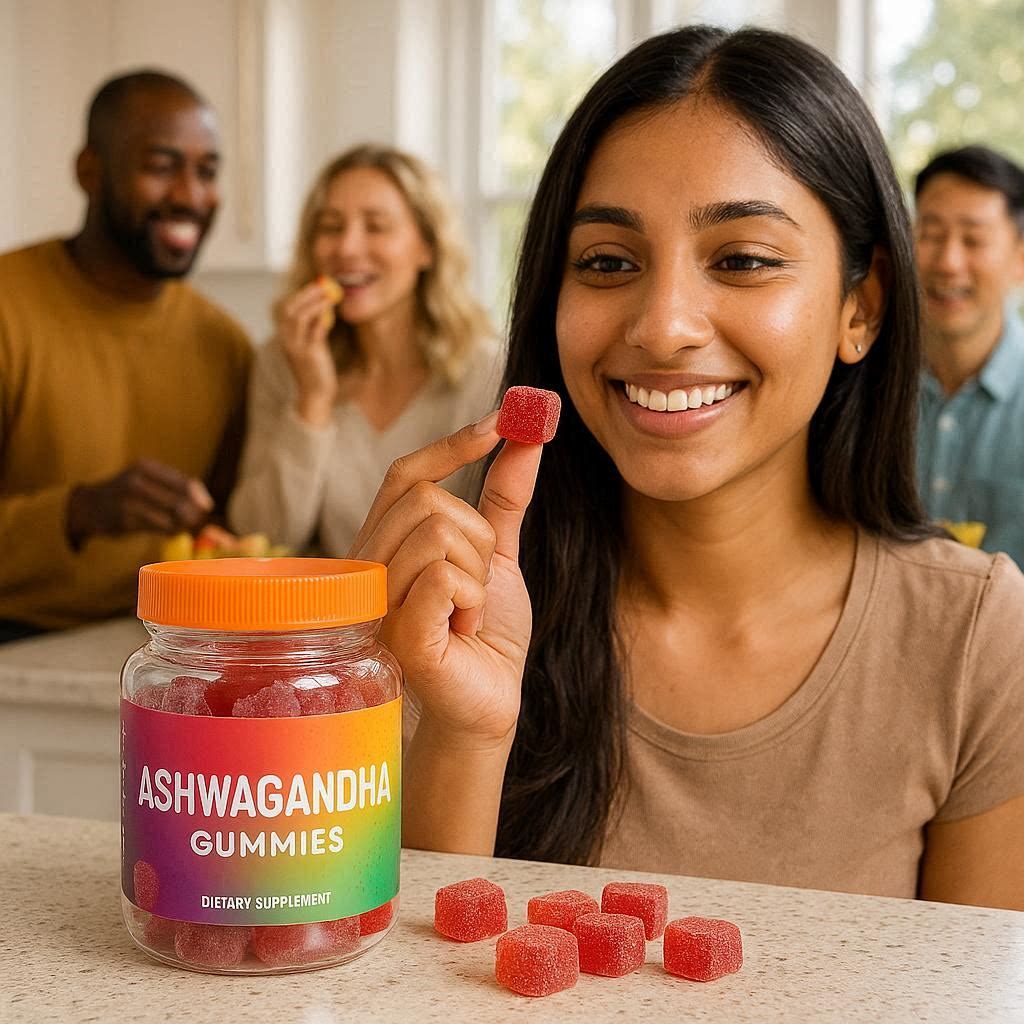
A clinically studied ashwagandha private label project should begin with the extract and evidence file, not with lifestyle branding. Ashwagandha is commonly positioned for stress, sleep, and mood-support categories, but the usefulness of those claims depends on the exact extract, standardization, serving level, and target population. Buyers should therefore qualify private label suppliers on extract identity, substantiation relevance, warning-language discipline, and whether the final format can honestly reflect the evidence base.
What authoritative references say about ashwagandha
The National Center for Complementary and Integrative Health describes ashwagandha as a plant containing bioactive compounds including withanolides and notes that research has explored stress and sleep-related uses, while also highlighting safety concerns and interactions. NCCIH ashwagandha overview That matters for private label buyers because a responsible launch needs both benefit framing and caution framing in the same planning file.
Human evidence exists, but it is extract-specific
A systematic review on ashwagandha and sleep found a small but statistically significant effect on overall sleep outcomes in the included studies. Systematic review of ashwagandha and sleep Meta-analytic work has also reported benefits in stress and anxiety outcomes across randomized trials, again with the usual limitations around formulation differences and study quality. Dose-response meta-analysis on stress and anxiety outcomes Buyers should read those findings as support for careful positioning, not as permission to treat every ashwagandha SKU as interchangeable.
Why “clinically studied” should trigger more questions, not fewer
When a supplier says an ashwagandha formula is clinically studied, ask exactly which extract or ingredient is being referenced, whether the proposed serving matches the cited evidence, and whether the dosage form could affect commercial fit. A gummy, capsule, and powder can all use ashwagandha, but the payload, flavor, and positioning logic differ. If the supplier cannot tie the claim to a specific extract and serving rationale, “clinically studied” is mostly decorative language.
Private label supplier checklist
| Item | What buyers should verify |
|---|---|
| Extract identity | Botanical part used, extract ratio or standardization basis, and source consistency. |
| Clinical relevance | Whether the proposed serving and use occasion match the cited study conditions closely enough to support the label story. |
| Safety and warnings | Population cautions, interaction notes, and target-market compliance review. |
| Manufacturing fit | Format compatibility, taste impact, and stability assumptions for the intended packaging. |
Claim boundaries are part of supplier qualification
Ashwagandha marketing often drifts toward medical, psychiatric, or hormone-related overreach. That is expensive to clean up later. Buyers should confirm whether the supplier offers claim review support and whether label copy will stay within dietary supplement structure-function boundaries. Our earlier guide to ashwagandha gummy label compliance is a useful reference when the project includes a chewable format or a broad stress-and-sleep message architecture.
Current GMP still matters more than category hype
Under 21 CFR Part 111, the manufacturer must establish specifications and maintain written controls for ingredients, labels, and finished product. 21 CFR Part 111 quality-control operations For ashwagandha, that means a finished-goods partner should be able to explain incoming qualification, lot traceability, and how it handles changes in extract source or standardization.
Questions worth resolving before commercialization
- Is the product being positioned mainly for stress support, sleep support, or a broader mood-and-recovery category?
- Does the proposed serving match the cited clinical ingredient rather than just the marketing headline?
- Can the supplier keep the same extract source through scale-up and reorders?
- What label cautions are recommended for the markets and channels being targeted?
Related internal references
For broader project planning, compare this workflow with our posts on private label pricing, sugar-free gummy manufacturing, and common OEM sourcing mistakes.
Bottom line
The best clinically studied ashwagandha private label supplier is the one that can prove extract relevance, keep claims inside the evidence, and support a repeatable quality file. In this category, substantiation discipline is part of product quality, not a marketing extra.