










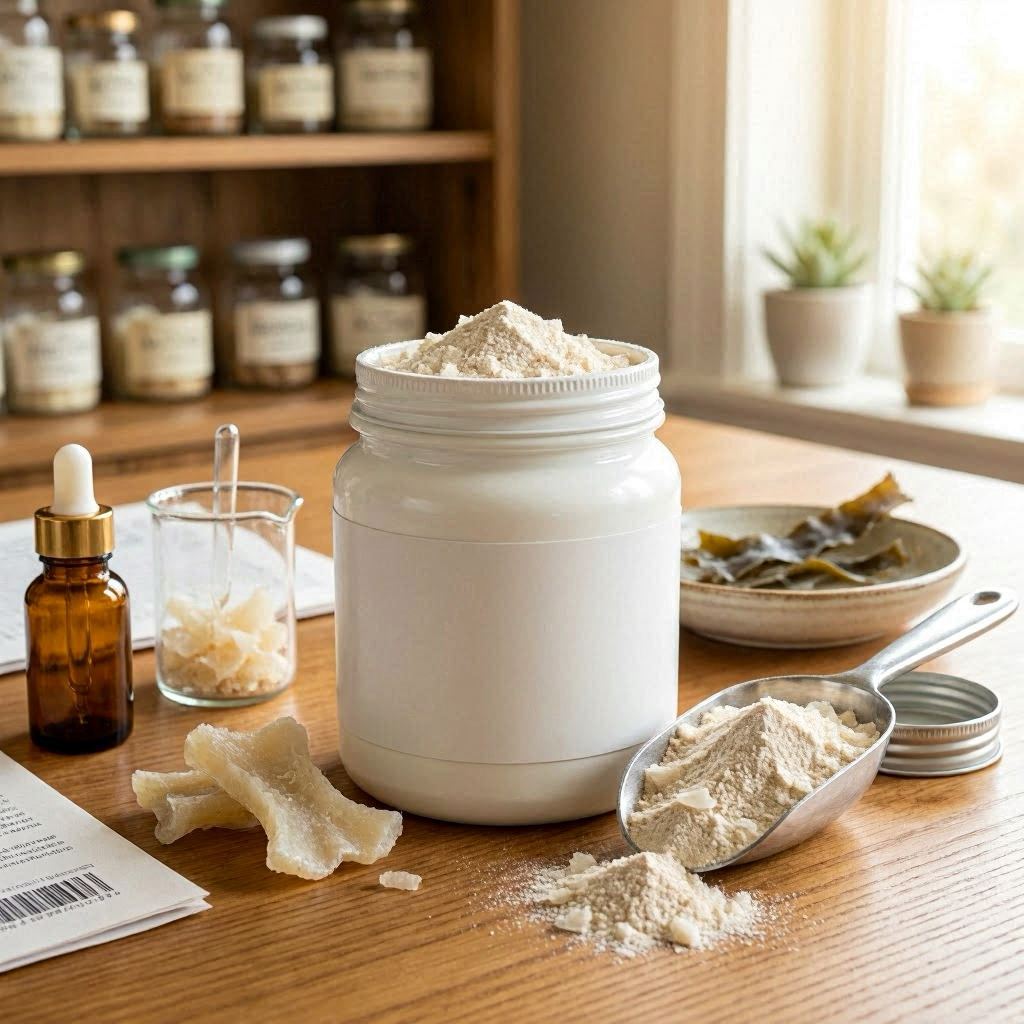
The Cognitive Supplement Market Is Hungry for Alpha GPC — Here’s What Buyers Need to Know
The nootropic supplement industry has experienced a remarkable transformation over the past decade, driven by growing consumer demand for products that support mental clarity, focus, and long-term cognitive health. At the center of this shift sits alpha-glycerophosphocholine — commonly known as Alpha GPC — a choline compound that has emerged as one of the most clinically researched and commercially successful cognitive ingredients on the global market. For supplement brand owners, procurement managers, and private-label distributors, identifying a reliable alpha GPC powder wholesale supplier is no longer optional; it is a competitive necessity.
The challenge, however, lies in navigating a fragmented supply chain. Not all Alpha GPC raw materials are created equal. Purity levels, manufacturing standards, bioavailability profiles, and pricing structures vary dramatically between suppliers. A poorly sourced ingredient can undermine product efficacy, invite regulatory scrutiny, and erode brand trust — all of which translate directly into lost revenue. This article provides a thorough examination of Alpha GPC as a commercial ingredient, covering the science behind its mechanism of action, current market dynamics, critical manufacturing considerations, OEM/ODM partnership advantages, quality assurance benchmarks, and formulation format decisions. Whether you are launching a new nootropic brand or expanding an existing product line, the following information is designed to help you make informed sourcing decisions.
How Alpha GPC Works: The Science Behind the Ingredient
Alpha GPC is a phospholipid metabolite naturally found in the brain and present in low concentrations in foods such as eggs, dairy, and organ meats. Its primary biological role revolves around choline delivery. When ingested, Alpha GPC is efficiently absorbed through the intestinal wall and crosses the blood-brain barrier, where it serves as a direct precursor to acetylcholine — one of the most critical neurotransmitters involved in memory formation, learning, attention, and neuromuscular signaling.
Unlike other choline sources such as choline bitartrate or phosphatidylcholine, Alpha GPC demonstrates superior bioavailability. Clinical studies have shown that oral Alpha GPC administration significantly elevates free choline levels in plasma and brain tissue more rapidly and to a greater magnitude than comparable choline salts. This pharmacokinetic advantage is the primary reason Alpha GPC has become the preferred choline donor in both pharmaceutical applications and dietary supplement formulations.
The mechanism extends beyond simple choline provision. Alpha GPC also contributes to phospholipid synthesis, specifically phosphatidylcholine, which is integral to maintaining the structural integrity of neuronal cell membranes. In aging populations, where endogenous choline production declines and cognitive function often deteriorates, exogenous Alpha GPC supplementation has shown measurable benefits. Randomized controlled trials involving older adults with cognitive decline have reported improvements in attention, memory retrieval, and behavioral parameters following daily Alpha GPC supplementation at dosages ranging from 1,200 mg to 1,600 mg per day.
For younger, healthy populations, the cognitive enhancement effects are more subtle but commercially significant. Studies examining Alpha GPC in athletic and performance contexts have demonstrated improvements in power output and growth hormone secretion, which has opened secondary market segments in sports nutrition. The dual-positioning of Alpha GPC as both a nootropic and a performance ingredient makes it exceptionally versatile for brand owners looking to formulate broad-appeal products.
Standardized dosages in finished consumer products typically range from 300 mg to 600 mg per serving for general cognitive support, with clinical-strength formulations targeting 1,200 mg or more per daily dose. These dosage parameters are critical for procurement planning, as they directly influence the raw material cost per unit and the finished product’s retail pricing architecture.
Market Size, Growth Trajectory, and Demand Drivers
The global nootropic supplement market was valued at approximately USD 3.2 billion in 2024 and is projected to reach USD 5.8 billion by 2030, growing at a compound annual growth rate (CAGR) of 10.4%. Alpha GPC specifically commands a significant share of this market, consistently ranking among the top five most frequently used ingredients in cognitive supplement formulations across North America, Europe, and the Asia-Pacific region.
Several converging forces are driving this demand. The aging global population is perhaps the most powerful macroeconomic factor. By 2030, approximately one in six people worldwide will be aged 60 or older, and cognitive health concerns are becoming a central priority for this demographic. In the United States alone, consumer surveys indicate that over 60% of adults aged 45 and above actively seek supplements marketed for brain health and memory support.
Parallel to demographic shifts, the rise of remote work and knowledge-economy labor patterns has intensified demand among younger consumers. Professionals in high-performance environments — technology, finance, law, and creative industries — represent a growing segment willing to pay premium prices for cognitive supplements. Market research indicates that the 25-to-44 age bracket now accounts for roughly 38% of nootropic supplement purchases, a figure that has increased by approximately 12 percentage points since 2019.
Regulatory developments have also shaped the landscape favorably. Alpha GPC holds Generally Recognized as Safe (GRAS) status in the United States and is classified as a novel food ingredient in the European Union under specific authorized conditions. These regulatory clearances provide a predictable compliance environment for brand owners and simplify the sourcing process when working with established wholesale suppliers.
Regionally, North America remains the largest market for Alpha GPC-containing supplements, accounting for approximately 42% of global revenue. However, the Asia-Pacific region is the fastest-growing market, driven by rising disposable incomes in China, Japan, and South Korea, combined with a deeply embedded cultural tradition of using choline-rich botanical extracts for cognitive support. European demand is steady and mature, with particular strength in Germany, the United Kingdom, and France.
For wholesale buyers, these trends translate into concrete commercial implications. Securing consistent supply at competitive pricing requires establishing relationships with suppliers who possess robust sourcing networks and the capacity to scale production in response to fluctuating demand cycles.
Manufacturing Considerations: Purity, Stability, and Bioavailability
When evaluating an alpha GPC powder wholesale supplier, the technical specifications of the raw material should be the first area of scrutiny. Alpha GPC is available in two primary forms: a water-soluble powder (typically 50% concentration by weight) and a high-concentration powder (up to 85% or greater). The choice between these forms depends on the intended finished product format and the target dosage per serving.
The extraction and purification process significantly impacts the final product quality. Alpha GPC is most commonly produced through enzymatic hydrolysis of soy lecithin or, increasingly, through synthetic pathways that produce a soy-free and allergen-free version. The allergen-free variant commands a price premium of approximately 15% to 25% but is essential for brands targeting consumers with soy sensitivities or marketing clean-label, allergen-free products. Wholesale buyers should confirm with their supplier whether the Alpha GPC is derived from soy or produced synthetically, as this distinction affects both regulatory labeling requirements and market positioning.
Moisture sensitivity is a critical stability concern. Alpha GPC powder is hygroscopic, meaning it readily absorbs moisture from the surrounding environment. In manufacturing and storage environments with elevated humidity, this can lead to clumping, reduced flowability during encapsulation, and accelerated degradation of the active compound. Reputable suppliers mitigate these risks through controlled-atmosphere packaging, nitrogen flushing, and moisture-barrier multi-layer pouches. Buyers should verify that incoming raw material is packaged in moisture-resistant containers and stored under conditions that maintain humidity below 40% relative humidity.
Bioavailability optimization is another manufacturing consideration that directly affects product efficacy. Particle size distribution influences dissolution rate and, consequently, absorption efficiency. A well-processed Alpha GPC powder should have a consistent micronized particle profile that ensures rapid and complete dissolution in aqueous environments — a property that is particularly important for powder drink mixes and effervescent formulations. Suppliers who provide a Certificate of Analysis (COA) with particle size distribution data demonstrate a higher level of quality control and technical competence.
Shelf life is a practical concern for inventory management. High-quality Alpha GPC powder, when stored properly in sealed containers at room temperature, maintains its purity and potency for 24 to 36 months. However, exposure to heat above 30°C (86°F), direct sunlight, or high humidity can substantially reduce this window. Wholesale buyers should incorporate stability testing requirements into their supplier agreements and request accelerated stability data before committing to large-volume orders.
OEM/ODM Partnerships: Why Brand Owners Are Turning to Contract Manufacturers
The supplement industry’s shift toward OEM (Original Equipment Manufacturer) and ODM (Original Design Manufacturer) partnerships has fundamentally altered how brands bring Alpha GPC products to market. For emerging and mid-sized brands, the advantages are compelling and increasingly difficult to replicate through in-house manufacturing.
Cost efficiency is the most immediately apparent benefit. Establishing a compliant manufacturing facility — complete with GMP-certified equipment, quality control laboratories, and regulatory staff — represents a capital investment that typically exceeds USD 2 million to USD 5 million for even a modest operation. OEM/ODM partners absorb this overhead and distribute it across their entire client portfolio, enabling brand owners to launch products at a fraction of the upfront cost. Typical minimum order quantities (MOQs) for Alpha GPC supplements through OEM channels range from 5,000 to 10,000 units for capsules and 10,000 to 30,000 units for gummies, depending on the manufacturer’s production runs and the complexity of the formulation.
Speed-to-market is another decisive factor. A brand working with an experienced contract manufacturer can move from concept to finished product inventory in as little as 8 to 12 weeks, compared to 6 to 12 months for brands attempting to build manufacturing capabilities from scratch. This timeline advantage is particularly significant in the nootropic category, where consumer interest in specific ingredients can spike rapidly based on media coverage or social media trends.
Formulation expertise is perhaps the most underestimated benefit. Established OEM/ODM manufacturers maintain R&D teams with deep experience in ingredient compatibility, synergistic stacking, and organoleptic optimization. For Alpha GPC products, this expertise is especially valuable because the ingredient has a distinctly savory, umami taste profile that can be challenging to mask in gummy and powder formats. Experienced formulators can recommend complementary flavors, sweeteners, and texture modifiers that effectively neutralize Alpha GPC’s natural taste without compromising the ingredient’s stability or bioavailability.
Customization capabilities allow brand owners to differentiate their products in a crowded market. OEM partners can accommodate custom dosages, ingredient combinations (such as Alpha GPC stacked with citicoline, phosphatidylserine, or bacopa monnieri), branded colors, unique shapes for gummies, and specialized packaging formats. This level of flexibility enables brands to create proprietary formulations that are difficult for competitors to replicate.
For brands targeting international markets, OEM/ODM partners with existing export compliance infrastructure can significantly reduce regulatory friction. Manufacturers experienced in producing supplements for multiple regulatory jurisdictions — including FDA-compliant facilities for the U.S. market, EU-compliant facilities for European distribution, and TGA-registered facilities for the Australian market — can streamline the registration and compliance process for brands seeking global distribution.
Quality Assurance: Non-Negotiable Standards for Alpha GPC Sourcing
In an industry where consumer trust is fragile and regulatory enforcement is intensifying, quality assurance is not a differentiator — it is a baseline requirement. Every wholesale supplier of Alpha GPC powder should be able to demonstrate compliance with a well-defined set of quality standards.
Good Manufacturing Practice (GMP) certification is the foundational requirement. In the United States, this means compliance with FDA 21 CFR Part 111 for dietary supplements. For international sourcing, compliance with EU GMP guidelines, Health Canada NPN regulations, or Australian TGM Act requirements provides additional assurance. Buyers should request copies of current GMP certificates and verify their validity directly with the issuing regulatory body. Expired or unverifiable certificates are a significant red flag.
Third-party testing provides an independent verification layer that in-house quality control cannot replicate. A reputable alpha GPC powder wholesale supplier should routinely commission testing from accredited laboratories for heavy metals (lead, arsenic, cadmium, mercury), microbial contamination (E. coli, Salmonella, yeast, mold), residual solvents, pesticide residues, and identity confirmation. High-Performance Liquid Chromatography (HPLC) is the standard analytical method for verifying Alpha GPC purity and concentration. Suppliers should provide COAs that include HPLC-tested purity percentages, typically targeting a minimum of 98% to 99% for pharmaceutical-grade material and 85% to 99% for food-grade powder.
Additional certifications can open specific market segments. Halal and kosher certifications are essential for brands targeting Muslim and Jewish consumer populations, respectively. USDA Organic certification, while less common for synthetic Alpha GPC, is relevant for brands positioning their products within the organic channel. Non-GMO verification is increasingly important, particularly for soy-derived Alpha GPC, as genetically modified soybeans dominate global soy production. Buyers sourcing soy-derived Alpha GPC should explicitly request non-GMO verification documentation.
Traceability is the final and often overlooked component of quality assurance. Full supply chain traceability — from raw material origin through processing, packaging, and shipment — enables rapid root-cause analysis if a quality issue is identified downstream. Suppliers who can provide lot-specific traceability records demonstrate a mature quality management system and a commitment to accountability.
Formulation Formats: Powder, Capsules, and Gummies
The choice of delivery format for an Alpha GPC product involves trade-offs between efficacy, consumer experience, manufacturing complexity, and cost. Each format has distinct advantages that align with different brand strategies and target consumer preferences.
Powder is the most bioavailable and dose-flexible format. Alpha GPC dissolves readily in water, making it well-suited for drink-mix formulations, effervescent tablets, and bulk powder tubs. Powder formats allow consumers to adjust their dosage precisely, which appeals to educated supplement users who titrate their intake based on performance demands. The primary challenge is taste. Alpha GPC’s savory, slightly bitter flavor requires sophisticated flavor-masking systems — typically involving natural sweeteners like monk fruit or stevia, citric acid for brightness, and natural fruit flavors for palatability. Manufacturing costs for powder formats are moderate, and shelf stability is good when moisture is controlled. For wholesale buyers, powder formulations typically have lower MOQs than gummies due to simpler production equipment requirements.
Capsules remain the most popular delivery format for nootropic supplements. They offer excellent moisture protection for hygroscopic ingredients like Alpha GPC, provide precise and consistent dosing, and have a long shelf life of up to 36 months. Vegetarian capsules (HPMC) are now preferred by most brands over gelatin capsules, reflecting consumer demand for non-animal-derived products. The primary limitation of capsules is dosage ceiling — a standard size 00 capsule holds approximately 500 mg to 600 mg of Alpha GPC powder, meaning clinical-strength doses of 1,200 mg require two or more capsules per serving. This can increase per-unit cost and reduce consumer convenience. Capsule manufacturing is well-established and cost-efficient, with production lead times typically shorter than gummies.
Gummies represent the fastest-growing delivery format in the supplement industry, driven by consumer preference for a pleasant, candy-like experience. However, formulating Alpha GPC into gummies presents genuine technical challenges. The ingredient’s hygroscopicity conflicts with the moisture-sensitive gummy matrix, and its taste profile is difficult to mask within the concentrated flavor system of a gummy. Additionally, the dosage limitation is more severe — a typical gummy holds only 100 mg to 150 mg of Alpha GPC, requiring 8 to 12 gummies per serving for clinical-strength dosing. This makes gummies better suited for maintenance or entry-level cognitive support formulations rather than clinical-strength products. Manufacturing costs for gummies are higher per unit than capsules or powder, and MOQs are typically larger due to specialized equipment requirements. Brands pursuing gummy formats should partner with manufacturers who have demonstrated experience producing hygroscopic-ingredient gummies and can provide stability data confirming 12-plus months of shelf life.
Frequently Asked Questions
What is the minimum order quantity (MOQ) for Alpha GPC powder from a wholesale supplier?
MOQs vary depending on the supplier’s production capacity, the buyer’s location, and the form of Alpha GPC being purchased. For bulk raw material powder, MOQs typically range from 25 kg to 100 kg for the first order, with reorders often negotiable at lower minimums. For finished products produced through OEM/ODM partnerships, capsule MOQs generally start at 5,000 to 10,000 bottles, while gummy MOQs are higher, typically starting at 10,000 to 30,000 bags or bottles. Buyers should discuss MOQ flexibility during initial supplier negotiations, as many manufacturers offer tiered pricing structures that provide better per-kilogram rates at higher volume commitments.
How should Alpha GPC powder be stored to maintain quality and shelf life?
Alpha GPC powder should be stored in a cool, dry environment at temperatures below 25°C (77°F) with relative humidity below 40%. The original packaging — typically a sealed, moisture-barrier bag or drum with a nitrogen flush — should remain closed until the material is ready for processing. Once opened, the powder should be used promptly or resealed with a desiccant pack. Exposure to heat, humidity, and direct sunlight accelerates degradation and can reduce the material’s effective shelf life from 24-36 months to as little as 12 months under poor conditions.
Is there a difference between soy-derived and synthetic Alpha GPC?
Yes. Soy-derived Alpha GPC is produced through enzymatic hydrolysis of soy lecithin and may contain trace soy proteins, which are relevant for allergen labeling and consumer safety considerations. Synthetic Alpha GPC is produced through a chemical synthesis pathway that yields a soy-free, allergen-free product. Both forms are chemically identical in their Alpha GPC content, but the synthetic version typically commands a 15% to 25% price premium due to higher production costs. For brands targeting allergen-sensitive consumers or marketing allergen-free claims, the synthetic version is the appropriate choice.
What testing should a Certificate of Analysis (COA) include for Alpha GPC powder?
A comprehensive COA should include identity confirmation (typically by HPLC or FTIR), purity percentage with the specific analytical method used, heavy metals testing (lead, arsenic, cadmium, mercury) with results compared to applicable limits, microbial testing (total plate count, yeast, mold, E. coli, Salmonella), residual solvents, moisture content, and a physical description of the material. The COA should be lot-specific, dated, and signed by an authorized quality assurance representative. Buyers should also verify that the testing was performed by an accredited third-party laboratory rather than relying solely on in-house results.
Can Alpha GPC be combined with other nootropic ingredients in a single formulation?
Absolutely. Alpha GPC is one of the most formulation-friendly nootropic ingredients and is commonly combined with ingredients such as citicoline, phosphatidylserine, bacopa monnieri, lion’s mane mushroom extract, L-theanine, and caffeine. When combining Alpha GPC with other active ingredients, formulators must consider potential interactions affecting stability, dissolution rates, and pH sensitivity. Experienced OEM/ODM manufacturers can provide compatibility assessments and recommend optimal stacking ratios based on clinical evidence and manufacturing feasibility.
What regulatory requirements apply to Alpha GPC supplements in the United States?
In the United States, Alpha GPC supplements are regulated as dietary supplements under the Dietary Supplement Health and Education Act (DSHEA). Manufacturers must comply with FDA 21 CFR Part 111 (current Good Manufacturing Practices), ensure that all ingredients are either GRAS-status or listed on the FDA’s Dietary Ingredient Notification list, and avoid making unapproved drug claims on product labeling. Alpha GPC holds GRAS status, which simplifies compliance. Finished product labels must include the Supplement Facts panel with Alpha GPC listed by its common name, the amount per serving, and the percent daily value if applicable (though no DV has been established for Alpha GPC, it is listed with an asterisk noting that the DV has not been determined).
How does the cost of Alpha GPC powder compare to other choline sources?
Alpha GPC is positioned as a premium choline ingredient. At wholesale pricing, Alpha GPC powder typically costs between USD 25 and USD 45 per kilogram, depending on purity, source (soy-derived vs. synthetic), order volume, and the supplier’s geographic location. By comparison, choline bitartrate ranges from USD 8 to USD 15 per kilogram, and citicoline (CDP-choline) ranges from USD 30 to USD 50 per kilogram. While Alpha GPC’s per-kilogram cost is higher than choline bitartrate, its superior bioavailability and established clinical evidence often justify the premium for brands targeting discerning consumers who prioritize efficacy over price.
Key Takeaways for Buyers
Sourcing Alpha GPC powder for supplement manufacturing is a decision that reverberates through every stage of product development, from formulation and regulatory compliance to consumer satisfaction and brand reputation. The ingredient’s strong scientific foundation, growing market demand, and versatile formulation compatibility make it a valuable addition to nearly any cognitive health product line. However, the difference between a successful product and a market failure often comes down to the quality of the raw material and the competence of the manufacturing partner.
Prioritize suppliers who can demonstrate GMP-certified production, comprehensive third-party testing, full supply chain traceability, and transparent documentation practices. Evaluate formulation format options carefully, balancing consumer experience preferences against dosage requirements and manufacturing feasibility. For brands pursuing OEM/ODM partnerships, select manufacturers with proven experience in nootropic formulations and a track record of delivering consistent quality at scale.
The cognitive supplement market will continue its upward trajectory, and Alpha GPC will remain a cornerstone ingredient within it. Brands that invest in rigorous sourcing practices and build relationships with dependable wholesale suppliers today will be positioned to capture a disproportionate share of this growing market in the years ahead.
Disclaimer: These statements have not been evaluated by the Food and Drug Administration. This product is not intended to diagnose, treat, cure, or prevent any disease. The information provided in this article is for educational and informational purposes only and does not constitute medical advice. Always consult with a qualified healthcare professional before starting any supplement regimen.