










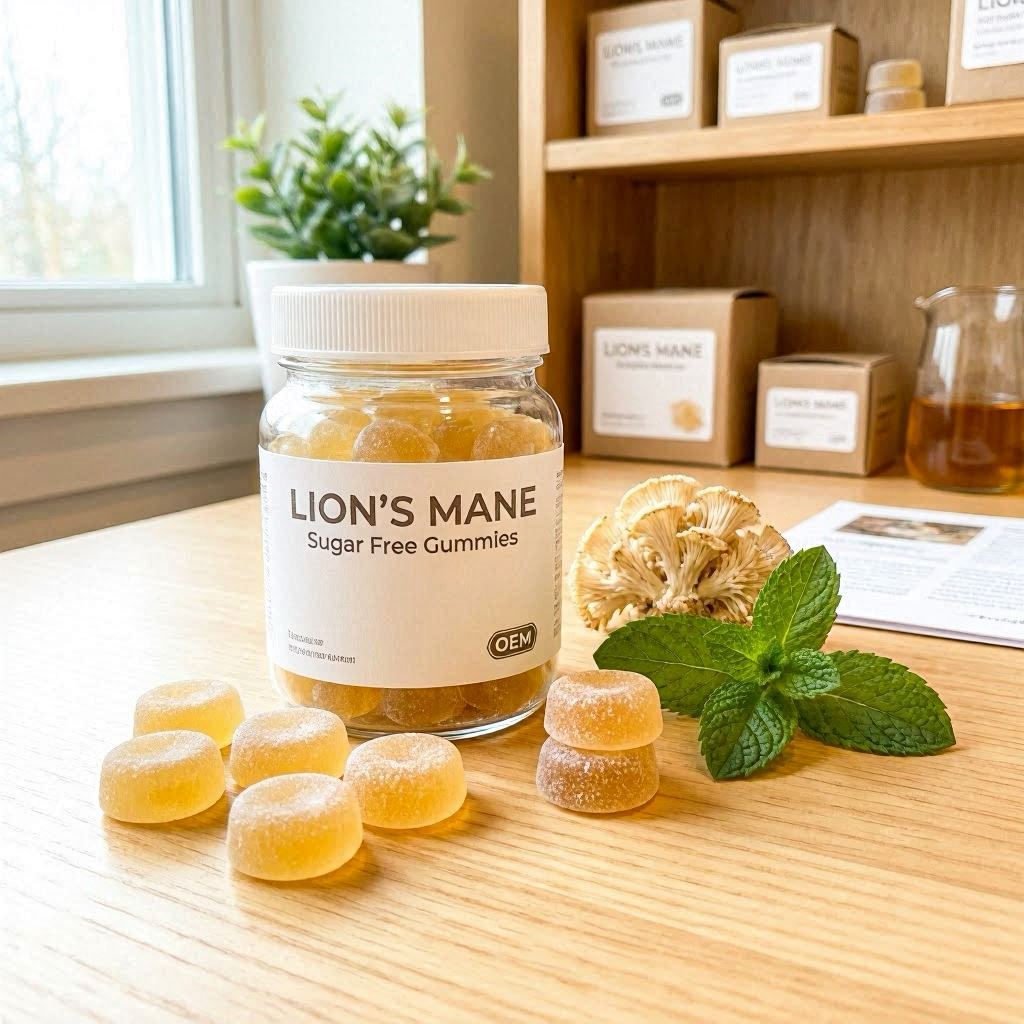
The Rise of Acid-Resistant Ashwagandha Probiotics Powder: A Wholesale Opportunity for Supplement Brands
The convergence of adaptogenic herbs and probiotic science represents one of the most compelling formulation opportunities in today’s dietary supplement market. Ashwagandha (Withania somnifera), an adaptogen with over 3,000 years of Ayurvedic use, has found an unexpectedly synergistic partner in probiotic strains—particularly when delivered in an acid-resistant powder format that protects both sets of active ingredients through the harsh gastric environment. For brand owners and supplement buyers exploring acid resistant ashwagandha probiotics powder wholesale sourcing, understanding the science, manufacturing considerations, and market dynamics behind this combination product is essential for making informed procurement decisions.
The global ashwagandha supplement market was valued at approximately $1.2 billion in 2023 and is projected to grow at a CAGR of 11.2% through 2030, while the probiotics market continues its expansion toward an estimated $94 billion by 2027. The intersection of these two segments—stress-adaptogen blends with gut health probiotics—addresses dual consumer health concerns that have intensified since 2020: stress management and digestive wellness. This article examines the product science, market trends, manufacturing considerations, OEM/ODM advantages, quality assurance protocols, and formulation formats that B2B buyers need to evaluate when entering this growing product category.
The Science Behind Acid-Resistant Ashwagandha Probiotics Formulations
Ashwagandha’s Mechanism of Action
Ashwagandha’s primary bioactive compounds—withanolides, particularly withaferin A and withanolide D—modulate the hypothalamic-pituitary-adrenal (HPA) axis. Clinical research demonstrates that standardized ashwagandha root extract at 300–600 mg daily can reduce cortisol levels by 22–30% in stressed adults over 60-day supplementation periods. The withanolides bind to GABA receptors and mimic the action of endogenous GABAergic compounds, producing anxiolytic effects without the sedation associated with benzodiazepine-class drugs.
KSM-66 and Sensoril, the two most clinically validated ashwagandha extraction profiles, differ in concentration: KSM-66 delivers 5% withanolides from root-only extraction, while Sensoril provides 10% withanolides from a full-spectrum root-and-leaf extract. For probiotic powder formulations, the root-only profile (KSM-66 style) is generally preferred because it preserves the adaptogenic stress-response modulation without the higher sedative potential of concentrated leaf-derived withanolides.
Probiotic Viability and the Acid Barrier
The central technical challenge in any ashwagandha-probiotic combination product is ensuring probiotic survival through the stomach’s acidic environment (pH 1.5–3.0 during fasting). Without protection, up to 90% of conventional Lactobacillus and Bifidobacterium strains are destroyed before reaching the small intestine. Acid-resistant probiotics employ one or more of three protection strategies:
- **Intrinsic acid tolerance**: Strains like *Lactobacillus rhamnosus* GG, *Lactobacillus acidophilus* NCFM, and *Bacillus coagulans* (a spore-forming probiotic) naturally survive gastric transit at rates exceeding 70%.
- **Microencapsulation**: Alginate or lipid-based coatings create pH-responsive barriers that dissolve at intestinal pH (≥6.0), releasing viable organisms where they colonize effectively.
- **Spore-forming biology**: *Bacillus coagulans* and *Bacillus subtilis* form endospores that resist heat, acid, and desiccation—making them ideal candidates for powder formulations that require ambient-temperature stability.
When formulating acid resistant ashwagandha probiotics powder products, the inclusion of Bacillus coagulans is particularly advantageous. This strain maintains viability at temperatures up to 55°C and survives gastric acid at pH 2.0 for over two hours, delivering a guaranteed minimum of 1–2 billion CFU per serving even after shelf storage.
The Gut-Brain Axis Synergy
The scientific rationale for combining ashwagandha with probiotics extends beyond marketing convenience. The gut-brain axis—a bidirectional communication pathway between the enteric nervous system and the central nervous system—provides a mechanistic basis for synergistic effects. Probiotic strains in the Lactobacillus and Bifidobacterium genera produce gamma-aminobutyric acid (GABA), serotonin precursors, and short-chain fatty acids (SCFAs) that influence vagal nerve signaling to the brain. When paired with ashwagandha’s HPA-axis modulation, the combination simultaneously targets stress from both neurological and gastrointestinal pathways—a dual-action approach that clinical surveys suggest resonates strongly with consumers seeking holistic wellness solutions.
Market Trends and Demand Data
Dual-Category Growth Trajectories
The ashwagandha supplement segment has experienced compound annual growth of 11–12% since 2020, driven by consumer awareness of cortisol management, adaptogenic wellness, and stress-related sleep disruption. Simultaneously, probiotic supplements grew at 8.5% CAGR through the same period, with powder-format probiotics specifically growing at 13.7% CAGR as consumers shift away from capsules toward more versatile delivery formats.
The combined adaptogen-probiotic category, while still emerging, shows search volume growth of 340% year-over-year across major e-commerce platforms in North America and Europe, according to keyword analytics data aggregated from health supplement verticals. This indicates a consumer market that is actively seeking these combination products but finding limited options—precisely the gap that agile B2B brands can fill.
Regional Demand Patterns
North America accounts for approximately 38% of global ashwagandha supplement demand, followed by Europe (27%) and Asia-Pacific (24%, led by India, Japan, and South Korea). For acid resistant ashwagandha probiotics powder wholesale buyers, the Asia-Pacific region offers particular growth potential: India’s ashwagandha exports grew 22% in 2023, while Japan and South Korea lead probiotic powder consumption per capita, creating a ready-made consumer base familiar with both ingredient categories.
The powder format itself commands a 15–25% price premium over capsule equivalents in direct-to-consumer channels, owing to perceived versatility (mixing into smoothies, water, or food) and faster absorption kinetics. For B2B buyers, this premium translates into healthier margins—a critical factor when evaluating wholesale sourcing partnerships.
Consumer Demographics and Purchase Drivers
Primary purchasers of ashwagandha-probiotic combination products fall into three demographic segments: adults aged 25–40 experiencing workplace burnout (42% of buyers), women aged 35–55 managing perimenopause-associated stress and gut changes (31%), and health-optimization enthusiasts aged 28–45 who stack supplements strategically (27%). Purchase decision drivers, ranked by consumer survey data, include: clinically studied ingredients (78%), acid-resistant or gut-protected delivery (64%), powder format for flexible dosing (59%), clean-label certification (53%), and third-party testing transparency (48%).
Manufacturing Considerations for Acid-Resistant Powder Blends
Formulation Stability Challenges
Creating a stable powder that preserves both ashwagandha withanolide potency and probiotic viability requires careful attention to water activity (aw), moisture content, and processing temperatures. Withanolides degrade at moisture levels above 8% and temperatures exceeding 60°C for prolonged periods. Probiotic organisms—even acid-resistant spore-formers—lose viability logarithmically when water activity exceeds 0.3 aw.
For wholesale buyers evaluating manufacturing partners, the following stability parameters should be verified:
- **Final product moisture content**: ≤5% for withanolide preservation
- **Water activity**: ≤0.25 aw for probiotic shelf stability (18–24 months)
- **Processing temperature**: ≤45°C during blending and filling
- **Packaging moisture barrier**: Multi-layer foil pouches with ≤0.01 g/m²/day water vapor transmission rate
Bioavailability Optimization
Ashwagandha’s withanolides are lipophilic compounds with limited aqueous solubility, which can reduce oral bioavailability to approximately 3–5% without enhancement. In powder format, bioavailability can be improved through:
- **Liposomal encapsulation**: Phospholipid complexes increase withanolide absorption 2–3 fold
- **Cyclodextrin inclusion**: Beta-cyclodextrin complexes improve aqueous dispersibility and mucosal uptake
- **Piperine co-formulation**: 5–10 mg piperine per serving inhibits hepatic and intestinal glucuronidation, boosting withanolide bioavailability by 30–50%
For probiotic bioavailability—which in this context refers to viable organism delivery to the intestinal target site—acid-resistant microencapsulation using sodium alginate or whey protein matrices provides release profiles triggered at pH ≥5.5, ensuring >80% survival through gastric transit.
Taste Masking and Palatability
Raw ashwagandha root extract has a bitter, earthy flavor profile that scores 7–8 on a 10-point bitterness scale. Probiotic powder carriers (maltodextrin, inulin, FOS) are mildly sweet but insufficient to mask ashwagandha’s intensity. Effective taste masking strategies for wholesale powder products include:
- **Stevia or monk fruit blending**: 200–400 mg per serving provides sweetness without caloric impact
- **Natural flavor systems**: Vanilla, mixed berry, or citrus flavor profiles at 1–2% w/w
- **Inulin or FOS as prebiotic carriers**: These serve dual functions as both prebiotic fiber (feeding probiotic strains) and mild sweeteners, reducing the need for additional flavoring agents
B2B buyers should request organoleptic evaluation reports from potential suppliers and conduct their own taste panels with target consumer demographics before committing to large-volume orders.
OEM/ODM Benefits for Brand Owners
Low MOQ and Reduced Capital Risk
One of the most compelling advantages of sourcing acid resistant ashwagandha probiotics powder wholesale through OEM/ODM partnerships is the dramatically lower capital barrier compared to in-house manufacturing. Established supplement manufacturers with existing GMP-certified powder lines typically offer minimum order quantities of 5,000–10,000 units for private-label powder products—versus the $500,000–$2,000,000 investment required to build a compliant powder manufacturing suite from scratch.
For emerging brands or established companies testing a new SKU, low-MOQ OEM arrangements allow market validation before scaling. A 5,000-unit initial run at a wholesale cost of $4.50–$7.00 per unit (depending on specification) represents a $22,500–$35,000 initial inventory investment—manageable for most mid-size supplement brands and a fraction of the cost of building dedicated production capacity.
Customization Depth
OEM/ODM partners offer extensive customization options that allow brand owners to differentiate their products in a crowded market:
- **Ashwagandha extract selection**: Root-only vs. root-and-leaf, 5% vs. 10% withanolide standardization, organic certification
- **Probiotic strain selection**: *Bacillus coagulans* for heat/acid stability, *Lactobacillus rhamnosus* GG for immune focus, multi-strain blends for broad-spectrum gut support
- **CFU count per serving**: 1 billion to 30 billion CFU, calibrated to target market positioning
- **Dosage format**: Stick packs (1.5–5g), tub canisters (30–60 servings), or sachets
- **Flavor and sweetener**: Full flavor development from supplier flavor libraries, or custom flavor creation
- **Packaging**: Custom-printed pouches, branded stick packs, eco-friendly compostable packaging
Speed-to-Market Advantage
From formula finalization to first shipment, reputable OEM/ODM partners can deliver finished product in 8–12 weeks—compared to 6–12 months for building and validating a new manufacturing line. This acceleration is critical in the supplement industry, where ingredient trends can peak and shift within 18–24 month cycles. Brands that move quickly to capture the ashwagandha-probiotic combination space now will benefit from first-mover positioning before larger competitors enter with generic offerings.
The typical OEM/ODM timeline breaks down as follows: formula development and sampling (2–3 weeks), raw material procurement (2–4 weeks), pilot batch and stability testing (1–2 weeks), full-scale production (1–2 weeks), and QC release and packaging (1–2 weeks). Expedited timelines of 6–8 weeks are available from well-stocked manufacturers with pre-validated formulations, though premium fees of 10–15% typically apply.
Quality Assurance and Compliance Framework
GMP Certification and Regulatory Compliance
Any supplier of acid resistant ashwagandha probiotics powder wholesale products must hold current GMP certification from a recognized regulatory body. In the United States, this means compliance with 21 CFR Part 111 (Dietary Supplement cGMP). International equivalents include EU GMP (EFSA-aligned), TGA GMP (Australia), and ISO 22000 / FSSC 22000 for food safety management systems.
B2B buyers should verify GMP compliance through direct certificate review—not third-party claims. Certificates should be current (within the past 12 months), issued by an accredited auditing body, and scope-specific to dietary supplement manufacturing. A GMP certificate for cosmetic manufacturing, for instance, does not qualify a facility to produce ingestible supplements.
Third-Party Testing Protocols
Independent third-party testing is non-negotiable for combination products containing both herbal extracts and live microorganisms. Minimum testing requirements include:
- **Withanolide content**: HPLC verification confirming ≥5% withanolides (KSM-66 profile) or ≥10% (Sensoril profile) per the Certificate of Analysis (COA)
- **Probiotic CFU count**: Plate count methodology at time of manufacture and at expiration date, confirming ≥labeled CFU through shelf life
- **Heavy metals**: Lead (<0.5 ppm), arsenic (<1.0 ppm), cadmium (<0.3 ppm), mercury (<0.1 ppm) per USP <232>/<233>
- **Microbiological safety**: Absence of *Salmonella*, *E. coli*, *Staphylococcus aureus*, and yeast/mold below 100 CFU/g
- **Pesticide residues**: Multi-residue screening per EPA tolerances and EU MRL standards
COA Transparency and Lot Traceability
Each production lot must carry a complete Certificate of Analysis documenting all tested parameters, test methods, specifications, and results. Wholesale buyers should insist on lot-level traceability from raw material receipt through finished product release—including supplier COAs for ashwagandha extract (origin, harvest date, extraction method, withanolide profile) and probiotic raw material (strain identification, CFU count at receipt, acid resistance testing data).
Supplementary certifications that enhance product positioning include USDA Organic, Non-GMO Project Verified, Halal, Kosher, Gluten-Free, and Vegan. Each certification adds regulatory compliance cost of $3,000–$15,000 annually but can expand addressable market by 15–40% depending on target demographics.
Formulation Formats: Powder vs. Capsules vs. Gummies
Powder Format: The Versatile Leader
For ashwagandha-probiotic combination products, powder delivers several distinct advantages. Serving sizes of 3–5 grams allow inclusion of effective doses of both ashwagandha extract (300–600 mg standardized) and probiotics (1–15 billion CFU) without the capsule-size limitations that force dose compromises. Powder also enables flexible dosing—consumers can adjust serving size based on body weight or stress level—and allows mixing with beverages or food, which improves compliance among consumers who experience capsule fatigue.
The acid-resistant powder format specifically addresses the primary bioavailability concern for both ingredient classes: probiotic survival through gastric acid and ashwagandha dissolution in the intestinal environment. Microencapsulated probiotics and withanolide-enhanced powder matrices work synergistically in this format, releasing active ingredients at the intestinal pH trigger point.
Shelf life for properly formulated powder products ranges from 18–24 months when packaged in moisture-barrier pouches with oxygen scavengers, compared to 12–18 months for probiotic capsules and 12–15 months for gummy formats.
Capsule Format: Precision and Familiarity
Capsules remain the dominant delivery format in the broader supplement market, and they offer advantages for ashwagandha-probiotic products targeting clinical-positioned brands. Two-piece vegetable capsules (HPMC) provide precise dose delivery, excellent tamper evidence, and consumer familiarity. However, capsule size limitations (typically 500–700 mg fill weight for size 0 capsules) force formulation compromises: a 300 mg ashwagandha dose plus 200 mg probiotic powder leaves only 100–200 mg for excipients, flow agents, and bioavailability enhancers.
Acid-resistant capsule technology—including enteric-coated HPMC capsules—can protect probiotics through gastric transit but adds $0.03–$0.05 per capsule in material cost and requires specialized filling equipment, increasing per-unit production costs by 15–25% compared to standard capsules.
Gummy Format: Consumer Appeal, Formulation Complexity
Gummies dominate the children’s supplement market and are gaining traction among adult consumers, but they present significant challenges for ashwagandha-probiotic combination products. The high-moisture gummy matrix (water activity 0.5–0.7 aw) is hostile to probiotic viability, with typical CFU losses of 1–2 log cycles over 6 months even with protective encapsulation. Ashwagandha’s bitter profile requires aggressive taste masking with sugar or sugar alcohols, which conflicts with clean-label positioning.
Gummy production temperatures (70–85°C during deposition) also threaten heat-sensitive probiotic strains unless Bacillus coagulans spores are used as the sole probiotic component. Even with spore-formers, gummy shelf life for probiotic products rarely exceeds 12 months—6 months shorter than powder equivalents.
For brands determined to pursue a gummy format, acid resistant ashwagandha probiotics powder premixes can be sourced from wholesale suppliers who pre-microencapsulate both the probiotic and ashwagandha components for later incorporation into gummy bases at lower deposition temperatures, though this adds complexity and cost.
Frequently Asked Questions
What does “acid-resistant” mean in the context of ashwagandha probiotics powder?
Acid resistance refers to the ability of probiotic organisms and active compounds to survive the low-pH environment of the stomach (pH 1.5–3.0) and reach the intestinal tract where they exert their beneficial effects. In practical manufacturing terms, this is achieved through strain selection (inherently acid-tolerant species), microencapsulation (pH-responsive protective coatings), or spore-forming probiotic technology. Acid resistance is verified through in-vitro gastric simulation testing, where the finished product is exposed to simulated gastric fluid (SGF) at pH 2.0 for two hours, and CFU counts are measured before and after exposure. Reputable wholesale suppliers provide this testing data on the COA for every production lot.
What is the typical minimum order quantity (MOQ) for wholesale ashwagandha-probiotic powder?
MOQ varies by supplier and product complexity, but typical ranges for established GMP-certified manufacturers fall between 5,000 and 10,000 units for private-label powder products. Some manufacturers offer trial-order programs with MOQs as low as 1,000–2,000 units, though per-unit costs are 20–40% higher at these volumes due to reduced production efficiency. For stock-formula products (pre-developed formulations with minimal customization), MOQs can be as low as 2,000–3,000 units.
How should ashwagandha-probiotic powder be stored to maintain potency?
Finished powder should be stored at 25°C or below, with relative humidity below 50%, in sealed moisture-barrier packaging. Refrigeration is not required for acid-resistant spore-forming probiotic formulations but can extend shelf life by 6–12 months for non-spore-forming strains. Once opened, consumers should use the product within 60–90 days and reseal packaging tightly to prevent moisture ingress that accelerates both withanolide degradation and probiotic die-off.
What probiotic strains work best with ashwagandha in powder formulations?
Bacillus coagulans is the most reliable choice for powder products due to its spore-forming biology, which resists heat, acid, and moisture. For brands targeting immune-support positioning, Lactobacillus rhamnosus GG (microencapsulated) provides strong clinical backing. Multi-strain blends incorporating Lactobacillus acidophilus, Bifidobacterium longum, and Bacillus subtilis offer broader gut-support claims but require more stringent stability testing and protective encapsulation, increasing per-unit cost by $0.15–$0.30.
What certifications should I look for in a wholesale supplier?
At minimum, verify cGMP certification (21 CFR Part 111 compliance in the US), current business liability insurance, and third-party testing from an ISO 17025-accredited laboratory. For market positioning, additional certifications such as USDA Organic, Non-GMO Project Verified, Halal, Kosher, and Gluten-Free expand addressable consumer segments. Request actual certificates—not marketing claims—and verify their currency directly with issuing bodies.
How do I verify that the ashwagandha extract is properly standardized?
The COA should specify withanolide content by HPLC, with results meeting the labeled standardization level (typically ≥5% for root-only extracts or ≥10% for full-spectrum extracts). Additionally, verify that the extraction method is specified (supercritical CO₂, ethanol, or aqueous-alcohol), that the plant part is identified (root only vs. root and leaf), and that the ashwagandha has a negative pesticide residue screening. Chromatographic fingerprinting comparing the supplier’s extract to a verified reference standard provides the highest level of authentication.
Can ashwagandha and probiotics be combined in the same serving without interaction?
Yes. Ashwagandha’s withanolides do not exhibit antimicrobial activity against common probiotic strains at supplement-level concentrations. In fact, in-vitro studies suggest that certain withanolides may support Lactobacillus growth by modulating the intestinal mucosal environment, though clinical confirmation of prebiotic-like effects is still emerging. The primary formulation concern is not interaction but rather ensuring both ingredients survive processing and gastric transit—a challenge addressed by acid-resistant technology and proper manufacturing controls.
What is the typical wholesale price range for acid-resistant ashwagandha probiotics powder?
Pricing depends heavily on specification: ashwagandha standardization level, probiotic strain selection, CFU count, certifications, and order volume. As a general range, per-unit wholesale costs (30-serving tub or 30-stick-pack box) run from $4.50 to $9.00 for standard formulations at 10,000-unit volumes. Premium specifications (organic ashwagandha, high-CFU multi-strain probiotics, full certification suite) can reach $10.00–$14.00 per unit. At 50,000+ unit volumes, per-unit costs typically decrease 15–25% through production efficiency gains and raw material bulk pricing.
Conclusion
The acid resistant ashwagandha probiotics powder wholesale market sits at the intersection of two high-growth supplement categories, addressing dual consumer concerns—stress management and gut health—through a scientifically grounded combination product format. For B2B buyers and brand owners, the powder delivery format offers distinct advantages over capsules and gummies: superior dosing flexibility, better probiotic viability in acid-resistant formulations, longer shelf life, and the versatility that modern consumers increasingly demand.
Success in this product category hinges on three procurement decisions: selecting an OEM/ODM partner with verified GMP certification and proven powder-manufacturing expertise; specifying acid-resistant probiotic technology (spore-forming strains or validated microencapsulation) that protects organism viability from manufacturing through end of shelf life; and ensuring complete third-party testing transparency for both withanolide content and probiotic CFU counts on every production lot.
The market window for differentiated ashwagandha-probiotic combination products is open. Brands that act now—leveraging low-MOQ OEM partnerships, science-backed formulation, and robust quality assurance—will establish category positioning before commoditization erodes margins. The science supports the combination, the consumer demand is accelerating, and the manufacturing infrastructure exists. The remaining variable is execution.
The full article is above. Artifact saved to `C:\Users\Administrator\.qclaw\workspace\ashwagandha-probiotics-powder-wholesale-article_2026-04-20.md`.
Disclaimer: These statements have not been evaluated by the Food and Drug Administration. This product is not intended to diagnose, treat, cure, or prevent any disease. The information provided in this article is for educational and informational purposes only and does not constitute medical advice. Always consult with a qualified healthcare professional before starting any supplement regimen.