










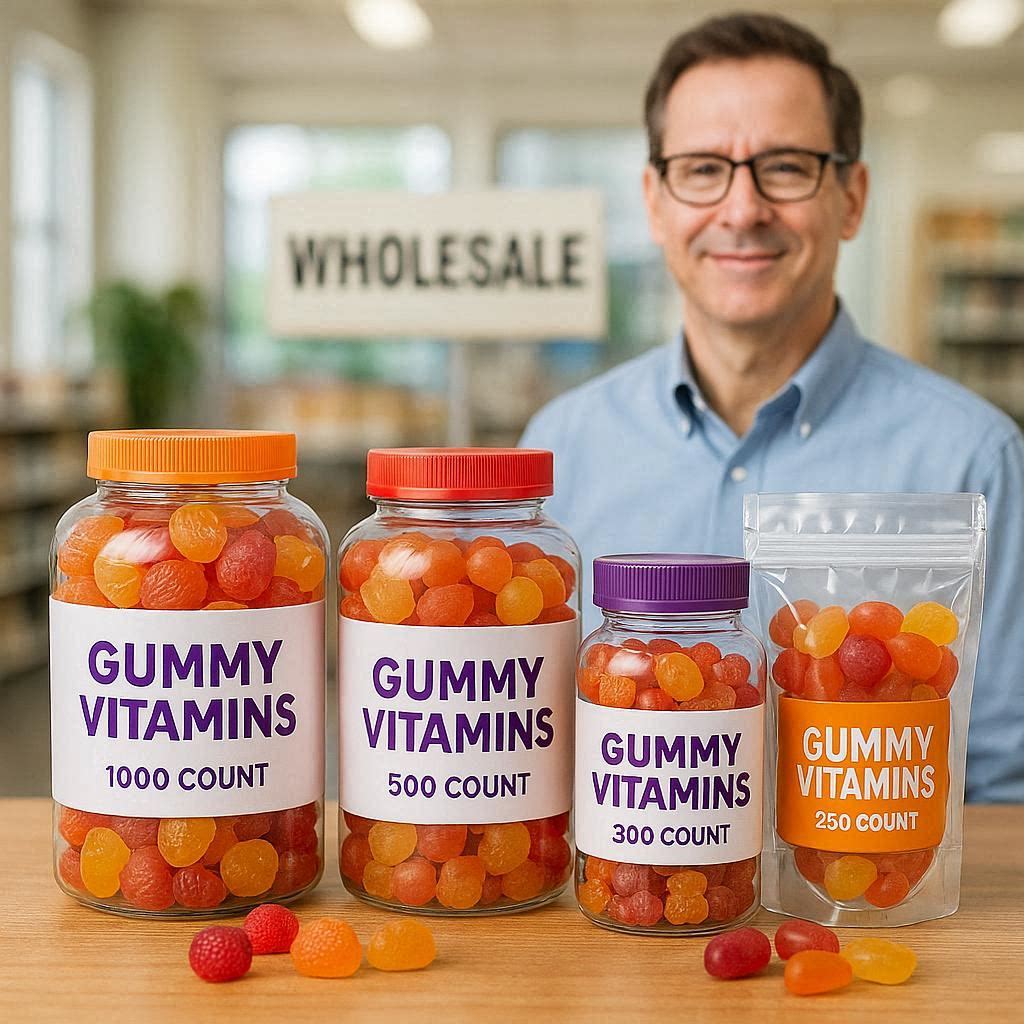
A 500-bottle minimum gummy OEM offer can be useful, but only when the buyer understands what the low MOQ is actually buying. A small first run is valuable for market testing, label validation, and channel learning, yet it also concentrates cost into setup, artwork, and packaging decisions. Buyers should therefore treat a 500-bottle offer as a launch tool rather than an automatic bargain. The right OEM partner is the one that explains the operational tradeoffs clearly and can still run the project under a disciplined batch-record and label-control system.
Why a low MOQ can help a brand
For early-stage brands, a 500-bottle run can reduce inventory risk, shorten decision cycles, and allow real market feedback before a larger commitment. That is especially useful when the brand is still testing flavor acceptance, sales channel fit, or whether a gummy concept deserves a second SKU extension. A low MOQ is most valuable when the project is learning something concrete, not when it simply defers hard decisions about serving count, label claims, or pricing.
What often gets hidden behind a low minimum
The bottle count itself is only one variable. A small run can still carry relatively high per-unit costs if the project uses custom molds, complex labels, unusual sweetener systems, or premium cartons. It can also become inefficient if the formula has not been locked, because last-minute revisions create proportionally larger waste on a short run than on a stable commercial program.
Batch-record discipline still applies
Under 21 CFR Part 111, manufacturers must prepare and follow a written master manufacturing record for each unique formulation and each batch size. 21 CFR 111.205 That matters directly in low-MOQ gummy work because a 500-bottle pilot is not exempt from documentation, specification, or release expectations. Buyers should ask whether the OEM treats small runs as real GMP batches or as loosely controlled sample projects.
Label and packaging costs can decide whether the MOQ is attractive
FDA’s dietary supplement labeling guide requires core label statements and proper Supplement Facts presentation. FDA dietary supplement labeling guide If artwork, claims review, and packaging choices are still unsettled, a 500-bottle run may lock the brand into avoidable reprint cost. The best use of a low MOQ is when the formula, serving logic, and mandatory label content are already stable enough to justify packaging spend.
Decision framework for a 500-bottle gummy run
| Question | Why it matters |
|---|---|
| What is the learning objective? | Clarifies whether the pilot is testing demand, price, flavor, channel fit, or compliance readiness. |
| Is the formula frozen? | Avoids rework in flavor, potency, and label panels after packaging is ordered. |
| What packaging is included? | Bottle, cap, induction seal, carton, and label choices can outweigh the low MOQ headline. |
| Can the same project scale? | Confirms whether a repeat order can use the same formula, records, and supplier inputs. |
Questions buyers should ask the OEM
- Does the quoted MOQ include formula development, pilot samples, and label review, or only commercial filling?
- What changes if the second order moves from 500 bottles to several thousand?
- How much artwork flexibility remains after label approval and print ordering?
- Will the same ingredient sources and packaging vendors be used at scale?
Useful comparisons
Brands weighing a small first run should compare the economics with our earlier posts on low-MOQ gummy manufacturers, private label pricing, and common sourcing pitfalls. Those articles help show when a low MOQ improves speed and when it simply disguises unresolved product-definition work.
Bottom line
A 500-bottle minimum gummy OEM project makes sense when the brand is intentionally buying a learning cycle under proper manufacturing controls. It makes less sense when the formula, label, or packaging architecture is still unstable. The right OEM helps you tell the difference before the first bottle is filled.