










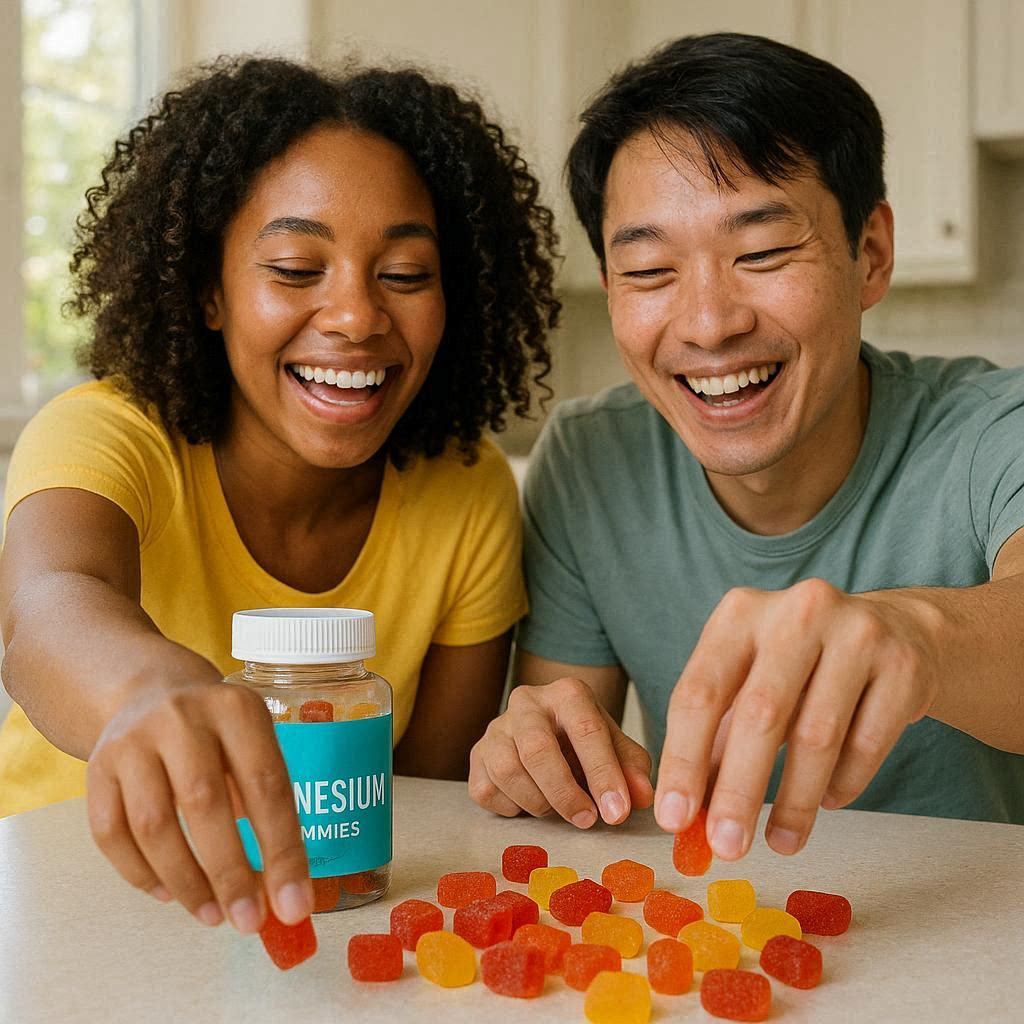
A fast sampling supplement factory can save weeks in a product-development cycle, but only if speed is tied to a clear technical purpose. The most useful samples answer specific commercial questions: Does the flavor system work? Does the capsule fill behave properly? Does the label direction still make sense once the true serving size is visible? Buyers should therefore choose a sampling partner that can move fast while preserving traceability, version control, and a clear path to commercial scale.
Why sampling speed matters
In supplement development, delays often come from decision uncertainty rather than from manufacturing complexity alone. A rapid sample can help a brand choose between dosage forms, validate consumer-facing attributes, and align sales with what production can actually deliver. That is commercially valuable. The risk appears when a sample is treated as a sales prop instead of as a controlled decision tool.
What a sample should prove
Useful samples do not need to answer every stability and scale-up question, but they should be documented well enough to support the next decision. A buyer should know which formula version was sampled, which ingredient sources were used, what provisional serving logic was assumed, and what differences may exist between the sample method and the future commercial process. If that information is missing, the sample may create false confidence rather than real progress.
Written records become important earlier than most brands expect
21 CFR Part 111 requires written records and, for commercial dietary supplements, master manufacturing records for each formulation and batch size. 21 CFR Part 111 recordkeeping requirements 21 CFR 111.205 master manufacturing records Even at the sample stage, buyers should ask whether the factory tracks version changes clearly enough to prevent a gap between the approved sample and the first commercial batch.
Factory-evaluation checklist for rapid sampling
| Question | Why it matters |
|---|---|
| What is the sample intended to decide? | Clarifies whether the sample is for flavor, dosage form, packaging fit, or claims alignment. |
| How is the version documented? | Prevents confusion between a tasting sample and a scalable commercial formula. |
| What changes at scale? | Reveals whether commercial equipment, packaging, or sourcing will alter the product materially. |
| How fast can revisions happen? | Shows whether the supplier can support iterative development without losing control. |
Questions brands should ask before paying for rush samples
- Does the sample use the same key ingredient sources planned for commercialization?
- Will the sample packaging reflect the actual bottle, pouch, or carton constraints?
- Which technical attributes are provisional and which are already locked?
- Can the supplier move from sample to pilot to first commercial run without a full restart?
Speed is useful only when the approval path is clear
Fast samples are most valuable when the internal buyer team knows what happens after approval. If marketing, formulation, and regulatory are not aligned, sample speed simply pulls the confusion forward. That is why sampling should be tied to a stage-gate process with explicit decisions at each step.
Helpful related references
Brands comparing quick-turn sample programs should also review our earlier pieces on private label pricing, low-MOQ gummy manufacturing, and common sourcing pitfalls. Those articles help frame when rapid prototyping creates real speed and when it simply masks unresolved commercial choices.
Bottom line
The right fast-sampling supplement factory is not just quick. It is quick with version control, documented assumptions, and a believable path to commercial scale. That is what lets a sample shorten development instead of creating a second round of preventable rework.