










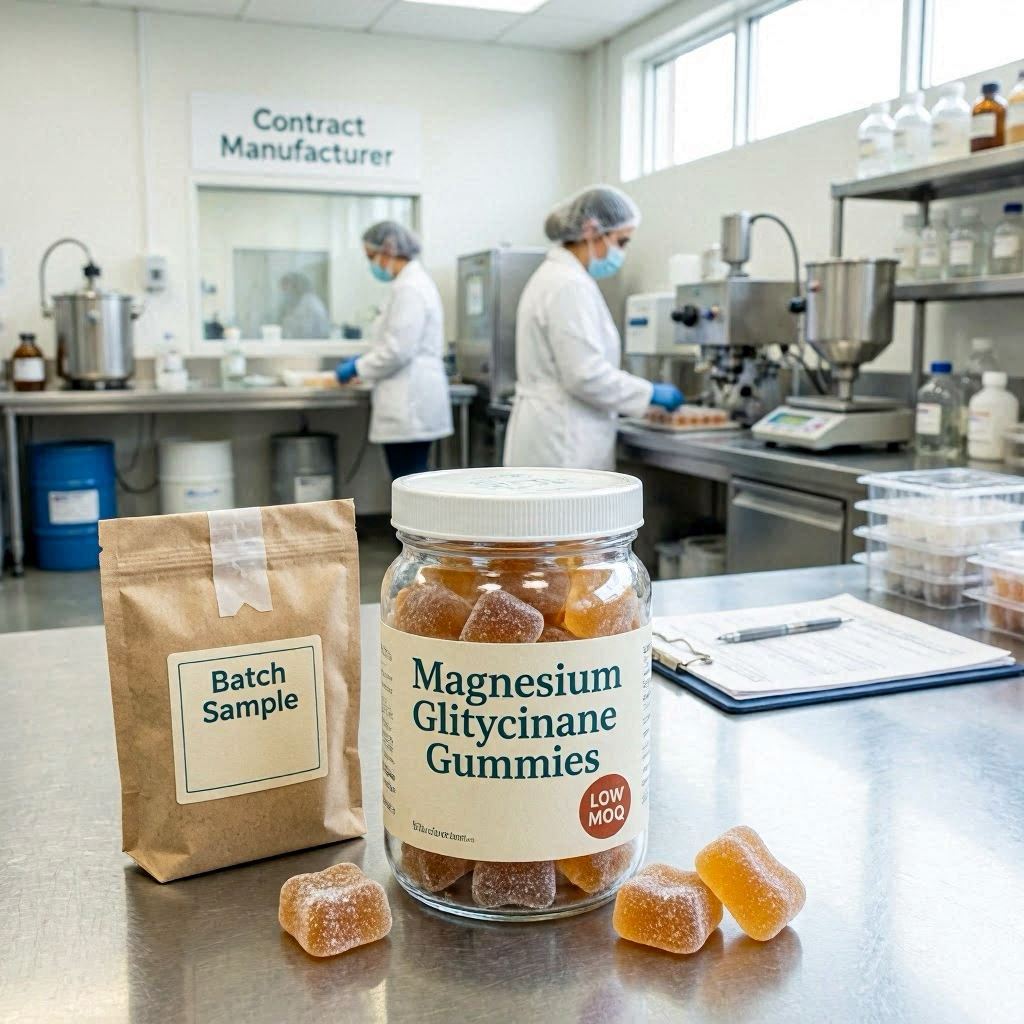
Affordable Custom Tongkat Ali Supplement Contract Manufacturing: A Comprehensive Guide for B2B Buyers
The global adaptogen and herbal supplement market has experienced extraordinary growth over the past five years, with tongkat ali (Eurycoma longifolia) emerging as one of the most sought-after active ingredients in the men’s health and performance enhancement categories. For brand owners, wellness companies, and distributors looking to enter this rapidly expanding segment, the challenge lies not in demand but in production — specifically, finding a contract manufacturing partner that can deliver high-quality tongkat ali supplements at a price point that preserves healthy margins. This article explores the science behind tongkat ali, current market dynamics, and the critical factors brand owners must evaluate when pursuing affordable custom tongkat ali supplement contract manufacturing. Whether you are launching a new product line or expanding an existing portfolio, understanding the intersection of efficacy, compliance, and cost efficiency is essential to success in this competitive category.
The Science Behind Tongkat Ali: Mechanism of Action and Bioactive Compounds
Tongkat ali, also known as Malaysian ginseng or longjack, is a flowering plant native to Southeast Asia whose roots have been used in traditional medicine for centuries. Modern pharmacological research has identified a class of compounds called quassinoids — specifically eurycomanone, eurycomalactone, and 13α(21)-epoxyeurycomanone — as the primary bioactive constituents responsible for the plant’s therapeutic effects. Eurycomanone, the most abundant and well-studied quassinoid, acts through multiple physiological pathways that make the root extract particularly relevant for testosterone support, athletic performance, and stress adaptation.
The primary mechanism of action involves the modulation of the hypothalamic-pituitary-gonadal (HPG) axis. Eurycomanone has been shown to inhibit the binding of sex hormone-binding globulin (SHBG) to testosterone, effectively increasing the concentration of free bioavailable testosterone in circulation. Clinical studies using standardized aqueous extracts containing 100–200 mg of tongkat ali root powder (standardized to 0.8–1.5% eurycomanone) have demonstrated significant increases in total and free testosterone levels over 4–6 week supplementation periods. Additionally, tongkat ali exhibits cortisol-lowering properties, which contributes to improved stress resilience, better sleep quality, and reduced muscle catabolism during intensive training.
For contract manufacturers, the standardization of these bioactive markers is paramount. A reputable affordable custom tongkat ali supplement contract manufacturing partner will ensure that every batch is HPLC-tested for eurycomanone content, as potency can vary dramatically depending on plant maturity, harvest season, extraction method, and root-to-extract ratio. Water-based extraction methods are preferred over solvent-based approaches for tongkat ali, as they preserve the full spectrum of quassinoid compounds while avoiding residual solvent concerns. The typical extraction ratio ranges from 20:1 to 200:1, with higher ratios yielding more concentrated extracts that reduce required capsule fill weights and overall formulation costs.
Market Trends and Demand Data: Why Tongkat Ali Is a Growth Category
The global tongkat ali supplement market is projected to grow at a compound annual growth rate of approximately 8.2% through 2030, driven by increasing consumer awareness of natural testosterone support alternatives, rising fitness culture, and the broader shift toward preventative health. North America currently represents the largest market share at roughly 38% of global demand, followed by Asia-Pacific at 31%, with Europe showing the fastest year-over-year growth at 9.6%. This expansion is fueled by several converging trends that create a compelling opportunity for brand owners seeking affordable custom tongkat ali supplement contract manufacturing partnerships.
First, the male wellness category has matured beyond basic multivitamins. Consumers today understand ingredient specificity and demand clinically dosed supplements with transparent labeling. Tongkat ali sits at the intersection of several high-growth subcategories: hormone health, stress management, athletic performance, and healthy aging. This cross-category appeal reduces the risk of single-channel dependency and allows brands to position the product through multiple marketing angles. Second, the rising cost of TRT (testosterone replacement therapy) and growing skepticism toward pharmaceutical interventions have pushed health-conscious men toward natural alternatives, with tongkat ali consistently ranking among the top three herbal ingredients in this niche.
Online sales channels account for over 55% of tongkat ali supplement revenue, with Amazon and direct-to-consumer e-commerce platforms leading distribution. This e-commerce dominance means that speed-to-market and packaging flexibility are critical competitive advantages — advantages that a well-structured contract manufacturing arrangement can provide. Social media mentions of tongkat ali increased by over 200% between 2022 and 2024, reflecting growing mainstream interest that independent brands are well-positioned to capture. By securing affordable custom tongkat ali supplement contract manufacturing with low minimum order quantities, emerging brands can test the market with minimal upfront capital while scaling production as demand materializes. The typical retail price for a 60-count bottle of tongkat ali capsules ranges from $24.99 to $44.99, offering healthy gross margins of 65–80% when manufacturing costs are optimized through strategic sourcing and formulation efficiency.
Key Manufacturing Considerations: Formulation, Stability, and Bioavailability
Formulating a tongkat ali supplement that is both effective and commercially viable requires careful attention to several technical variables. The first and most important is standardization. Without a guaranteed level of eurycomanone, your product cannot make meaningful label claims, and consumers will not experience consistent results — leading to poor reviews and high return rates. When evaluating an affordable custom tongkat ali supplement contract manufacturing partner, confirm that they offer extracts standardized to no less than 0.8% eurycomanone, with certificates of analysis from ISO 17025-accredited laboratories. Higher standardized extracts (1.5–2.2% eurycomanone) allow for smaller serving sizes, reducing capsule count and improving customer compliance.
Stability is the second critical challenge. Tongkat ali quassinoids are susceptible to degradation from heat, moisture, light, and oxygen exposure. Proper encapsulation should include desiccant packets in finished bottles, oxygen barrier packaging (amber PET or HDPE with induction seals), and controlled-environment storage during the manufacturing and warehousing phases. Accelerated stability testing at 40°C and 75% relative humidity over a 6-month period is the industry standard for establishing shelf life claims. A competent contract manufacturer will have validated stability chambers and offer 24-month stability projections based on real-time and accelerated data. Without this data, you risk launching a product that degrades before the consumer finishes the bottle.
Bioavailability enhancement is the third frontier. Tongkat ali extracts have variable oral bioavailability due to their poor water solubility and first-pass metabolism. Forward-thinking contract manufacturers now offer enhanced formulations combining tongkat ali with piperine (black pepper extract) or liposomal delivery systems. Piperine co-formulation at 5–10 mg per serving has been shown to increase the absorption of quassinoids by approximately 30–50%, based on comparative pharmacokinetic studies. While liposomal encapsulation adds to production costs, it can be a strong differentiator in a crowded market. When negotiating affordable custom tongkat ali supplement contract manufacturing terms, bioavailability enhancements are among the most cost-effective value-adds you can incorporate, as piperine is an inexpensive ingredient that delivers measurable clinical improvement.
OEM/ODM Benefits for Brand Owners: Customization Without the Factory Overhead
The decision to partner with a contract manufacturer rather than building an in-house production facility is one of the most critical strategic choices a supplement brand owner will make. The capital required to establish a GMP-compliant capsule filling line with blending, encapsulation, bottling, labeling, and quality control infrastructure starts at approximately $500,000 for a modest operation — and that figure climbs quickly when you account for raw material warehousing, climate control, laboratory setup, and regulatory compliance staffing. OEM and ODM partnership models eliminate this barrier entirely, allowing brands to access commercial-scale production capacity with zero capital expenditure.
Under an OEM (original equipment manufacturing) arrangement, you supply a proprietary formula, and the contract manufacturer produces it to your specifications. This model gives you full control over ingredient selection, dosage levels, and excipient choices. For brand owners with existing formulation experience, OEM partnerships with an affordable custom tongkat ali supplement contract manufacturing provider can reduce per-bottle costs by 30–50% compared to smaller-scale in-house production, depending on batch size. Typical MOQs (minimum order quantities) for OEM capsule production range from 1,000 to 10,000 bottles, with some manufacturers offering lower entry points for first-time clients to facilitate market testing.
ODM (original design manufacturing) offers a faster route to market. In this model, the manufacturer presents existing proprietary formulations that have already been developed, tested, and stability-validated. You select a tongkat ali formulation — perhaps a standalone capsule or a stacked formula with ashwagandha, shilajit, and zinc — and customize only the branding, packaging, and label artwork. ODM reduces lead times from 12–16 weeks (typical for OEM) to 4–6 weeks, because formulation development and stability testing are already complete. This speed advantage is significant for brands targeting seasonal demand spikes or responding to competitive product launches.
Both models offer significant operational advantages: no hiring or training of production staff, no capital tied up in equipment, no regulatory filing burdens (the manufacturer holds the GMP certification and handles facility-level compliance), and virtually unlimited scalability. A single purchase order can scale from a 5,000-unit test run to 100,000 units in the next order without any change in per-unit pricing above the tier threshold. For brands pursuing affordable custom tongkat ali supplement contract manufacturing, the ODM model is particularly attractive for first launches, while OEM becomes more economical as sales volume validates the product and justifies formulation investment.
Quality Assurance: GMP Compliance, Third-Party Testing, and Documentation
In the dietary supplement industry, quality assurance is not optional — it is the foundation upon which consumer trust and regulatory compliance are built. The baseline requirement for any contract manufacturer is current Good Manufacturing Practices (cGMP) certification, as defined by 21 CFR Part 111 in the United States or equivalent international standards such as FSSC 22000 or ISO 9001. GMP compliance encompasses everything from raw material receiving and identity testing to production room environmental monitoring, equipment sanitation logs, and finished product traceability. When evaluating an affordable custom tongkat ali supplement contract manufacturing partner, request a copy of their most recent GMP audit report or third-party certification. A manufacturer that hesitates to share this documentation should be eliminated from consideration immediately.
Raw material testing is the first line of quality defense. Tongkat ali is frequently adulterated or substituted with look-alike plant material from unrelated species, particularly in lower-cost supply channels. High-performance liquid chromatography (HPLC) fingerprinting, combined with microscopic identity verification, ensures that the root material is authentic Eurycoma longifolia harvested from verified sources. Heavy metal screening (lead, arsenic, cadmium, mercury) and microbial testing (total plate count, yeast and mold, E. coli, Salmonella, Staphylococcus aureus) must be conducted on every incoming batch of raw material. Reputable manufacturers reject non-conforming lots at the dock rather than attempting remediation during processing.
Finished product testing is equally rigorous. Every production batch should be accompanied by a Certificate of Analysis (COA) documenting marker compound content, potency uniformity across capsules or gummies, dissolution testing (for capsules), weight variation, and stability-indicating parameters. Third-party verification by an independent ISO 17025-accredited laboratory is the gold standard, as it eliminates any conflict of interest between production and quality assurance functions. Some affordable custom tongkat ali supplement contract manufacturing partners offer bundled quality packages that include third-party testing at a fixed per-batch fee, which simplifies budgeting and ensures consistent verification. For B2B buyers, maintaining a file of batch-specific COAs is not just good practice — it is essential documentation if your product faces regulatory inquiry or retailer compliance review.
Formulation Formats: Gummies vs. Capsules vs. Powder
Selecting the right delivery format for your tongkat ali supplement is a strategic decision that affects manufacturing costs, consumer preference, dosage accuracy, and shelf stability. Capsules remain the dominant format, accounting for approximately 62% of tongkat ali supplement sales. They offer precise dosage control, excellent stability for dry extracts, and compatibility with bioavailability-enhancing co-ingredients like piperine or BioPerine. From a manufacturing standpoint, capsules are the most cost-efficient format for affordable custom tongkat ali supplement contract manufacturing, with per-unit costs as low as $0.03–$0.08 per capsule depending on volume and capsule size. Vegetable-based hydroxypropyl methylcellulose (HPMC) capsules are preferred over gelatin for broader dietary compliance (vegan, halal, kosher) and better moisture barrier properties.
Capsule sizes range from size 00 (larger, approximately 0.95 mL fill volume) to size 1 (smaller, 0.50 mL). A typical 200 mg tongkat ali extract dose fits comfortably in a size 0 capsule, which allows for a reasonable mouthfeel and ease of swallowing. Two-capsule serving sizes are common for higher-dose formulations. When negotiating with a contract manufacturer, request dissolution testing data to ensure capsule disintegrates within the pharmacopeial standard of 30 minutes. Poor dissolution is a common issue with highly compressed herbal powders and directly impacts bioavailability and consumer satisfaction.
Gummies represent the fastest-growing format segment, with year-over-year growth of 18–22% in the herbal supplement category. However, tongkat ali presents specific formulation challenges for gummy production. Its bitter quassinoid profile is difficult to mask, requiring advanced taste-masking technologies such as spray-dried microencapsulation, cyclodextrin complexation, or specialized flavor systems combining citrus, berry, and sweetness modulators. Gummy manufacturing also involves higher per-unit costs — typically 3–5 times that of capsules — due to additional processing steps (cooking, depositing, drying, dusting) and more expensive ingredient systems. For affordable custom tongkat ali supplement contract manufacturing targeting the gummy format, expect MOQs of 10,000–25,000 bottles minimum and per-bottle costs that require $29.99+ retail pricing to maintain margin.
Powder formats, including bulk powders, stick packs, and powder-filled bottles, occupy a smaller but loyal market segment. Bulk powders appeal to informed consumers who want dose flexibility and prefer mixing into beverages. Stick packs offer convenience for on-the-go consumption and are particularly popular in the sports nutrition channel. Tongkat ali powder has an intensely bitter flavor that requires aggressive flavoring — typically at 8–12% flavor load versus 3–5% for more neutral ingredients. Manufacturing costs for powder stick packs sit between capsules and gummies, with the primary expense being specialized form-fill-seal packaging equipment rather than the formulation itself.
Frequently Asked Questions
What is the typical minimum order quantity for custom tongkat ali supplements?
Minimum order quantities vary significantly by manufacturer and format. Capsule-based OEM production typically starts at 1,000 to 5,000 bottles, while gummy production requires higher MOQs of 10,000 to 25,000 bottles due to the tooling and setup costs involved. Some manufacturers offer lower entry points of 250–500 bottles for ODM formulations where no development work is required. For brand owners pursuing affordable custom tongkat ali supplement contract manufacturing for the first time, starting with an ODM capsule formulation at the manufacturer’s minimum tier is the most capital-efficient approach.
What certifications should my contract manufacturer have?
At minimum, the facility should hold current GMP certification from a recognized third-party auditing body. Depending on your target market, additional certifications may include: FDA registration and facility listing (required for US distribution), organic certification (USDA or EU Organic), Halal certification for Muslim-majority markets, Kosher certification, and vegan certification through organizations like Vegan Action or the Vegan Society. Export-focused brands should verify that the manufacturer’s GMP certification is recognized by the destination country’s health authority, as standards differ between regions.
How long does it take to bring a custom tongkat ali product to market?
Lead times depend on the production model. ODM products can reach market in 4–6 weeks from signed agreement, assuming the manufacturer has stock of the base formulation and raw materials. OEM products require 8–14 weeks for formulation development, raw material sourcing and testing, pilot batch production, stability testing initiation, and full-scale production. Accelerated OEM timelines of 6–8 weeks are possible when using pre-validated raw material suppliers and expedited stability testing, though this may incur premium pricing.
What is the ideal dosage for tongkat ali supplements?
Clinical studies most commonly use 200 mg of a standardized aqueous extract (100:1 to 200:1 ratio) providing 0.8–2.2% eurycomanone. Effective daily dosages range from 100 mg to 400 mg, with 200 mg being the most common single-serving dose. For testosterone support benefits, a minimum 4-week continuous supplementation period is typically required. Higher doses above 400 mg do not consistently show additional benefit and may increase the risk of gastrointestinal discomfort. When working with an affordable custom tongkat ali supplement contract manufacturing partner, discuss dose optimization to balance efficacy against per-bottle cost.
Can I combine tongkat ali with other ingredients in one formula?
Yes, stacking tongkat ali with complementary ingredients is a common strategy to create differentiated products. Popular synergistic combinations include ashwagandha (for synergistic cortisol reduction), zinc (essential for testosterone synthesis), shilajit (for mineral support and ATP production), D-aspartic acid (for hormonal pathway support), and maca root (for libido and energy). The manufacturer must conduct compatibility testing to ensure the combined ingredients do not negatively interact during processing or storage. Stacked formulations increase per-unit manufacturing costs but also support higher retail pricing and stronger product differentiation.
How should tongkat ali supplements be stored and what is the typical shelf life?
Tongkat ali supplements should be stored in a cool, dry place away from direct sunlight and moisture. Properly manufactured products with oxygen barrier packaging and desiccant should achieve a shelf life of 24–36 months from the date of manufacture when stored at or below 25°C and 60% relative humidity. Accelerated stability testing is used to predict shelf life during the product development phase. Products stored in hot, humid environments (above 30°C) will degrade significantly faster, which is an important consideration for brands distributing through retail channels in tropical climates.
What is the difference between water-based and solvent-based tongkat ali extracts?
Water-based aqueous extraction uses hot water as the solvent, mirroring traditional decoction methods and preserving the full quassinoid profile without residual chemical concerns. Solvent-based extraction (typically using ethanol or hydroalcoholic mixtures) can yield higher total extract ratios but may selectively enrich or deplete specific compounds depending on solvent polarity. For affordable custom tongkat ali supplement contract manufacturing, water-based extracts are generally preferred for the dietary supplement market because they qualify as traditional herbal preparations, avoid residual solvent testing requirements, and align with consumer expectations for natural processing.
What regulatory considerations apply when importing tongkat ali into different countries?
Regulatory status varies significantly by jurisdiction. In the United States, tongkat ali is sold as a dietary ingredient under DSHEA guidelines and does not require pre-market approval, though the FDA requires GMP-compliant manufacturing and prohibits disease-treatment claims. Canada classifies tongkat ali as a Natural Health Product requiring product licensing with Health Canada. The European Union permits tongkat ali as a food supplement ingredient, though specific member states may impose restrictions on maximum dosage or required labeling language. Australia regulates it under the Therapeutic Goods Administration as a listed medicine. Before launching, verify the regulatory classification in every target market and ensure your contract manufacturer can supply the required documentation — typically a certificate of free sale, raw material COA, finished product COA, and GMP certificate.
Conclusion
The tongkat ali supplement category represents a genuine growth opportunity for brand owners who can combine scientific credibility with cost-effective production. Success in this market does not require owning a manufacturing facility or maintaining an in-house formulation laboratory. It requires finding the right partner — an affordable custom tongkat ali supplement contract manufacturing provider that understands the ingredient’s unique stability and bioavailability challenges, offers flexible MOQs and format options, and is transparent about quality documentation and pricing.
Focus your evaluation on three pillars: raw material integrity (verified through HPLC testing and supply chain transparency), formulation competence (standardized extracts, stability data, and bioavailability optimization), and operational alignment (MOQ fit, lead times, and communication responsiveness). The brands that will dominate this category over the next five years are not necessarily those with the most complex formulations or the largest marketing budgets, but those that have built disciplined, quality-first supply chain relationships from day one. By investing the time to thoroughly vet contract manufacturing partners and understanding the technical nuances of tongkat ali production, you position your brand to compete effectively in one of the herbal supplement industry’s most exciting growth categories.
Disclaimer: These statements have not been evaluated by the Food and Drug Administration. This product is not intended to diagnose, treat, cure, or prevent any disease. The information provided in this article is for educational and informational purposes only and does not constitute medical advice. Always consult with a qualified healthcare professional before starting any supplement regimen.