










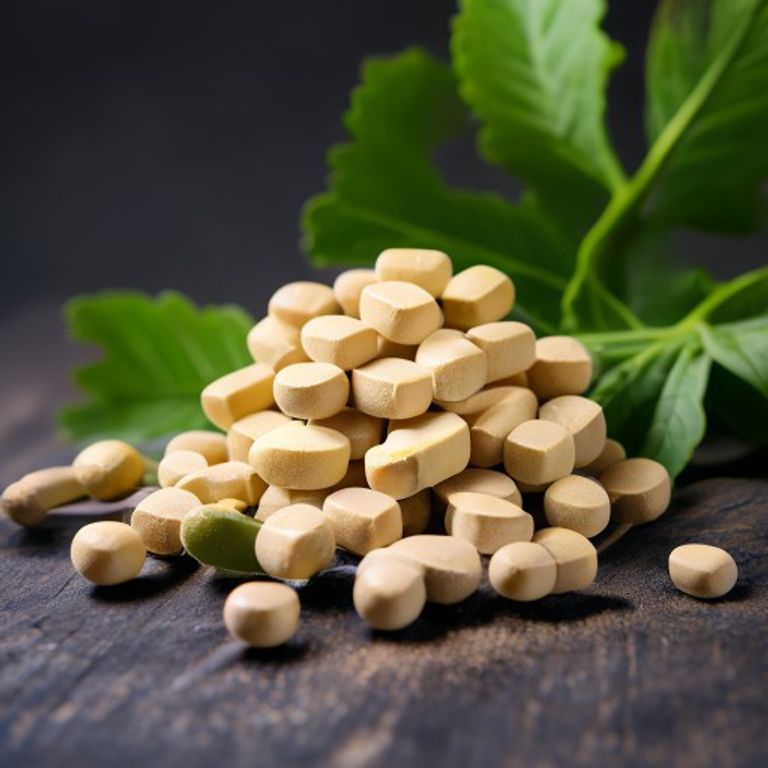
Moisture Resistant Ashwagandha Powder Bulk Packaging
Introduction
The global adaptogen market has experienced unprecedented growth over the past five years, with ashwagandha emerging as the cornerstone ingredient driving this expansion. As brand owners and private label supplement companies seek competitive advantages in an increasingly crowded marketplace, the importance of strategic sourcing decisions cannot be overstated. Among the most critical yet often overlooked factors in successful ashwagandha product development is packaging integrity—specifically, moisture resistance in bulk powder formulations.
Ashwagandha root extract contains bioactive withanolides that demonstrate remarkable stress-adaptation properties, but these same compounds are susceptible to degradation when exposed to environmental moisture during storage and transit. For B2B purchasers procuring bulk powders for capsule, tablet, or functional food applications, understanding the science behind moisture-resistant packaging solutions represents a significant competitive differentiator. The stability of your finished product—and ultimately your customer’s satisfaction—hinges on the protective measures implemented from the very first stage of supply chain management.
This comprehensive guide examines the technical considerations, market dynamics, manufacturing requirements, and quality assurance protocols that procurement professionals and brand owners must evaluate when sourcing moisture-resistant ashwagandha powder for bulk applications. FromWithania somnifera biochemistry to OEM partnership strategies, we provide the actionable intelligence necessary to make informed bulk purchasing decisions that protect product efficacy and maximize shelf life.
The Science of Ashwagandha: Bioactive Compounds and Stability Chemistry
Understanding Withanolide Degradation Mechanisms
Ashwagandha root (Withania somnifera) derives its adaptogenic properties from a class of steroidal lactones known as withanolides. The primary bioactive compounds—withanolide A, withanolide D, and withaferin A—interact with the hypothalamic-pituitary-adrenal axis to modulate cortisol responses and support neurological function. However, these molecular structures contain chemically active regions susceptible to hydrolysis when exposed to moisture.
The degradation process initiates when water molecules penetrate packaging barriers and interact with withanolide glycosides. This hydrolysis reaction converts active withanolides into less bioactive metabolites, reducing the supplement’s therapeutic potential over time. Studies indicate that withanolide content can decline by 15-30% within six months when bulk powders are stored under suboptimal humidity conditions exceeding 60% relative humidity.
Temperature fluctuations compound this challenge. When bulk shipments pass through climate zones with varying humidity and temperature ranges—as occurs during international freight transport—condensation formation accelerates degradation kinetics. A powder that leaves a manufacturer in India at 25°C may encounter dramatically different conditions during ocean transit or warehouse storage in North American distribution centers.
The Role of KSM-66 and Sensoril Extracts
The supplement industry recognizes two primary ashwagandha extract standardization profiles: KSM-66, which contains a minimum of 5% withanolide content derived exclusively from root material, and Sensoril, which combines root and leaf extracts to achieve 7-10% withanolide concentrations. Both formats require equivalent attention to moisture protection, though leaf-inclusive extracts may exhibit slightly different degradation profiles due to additional polyphenol compounds.
For bulk packaging applications, the extract type directly influences packaging specifications. Higher-potency extracts with elevated withanolide concentrations present greater stability challenges because more active molecules exist in closer proximity, potentially accelerating degradation reactions. Procurement specifications should clearly reference extract type and standardization requirements to ensure packaging solutions match the specific bioactive profile being sourced.
Market Dynamics: Growth Projections and Demand Drivers
Global Adaptogen Market Analysis
The global adaptogens market was valued at approximately $8.7 billion in 2022 and projects compound annual growth rates of 7.2% through 2030, according to industry analysis. Ashwagandha commands the largest market share within this category, representing nearly 35% of total adaptogen revenue. The North American market demonstrates particularly robust demand, with U.S. supplement sales of ashwagandha-containing products exceeding $180 million annually and growth trajectories indicating continued expansion.
Several factors fuel this demand surge. Consumer awareness of stress management and cognitive support supplements has expanded dramatically, driven by clinical research validating ashwagandha’s efficacy in randomized controlled trials. Additionally, the clean label movement has elevated consumer preference for botanical ingredients over synthetic alternatives, positioning ashwagandha as an attractive “natural” option for functional supplement formulations.
The sports nutrition and nootropic categories represent particularly high-growth segments for ashwagandha applications. Research published in the Journal of the International Society of Sports Nutrition demonstrates that daily ashwagandha supplementation (300-600mg standardized extract) significantly improves VO2 max and recovery parameters in athletic populations, creating substantial demand for bulk powder in sports nutrition manufacturing.
Bulk Packaging Market Specifications
Within this expanding market, bulk powder formats dominate procurement volumes, accounting for approximately 62% of B2B ashwagandha transactions. Brand owners increasingly prefer powder substrates for capsule manufacturing due to cost efficiency and formulation flexibility. Moisture-resistant packaging specifications have become standard requirements among serious procurement professionals, as the consequences of degradation—customer complaints, return requests, and reputational damage—far exceed the marginal cost of protective packaging solutions.
Moisture-Resistant Packaging Technologies for Bulk Applications
Barrier Material Specifications
Effective moisture-resistant packaging for bulk ashwagandha powder employs multi-layer barrier structures designed to limit water vapor transmission rates (WVTR) to less than 0.5 g/m²/day under standard test conditions. Common barrier configurations include:
Foil laminate structures combine aluminum metallization with polyethylene seal layers, providing the highest moisture protection for long-term bulk storage applications. These materials achieve WVTR values below 0.1 g/m²/day but present higher material costs and reduced sustainability profiles compared to alternative solutions.
High-density polyethylene (HDPE) containers with induction-sealed lids offer adequate moisture protection for medium-term storage, achieving WVTR values of approximately 1.5-2.0 g/m²/day. These containers suit brand owners with predictable inventory turnover and moderate climate exposure risks.
Foil-lined kraft bags with heat-sealable closures provide moisture barriers comparable to HDPE containers while offering reduced shipping weights and improved palletization efficiency. These formats have become increasingly popular among contract manufacturers managing multiple SKUs within shared warehouse spaces.
Desiccant Integration Protocols
Beyond passive barrier technologies, proactive moisture control through desiccant integration significantly extends product stability. Food-grade silica gel packets, molecular sieve desiccants, and oxygen-absorbing sachets all demonstrate efficacy when properly sized for container volumes.
Packaging engineers recommend calculating desiccant quantities based on interior volume, expected transit duration, and worst-case humidity exposure scenarios. A general guideline specifies 5-10 grams of silica gel per kilogram of powder for transoceanic shipments in tropical climates. Overdesiccation presents minimal risk, as ashwagandha powder maintains chemical stability even at extremely low moisture contents.
Manufacturing Considerations: Formulation, Stability, and Bioavailability
Standardization and Bioavailability Enhancement
Bulk ashwagandha powder procurement requires attention to standardization parameters that directly impact finished product performance. Withanolide content verification through high-performance liquid chromatography (HPLC) testing provides confidence in active compound concentrations. Reputable suppliers provide certificates of analysis documenting withanolide profiles across multiple production batches, enabling formulation consistency.
Bioavailability considerations extend beyond raw material quality. Ashwagandha’s lipophilic nature means that absorption occurs primarily through lymphatic transport, with bioavailability influenced by particle size, formulation matrix, and co-administered ingredients. Some manufacturers offer bioavailability-enhanced formats incorporating bioenhancement technologies such as self-emulsifying drug delivery systems (SEDDS), though these specialized formats command premium pricing in bulk procurement.
Shelf Life Validation and Accelerated Stability Testing
Procurement specifications should mandate shelf life validation data from prospective suppliers. Accelerated stability testing under elevated temperature and humidity conditions (40°C/75% RH) provides predictive models for real-time shelf life determination. Well-formulated moisture-resistant ashwagandha powder should demonstrate minimum 24-month stability under recommended storage conditions.
Temperature cycling studies—alternating exposure between refrigerated and ambient conditions—simulate distribution challenges and identify packaging weaknesses before bulk commitments. Requesting stability data that includes both accelerated testing results and ongoing real-time monitoring data provides comprehensive performance documentation.
OEM/ODM Partnership Advantages for Brand Owners
Low Minimum Order Quantities and Flexibility
The evolution of contract manufacturing services has dramatically reduced barriers to private label supplement development. B2B ashwagandha powder suppliers offering OEM/ODM capabilities now accommodate minimum order quantities as low as 5 kilograms for initial product development, enabling brand owners to test market demand before committing to large-volume production runs.
This flexibility proves particularly valuable for emerging brands and seasonal product variations. A brand owner launching a new ashwagandha gummy formulation can initiate production with modest quantities while validating consumer response, then scale to full production volumes based on actual market performance.
Formulation Development and Speed-to-Market
Partnering with suppliers offering integrated formulation services accelerates product development timelines significantly. These partners provide access to formulation scientists, pilot-scale manufacturing capabilities, and regulatory affairs expertise that would otherwise require substantial capital investment. The typical development cycle for a new ashwagandha-containing supplement—from concept to commercialization—reduces to 8-12 weeks when leveraging experienced OEM partners.
Customization options extend beyond simple label design to encompass active ingredient ratios, inactive ingredient selection, flavor profiles, and delivery format specifications. A brand owner seeking a high-potency ashwagandha capsule can specify exact withanolide concentrations, preferred excipient matrices, and capsule shell materials (vegetarian versus gelatin) through collaborative formulation development processes.
Cost Optimization Through Volume Economics
While low-MOQ options enable market entry, volume procurement delivers substantial cost reductions. Bulk ashwagandha powder pricing typically follows tiered structures where 100kg orders command 15-25% discounts compared to 10kg quantities. For established brands with predictable demand patterns, volume purchasing agreements with moisture-resistant packaging included represent significant margin enhancement opportunities.
Quality Assurance and Regulatory Compliance
GMP Manufacturing Standards
Verification of current good manufacturing practice (cGMP) certification represents a non-negotiable requirement for B2B ashwagandha sourcing. The FDA’s 21 CFR Part 111 regulations mandate specific quality control protocols for dietary supplement manufacturers, including identity testing, purity verification, and contamination screening.
Third-party GMP audits through organizations such as NSF International, UL, or SGS provide independent verification of manufacturing compliance. Suppliers should maintain documentation of recent audit outcomes and corrective action implementations. For international sourcing, attention to specific market compliance requirements—EU Novel Food regulations, Australian Therapeutic Goods Administration specifications—becomes essential.
Testing Protocols and Certificate of Analysis Documentation
Comprehensive certificates of analysis (COAs) document quality specifications across multiple testing parameters. For ashwagandha powder, essential testing includes:
Withanolide content via HPLC quantification (typically 5%, 7.5%, or 10% standardization)
Microbial contamination screening (total plate count, yeast/mold, E. coli, Salmonella)
Heavy metal analysis (lead, arsenic, cadmium, mercury)
Pesticide residue screening (particularly relevant for organic-labeled products)
Solvents residual testing for extract-based products
Moisture content determination via Karl Fischer titration
Moisture content itself requires specific attention. While moisture-resistant packaging protects against environmental moisture ingress, the initial moisture content of bulk powder significantly influences stability trajectories. Powders entering packaging at moisture levels exceeding 5% face accelerated degradation even with excellent barrier protection. Specifications should require moisture content below 4% for optimal long-term stability.
Certification Landscape
Consumer demand for certified products influences procurement specifications significantly. Organic certification (USDA or equivalent) commands premium pricing but unlocks access to premium market segments. Halal and Kosher certifications enable access to specific religious consumer populations. Non-GMO Project verification addresses separate consumer concerns.
For ashwagandha specifically, sustainable sourcing certifications gain importance as the supplement industry confronts supply chain transparency pressures. Suppliers demonstrating relationships with verified Withania somnifera cultivation operations—not wild-harvested sources facing sustainability concerns—appeal to brand owners prioritizing ethical supply chain positioning.
Formulation Formats: Comparing Delivery Systems
Capsule Manufacturing Requirements
Capsules represent the dominant delivery format for bulk ashwagandha powder, offering dosage precision, consumer convenience, and manufacturing efficiency. Hard gelatin capsules accommodate powder fill weights of 300-600mg per capsule, typically requiring one to two capsules per serving depending on formulation potency.
Capsule manufacturing tolerances require attention to powder flow characteristics and compressibility. Free-flowing powders with controlled particle size distributions fill capsules more consistently than irregular powders. Some suppliers offer ashwagandha powder specifically optimized for capsule filling operations, with pre-adjusted flow properties and compressibility indices.
Moisture considerations affect capsule shell selection. Gelatin capsules demonstrate humidity sensitivity, with excessive moisture exposure potentially causing shell brittleness or softening. For products intended for tropical climate distribution, moisture-resistant packaging protects both the powder fill and capsule shells during storage.
Gummy and Chewable Formulations
The gummy supplement market has experienced double-digit growth rates, with functional gummies incorporating ashwagandha for stress management and sleep support applications gaining substantial market share. Gummy manufacturing requires ashwagandha powder compatible with gelatin or pectin-based matrices, with specific attention to flavor masking given ashwagandha’s characteristic bitter notes.
Moisture resistance becomes particularly critical for gummy applications because the finished product itself contains significant water content (typically 15-20%). Bulk powder used in gummy manufacturing must maintain stability through the manufacturing process, including mixing, heating, and molding operations. Suppliers experienced in gummy applications understand the technical requirements and can recommend appropriate powder specifications.
Powder and Functional Food Applications
Direct powder consumption and functional food applications represent growing market segments where bulk ashwagandha powder serves as an ingredient in ready-to-mix formulations, protein powders, and functional beverages. These applications demand different powder characteristics than capsule manufacturing, with emphasis on dissolution properties, flavor masking, and particle size distribution suitable for beverage applications.
Moisture-resistant packaging for functional food applications often requires additional barrier properties due to the likelihood of repeated container opening during consumer use. Single-serve packets, while more expensive per unit, eliminate repeated exposure to ambient humidity and provide optimal moisture protection for powder-format products.
Frequently Asked Questions
What moisture levels should I specify when purchasing bulk ashwagandha powder?
Moisture content specifications should target below 4% for optimal stability, with preferred specifications between 2-3% for extended shelf life applications. Request Karl Fischer titration testing results on certificates of analysis to verify moisture levels. For tropical climate distribution or extended transit times, stricter specifications below 2% provide additional safety margins.
How do I verify the withanolide content in bulk powder shipments?
High-performance liquid chromatography (HPLC) testing provides the gold standard for withanolide quantification. Request batch-specific COAs documenting withanolide A, withanolide D, and total withanolide content. Consider independent verification testing for high-value bulk orders, particularly when establishing new supplier relationships. Third-party laboratory testing through organizations such as Alkemist Labs orBotanical Adulterants Prevention Program provides additional quality assurance.
What packaging options provide the best moisture protection for bulk purchases?
Foil laminate bags with heat-seal closures offer the highest moisture barrier protection for bulk powder quantities exceeding 10 kilograms. For 5-10 kilogram quantities, high-density polyethylene containers with induction seals provide adequate protection with improved accessibility. Always verify WVTR specifications from suppliers and ensure desiccant packets are appropriately sized for container volumes and expected transit conditions.
What is a typical minimum order quantity for moisture-resistant packaged ashwagandha powder?
MOQ requirements vary by supplier and packaging format, ranging from 5 kilograms for initial product development through 100-500 kilograms for standard bulk orders. Suppliers offering custom packaging specifications may require higher MOQs due to setup costs, while pre-packaged standard products enable smaller quantity purchases. Negotiate MOQ flexibility when establishing long-term supply relationships.
How does storage temperature affect ashwagandha powder stability?
Refrigerated storage (2-8°C) significantly extends shelf life but is not always necessary for properly packaged powder. Room temperature storage (20-25°C) remains acceptable when moisture-resistant packaging maintains integrity. Avoid storage above 30°C as degradation rates accelerate noticeably. For bulk inventory in warm climates, climate-controlled warehousing provides insurance against quality degradation.
What certifications should I require from bulk ashwagandha suppliers?
At minimum, verify GMP certification and current FDA registration for domestic suppliers or relevant regulatory compliance for international sources. Depending on your product positioning, pursue organic certification (USDA or equivalent), non-GMO verification, Kosher, or Halal certification. Request copies of actual certificates rather than self-reported compliance claims.
Can moisture-resistant packaging be customized with branding elements?
Most bulk packaging options accommodate customization including company branding, batch coding, lot numbers, and regulatory statements. Foil bags accept flexographic printing, while HDPE containers accommodate pressure-sensitive labels. Customization typically requires minimum order quantities of 100+ units and extended lead times. Coordinate packaging customization early in the product development process to avoid supply chain delays.
What shelf life can I expect from properly packaged ashwagandha powder?
Well-formulated moisture-resistant ashwagandha powder demonstrates minimum 24-month shelf life under recommended storage conditions (below 25°C, protected from direct sunlight). Accelerated stability testing at elevated conditions (40°C/75% RH) typically predicts 36-48 months of real-time stability. Verify shelf life claims through supplier documentation and consider independent stability testing for critical applications.
Conclusion
Sourcing moisture-resistant ashwagandha powder for bulk packaging applications demands attention to multiple interconnected factors spanning materials science, supply chain logistics, quality assurance, and regulatory compliance. The investment in comprehensive supplier evaluation and packaging specification development yields substantial returns through enhanced product stability, reduced waste, and improved customer satisfaction.
As the adaptogen market continues its expansion trajectory, brand owners who establish robust procurement protocols for moisture-sensitive ingredients position themselves for sustainable growth. The principles outlined in this guide—emphasizing barrier technology, standardization verification, stability testing, and quality documentation—apply equally to ashwagandha and the broader category of bioactive botanical extracts facing similar moisture sensitivity challenges.
Success in the competitive supplement marketplace ultimately depends on consistent product quality that consumers can trust across multiple purchase cycles. Protecting the bioactive compounds that deliver ashwagandha’s stress-adaptation benefits through thoughtful packaging and procurement decisions forms the foundation of that consumer confidence.
Disclaimer: These statements have not been evaluated by the Food and Drug Administration. This product is not intended to diagnose, treat, cure, or prevent any disease. The information provided in this article is for educational and informational purposes only and does not constitute medical advice. Always consult with a qualified healthcare professional before starting any supplement regimen.