










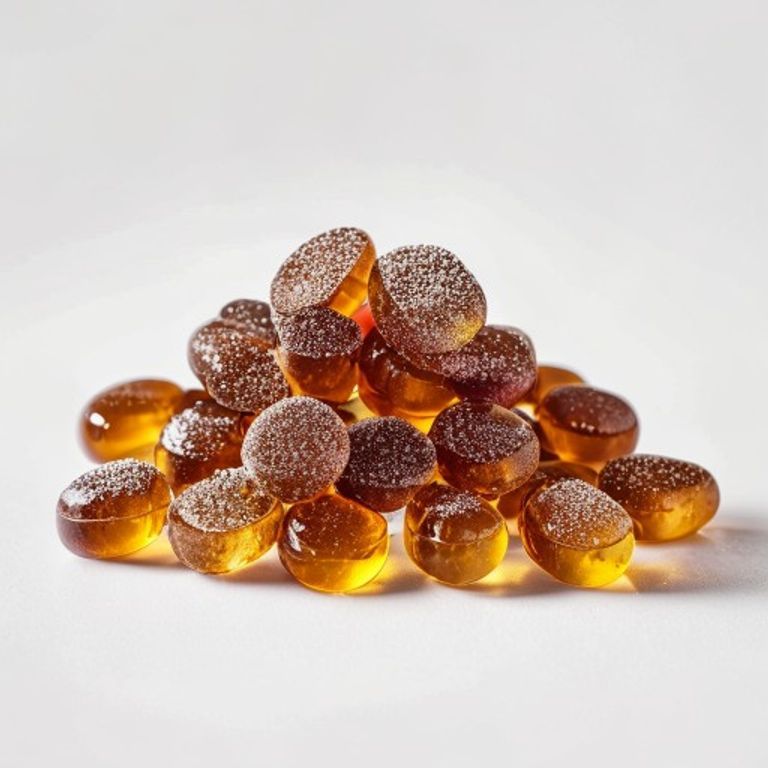
Sugar Free Berberine HCl Gummies OEM: A Complete Guide for Brand Owners and Supplement Manufacturers
Introduction
The dietary supplement market continues to evolve at a remarkable pace, with functional ingredients like berberine hydrochloride driving significant innovation in the gummy format segment. Sugar free berberine HCl gummies represent a compelling intersection of consumer demand for blood sugar support, preference for pleasant consumption experiences, and health-conscious formulations that eliminate unnecessary carbohydrates. For brand owners and private label buyers seeking to capitalize on this growing category, understanding the OEM manufacturing landscape, formulation science, and quality considerations becomes essential for successful product development and market positioning.
Sugar free berberine HCl gummies OEM production offers a pathway for emerging brands and established retailers to access premium-quality berberine supplements in a differentiated delivery format without the capital investment required for in-house manufacturing capabilities. This comprehensive guide examines the science behind berberine’s mechanisms of action, market dynamics driving category growth, critical manufacturing considerations, the strategic advantages of OEM partnerships, quality assurance frameworks, and practical guidance for brands evaluating gummy versus alternative formats. Whether launching a new product line or expanding an existing supplements portfolio, this resource provides the foundational knowledge necessary to make informed decisions about sugar free berberine HCl gummy production.
The Science Behind Berberine Hydrochloride
Mechanism of Action and Health Benefits
Berberine hydrochloride is a bioactive alkaloid compound extracted from various plants, including Berberis vulgaris, Coptis chinensis, and Hydrastis canadensis. This botanical compound has accumulated substantial clinical research demonstrating its effects on glucose metabolism, lipid profiles, and cardiovascular health markers. The mechanism of action distinguishes berberine from many conventional supplements through its activation of adenosine monophosphate-activated protein kinase (AMPK), an enzyme often described as a master regulator of cellular energy homeostasis.
Upon ingestion, berberine HCl demonstrates multiple therapeutic pathways relevant to blood sugar management and metabolic health. The compound significantly enhances insulin sensitivity by increasing insulin receptor expression and improving glucose transporter type 4 (GLUT4) translocation to cell membranes. Clinical research published in peer-reviewed journals documents berberine’s ability to activate AMPK, which subsequently influences hepatic glucose production, glycogen synthesis, and lipid metabolism. Studies involving populations with type 2 diabetes and prediabetic conditions have demonstrated that berberine supplementation produces meaningful reductions in fasting blood glucose, postprandial glucose levels, and hemoglobin A1c values.
Beyond glucose regulation, berberine exhibits favorable effects on lipid metabolism, often producing reductions in total cholesterol, LDL cholesterol, and triglycerides while sometimes increasing HDL cholesterol. These combined metabolic effects position berberine as a comprehensive ingredient for formulations targeting metabolic syndrome, weight management support, and cardiovascular health. The dosage range typically considered effective in clinical studies ranges from 900 to 1,500 milligrams daily, administered in divided doses to optimize bioavailability and minimize gastrointestinal discomfort that sometimes accompanies berberine supplementation.
Bioavailability Challenges and Gummy Formulation Advantages
Berberine’s natural bioavailability presents formulation challenges that gummy manufacturing can help address. Oral bioavailability of standard berberine extracts typically ranges from less than 1% to approximately 5%, primarily due to limited intestinal absorption, rapid metabolism, and efflux transporter activity. These pharmacokinetic limitations mean that formulations must deliver sufficient berberine content to achieve therapeutic effects while maintaining consumer-friendly dosing schedules.
Gummy formulations offer several advantages in managing berberine’s bioavailability challenges. The matrix of the gummy delivery system can incorporate absorption-enhancing technologies such as self-emulsifying drug delivery systems (SEDDS), nanoparticle formulations, or specialized delivery matrices designed to improve intestinal uptake. Additionally, the consumption experience of a pleasant-tasting gummy supports compliance with multi-dose daily regimens that berberine typically requires, indirectly contributing to therapeutic outcomes through improved adherence rates.
Market Trends and Industry Demand
Growth Drivers and Market Size Projections
The global berberine supplement market has experienced substantial growth, driven by increasing awareness of metabolic health concerns, rising diabetes prevalence, and growing consumer preference for natural approaches to blood sugar management. Market analysts project the berberine segment to expand at a compound annual growth rate exceeding 8% through 2030, with functional gummy formats capturing an increasingly significant share of category sales. The broader blood sugar support supplements market, valued at approximately $12 billion globally, provides substantial opportunity for differentiated products addressing consumer demand for convenient, palatable delivery formats.
Sugar free formulations represent a particularly dynamic segment within this growth trajectory. Consumer research indicates that approximately 35% of supplement users actively seek sugar reduced or sugar free products, with this preference strongest among health-conscious consumers managing metabolic conditions. The diabetic and prediabetic population, estimated at over 1 billion individuals worldwide according to International Diabetes Federation data, represents a target demographic with heightened interest in sugar-free alternatives that align with dietary management strategies.
The gummy format specifically has emerged as a dominant growth driver across the dietary supplement industry. Gummy supplements represent the fastest-growing delivery format, with category sales expanding at rates nearly triple those of traditional capsule and tablet segments. Consumer preference for gummies stems from improved palatability, easier swallowing, and more pleasant daily supplementation routines compared to conventional formats. For berberine specifically, gummies address the compound’s naturally bitter taste profile through flavor masking while maintaining therapeutic dosing flexibility.
Consumer Segments and Target Audiences
Understanding the primary consumer segments for sugar free berberine HCl gummies enables brand positioning and marketing strategy development. The largest addressable market consists of individuals actively managing blood sugar levels through lifestyle intervention and supplementation, including those with prediabetes, type 2 diabetes, or insulin resistance diagnoses. These consumers typically demonstrate high product engagement and willingness to adopt supplements as part of comprehensive health management protocols.
A secondary but substantial segment encompasses health-optimization consumers seeking preventive metabolic support. This audience includes individuals with family histories of metabolic conditions, consumers aged 35 and older increasingly focused on long-term health maintenance, and fitness enthusiasts pursuing optimal metabolic markers for performance and body composition goals. The sugar free positioning resonates particularly strongly with this segment’s identity as proactive health managers making informed ingredient choices.
Weight management consumers constitute a third significant segment, as berberine’s effects on metabolic rate, fat oxidation, and appetite regulation generate interest for weight loss formulations. The sugar free attribute aligns with caloric restriction strategies and supports formulation positioning within weight management product categories.
Manufacturing Considerations for Sugar Free Berberine Gummies
Formulation Development and Ingredient Selection
Sugar free berberine HCl gummy production requires careful formulation to balance sweetness, texture, stability, and efficacy. The elimination of sucrose and high-fructose corn syrup necessitates alternative sweetener systems that provide acceptable taste profiles without compromising product stability or consumer acceptability. Common sugar substitute approaches include natural sweeteners such as stevia leaf extract, monk fruit extract, and allulose, often combined with sugar alcohols including maltitol, erythritol, or sorbitol to achieve texture and sweetness characteristics matching conventional gummy formulations.
Sweetener selection significantly impacts manufacturing processes and finished product attributes. Polyol-based sweeteners affect gel strength, moisture retention, and shelf stability, requiring formulation adjustments to maintain desired gummy texture throughout product lifespan. Stevia and monk fruit extracts provide sweetness at very low inclusion levels but contribute little to bulk or texture, necessitating complementary bulking agents. The interaction between berberine’s inherent bitterness, sweetener characteristics, and flavoring systems demands systematic optimization to achieve palatable results.
Functional ingredient incorporation beyond berberine HCl presents additional formulation opportunities and challenges. Brands may pursue synergistic ingredient combinations including chromium picolinate, alpha lipoic acid, cinnamon bark extract, or bitter melon extract to enhance metabolic support positioning. However, each additional ingredient affects gummy matrix properties, requiring compatibility testing and potential adjustments to preserve product quality and sensory characteristics.
Stability and Shelf Life Considerations
Berberine HCl gummy stability represents a critical quality parameter affecting both consumer satisfaction and brand reputation. The compound’s sensitivity to heat, moisture, and light necessitates manufacturing processes and packaging configurations that maintain potency throughout the product lifecycle. Accelerated stability testing protocols evaluating temperature and humidity stress provide predictive data regarding shelf life expectations under various storage conditions.
Moisture content management proves particularly important for sugar free gummy formulations. The absence of traditional sugar systems, which contribute to product integrity and shelf stability, requires alternative approaches to moisture control. Formulation adjustments incorporating humectant systems, sealed packaging with desiccant inclusion, and controlled manufacturing environment humidity help maintain gummy texture and prevent clumping, crystallization, or microbial growth that can compromise product quality.
Heat stability presents ongoing challenges for gummy production, as the gelatin or pectin matrix requires specific temperature conditions for processing. Berberine’s potential degradation at elevated temperatures necessitates careful process engineering, including late-stage ingredient addition, temperature-controlled mixing sequences, and optimized molding parameters that minimize thermal stress on the active compound. Spray drying or microencapsulation technologies may be employed to protect berberine from manufacturing heat exposure while maintaining dispersion throughout the gummy matrix.
Strategic Benefits of OEM Partnership for Brand Development
Minimum Order Quantities and Scalability
Engaging an experienced OEM manufacturer for sugar free berberine HCl gummy production enables brands to access premium formulation capabilities and manufacturing infrastructure without substantial capital investment. Typical MOQ structures for gummy production range from 500 to 3,000 units per SKU, making private label partnerships accessible for emerging brands and smaller retailers while remaining cost-effective for established brands seeking rapid SKU expansion. These comparatively modest production commitments allow brands to test market response and optimize product positioning before committing to larger production volumes.
Scalability represents a key advantage of OEM manufacturing relationships. As products gain market traction and demand increases, manufacturing partners can accommodate volume growth through optimized production scheduling, line allocation, and capacity expansion. The infrastructure investment required to support volume increases remains the manufacturer’s responsibility, insulating brands from capital expenditure requirements and operational complexity associated with manufacturing scale-up.
Speed-to-market acceleration provides additional strategic value. The development timeline from initial formulation specification to finished product availability typically ranges from 90 to 180 days for private label gummy products, depending on formulation complexity, packaging requirements, and regulatory considerations. This compressed development cycle compared to establishing independent manufacturing capabilities enables brands to respond nimbly to market opportunities and seasonal demand patterns.
Customization and Differentiation Opportunities
OEM partnerships provide extensive customization capabilities enabling brand differentiation within the competitive supplement marketplace. Beyond basic formulation variations, manufacturers offer customization across multiple dimensions including dosage strength, ingredient combinations, flavor profiles, texture characteristics, color options, and packaging configurations. These customization opportunities enable brands to develop distinctive products aligned with specific consumer segments and market positioning strategies.
Private label berberine HCl gummy customization may include proprietary absorption enhancement technologies, distinctive flavor and color combinations supporting brand identity, specialized packaging formats including multi-packs, sampler configurations, or travel-friendly presentations, and documentation packages providing differentiated marketing claims. The ability to create genuinely distinctive products rather than commodity offerings supports premium pricing strategies and reduces direct price-based competition.
Form development services offered by established OEM manufacturers enable brands lacking internal formulation expertise to access scientific knowledge and regulatory experience. These services typically include formula development, sample production, stability testing coordination, regulatory review assistance, and technical documentation preparation. The comprehensive support structure reduces barriers to entry for brands entering the supplement market while ensuring products meet applicable quality and regulatory standards.
Quality Assurance and Regulatory Compliance
Manufacturing Certifications and Standards
Quality assurance frameworks for sugar free berberine HCl gummy OEM production encompass multiple certification systems and testing protocols ensuring product safety, potency, and label accuracy. Good Manufacturing Practice certification, commonly referred to as GMP or cGMP, establishes baseline requirements for manufacturing facilities including infrastructure, personnel training, documentation systems, quality control procedures, and complaint handling processes. Brands should verify that prospective manufacturing partners maintain current GMP certification from recognized auditing organizations.
Third-party testing protocols provide additional quality verification beyond internal manufacturing controls. Testing should encompass raw material verification, confirming berberine HCl identity and potency through methods such as high-performance liquid chromatography (HPLC), microbial contamination screening across standard indicator organisms, heavy metal analysis for lead, arsenic, cadmium, and mercury, and residual solvent testing when applicable to extraction and processing methods. Certificates of Analysis from independent laboratories provide documented evidence supporting quality claims and regulatory compliance.
Specialty certifications expand market access and support premium positioning for sugar free berberine gummy products. Vegan and vegetarian certifications using pectin rather than gelatin expand addressable markets among plant-focused consumers. Kosher and Halal certifications enable distribution through religious dietary requirement channels. Organic certification, requiring compliant sourcing and manufacturing conditions, supports natural product positioning and typically commands price premiums. The availability and complexity of these certifications varies by manufacturer, with some partners offering integrated certification support while others maintain existing certifications across their production portfolios.
Label Compliance and Regulatory Requirements
Supplement labeling must comply with applicable FDA regulations in the United States and equivalent regulatory frameworks in target export markets. Required label elements include product identity, net quantity, ingredient declaration in descending order of predominance, allergen declarations, manufacturer or distributor information, and Supplement Facts panel conforming to FDA formatting specifications. Claims appearing on labels and in marketing materials must satisfy regulatory requirements distinguishing structure/function claims from disease claims, with appropriate qualifying language and required disclaimers.
Sugar free claim requirements merit particular attention for berberine gummy formulations. The FDA defines sugar free as containing less than 0.5 grams of sugars per serving, with no added sugars. Achieving sugar free status while maintaining acceptable taste profiles requires comprehensive sweetener system design, often combining multiple sweetener types to minimize sweetness carry-through while providing functional bulk and texture characteristics. Documentation supporting sugar free status should include nutrition analysis and ingredient verification ensuring compliance with FDA labeling requirements.
Claims substantiation represents an ongoing compliance consideration. Structure/function claims require truthful, non-misleading representations supported by evidence, though FDA does not require pre-approval for such claims. Disease claims, which attribute products to diagnosis, treatment, cure, or prevention of specific diseases, are prohibited for supplements without specific authorization. Brands should work with regulatory specialists to ensure claims language satisfies applicable requirements and withstands regulatory scrutiny.
Gummies Versus Alternative Delivery Formats
Comparative Analysis of Delivery Systems
The selection of gummy format for berberine HCl delivery involves trade-offs relative to alternative supplement delivery systems. Capsules, including both hard gelatin and plant-based alternatives, represent the dominant supplement delivery format and offer distinct advantages including higher active ingredient density, excellent stability characteristics, and minimal flavor impact. However, capsules may present swallowing challenges for some consumer populations and lack the palatability advantages that support compliance among consumers averse to traditional supplement formats.
Tablets provide cost-effective production at high volumes with excellent dose uniformity and stability. However, tablets typically require binding agents, fillers, and compression aids that increase pill burden and may affect bioavailability. The mechanical production requirements for tablet manufacturing involve heat and pressure conditions potentially problematic for sensitive active ingredients, and taste masking for tablets containing berberine’s bitter character requires more complex coating or encapsulation technologies.
Powder formats offer maximum formulation flexibility and dosage customization, with powdered berberine supplements enabling variable dosing and convenient mixing with beverages. However, compliance challenges arise from inconsistent preparation practices, the inherent bitterness of berberine in powder form, and the inconvenience relative to ready-to-consume delivery formats.
Gummy-Specific Advantages for Berberine
Gummy format delivers specific advantages particularly relevant to berberine HCl supplementation. The inherent maskability of bitter flavors through gummy formulation enables consumer acceptance that powdered or uncoated tablet forms may not achieve. Consumer research indicates that gummy supplement users demonstrate higher reported compliance rates compared to capsule or tablet users, particularly for multi-dose daily regimens that berberine typically requires for optimal efficacy.
The visual and sensory appeal of gummies supports marketing positioning and consumer engagement. Distinctive shapes, colors, and textures create product identity opportunities unavailable with conventional formats. The enjoyable consumption experience transforms supplementation from a health maintenance obligation into a positive daily ritual, potentially improving long-term adherence to berberine protocols.
The sugar free positioning creates particular value differentiation within the gummy category. While conventional gummies often contain substantial sugar content, sugar free formulations expand addressable markets among diabetic consumers, sugar-restricted individuals, and health-conscious consumers minimizing carbohydrate intake. This positioning supports premium pricing and category leadership among specialized supplement offerings.
Frequently Asked Questions
What is the typical berberine HCl dosage for gummy formulations?
Effective berberine HCl dosages in clinical research typically range from 900 to 1,500 milligrams daily, administered in divided doses of 300 to 500 milligrams taken two to three times daily. Gummy formulations commonly deliver 300 to 500 milligrams of berberine HCl per gummy, enabling flexible dosing regimens. Brands should consider target consumer needs and desired serving sizes when determining final product specifications, balancing efficacy requirements with consumer convenience and palatability objectives.
What is the shelf life of sugar free berberine HCl gummies?
Shelf life for properly formulated and packaged sugar free berberine gummies typically ranges from 18 to 24 months when stored under recommended conditions. Stability data from accelerated aging studies and real-time monitoring provide the foundation for specific shelf life claims. Moisture-sensitive ingredients and the gummy matrix itself require sealed packaging and controlled storage conditions to achieve maximum shelf life potential.
Can berberine gummies be formulated as vegan or vegetarian products?
Yes, vegan and vegetarian berberine gummies are available through manufacturers using plant-based gummy matrices. Pectin-based gummies provide firm textures and stability characteristics comparable to traditional gelatin formulations while accommodating vegan dietary preferences. Specialty certifications including Vegan Society certification or similar designations verify compliant production and support marketing claims.
What is the minimum order quantity for private label berberine gummy production?
Minimum order quantities for private label berberine HCl gummy production typically range from 500 to 3,000 units per SKU, varying by manufacturer capabilities and packaging configurations. Higher MOQ requirements may apply for specialized certifications, custom colors, or unique shapes requiring dedicated tooling. Brands should confirm MOQ requirements early in partner evaluation processes to ensure alignment with inventory and launch planning objectives.
How do sugar free gummies achieve acceptable taste without sugar?
Sugar free gummy formulations employ alternative sweetener systems combining sugar alcohols such as maltitol or erythritol with high-intensity natural sweeteners like stevia extract or monk fruit extract. These combinations provide sweetness, bulk, and functional textural properties while maintaining sugar free status under FDA labeling regulations. Flavor systems are carefully balanced to mask berberine’s natural bitterness while creating appealing sensory profiles.
What testing is performed on berberine raw materials and finished products?
Comprehensive testing protocols verify berberine quality throughout production. Raw material testing typically includes identity confirmation by HPLC, potency determination, microbial screening, heavy metal analysis, and residual solvent testing. Finished product testing encompasses berberine potency verification, microbial limits testing, moisture content determination, weight variation analysis, and sensory evaluation. Third-party laboratory analysis with Certificate of Analysis documentation provides independent verification supporting quality claims.
Are there any drug interactions or contraindications for berberine supplementation?
Berberine affects multiple metabolic pathways and may interact with certain medications, particularly those metabolized by cytochrome P450 enzymes or affecting blood glucose regulation. Berberine can increase concentrations of medications including cyclosporine, tacrolimus, and certain antibiotics while potentially enhancing the effects of blood sugar-lowering medications. Consumers taking prescription medications should consult healthcare providers before initiating berberine supplementation. Product labels and marketing materials should include appropriate caution statements regarding potential drug interactions.
What packaging options are available for berberine gummy products?
Packaging configurations for berberine gummy products include various options supporting diverse retail and consumer preferences. Common formats include single-serve foil sealed packets, bottles with child-resistant closures, multi-packs with modular compartments, and resealable pouches providing portability and portion control. Packaging materials should provide adequate moisture and light barrier properties to maintain product quality throughout shelf life. Sustainable packaging options using recyclable or biodegradable materials increasingly influence consumer purchasing decisions and brand positioning.
Conclusion
Sugar free berberine HCl gummies represent a compelling product category at the intersection of growing consumer demand for metabolic health support, preference for pleasant supplement experiences, and health-conscious formulation approaches. The market opportunity continues expanding as awareness of berberine’s clinical benefits spreads and more consumers seek convenient, palatable delivery formats supporting daily supplementation protocols.
Successful entry into this category requires strategic engagement with experienced OEM manufacturing partners capable of navigating berberine’s unique formulation challenges, achieving stable sugar free configurations, and delivering products meeting rigorous quality standards. The manufacturing considerations outlined in this guide—formulation development, stability management, quality assurance, and regulatory compliance—establish the framework for evaluating potential partners and ensuring successful product commercialization.
Brand owners and private label buyers approaching sugar free berberine HCl gummy production should prioritize manufacturing partners demonstrating GMP certification, comprehensive testing capabilities, demonstrated experience with botanical active ingredients, and flexibility accommodating customization requirements. The strategic advantages of OEM partnerships—including accessible MOQ structures, formulation expertise, and scalability—enable brands to bring differentiated products to market efficiently while focusing resources on marketing and distribution activities that build competitive advantage.
As consumer interest in metabolic health continues intensifying and gummy supplements maintain their trajectory as the industry’s fastest-growing delivery format, sugar free berberine HCl gummies offer substantial opportunity for brands positioned to deliver quality products meeting evolving consumer preferences. Thoughtful product development, rigorous quality standards, and strategic manufacturing partnerships provide the foundation for sustainable success in this dynamic market segment.
Disclaimer: These statements have not been evaluated by the Food and Drug Administration. This product is not intended to diagnose, treat, cure, or prevent any disease. The information provided in this article is for educational and informational purposes only and does not constitute medical advice. Always consult with a qualified healthcare professional before starting any supplement regimen.