










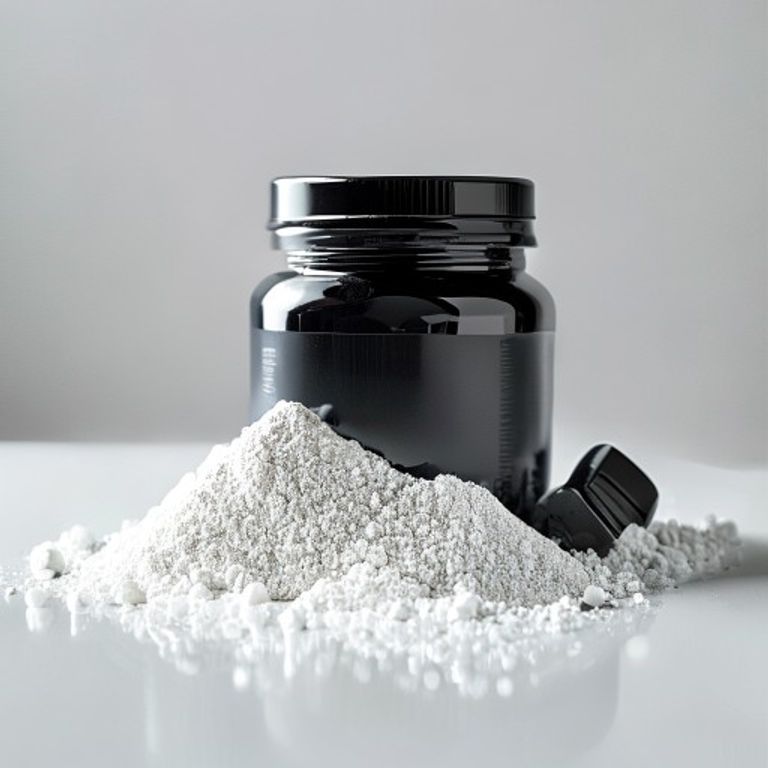
Water Soluble Creatine Monohydrate Extract Powder: A Comprehensive Guide for B2B Buyers and Brand Owners
Introduction
The sports nutrition and functional supplement industry has witnessed remarkable transformation over the past decade, with creatine monohydrate maintaining its position as one of the most extensively researched and effective performance-enhancing ingredients available. Within this landscape, water soluble creatine monohydrate extract powder has emerged as a game-changing innovation that addresses long-standing formulation challenges while meeting the evolving demands of health-conscious consumers and brand owners alike.
For businesses seeking to develop or expand their supplement product lines, understanding the nuances of water soluble creatine monohydrate extract powder as a raw material is essential for making informed sourcing decisions. This comprehensive guide examines the science behind water soluble creatine formulations, market dynamics driving demand, critical manufacturing considerations, and the strategic advantages of partnering with an experienced water soluble creatine monohydrate extract powder supplier.
Whether you are launching a new sports nutrition brand, expanding an existing product portfolio, or seeking reliable ingredient sourcing for contract manufacturing, this article provides the detailed insights and practical knowledge necessary to navigate the complex landscape of high-quality creatine supplementation ingredients.
Product Science and Mechanism of Action
Understanding Creatine Monohydrate Fundamentals
Creatine monohydrate represents the most researched form of creatine in the nutritional supplement industry, with over 1,000 peer-reviewed studies documenting its efficacy and safety profile. The compound itself is a naturally occurring amino acid derivative found primarily in skeletal muscle tissue, where it plays a crucial role in adenosine triphosphate (ATP) regeneration during high-intensity physical activity.
The standard creatine monohydrate molecule has historically presented formulation challenges due to its limited solubility in aqueous solutions. Traditional creatine monohydrate powders exhibit dissolution rates that can result in incomplete mixing, reduced bioavailability, and undesirable texture in finished products. These limitations have prompted significant research and development investment in creating superior soluble forms that maintain the proven efficacy of creatine while addressing practical formulation requirements.
Water Soluble Technology and Enhanced Absorption
Water soluble creatine monohydrate extract powder represents a technological advancement that overcomes traditional solubility barriers through specialized processing techniques and the incorporation of solubility-enhancing compounds. The water soluble form maintains the same creatine content as conventional monohydrate while demonstrating significantly improved dissolution characteristics across various temperature ranges and pH conditions.
The bioavailability advantage of water soluble creatine formulations stems from the pre-dissolved state of the creatine molecules, which allows for more efficient absorption in the gastrointestinal tract. Research suggests that water soluble creatine can achieve peak plasma concentrations faster than standard forms, potentially enhancing the time-to-effectiveness for end consumers. This improved absorption profile is particularly valuable for products designed for immediate pre-workout use or situations requiring rapid onset of action.
Ergogenic Benefits and Applications
The performance benefits of creatine supplementation are well-documented and include increased muscle strength, enhanced power output, improved high-intensity exercise performance, and support for muscle recovery between training sessions. Water soluble creatine monohydrate extract powder delivers these proven benefits while offering greater formulation flexibility for manufacturers developing innovative supplement products.
The versatility of water soluble creatine makes it suitable for incorporation across multiple delivery formats, from traditional powdered supplements to ready-to-drink formulations, effervescent tablets, and novel delivery systems. This adaptability has expanded the range of possible product applications, enabling brand owners to differentiate their offerings in an increasingly competitive marketplace.
Market Trends and Industry Demand
Global Market Size and Growth Projections
The global creatine market has demonstrated consistent growth trajectory, with current market valuations exceeding $400 million annually and compound annual growth rates (CAGR) of approximately 6-8% projected through 2030. The sports nutrition segment represents the largest application category, accounting for roughly 60% of total creatine product consumption, while therapeutic and functional food applications continue to expand.
Water soluble creatine variants have captured an increasing share of this growing market, driven by consumer demand for more convenient and palatable supplement options. Industry analysts estimate that water soluble and specialized creatine formulations now represent 15-20% of the total creatine supplement market, with this percentage expected to increase as more brands adopt advanced delivery technologies.
Consumer Trends Influencing Demand
Several demographic and lifestyle trends are contributing to sustained demand for water soluble creatine products. The growth of functional fitness, CrossFit-style training, and high-intensity interval training (HIIT) has expanded the consumer base seeking performance-enhancing supplements beyond traditional bodybuilding demographics. These fitness enthusiasts prioritize convenience, taste, and rapid effectiveness—characteristics that water soluble formulations deliver.
Additionally, the aging population’s interest in maintaining muscle mass and physical function has created new market opportunities for creatine supplementation. Research demonstrating creatine’s potential benefits for sarcopenia prevention and cognitive function has broadened the appeal of creatine products to older demographic segments, further driving market expansion.
Competitive Landscape and Sourcing Considerations
As demand grows, brand owners face increasing complexity in sourcing decisions. The market includes both established international suppliers and regional manufacturers, with significant variation in product quality, pricing structures, and service capabilities. Working with a reliable water soluble creatine monohydrate extract powder supplier requires careful evaluation of manufacturing capabilities, quality control systems, and supply chain stability.
Manufacturing Considerations: Formulation, Stability, and Bioavailability
Critical Quality Parameters for Water Soluble Creatine
The production of high-quality water soluble creatine monohydrate extract powder requires precise control of manufacturing parameters and ingredient specifications. Key quality attributes that B2B buyers should evaluate include creatine content (typically 95-99% purity for premium grades), moisture content (ideally below 3%), particle size distribution, and dissolution rate under standardized conditions.
A competent water soluble creatine monohydrate extract powder supplier should provide detailed Certificate of Analysis documentation confirming these specifications. Third-party laboratory testing using High-Performance Liquid Chromatography (HPLC) represents the gold standard for verifying creatine content and detecting potential contaminants or adulterants.
Stability Considerations and Shelf Life Optimization
Product stability represents a critical consideration for supplement manufacturers and brand owners, as degradation can compromise both efficacy and safety. Water soluble creatine formulations require careful attention to storage conditions, including temperature control, humidity management, and protection from light exposure.
Premium water soluble creatine products typically demonstrate shelf life stability of 24-36 months when stored under recommended conditions (cool, dry environment, sealed container). The inclusion of anti-caking agents and moisture barriers in quality formulations helps maintain product integrity throughout the distribution cycle and consumer usage period.
Bioavailability Enhancement Strategies
Beyond basic solubility improvements, sophisticated water soluble creatine formulations may incorporate bioavailability enhancement technologies. These can include the addition of carrier compounds such as dextrose or maltodextrin to optimize insulin-mediated uptake, buffering agents to reduce stomach discomfort, and combination formulations with complementary ingredients like beta-alanine or electrolytes.
Brand owners should discuss their specific bioavailability requirements and target efficacy claims with prospective suppliers to ensure the selected water soluble creatine grade aligns with their product development goals and marketing positioning.
OEM/ODM Benefits for Brand Owners
Understanding Contract Manufacturing Partnerships
For brands seeking to minimize capital investment while rapidly expanding their product portfolios, partnering with an OEM/ODM (Original Equipment Manufacturer/Original Design Manufacturer) water soluble creatine monohydrate extract powder supplier offers substantial strategic advantages. These partnerships enable brand owners to leverage existing manufacturing infrastructure, formulation expertise, and quality systems without requiring significant vertical integration.
The OEM model is particularly attractive for emerging brands and private label operators who require smaller production volumes while maintaining premium quality standards. Modern contract manufacturing facilities maintain the equipment, certifications, and technical expertise necessary to produce professional-grade supplement products across diverse formats and specifications.
Key Advantages of OEM/ODM Collaboration
Minimum Order Quantity (MOQ) flexibility represents one of the primary benefits of OEM partnerships. Unlike large-scale pharmaceutical or food manufacturing operations with prohibitively high minimums, experienced supplement contract manufacturers often accommodate production runs as small as 50-100 kilograms for powdered ingredients, with finished product MOQs potentially starting at 500-1,000 units depending on product complexity and packaging requirements.
Speed-to-market acceleration is another significant advantage. Established water soluble creatine monohydrate extract powder suppliers with in-house manufacturing capabilities can typically deliver from order confirmation to shipment within 3-6 weeks for standard formulations, with expedited timelines available for priority projects. This agility enables brands to respond quickly to market trends and consumer demand signals.
Customization and Formulation Development Support
Reputable OEM/ODM partners offer varying levels of formulation development support, from simple private labeling of existing formulations to full custom development of novel products. For water soluble creatine applications, this can include assistance with flavor system development, texture optimization, and proprietary blend creation that differentiates the finished product from competitors.
Brand owners should evaluate potential partners based on their technical capabilities, R&D resources, and willingness to collaborate on custom projects. The ideal supplier relationship extends beyond transactional ingredient sales to a true partnership approach that supports long-term brand growth.
Quality Assurance: Certifications, Testing, and Compliance
Good Manufacturing Practice Requirements
Quality assurance forms the foundation of any reputable supplement ingredient supply relationship. A credible water soluble creatine monohydrate extract powder supplier should operate under current Good Manufacturing Practice (cGMP) guidelines as established by relevant regulatory authorities. In the United States, this typically means compliance with FDA 21 CFR Part 111 requirements for dietary supplement manufacturing.
GMP compliance encompasses documentation of manufacturing processes, employee training and qualification, equipment calibration and maintenance, raw material verification, and comprehensive quality control testing at multiple production stages. B2B buyers should request evidence of GMP certification through recognized third-party audits and inspection reports.
Third-Party Testing and Verification
Independent laboratory testing provides objective verification of product quality and specifications. A thorough quality assurance program for water soluble creatine should include testing for identity verification, purity analysis, microbial contamination, heavy metal content, and potential environmental contaminants. Certificates of Analysis (COA) from ISO/IEC 17025 accredited laboratories demonstrate the highest level of testing credibility.
Leading suppliers typically maintain comprehensive testing protocols that exceed minimum regulatory requirements, implementing additional quality gates throughout production and packaging to ensure consistent product excellence. Brand owners should establish clear quality specifications and testing frequency requirements with their suppliers.
Certification Portfolio Considerations
Depending on target market and consumer demographics, brand owners may require specific certifications for their finished products. When sourcing water soluble creatine monohydrate extract powder, evaluating available certifications enables streamlined product development. Relevant certifications include:
- Halal certification for Muslim consumer markets
- Kosher certification for Jewish dietary requirements
- Organic certification for natural and organic product lines
- Non-GMO Project Verification
- Informed Sport or Informed Choice certification for athletes subject to drug testing
- Vegan certification for plant-based positioning
A well-equipped water soluble creatine monohydrate extract powder supplier should be capable of providing documentation supporting these certifications and maintaining appropriate supply chain segregation to prevent cross-contamination.
Formulation Formats: Gummies, Capsules, and Powder
Powder Format Advantages and Applications
Water soluble creatine monohydrate extract powder offers the greatest formulation flexibility and remains the most popular delivery format for performance-oriented consumers. Powder products typically provide the highest cost-effectiveness per serving and allow for precise dosing adjustments based on individual needs and tolerance.
The water solubility advantage is particularly valuable in powder applications, as it enables rapid dissolution in beverages without the gritty texture associated with conventional creatine formulations. This characteristic supports consumer compliance and repeat purchase behavior. Powder products also accommodate easier incorporation into shakes, smoothies, and functional beverages.
Capsule and Softgel Considerations
Capsule delivery offers convenience advantages that appeal to specific consumer segments, particularly those seeking pre-measured dosing and portable supplement options. While standard creatine monohydrate capsules are widely available, water soluble forms enable faster disintegration and dissolution within the capsule delivery system, potentially improving absorption kinetics.
For capsule products, water soluble creatine monohydrate extract powder suppliers can provide appropriate fill weights and material specifications for various capsule sizes (typically 00, 0, or 1 size capsules for creatine monotherapy products). Fill weight calculations must account for powder density and flow characteristics.
Gummy and Novel Delivery Formats
The gummy supplement market has experienced explosive growth, creating demand for water soluble ingredients compatible with gummy manufacturing processes. Water soluble creatine monohydrate extract powder addresses the historical challenge of incorporating creatine into gummy formulations while maintaining acceptable texture and flavor profiles.
Gummy products present unique formulation challenges including moisture sensitivity, texture management, and flavor masking. The water soluble form simplifies these challenges by eliminating undissolved particle concerns while enabling more consistent ingredient distribution throughout the product matrix.
Frequently Asked Questions
What purity levels are available for water soluble creatine monohydrate extract powder?
Premium water soluble creatine monohydrate extract powder typically ranges from 95% to 99.5% creatine content, with higher purity grades commanding premium pricing. Pharmaceutical-grade and food-grade options are both available, with the primary difference being the stringency of testing protocols and quality verification documentation. Most sports nutrition applications utilize 99% purity grades that offer optimal balance between quality and cost-effectiveness.
How does water solubility affect the effective dosage of creatine?
Water solubility primarily affects absorption rate rather than the total effective dose. Research indicates that water soluble forms may achieve slightly higher peak plasma levels faster than standard forms, potentially allowing for reduced loading phase protocols. However, total weekly creatine retention in muscle tissue remains comparable across forms when equivalent doses are administered. The recommended daily maintenance dose typically ranges from 3-5 grams, with loading protocols potentially utilizing 10-20 grams daily for the first 5-7 days.
What is the typical minimum order quantity for commercial purchases?
Minimum order quantities vary significantly among suppliers based on their manufacturing scale and business models. Standard commercial quantities typically start at 25-100 kilograms for raw ingredient purchases, while finished product private label MOQs commonly begin at 500-1,000 units. Some suppliers offer sample quantities of 1-5 kilograms for product development and testing purposes, enabling thorough evaluation before committing to larger production runs.
How should water soluble creatine be stored to maintain product integrity?
Proper storage of water soluble creatine monohydrate extract powder involves maintaining cool, dry conditions with relative humidity below 60% and temperatures below 25°C (77°F). Original sealed containers should be used promptly after opening, with any excess product transferred to airtight containers with desiccant packets. Extended exposure to humidity can cause caking and potentially compromise solubility characteristics, though the creatine itself remains chemically stable.
What shelf life can be expected from water soluble creatine products?
When stored under recommended conditions, high-quality water soluble creatine monohydrate extract powder typically maintains specification compliance for 24-36 months from the date of manufacture. Finished product shelf life may vary based on additional ingredients, packaging materials, and storage conditions. Brand owners should verify the remaining shelf life at time of receipt and establish appropriate expiration dating for their finished products.
Are there any contra-indications or interactions to consider?
While creatine is generally recognized as safe for healthy adults, certain populations should exercise caution or avoid supplementation. Individuals with pre-existing kidney conditions should consult healthcare providers before using creatine products. Potential interactions may occur with medications affecting kidney function or blood glucose regulation. Water soluble formulations do not present additional contraindication concerns compared to standard creatine forms.
How do water soluble forms compare cost-wise to standard creatine monohydrate?
Water soluble creatine monohydrate extract powder typically commands a 15-40% price premium over standard creatine monohydrate, reflecting the additional processing and quality control measures required for enhanced solubility characteristics. However, this premium may be offset by reduced manufacturing costs (improved mixing, reduced waste) and potential marketing advantages of enhanced bioavailability claims. Brand owners should conduct total cost analysis including manufacturing efficiency, consumer perceived value, and competitive positioning when evaluating form selection.
What documentation should I request from a prospective supplier?
Essential documentation includes Certificate of Analysis with complete specification verification, Material Safety Data Sheet (MSDS), GMP compliance documentation, and evidence of third-party testing. For finished product applications, additional documentation may include heavy metal testing reports, microbial contamination results, allergen statements, and country of origin certification. Reputable suppliers should provide all documentation in a timely manner and welcome reasonable quality audits or facility inspections.
Conclusion
The water soluble creatine monohydrate extract powder market represents a dynamic segment within the broader sports nutrition industry, offering significant opportunities for brand differentiation and product innovation. As consumer demand for convenient, effective, and great-tasting supplements continues to grow, water soluble formulations address key pain points that have historically limited creatine product development and consumer adoption.
For B2B buyers and brand owners, success in this market requires strategic partnership with qualified water soluble creatine monohydrate extract powder suppliers who demonstrate technical expertise, quality commitment, and operational reliability. The considerations outlined in this guide—from scientific formulation principles to manufacturing capabilities, quality assurance systems, and certification requirements—provide a comprehensive framework for evaluating potential suppliers and making informed sourcing decisions.
The market outlook for water soluble creatine products remains positive, with continued growth expected across sports nutrition, functional wellness, and therapeutic applications. Brands that invest in understanding their ingredient supply chain and cultivate strong supplier partnerships will be well-positioned to capitalize on emerging opportunities and deliver exceptional products to increasingly discerning consumers.
Disclaimer: These statements have not been evaluated by the Food and Drug Administration. This product is not intended to diagnose, treat, cure, or prevent any disease. The information provided in this article is for educational and informational purposes only and does not constitute medical advice. Always consult with a qualified healthcare professional before starting any supplement regimen.