










The Critical Role of Magnesium Glycinate in Modern Formulations
Magnesium is an indispensable macromineral, serving as a cofactor for more than 300 enzymatic reactions within the human body. Among the various chelated forms available to formulators and brand owners, magnesium glycinate—also known as magnesium bisglycinate—has emerged as a premier choice for high-end dietary supplements. This status is not accidental; it is the result of its superior bioavailability and its unique mechanism of action that minimizes the gastrointestinal distress often associated with inorganic magnesium salts like oxide or sulfate.
The “magic” behind magnesium glycinate lies in its structure. It is a chelate of magnesium and glycine, an amino acid. In this form, the magnesium ion is protected by the glycine molecule, allowing it to bypass the competitive absorption channels in the gut that often limit the uptake of other minerals. Glycine itself is an inhibitory neurotransmitter and a precursor to glutathione, the body’s master antioxidant. Consequently, magnesium glycinate is highly sought after for applications targeting sleep quality, stress management, and muscle recovery.
However, the very properties that make magnesium glycinate a superior ingredient also present significant challenges for manufacturers and contract packagers. Magnesium glycinate powder is inherently hygroscopic. It has a strong affinity for moisture in the environment. In a standard bulk powder format, exposure to ambient humidity can lead to a cascade of stability issues, including caking, clumping, and the eventual breakdown of the chelate bond. This is where the concept of moisture resistant magnesium glycinate powder bulk packaging transitions from a mere logistical preference to a non-negotiable requirement for maintaining product integrity.
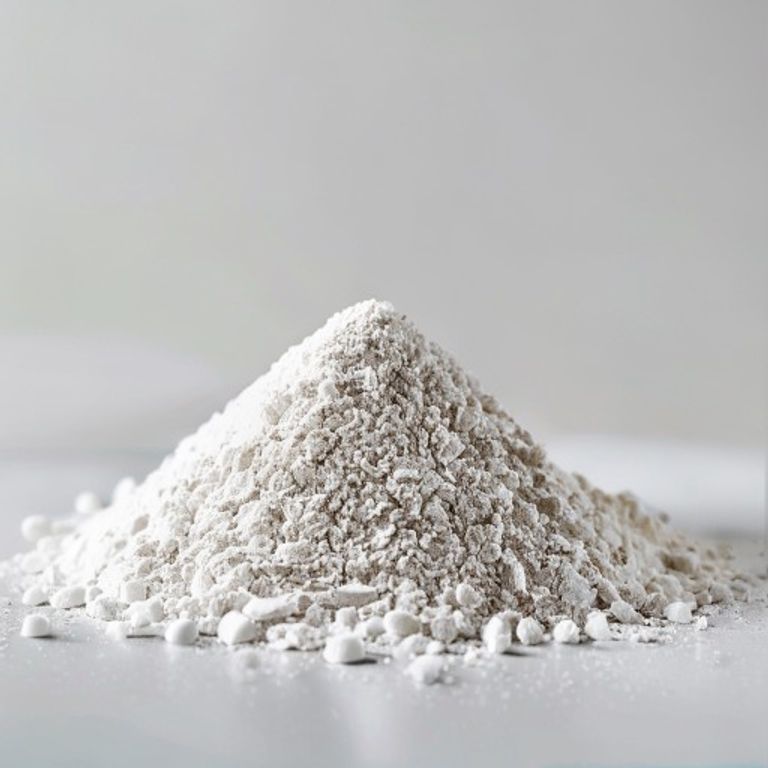
For B2B buyers, understanding the nuances of this ingredient is the first step in ensuring a successful product launch. The raw material typically appears as a fine, white to off-white powder. Its solubility in water is moderate, but it can turn into a gel-like consistency if it begins to absorb too much moisture, making it difficult to process on high-speed encapsulation or stick-pack lines. Therefore, the discussion of magnesium glycinate must always be accompanied by a rigorous examination of how it is protected from the moment it leaves the reactor to the moment it is consumed.
Market Dynamics and the Surge in Bulk Magnesium Demand
The global market for magnesium supplements has witnessed a paradigm shift over the last decade. Valued at approximately USD 3.5 billion in 2022, the market is projected to grow at a Compound Annual Growth Rate (CAGR) of 7.5% through 2030. A significant driver of this growth is the increasing consumer awareness of the “silent epidemic” of magnesium deficiency. Modern agricultural practices have depleted soil magnesium levels, and processed diets provide suboptimal levels of this vital mineral.
Within this expanding market, the demand for chelated minerals, specifically magnesium glycinate, is outpacing the general market growth, with estimates suggesting a CAGR closer to 10.2% for this specific segment. Brand owners are pivoting away from lower-cost, lower-bioavailability forms like magnesium oxide (which has a bioavailability of roughly 4%) in favor of glycinate (which boasts bioavailability rates exceeding 80% in some clinical models).
This shift has profound implications for the bulk packaging supply chain. As more brands enter the “sleep and stress” verticals, the need for reliable, shelf-stable raw materials has skyrocketed. Bulk purchasers—including private label manufacturers and large-scale supplement brands—are no longer looking for just “magnesium.” They are searching for moisture resistant magnesium glycinate powder bulk packaging solutions that guarantee a 24-to-36-month shelf life without compromising the flowability of the powder.
The B2B landscape is also being shaped by the rise of “clean label” and “plant-based” trends. While magnesium glycinate is typically synthetic or fermented, the demand for non-GMO and vegan-certified raw materials is at an all-time high. Suppliers who can provide bulk packaging that maintains the organic integrity and moisture-free status of the powder are positioned to capture the lion’s share of the professional-grade supplement market. The data suggests that the investment in high-barrier packaging and climate-controlled logistics is not just a cost center, but a value-add that justifies premium pricing in a competitive B2B environment.
Manufacturing Complexities: Stability and Bioavailability
From a formulation standpoint, magnesium glycinate presents a unique set of manufacturing hurdles. The primary challenge is its deliquescent nature. Unlike hydrophobic ingredients that repel water, magnesium glycinate actively seeks to bond with water molecules. In a manufacturing facility where humidity levels can fluctuate, this can lead to “line down” situations where the powder clogs feeders and encapsulators.
To combat this, advanced manufacturing processes now incorporate specialized flow agents and moisture-resistant coatings. For instance, the use of silicon dioxide (SiO2) or magnesium stearate (though the latter is being replaced by alternatives like rice hull concentrate in “clean label” products) is critical to prevent the particles from agglomerating. However, the most effective strategy lies in the moisture resistant magnesium glycinate powder bulk packaging itself.
High-quality bulk packaging utilizes multi-layered Barrier Bags or Super Sacks (FIBCs) with integrated liners made of materials like EVOH (Ethylene Vinyl Alcohol) or metallized films. These materials provide an Oxygen Transmission Rate (OTR) and Water Vapor Transmission Rate (WVTR) that are significantly lower than standard polyethylene. For B2B buyers, the specification of the packaging is as important as the Certificate of Analysis (COA) for the powder inside.
Furthermore, the manufacturing process must account for the thermal sensitivity of the glycine chelate. Excessive heat during drying or blending can cause the powder to degrade or change its crystalline structure, affecting solubility. Manufacturers must employ low-shear mixing and temperature-controlled environments. When sourcing in bulk, it is imperative to verify that the supplier uses “cushioning” layers within the packaging to prevent the powder from compacting during transit, which can create localized moisture traps.
The Strategic Advantage of OEM/ODM for Magnesium Glycinate
For many brand owners, the decision to develop a magnesium glycinate product involves a choice between in-house manufacturing and partnering with an OEM/ODM (Original Equipment Manufacturer/Original Design Manufacturer). Given the complexities of moisture control and chelation chemistry, the OEM/ODM route offers several strategic advantages, particularly when dealing with moisture resistant magnesium glycinate powder bulk packaging.
First, OEMs specializing in minerals possess the specialized equipment required to handle hygroscopic powders. They have access to nitrogen-flushed packaging lines and dehumidified blending rooms that are cost-prohibitive for most emerging brands to install independently. By leveraging an OEM, a brand can access “Low MOQ” (Minimum Order Quantity) options for custom formulations, allowing them to test the market without committing to 1,000kg+ bulk raw material purchases.
Second, the speed-to-market is significantly enhanced. An experienced ODM provides turnkey solutions that include formulation, flavor system development (crucial for masking the naturally bitter/metallic taste of magnesium), and the design of the final retail packaging. Since the ODM already has established relationships with suppliers of high-barrier packaging materials, they can ensure that the moisture resistant magnesium glycinate powder bulk packaging meets the rigorous standards required for global distribution.
Customization is another key benefit. While standard magnesium glycinate is effective, many brands are now looking for “next-generation” blends. This includes the addition of active peptides, such as collagen peptides or magnesium L-threonate, to target specific health outcomes like cognitive support or skin health. An ODM can formulate these complex blends while ensuring that the moisture levels of each component are compatible, preventing the final product from destabilizing.
Quality Assurance and Regulatory Compliance
In the B2B supplement industry, trust is the ultimate currency. This trust is built on a foundation of rigorous Quality Assurance (QA) and adherence to Good Manufacturing Practices (GMP). When sourcing moisture resistant magnesium glycinate powder bulk packaging, brand owners must conduct thorough due diligence on their suppliers’ quality systems.
A GMP-compliant facility ensures that the magnesium glycinate is produced in a controlled environment where cross-contamination is prevented and identity, purity, and potency are verified at every stage. The QA process for bulk magnesium should include:
- **Identity Testing:** Using Infrared Spectroscopy (IR) or X-Ray Diffraction (XRD) to confirm the specific crystalline structure of the magnesium glycinate.
- **Potency Assays:** Utilizing HPLC (High-Performance Liquid Chromatography) to ensure the magnesium content meets label claims (typically 14-15% elemental magnesium).
- **Heavy Metal Screening:** Inductively Coupled Plasma Mass Spectrometry (ICP-MS) to ensure lead, arsenic, cadmium, and mercury are below Prop 65 and global regulatory limits.
- **Moisture Analysis:** Karl Fischer titration is the gold standard for determining the exact water content of the bulk powder to ensure it falls within the 0.5% to 1.5% range.
The packaging itself must also be part of the QA protocol. The liners used in bulk packaging should be food-grade and, if the product is intended for the organic market, compliant with organic handling regulations. Third-party testing is increasingly becoming a standard requirement. Brands should look for suppliers who provide a “full transparency” COA from an ISO 17025 accredited laboratory. This documentation not only proves the quality of the moisture resistant magnesium glycinate powder bulk packaging but also protects the brand in the event of a regulatory audit.
Comparative Analysis: Formats and Delivery Systems
While powder remains a popular format for its versatility and high potency, the choice of delivery system has a significant impact on the required packaging and formulation strategy. When considering moisture resistant magnesium glycinate powder bulk packaging, it is helpful to compare the powder format against gummies and capsules to understand where the bulk powder provides the most value.
Powder vs. Capsules
Capsules (both vegetarian HPMC and gelatin) offer the highest convenience and the best protection against moisture, as the magnesium is sealed within a shell. However, capsules limit the dosage. A typical “00” capsule can only hold about 800-1,000mg of powder, which may only provide 100-140mg of elemental magnesium. For consumers requiring 300-400mg of elemental magnesium per day, powders are superior. Powders allow for higher loading doses and can be mixed into beverages. The trade-off is the absolute necessity of superior moisture barriers in the bulk packaging to prevent the powder from hardening.
Powder vs. Gummies
Gummies are the fastest-growing segment in the supplement industry due to their palatability. However, formulating magnesium glycinate into a gummy is technically challenging. Magnesium can interfere with the gelling agents (like pectin or gelatin), leading to a “weeping” effect or a gritty texture. Furthermore, the high water activity (Aw) of gummies makes them prone to microbial growth, requiring robust preservation. From a B2B perspective, the raw material for gummies still starts as a moisture resistant magnesium glycinate powder bulk packaging unit, which the manufacturer then processes. If the bulk powder has already absorbed moisture, it will not disperse properly in the gummy slurry, leading to batch failures.
Stick-Packs and Sachets
A growing trend in the B2B market is the use of stick-packs for magnesium powders. These are individual serving sizes that offer ultimate convenience and portion control. For this format, the bulk powder must have exceptional flowability. If the moisture resistant magnesium glycinate powder bulk packaging fails and the powder cakes, it cannot be filled into the narrow stick-pack form. Thus, the quality of the bulk packaging directly dictates the feasibility of high-value formats like stick-packs.
Packaging Innovations for Hygroscopic Ingredients
The evolution of moisture resistant magnesium glycinate powder bulk packaging has moved far beyond simple plastic pails or basic paper bags. Today’s bulk packaging solutions are engineered systems designed to create a micro-environment that preserves the chemical integrity of the chelated mineral.
One of the most significant innovations is the use of active packaging. This involves incorporating desiccants or oxygen scavengers directly into the bulk packaging structure. For example, some high-end bulk bags feature a built-in “desiccant pocket” or utilize molecular sieve technology within the liner to actively trap any residual moisture trapped during the filling process.
Another area of advancement is the use of “form-fill-seal” (FFS) bulk liners. These are custom-fabricated plastic liners that are inserted into rigid containers (like fiber drums or corrugated boxes) and then filled and sealed in one continuous operation. This minimizes the headspace and the amount of air (and therefore humidity) that the powder is exposed to.
For B2B buyers, the choice of bulk packaging should be dictated by the intended transit and storage conditions. If the product is being shipped via ocean freight, it will be exposed to extreme temperature fluctuations and high humidity levels inside the shipping container. In such cases, a standard polyethylene liner is insufficient. One must specify a 4-ply or 5-ply co-extruded barrier bag with a minimum of 7-layer film construction. The investment in premium moisture resistant magnesium glycinate powder bulk packaging is a fraction of the cost of a rejected shipment or a product recall due to stability failures.
FAQ: Sourcing and Specifying Magnesium Glycinate
1. Why is moisture resistance so critical for magnesium glycinate compared to other minerals?
Magnesium glycinate is a chelated amino acid, which makes it more prone to absorbing atmospheric moisture than inorganic salts. When it absorbs moisture, it undergoes a process called “caking” or “clumping,” which can make it impossible to process into finished goods. More importantly, high moisture levels can catalyze the hydrolysis of the chelate bond, potentially reducing the bioavailability of the magnesium and altering the taste profile of the final product.
2. What is the typical shelf life of bulk magnesium glycinate powder?
When stored in optimal moisture resistant magnesium glycinate powder bulk packaging and kept in a cool, dry place (below 25°C and 60% RH), magnesium glycinate typically has a shelf life of 24 to 36 months. However, this is entirely dependent on the integrity of the barrier packaging. If the packaging is compromised, the shelf life can be reduced to less than six months.
3. How can I ensure the bulk powder I purchase is “flowable” for my manufacturing line?
Flowability is measured by the Carr Index or the Hausner Ratio. When sourcing, you should request a COA that includes a flowability test. To maintain flowability, ensure the moisture resistant magnesium glycinate powder bulk packaging includes an anti-caking agent like silicon dioxide (within regulatory limits) and that the packaging has not been subjected to high pressure or heat during transit.
4. Are there different “grades” of magnesium glycinate for bulk packaging?
Yes. There is “technical grade” and “supplement grade.” Supplement grade must meet USP (United States Pharmacopeia) or EP (European Pharmacopoeia) standards for purity, heavy metals, and microbial limits. For B2B supplement manufacturing, you must only source supplement-grade material in certified moisture resistant magnesium glycinate powder bulk packaging.
5. What certifications should I look for in a bulk magnesium supplier?
At a minimum, the supplier should have a GMP-compliant facility and provide a COA from an ISO 17025 lab. For specific markets, you may also need Halal, Kosher, Non-GMO Project Verified, or Organic certifications. The packaging should also be clearly labeled with the lot number and expiration date for traceability.
6. Can magnesium glycinate be blended with other peptides in bulk packaging?
Yes, but with caution. When blending magnesium glycinate with active peptides (like collagen or creatine), the moisture affinity of all ingredients must be considered. If one ingredient is more hygroscopic than the other, it can cause the entire blend to destabilize. Using a high-quality moisture resistant magnesium glycinate powder bulk packaging with individual barrier properties for each component before blending is the best practice.
7. What is the difference between magnesium glycinate and magnesium bisglycinate in bulk?
While often used interchangeably, “bisglycinate” technically refers to a 1:2 ratio of magnesium to glycine, whereas “glycinate” can sometimes refer to a 1:1 ratio. However, in the commercial supplement industry, both terms usually refer to the same chelated compound (Mg(C2H4NO2)2). Always check the elemental magnesium percentage on the spec sheet to ensure you are getting the desired potency.
8. How does bulk packaging affect the cost of the final product?
While high-barrier moisture resistant magnesium glycinate powder bulk packaging increases the upfront cost of the raw material, it often reduces the overall cost of manufacturing by minimizing waste, preventing batch failures, and reducing the need for expensive rework. It also enhances the brand’s reputation for quality, which supports higher retail pricing.
Conclusion
The selection of magnesium glycinate as a primary ingredient is a hallmark of a high-quality supplement brand. However, the journey from the manufacturer to the consumer is fraught with environmental challenges that can degrade this premium ingredient. The implementation of robust, moisture resistant magnesium glycinate powder bulk packaging is not merely a logistical detail; it is a fundamental aspect of quality assurance and product efficacy.
For B2B buyers, formulators, and brand owners, the focus must remain on the synergy between the chemical properties of the chelate and the physical protection offered by the packaging. By prioritizing GMP-compliant sourcing, investing in high-barrier packaging technology, and understanding the specific stability requirements of magnesium glycinate, businesses can ensure that their products deliver the promised health benefits. In a competitive market where consumers are increasingly educated about bioavailability and ingredient quality, the integrity of your bulk packaging is a direct reflection of your brand’s commitment to excellence.
Disclaimer: These statements have not been evaluated by the Food and Drug Administration. This product is not intended to diagnose, treat, cure, or prevent any disease. The information provided in this article is for educational and informational purposes only and does not constitute medical advice. Always consult with a qualified healthcare professional before starting any supplement regimen.