










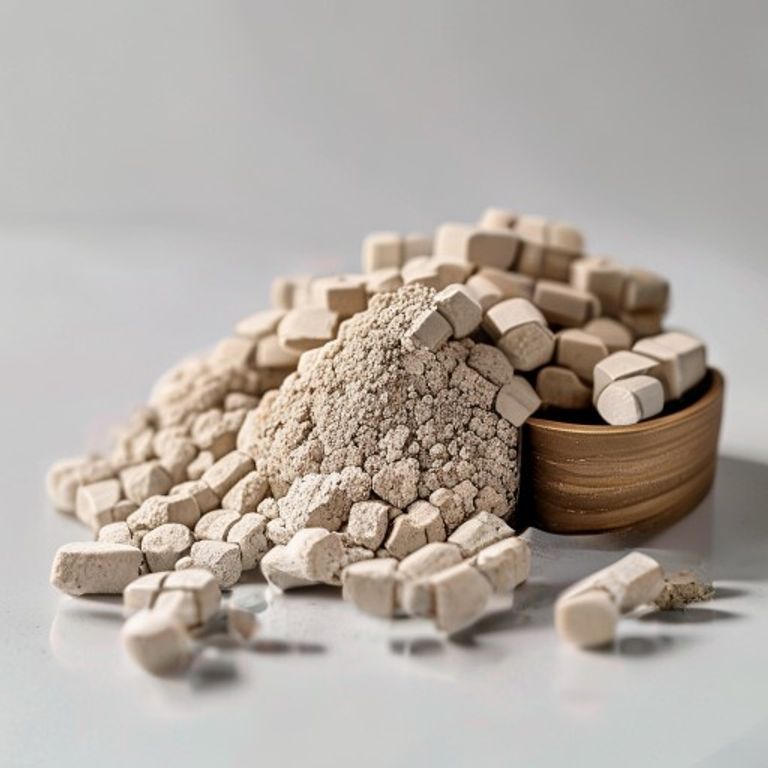
Collagen Peptides Sourcing & Quality Guide — B2B 2026
The global nutraceutical landscape is undergoing a seismic shift, and at the epicenter of this transformation are collagen peptides. As we look toward 2026, the collagen market is projected to surpass $1.5 billion in the United States alone, driven by an increasingly health-conscious consumer base that demands transparency, efficacy, and clinical validation. For supplement brands, this presents a lucrative but highly competitive frontier. The era of commoditized, generic protein powders is ending. The blue ocean strategy for 2026 and beyond lies in science-backed collagen peptides — supplement trend 2026 — where product efficacy is supported by rigorous clinical data, and sourcing is anchored in unimpeachable quality standards.
However, navigating the B2B supply chain for collagen peptides is fraught with complexities. From understanding molecular weight distributions and amino acid profiles to verifying heavy metal limits and ensuring scalable traceability, the sourcing process requires a highly technical approach. This comprehensive guide, brought to you by NuCoreBio, is designed to equip supplement brands, contract manufacturers, and product formulators with the actionable intelligence needed to source premium collagen peptides in 2026.
The 2026 Market Shift: Why Science-Backed Collagen Peptides Are the Blue Ocean
The supplement industry is transitioning from a “trust-based” model to a “proof-based” model. Consumers are reading labels, analyzing ingredient origins, and demanding to see the clinical data behind the claims. This shift has given rise to the science-backed collagen peptides — supplement trend 2026, which prioritizes bioavailability, specific bioactive sequences, and targeted health outcomes over simple macro-nutritional value.
Moving Beyond Generic Hydrolyzed Collagen
Not all collagen peptides are created equal. Traditional hydrolyzed collagen offers basic nutritional benefits, but the market is rapidly moving toward specialized, bioactive collagen peptides (BCPs). These are specific sequences of amino acids that have been clinically demonstrated to survive the digestive process, reach the target tissues (such as the dermis or joint synovium), and stimulate fibroblasts or chondrocytes. Sourcing these highly specific, patented, or clinically validated peptides allows brands to make structure/function claims that stand out in a crowded market, such as “clinically shown to improve skin elasticity by 25% in 8 weeks.”
Bioavailability and Clinical Substantiation
In 2026, bioavailability is the ultimate differentiator. The efficacy of collagen peptides is heavily dependent on their molecular weight and the specific enzymatic cleavage used during manufacturing. Science-backed collagen peptides typically feature a optimized molecular weight distribution ranging from 2 to 5 kDa, ensuring rapid absorption in the small intestine. When evaluating a supplier, B2B buyers must demand access to clinical pharmacokinetic studies demonstrating the appearance of specific di- and tri-peptides (such as Prolyl-Hydroxyproline and Hydroxyprolyl-Glycine) in the bloodstream post-ingestion. Without this clinical substantiation, brands risk launching “me-too” products that fail to deliver consumer results, leading to poor repeat purchase rates.
Understanding Collagen Peptides: Types, Sources, and Specifications
To formulate effectively, buyers must understand the distinct biological roles of different collagen types and how their source material impacts the final product’s efficacy, labeling, and consumer appeal.
Bovine vs. Marine vs. Porcine: Which Source Fits Your Formulation?
- Bovine Collagen Peptides (Type I & III): Sourced from bovine hide and bones, this is the most prevalent and cost-effective option. It is ideal for skin, hair, nail, and bone health formulations. Bovine collagen typically boasts a robust amino acid profile with high levels of glycine (~33%), proline (~12%), and hydroxyproline (~10%). It is highly scalable, making it the go-to choice for high-volume powder supplements.
- Marine Collagen Peptides (Type I): Extracted from fish skin, scales, and bones, marine collagen is pescatarian-friendly and often perceived as a “cleaner” label. It generally has a lower molecular weight (often < 3 kDa) compared to standard bovine peptides, which can enhance bioavailability. However, marine collagen typically has a higher cost per kilogram and may present challenges with odor and taste masking if not highly purified.
- Porcine Collagen Peptides (Type I & III): While popular in certain global markets, porcine-sourced collagen is often avoided in premium Western supplement formulations due to dietary restrictions (Halal, Kosher) and consumer perception biases.
- Avian Collagen Peptides (Type II): Sourced from chicken sternum cartilage, this is the gold standard for Type II collagen, which is specifically targeted for joint health and immune modulation. It is often processed as undenatured Type II collagen (UC-II), which operates via a different mechanism (oral tolerization) compared to hydrolyzed peptides.
Key Specifications: Molecular Weight, Amino Acid Profile, and Bulk Density
When reviewing a Certificate of Analysis (COA), B2B buyers must scrutinize several critical specifications to ensure they are receiving high-quality collagen peptides:
- Molecular Weight Distribution: Measured via High-Performance Size-Exclusion Chromatography (HPSEC). Premium collagen peptides should have an average molecular weight between 2,000 and 5,000 Daltons (2-5 kDa). Anything significantly higher may indicate incomplete hydrolysis, reducing solubility and absorption.
- Amino Acid Profile: Must be verified via HPLC. Look for a combined Hydroxyproline + Proline content of at least 22-25%, which is indicative of true collagen rather than generic protein fillers.
- Protein Content: Should exceed 90% on a dry basis (measured via Kjeldahl or Dumas methods, using a nitrogen conversion factor of 5.55 specific to collagen, rather than the standard 6.25).
- Bulk Density: Crucial for encapsulation and stick-pack formulation. Loose bulk density typically ranges from 0.3 to 0.5 g/mL, while tapped bulk density ranges from 0.4 to 0.6 g/mL.
- Moisture Content: Must be strictly controlled below 8% (ideally < 6%) to prevent microbial growth and caking in the final product.
The Sourcing Framework: Evaluating a Collagen Peptides Supplier GMP Certified for Supplement Brands
Quality raw materials are the foundation of any premium supplement brand. Selecting a collagen peptides supplier GMP certified for supplement brands is not just a regulatory checkbox; it is a critical business decision that protects your brand from recalls, ensures label claims, and guarantees product consistency from batch to batch.
Certification and Compliance (GMP, ISO, FSSC 22000, GRAS)
A credible supplier must possess a robust infrastructure of certifications. At a minimum, your supplier must be a collagen peptides supplier GMP certified for supplement brands, ensuring they adhere to the FDA’s 21 CFR Part 111 regulations for dietary supplements. However, in 2026, baseline GMP is no longer sufficient. Look for suppliers who also hold:
- FSSC 22000 or ISO 22000: Demonstrating world-class food safety management systems.
- ISO 9001: Validating rigorous quality management protocols.
- GRAS Status: Ensuring the collagen peptides are Generally Recognized As Safe for use in food and supplements.
- Non-GMO Project Verified & Halal/Kosher Certifications: Essential for capturing maximum market share and meeting diverse consumer demands.
Traceability and Supply Chain Transparency
In an era where “farm-to-shelf” transparency is a consumer mandate, your supplier must provide unbroken traceability. For bovine collagen, this means tracking back to the specific farm, ensuring the cattle are grass-fed and pasture-raised, and verifying they are free from BSE (Bovine Spongiform Encephalopathy) and growth hormones. For marine collagen, traceability must extend to the fishery, ensuring wild-caught, sustainable sourcing compliant with Friend of the Sea or MSC standards. A reliable collagen peptides supplier GMP certified for supplement brands will provide batch-specific traceability documents within 24 hours of request.
Solubility, Taste, and Odor Metrics
The functional and organoleptic properties of collagen peptides dictate the consumer experience. Premium collagen peptides must be highly soluble in cold water (achieving clarity without clumping) and virtually odorless and tasteless. If you are formulating RTD (Ready-to-Drink) beverages, the peptides must remain stable and suspended without sedimentation over a 12 to 24-month shelf life. During sampling, evaluate the “mouthfeel”—inferior peptides can leave a gritty, chalky, or overly viscous residue, which is a death knell for consumer compliance.
Quality Control and Testing Protocols
Rigorous quality control is non-negotiable. The absence of stringent testing can lead to failed label claims, heavy metal toxicity, or microbial contamination, all of which can destroy a brand’s reputation overnight.
Heavy Metals, Microbiological, and Pathogen Testing
Because collagen is derived from animal byproducts, it is inherently susceptible to environmental contaminants. Every batch of collagen peptides must undergo comprehensive testing using Inductively Coupled Plasma Mass Spectrometry (ICP-MS) for heavy metals. Strict internal limits should exceed FDA requirements:
- Lead (Pb): < 0.1 ppm (ideally < 0.05 ppm)
- Arsenic (As): < 0.1 ppm (Inorganic Arsenic < 0.01 ppm)
- Cadmium (Cd): < 0.1 ppm
- Mercury (Hg): < 0.05 ppm
Microbiological testing is equally critical. Standard plate counts must be strictly controlled (Total Plate Count < 1,000 cfu/g), with zero tolerance for pathogens like Salmonella, E. coli, and Listeria monocytogenes. For marine collagen, additional testing for histamine and peroxide value is essential to prevent allergic reactions and rancidity.
Verifying the Peptide Profile (HPLC Testing)
To ensure you are receiving true science-backed collagen peptides, suppliers must utilize High-Performance Liquid Chromatography (HPLC) to verify the peptide profile. This testing confirms the molecular weight distribution and authenticates the amino acid sequence. It is the only definitive way to differentiate highly bioavailable di- and tri-peptides from larger, less effective peptide aggregates. Furthermore, HPLC testing detects “amino spiking”—a fraudulent practice where cheap, free-form amino acids (like glycine or alanine) are added to inflate the protein content measured by nitrogen testing. A true collagen peptides supplier GMP certified for supplement brands will proactively conduct and share this testing to prove the integrity of their protein content.
Formulation Trends for 2026: Positioning Your Brand
To capture the blue ocean of the 2026 market, brands must innovate beyond the standard “scoop of collagen in water” paradigm. The future belongs to targeted, condition-specific formulations that leverage the unique properties of different collagen peptides.
Type I, II, III Synergistic Blends
While single-type collagen products dominate the current market, 2026 will see the rise of synergistic multi-collagen blends. Combining Type I and III (for skin elasticity and structural integrity) with hydrolyzed Type II (for joint cartilage support) offers a comprehensive “healthy aging” proposition. However, formulators must be cautious; blending undenatured Type II with hydrolyzed peptides requires careful pH balancing and stability testing to ensure the bioactivity of the Type II is not compromised by the hydrolysis process of the other peptides.
Ready-to-Drink (RTD) Stability and Bioactive Peptides
The RTD beverage segment is exploding, but formulating collagen into acidic, shelf-stable beverages presents significant technical hurdles. Collagen peptides can denature or precipitate at low pH levels (below 3.5) and under high-heat pasteurization (UHT at 135°C). Sourcing heat-stable, acid-stable collagen peptides is paramount for RTD success. Furthermore, incorporating specific bioactive collagen peptides that have been clinically studied for skin hydration (such as those stimulating hyaluronic acid synthesis) allows brands to position their RTD products as premium functional beauty beverages, commanding a 40-50% price premium over traditional powders.
NuCoreBio: Your Partner in Science-Backed Collagen Peptides
Navigating the complexities of sourcing, formulating, and validating collagen peptides requires a strategic supply chain partner, not just a vendor. At NuCoreBio, we have anticipated the demands of the 2026 market. We are a premier collagen peptides supplier GMP certified for supplement brands, dedicated to providing raw materials that power the next generation of nutraceutical innovation.
Our portfolio includes highly specialized, science-backed collagen peptides derived from verified grass-fed bovine and wild-caught marine sources. Every batch we ship comes with a comprehensive Certificate of Analysis, verified by third-party, ISO-accredited laboratories. We guarantee a molecular weight distribution of 2-5 kDa, a protein content exceeding 90%, and heavy metal limits that far exceed industry safety standards.
Whether you are developing a high-bioavailability skin health capsule, a joint-support powder, or a shelf-stable RTD beauty beverage, NuCoreBio provides the technical documentation, clinical substantiation, and formulation support you need to succeed. We ensure complete farm-to-finished-lot traceability, ensuring your brand’s label claims are protected from raw material to consumer.
Conclusion
The supplement industry’s trajectory is clear: the future belongs to science, transparency, and proven efficacy. As the demand for collagen peptides continues to surge toward 2026, brands can no longer afford to treat collagen as a commoditized ingredient. Success requires sourcing highly bioavailable, clinically validated, and meticulously tested peptides that deliver real, measurable results to the consumer.
By prioritizing molecular weight specifications, demanding rigorous third-party testing, and aligning with a collagen peptides supplier GMP certified for supplement brands, you protect your business from regulatory risk and earn the ultimate asset in the nutraceutical space: consumer trust. The blue ocean of science-backed collagen peptides — supplement trend 2026 is wide open. Ensure your brand is equipped to navigate it with the highest quality ingredients available on the market today.
“`html
Frequently Asked Questions: Collagen Peptides Sourcing
What is the typical MOQ for collagen peptides in B2B supplement manufacturing?
Most collagen peptides suppliers require a Minimum Order Quantity (MOQ) of 100–500 kg for first-time orders, though established B2B relationships may allow smaller batches. For custom hydrolysis specifications or private label arrangements, MOQs typically range from 250 kg to 1,000 kg. Some manufacturers offer “make-and-take” programs with lower MOQs (25–50 kg) for premium formulations, though unit pricing increases by approximately 15–25%.
What purity standards and specifications should I require from a collagen peptides supplier?
Request the following minimum specifications from your collagen peptides supplier:
- Protein content: ≥ 90% (dry basis)
- Molecular weight: 2,000–5,000 Da (average), with specified distribution
- Moisture content: ≤ 8%
- Heavy metals: Lead ≤ 0.1 ppm, Arsenic ≤ 0.1 ppm, Cadmium ≤ 0.1 ppm, Mercury ≤ 0.05 ppm
- Microbial limits: Total plate count ≤ 10,000 CFU/g, E. coli negative, Salmonella negative
- Amino acid profile: Glycine, Proline, and Hydroxyproline content documented
What third-party testing and certifications should I verify for collagen peptides?
Reputable suppliers should provide documentation of:
- GMP certification: NSF/ANSI 173 or FDA 21 CFR Part 111 compliant
- 第三方测试报告: From ISO 17025-accredited laboratories for heavy metals, microbiology, and contaminants
- Halal/Kosher certification: If required for your product markets
- ISO 9001:2015: Quality management system certification
- BSE/TSE statement: Guaranteed no bovine spongiform encephalopathy risk
- Origin traceability: Documentation of source (bovine, porcine, marine, or chicken) and country of origin
How should collagen peptides be stored and what is their shelf life?
Storage requirements: Store collagen peptides in a cool, dry environment at temperature below 25°C (77°F) with relative humidity below 60%. Keep in airtight, moisture-resistant packaging (multi-wall paper bags with PE liner or steel drums). Protect from direct sunlight and strong odors.
Shelf life: Typically 24–36 months in original sealed packaging when stored under proper conditions. Always verify with a Certificate of Analysis (COA) issued within 3 months of delivery. Opened containers should be used within 30 days or resealed with moisture absorbers.
How can I verify a collagen peptides supplier’s GMP certification and quality systems?
Conduct thorough due diligence before placing orders:
- Request current certificates: Ask for valid GMP, ISO, and third-party audit reports (not expired copies)
- Request facility audits: Schedule video tours or on-site inspections of manufacturing and warehouse facilities
- Verify registration: Cross-reference with FDA Food Facility Registration database
- Request sample COAs: Compare specifications across 2–3 batch lots for consistency
- Check trade references: Contact 2–3 existing B2B customers for reliability assessments
- Request trace testing: Commission an independent lab to replicate key tests onSupplier-provided samples before bulk orders
What factors affect collagen peptides pricing in bulk B2B orders?
Pricing varies based on multiple factors:
- Order volume: Tiered pricing typically offers 5–12% reduction at 1,000 kg+ and 15–20% at 5,000 kg+
- Source material: Bovinehide typically costs 10–20% less than marine or chicken-sourced collagen
- Hydrolysis specifications: Lower molecular weight (under 2,000 Da) commands premium pricing
- Custom requirements: Private label, custom blending, or specialized packaging adds 8–15%
- Payment terms: Net 30 terms may include 2–3% small-client premium vs. Net 60 for established accounts
- Current market: Raw material costs fluctuate; 2025 wholesale reference range: $6–$12/kg depending on specifications
What are typical lead times for bulk collagen peptides orders?
Lead times depend on order size and supplier location:
- In-stock formulations (standard specs): 7–14 business days for quantities up to 5,000 kg
- Custom production runs: 21–35 business days, including manufacturing and quality release
- Large orders (10,000 kg+): 30–45 business days, often fulfilled in partial shipments
- International shipping:Disclaimer: These statements have not been evaluated by the Food and Drug Administration (FDA). This article is for informational and educational purposes only and does not constitute medical advice, nor is it intended to diagnose, treat, cure, or prevent any disease or health condition. The supplement ingredient referenced herein is not intended for use in the diagnosis, treatment, or prevention of any disease. Always consult with a qualified healthcare professional before using any supplement product. Supplement brands should ensure compliance with all applicable FDA, FTC, and relevant international regulatory requirements before marketing any product.