










A sample can look good, taste acceptable and still fail to protect the buyer from the most important production risk: receiving a commercial batch that is not equivalent to what was approved.
For supplement brands, a sample is not merely a sales demonstration. It should be a controlled decision point connecting formula, raw-material specification, sensory acceptance, analytical requirements, packaging and production change control.
This matters most when the first commercial run is being used to validate an Amazon, TikTok Shop, Shopify, pharmacy or distributor channel.
Quick Answer
Before approving a commercial batch, confirm that the sample is tied to a dated formula version and production-intent ingredient specifications. Review dosage, appearance, taste or swallowability, packaging fit and required test results. If any material, process or serving instruction changes after approval, require a documented re-evaluation before production.
Why “Send Me a Sample” Is Not a Complete Request
We regularly receive sample requests from two very different buyer types.
One wants to evaluate general format and flavor. The other wants the exact production-intent material so it can be independently tested before authorizing an order. Both are valid, but they require different sample definitions.
Before the laboratory or factory prepares anything, specify whether the sample is for:
- Concept demonstration
- Flavor or texture selection
- Capsule size and serving evaluation
- Formula verification
- Packaging compatibility
- Independent laboratory testing
- Final pre-production approval
Without this distinction, the buyer and manufacturer can both say “sample” while expecting different evidence.
1. Identify the Formula Version
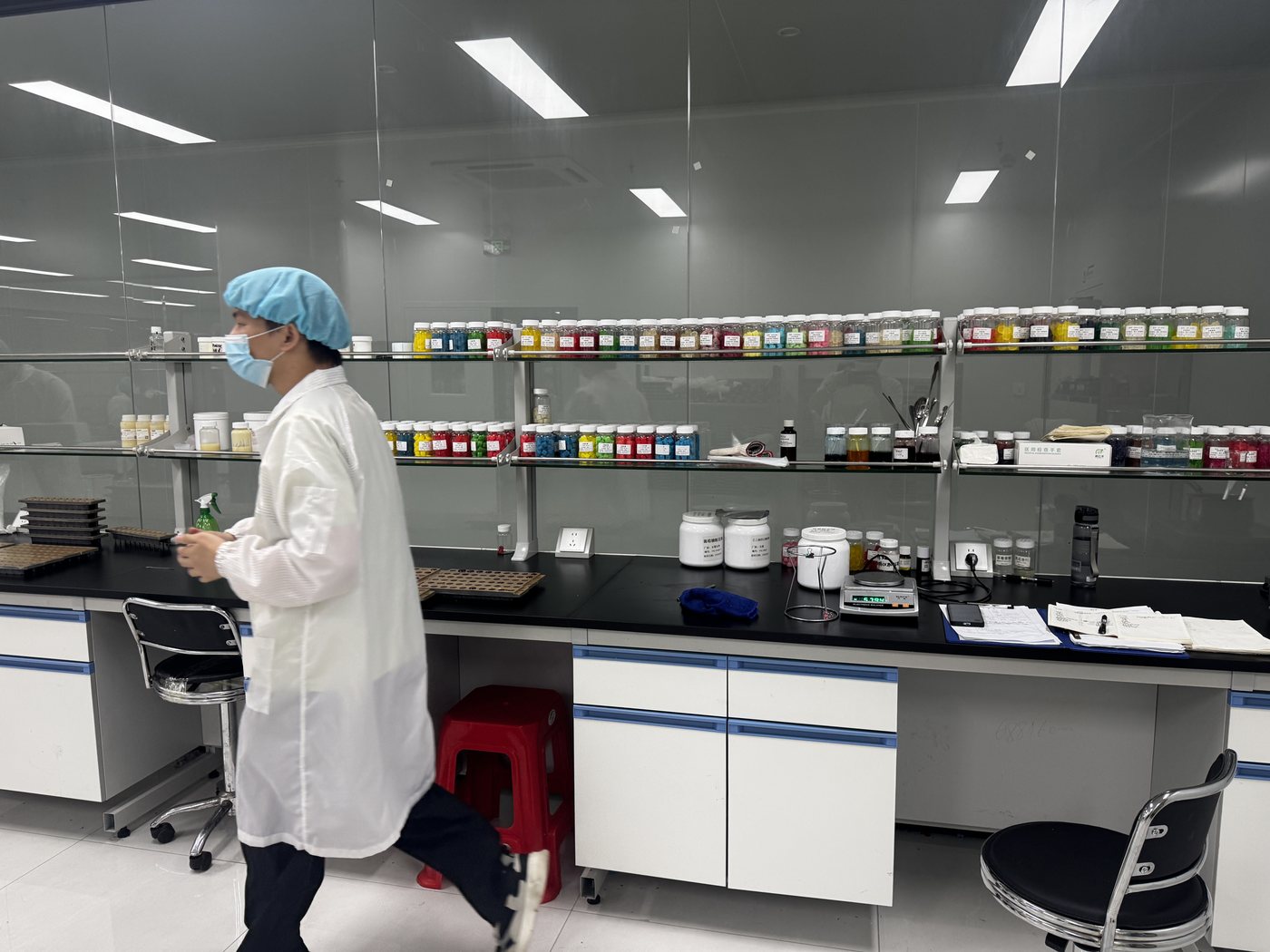
Every sample should reference a formula version or approval number.
The record should include:
- Ingredient names and specifications
- Amount per unit and per serving
- Excipients, flavors and sweeteners
- Delivery format and unit size
- Date prepared
- Intended purpose of the sample
This is especially important when a project has gone through several revisions. A label or quotation should never be approved against an unidentified sample.
2. Confirm Whether Materials Are Production-Intent
A bench sample may use a substitute flavor, stock capsule shell or available raw material to demonstrate feasibility. That can be appropriate during early development, but it must be disclosed.
For a final approval or independent test, ask:
- Are the active ingredients from the planned production source?
- Do they match the proposed assay and grade?
- Are branded ingredients authentic and documented?
- Are flavor, color, sweetener and excipient systems final?
- Is the manufacturing process representative of scale-up?
If the answer is no, define what the sample can and cannot prove.
3. Review the Real Serving Experience
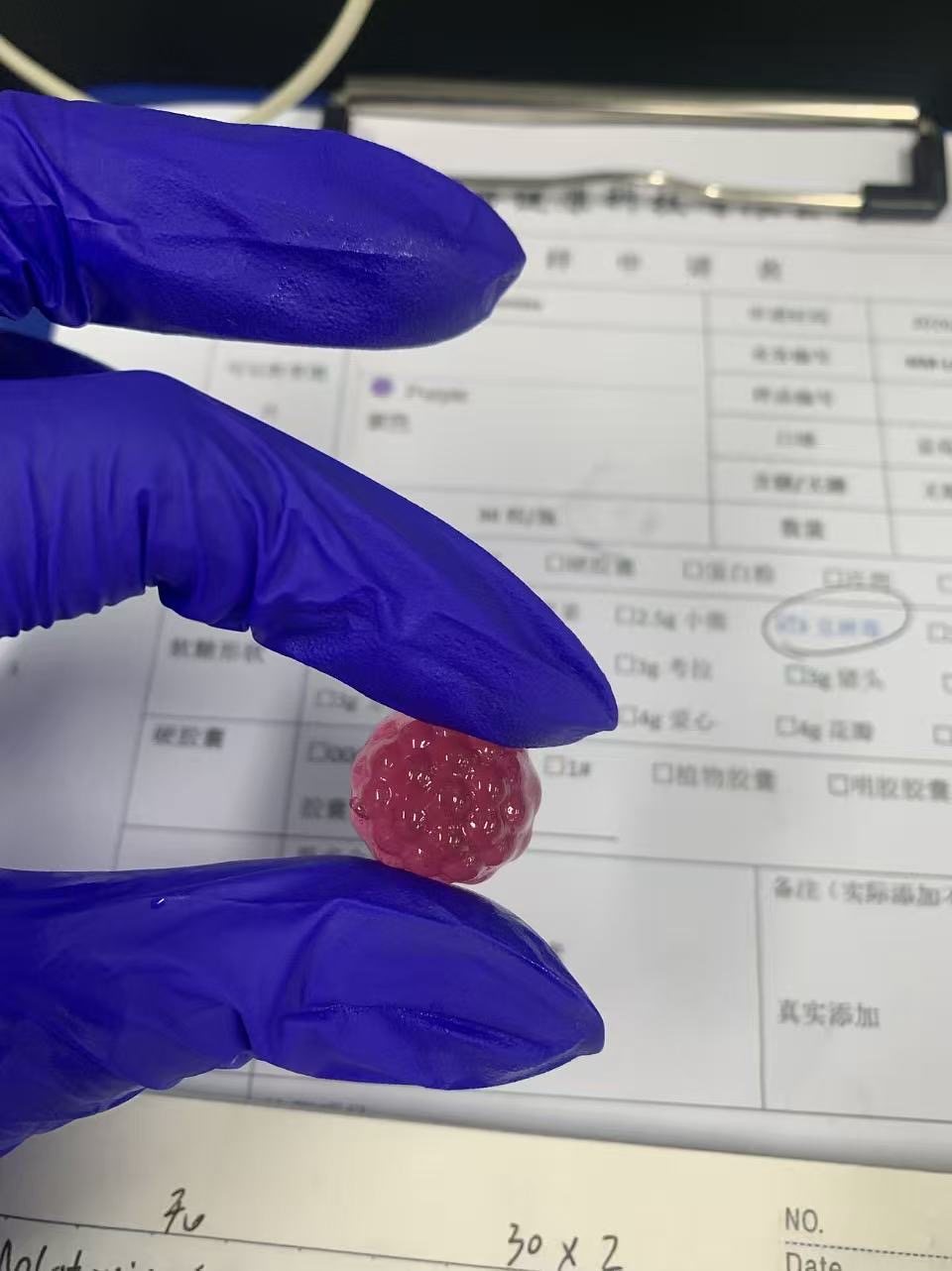
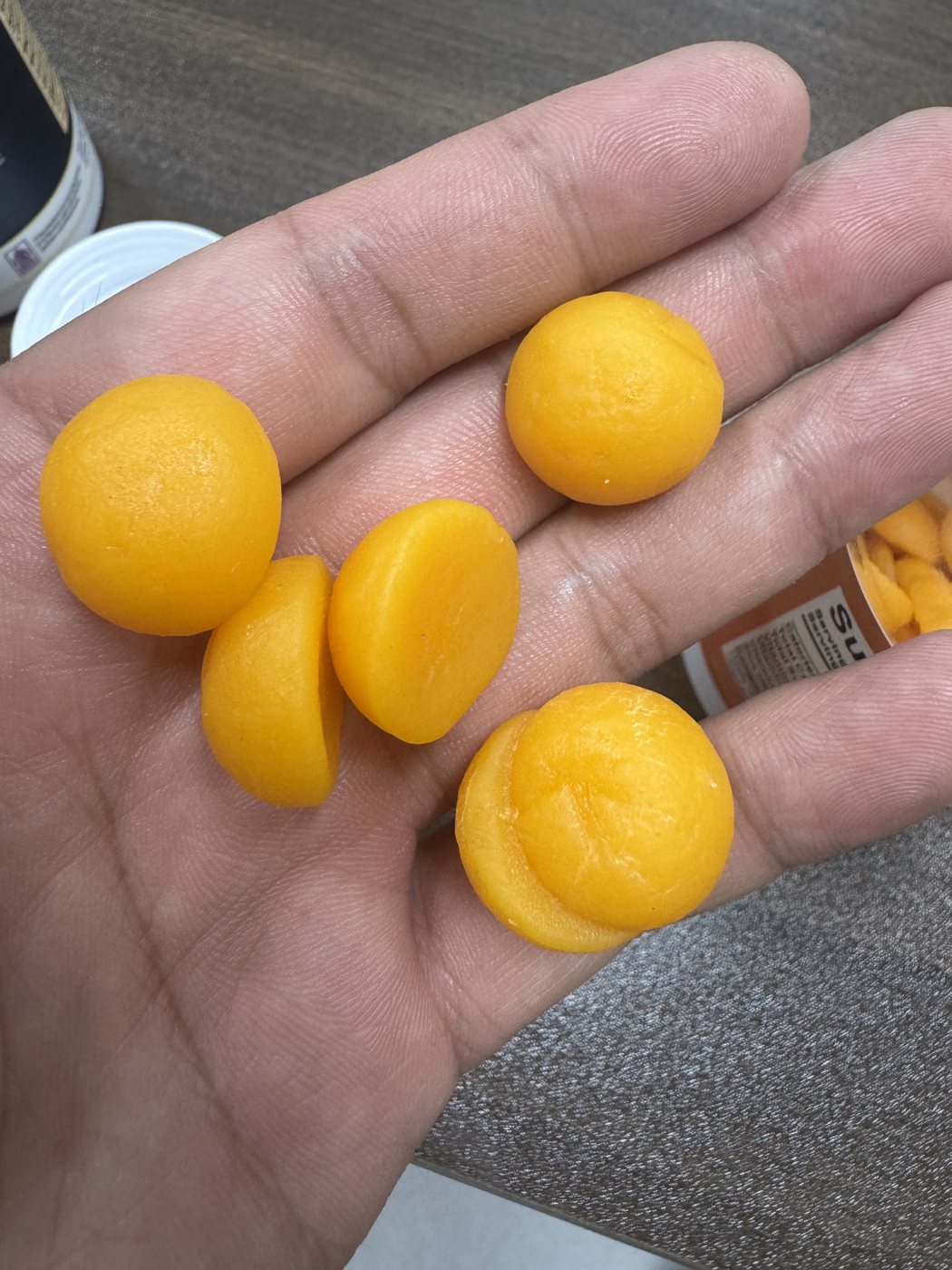
The sample should be assessed as a customer would use it.
Capsules
- Capsule size and number per serving
- Ease of swallowing
- Odor, leakage or shell appearance
- Bottle count and headspace
Gummies
- Taste, bitterness and aftertaste
- Texture and surface condition
- Piece weight and pieces per serving
- Shape, color and coating
- Behavior after normal handling or warm transit simulation
Powders
- Scoop size and serving volume
- Mixing time and sedimentation
- Flavor, sweetness and aftertaste
- Clumping and moisture response
- Suitability for the intended drink volume
In our development conversations, many formula revisions begin only after the buyer experiences the practical serving size. That is why sensory and usability review should happen before artwork is locked.
4. Match Testing to the Decision
Not every sample needs the same analytical panel. The test should answer the risk being evaluated.
| Decision | Possible evidence |
|---|---|
| Is the raw material what the specification says? | Identity and supplier documentation |
| Does the active level match the agreed target? | Applicable assay or marker test |
| Is the sample suitable for release? | Microbiology, heavy metals and agreed quality checks |
| Will a marketplace or buyer accept it? | Required third-party report and documentation |
| Is the product stable in its package? | Defined stability or packaging study |
A Certificate of Analysis is useful only when its parameters match the agreed specification. Buyers should review what was tested, the method used and whether the report applies to the exact lot under consideration.
5. Decide When Independent Testing Is Necessary
Independent testing is commonly requested when:
- The buyer is qualifying a new manufacturer
- The formula uses high-value or specification-sensitive actives
- A marketplace, retailer or distributor requires external evidence
- The buyer needs confirmation before a larger commitment
- The destination market has a defined registration or import requirement
The manufacturer and buyer should agree on the laboratory, test panel, sample chain of custody and responsibility for cost before the sample is shipped.
6. Approve Packaging Fit, Not Only the Formula
The product and package operate as one system.
Review:
- Bottle or pouch dimensions
- Closure and induction seal
- Desiccant or moisture control
- Label size and readable area
- Count per container
- Retail carton if used
- Shipping configuration
- Barcode and fulfillment requirements
A good formula can still produce a poor commercial result if the package is unsuitable for moisture, heat, serving count or marketplace handling.
7. Create a Clear Pass, Revise or Stop Decision
Sample feedback should be actionable. Avoid comments such as “make it better” without a priority.
Use three outcomes:
- Pass: Formula, sensory profile, serving and package can proceed.
- Revise: List the exact attributes to change and the acceptable range.
- Stop: The format, cost structure or market requirement makes the project unsuitable.
For revisions, rank priorities. Increasing active load, reducing sweetness and preserving the same gummy texture may not all be achievable without trade-offs.
8. Freeze the Pre-Production Approval Pack
Before the production deposit or final authorization, both parties should retain the same approved record:
- Final formula version
- Ingredient specifications
- Approved sample reference
- Serving size and count
- Test and COA requirements
- Packaging specification
- Label artwork version
- Destination and shipping requirements
- Change-control procedure
Any later substitution or adjustment should be disclosed and evaluated against this pack.
Buyer’s Sample-to-Production Checklist
- Sample purpose is defined
- Formula version is attached
- Production-intent materials are identified
- Serving size and usage experience are acceptable
- Test panel matches the buyer’s actual risk
- Third-party testing responsibility is agreed
- Packaging fit has been reviewed
- Feedback is recorded as pass, revise or stop
- Final production approval pack is signed or otherwise documented
- Post-approval changes require notification and review
NuCoreBio’s Approach to Sample Approval
NuCoreBio supports sample development as a documented bridge between the buyer’s concept and the commercial manufacturing specification.
Our OEM/ODM team can coordinate formula review, dosage-form feasibility, production-intent specifications, sensory revisions, packaging selection and agreed quality documentation. For buyers arranging independent testing, we can align the sample description and supporting documents with the approved project scope.
CTA: Request a sample plan and pre-production approval checklist for your supplement project.
Frequently Asked Questions
Is a free sample the same as a pre-production sample?
No. A general sample may demonstrate a format or existing formula. A pre-production sample should be tied to the intended formula, material specifications and approval record for the buyer’s project.
Can I send a supplement sample for independent testing?
Yes, but first confirm that the sample uses the intended materials and that the laboratory panel matches the specification or market requirement you need to verify.
Does an approved sample guarantee every commercial unit will be identical?
Manufacturing operates within defined specifications and tolerances rather than visual identity at a microscopic level. The approved sample, formula, process controls and release tests together define acceptable production.
What happens if an ingredient changes after sample approval?
The manufacturer should disclose the change and assess its impact on formula, sensory properties, cost, testing and labeling. Significant changes may require a new sample or written reapproval.