










A 500-bottle pilot run can be a sensible way to test a supplement concept without committing to several thousand units. But a low minimum order quantity does not automatically mean a low-risk quotation.
Two manufacturers can quote the same bottle count and still be pricing very different scopes.
One may include a standard formula, stock bottle and basic release documents. Another may assume custom ingredients, third-party testing, custom packaging or export support. Comparing only the price per bottle can therefore create an expensive surprise after the project has started.
Quick Answer
When comparing low-MOQ supplement manufacturing quotes, separate the finished-product price from nine possible cost areas: formulation, ingredient specifications, pilot samples, analytical testing, packaging components, artwork, freight, import or registration documents and post-approval changes. Ask every supplier to mark each item as included, excluded or optional.
Why a Low MOQ Changes the Cost Structure
Commercial production contains fixed work that does not shrink in proportion to the order quantity. Formula review, material preparation, line setup, cleaning, documentation, label setup and quality release may be required whether a run contains 500 bottles or several thousand.
At low volume, these fixed activities are spread across fewer units. That is why a pilot can carry a higher unit price even when the total cash commitment is lower.
From the projects we handle, buyers get the clearest comparison when they ask for both:
- Pilot economics: the cost to validate the offer and sales channel
- Scale economics: the expected cost structure at the next practical order tier
1. Custom Formula Development
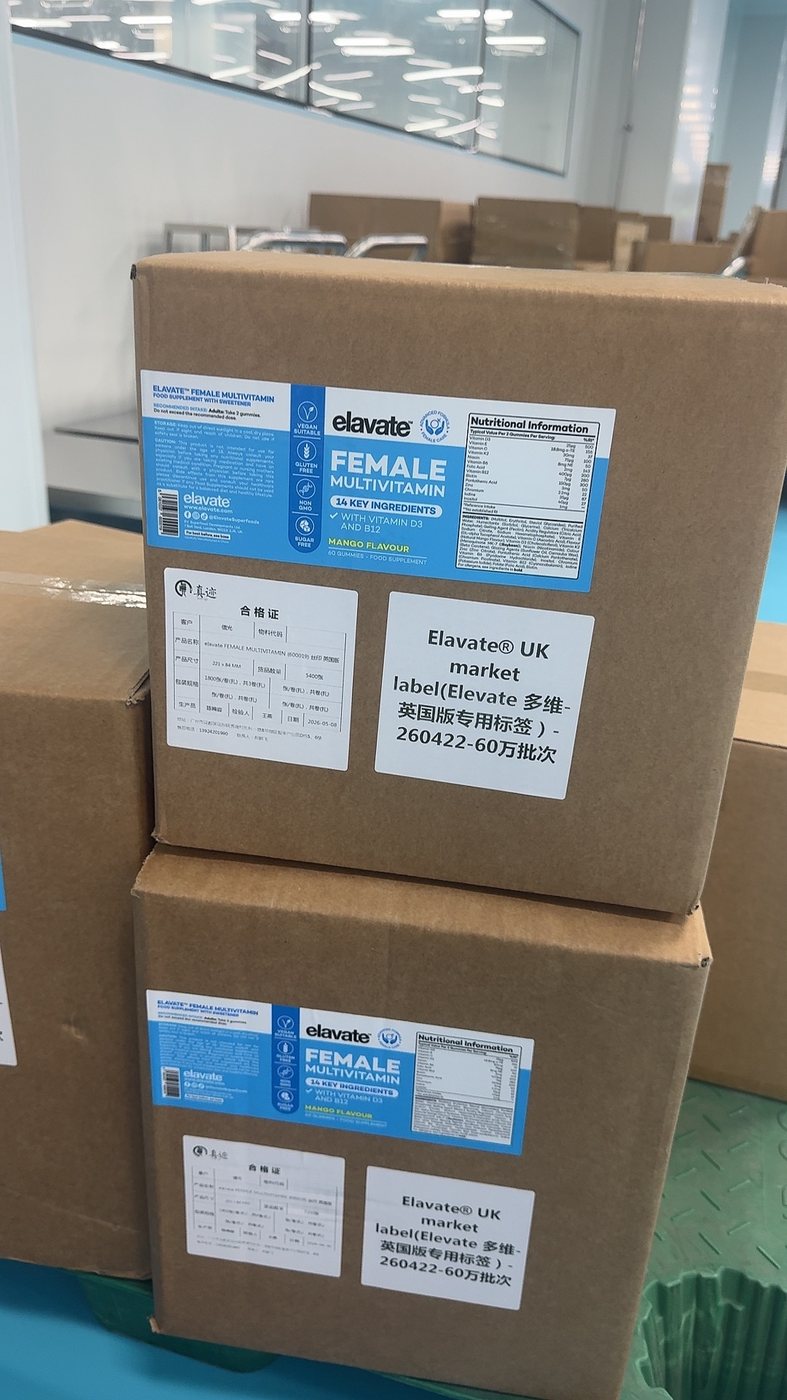
Some low-MOQ offers apply only to an existing stock formula. Changing the active profile, dosage, flavor, capsule shell or sweetener system may create additional development work.
Ask whether the quote includes:
- Formula feasibility review
- One or more sample revisions
- Flavor or color adjustment
- Ingredient substitution review
- Label-claim and serving-size alignment
- Formula ownership or exclusivity terms
A buyer should know whether the offer is private label, semi-custom or fully custom before comparing prices.
2. Ingredient Specification and MOQ Differences
The familiar name of an ingredient does not define its price.
A standardized extract, branded ingredient or restricted-origin raw material may have a supplier MOQ much larger than the finished-product pilot. In one of the recurring patterns in our inquiries, a buyer requests a branded input at a small finished-goods quantity, then discovers that the raw-material purchase requirement controls the real MOQ.
Confirm:
- Standard versus branded ingredient
- Assay or active-marker level
- Country of origin
- Minimum raw-material purchase
- Whether unused material is charged, stored or returned
- Lead time and substitute options
3. Pilot Samples and Shipping
“Free sample” can mean different things. The physical sample may be free while international courier charges, custom molds or repeated revisions remain billable.
The sample scope should state:
- Number of sample versions
- Quantity in each version
- Whether it uses production-intent ingredients
- Sample packaging format
- Courier responsibility
- Conditions that trigger a paid revision
For products intended for independent verification, also confirm whether the sample is representative of the material planned for production.
4. Analytical and Third-Party Testing
A standard factory release check may not include every test required by the buyer, marketplace or destination country.
Potential additions include:
- Active assay or marker testing
- Heavy metals
- Microbiology
- Pesticides
- Residual solvents
- Allergen testing
- Stability studies
- Testing by a specific third-party laboratory
Do not assume that “COA included” means the same panel from every supplier. Request the parameter list and method scope.
5. Bottles, Closures, Labels and Packaging MOQ
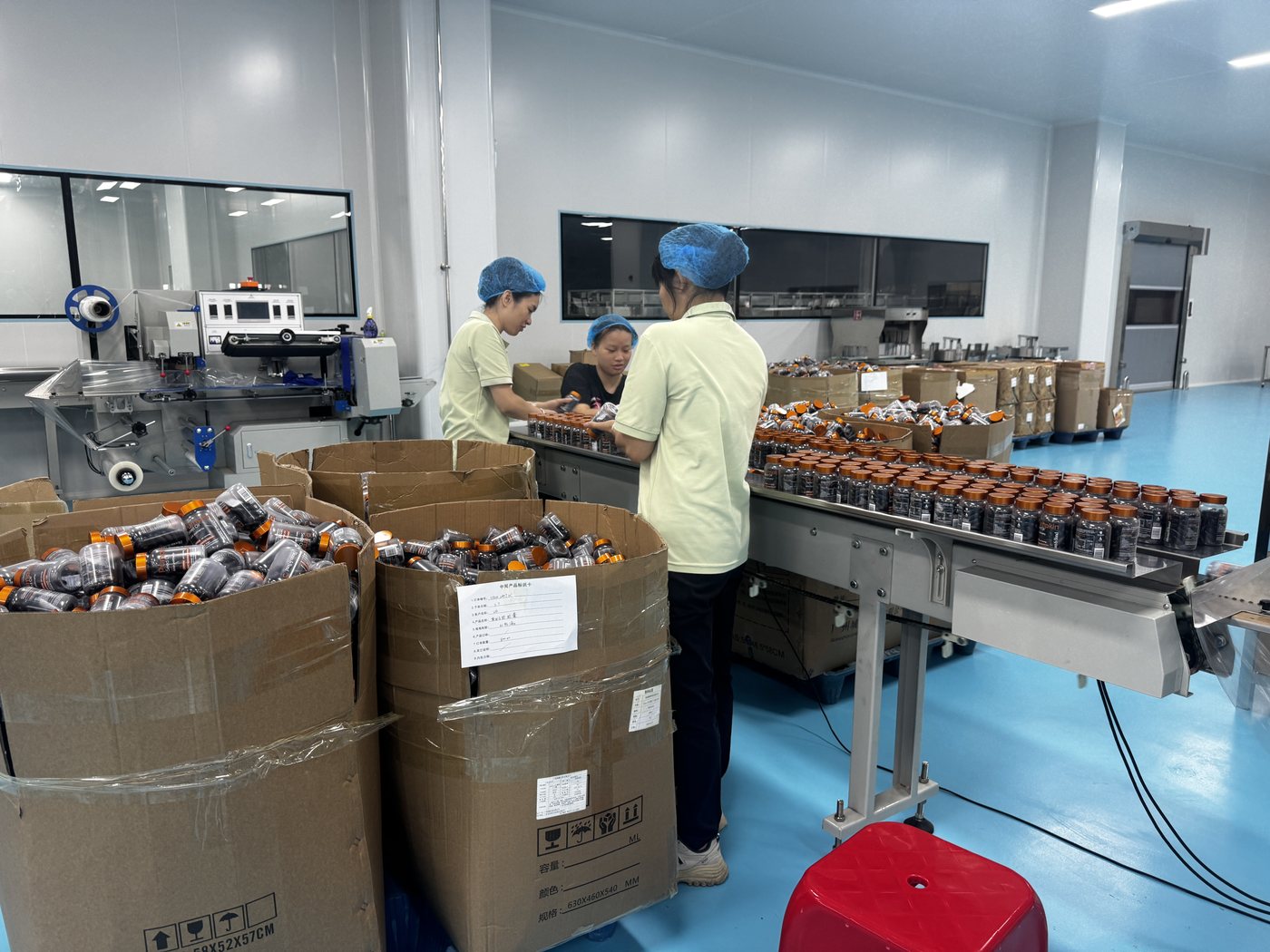
Packaging components often have their own minimum purchase quantities.
A 500-bottle production run may still require a larger order of custom bottles, caps, labels, cartons or pouches. Stock packaging can control pilot costs, while custom components may be more practical after demand is validated.
Ask separately about:
- Stock versus custom bottle or pouch
- Child-resistant or standard closure
- Induction seal and desiccant
- Label printing quantity
- Retail carton or master carton
- Barcode and marketplace preparation
- Excess component ownership and storage
6. Artwork and Compliance Review
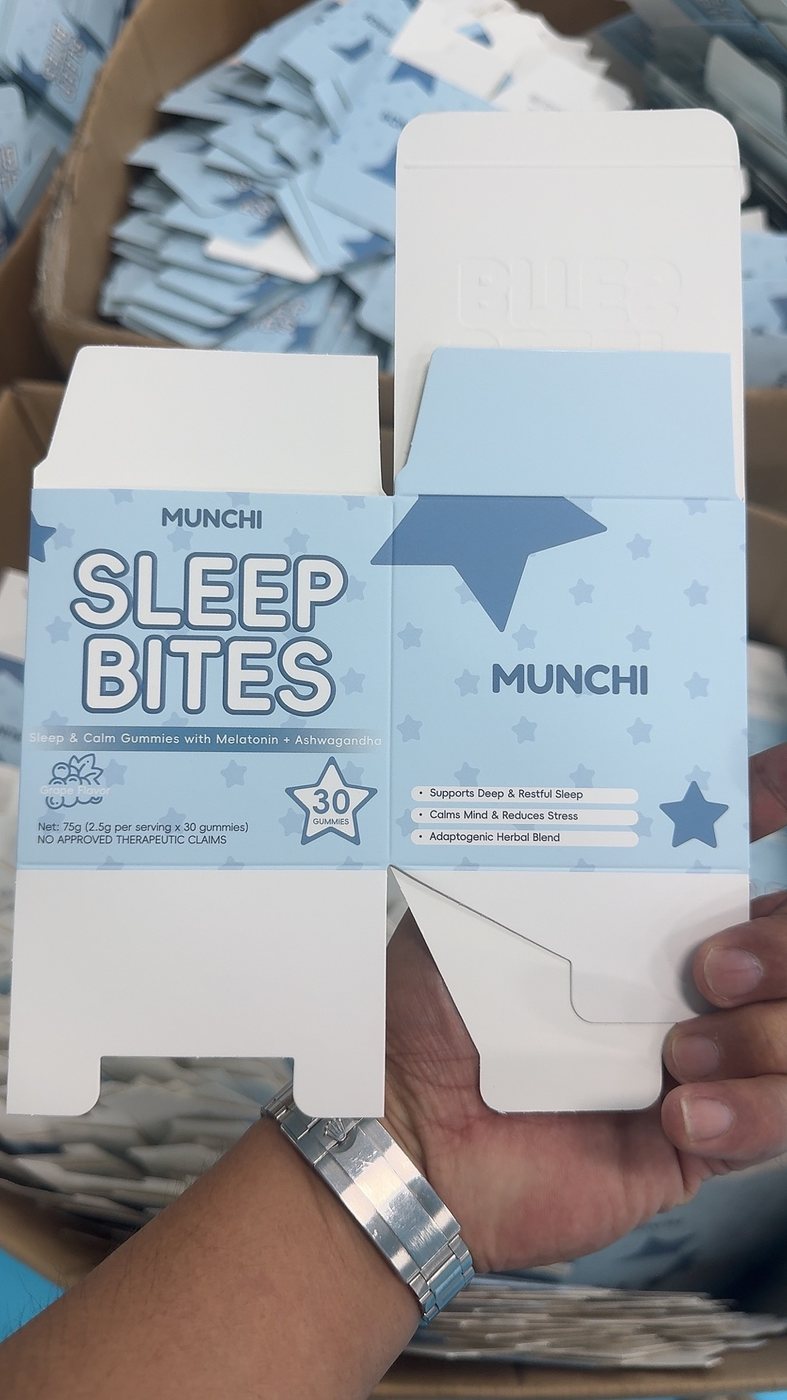
Label design and label compliance are different services.
A visually finished file may still contain an incorrect serving statement, ingredient nomenclature or unsupported claim. Clarify whether the quotation includes design only, a technical review, or neither.
The manufacturer should also identify where its review ends. Final legal responsibility can depend on the destination market and brand owner arrangements.
7. Freight, Duties and Landed Cost
Ex-factory price is not landed cost.
The buyer may still need to account for:
- Courier, air or sea freight
- Export documentation
- Customs brokerage
- Duties and taxes
- Destination handling
- Delivery to an Amazon warehouse, 3PL or retail distributor
- Temperature-sensitive shipping controls where relevant
Compare quotations using the same shipping term and destination.
8. Destination-Market Documents
Some projects move smoothly through formulation and then stall at registration.
Depending on the market, buyers may request manufacturer registration, certificates, legalized documents, product dossiers or embassy authentication. These requirements may carry fees and longer external timelines.
Identify the registration path before production begins, especially for pharmacy, distributor or government-regulated channels.
9. Changes After Approval
Late changes can affect materials, testing, labels and production scheduling at the same time.
Examples include:
- Increasing an active dose after the sample
- Switching to a branded ingredient
- Changing bottle count or serving size
- Adding a market-specific warning
- Replacing a sweetener or flavor
- Revising the destination or shipping configuration
Ask the supplier how change orders are priced and which approvals become invalid after a change.
A Better Way to Compare Low-MOQ Quotes
Use a scope table instead of comparing one number.
| Cost area | Included | Optional | Excluded | Assumption to confirm |
|---|---|---|---|---|
| Formula review | Stock, semi-custom or custom | |||
| Sample and revisions | Number of versions | |||
| Ingredient specifications | Standard or branded | |||
| Testing panel | Methods and laboratory | |||
| Bottle, cap and seal | Stock or custom | |||
| Label printing/review | Design versus compliance | |||
| Export documentation | Destination requirements | |||
| Freight and delivery | Shipping term and address | |||
| Change orders | Approval and repricing rules |
What NuCoreBio Needs for a Comparable Quote
To prepare a clearer low-MOQ manufacturing review, send:
- Target delivery form
- Formula or benchmark product
- Ingredient specifications where known
- Units per bottle and intended serving
- Target market and sales channel
- Stock or custom packaging preference
- Required tests and certifications
- Delivery destination
This allows our OEM/ODM team to distinguish a workable pilot scope from later scale-up options instead of hiding major assumptions inside one bottle price.
CTA: Request an itemized pilot quotation and sample plan.
Frequently Asked Questions
Is a 500-bottle MOQ suitable for a fully custom formula?
It can be, but feasibility depends on raw-material MOQs, processing requirements and packaging choices. A standard or semi-custom formula is usually easier to produce at a very low quantity than a formula using multiple custom or branded ingredients.
Why is the unit cost higher at a low MOQ?
Fixed development, setup, cleaning, documentation and quality activities are spread across fewer units. The pilot reduces total inventory exposure, not necessarily the unit production cost.
Does a manufacturing quote normally include freight?
Not always. Confirm the shipping term, destination and whether duties, brokerage and final delivery are included.
Does “COA included” mean third-party testing is included?
No. A factory COA and a third-party laboratory report are different deliverables. Confirm the test parameters, methods, laboratory and who pays for each test.