










A formula can look complete in a spreadsheet and still fail its first manufacturing review.
This happens because a commercial supplement is not only a list of ingredients. It is a controlled system involving ingredient specifications, physical volume, dosage form, serving count, processing behavior, testing requirements, packaging and market-specific documentation.
For brand owners, Amazon sellers and procurement teams, the expensive question is not simply, “Can this formula be made?” It is:
Can it be manufactured consistently, tested against an agreed specification and delivered in a format customers will actually use?
Quick Answer
Before requesting a final OEM quotation, confirm seven items: the target market, dosage form, active specification, realistic serving size, excipient strategy, testing standard and packaging configuration. In our project reviews, most avoidable delays begin when one of these decisions remains undefined while pricing, artwork or sampling has already started.
1. Define the Market Before Locking the Formula
The same concept may need different ingredient limits, label language, claims and documents depending on where it will be sold.
A useful manufacturing brief should identify:
- Primary sales country or region
- Online, retail, pharmacy or practitioner channel
- Intended consumer group
- Required certifications or dietary positioning
- Target claims and claims that must be avoided
- Local importer or registration requirements
We have seen projects progress through formula discussion only to pause when destination-market registration documents become the critical issue. Market requirements should therefore be treated as an input to formulation, not an administrative task saved for the end.
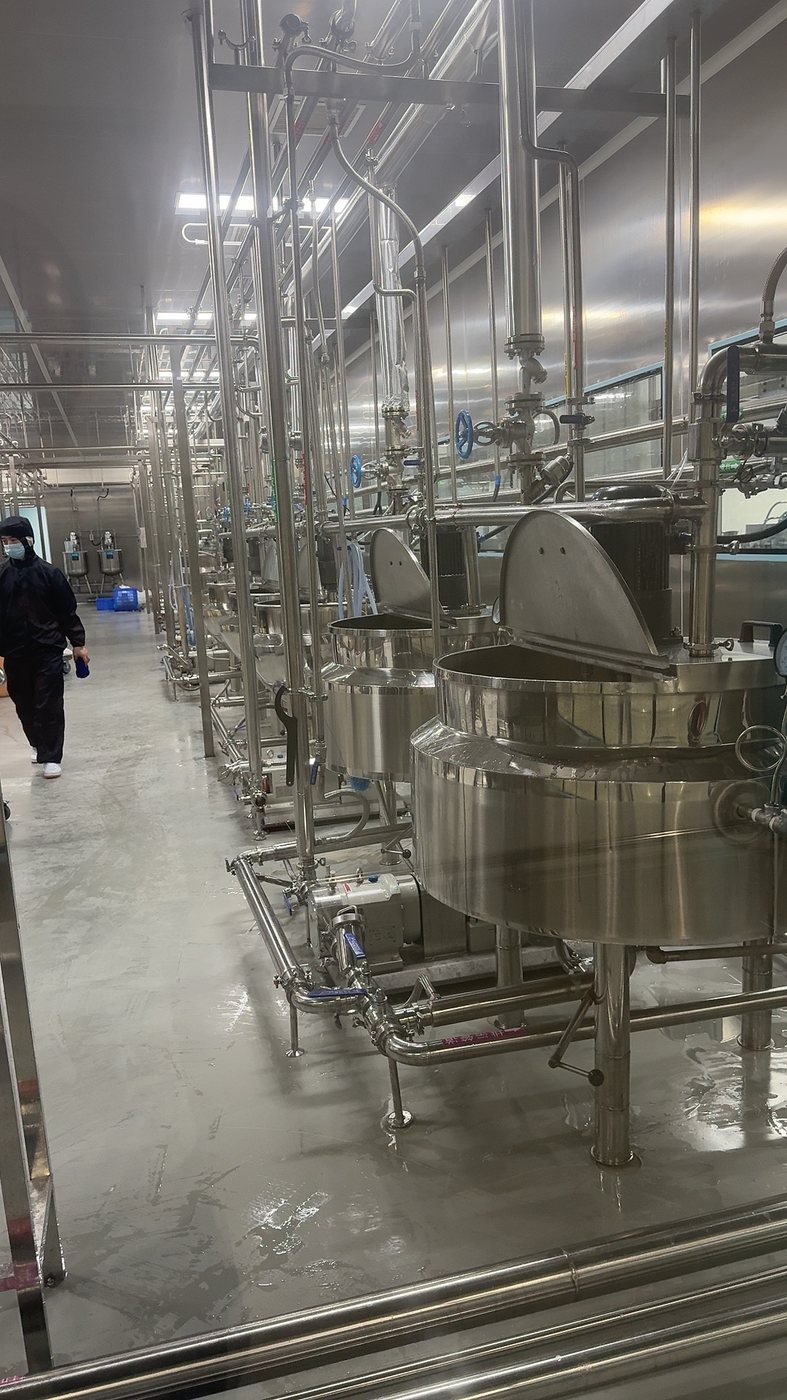
2. Confirm Ingredient Identity, Not Just Ingredient Name
“Mushroom extract,” “collagen,” or “magnesium” is not a complete purchasing specification.
The manufacturing team may still need to know:
- Botanical species and plant part
- Extract ratio or standardized marker
- Source and grade
- Carrier or excipient content
- Branded versus standard ingredient
- Particle size, bulk density or solubility
- Required allergen and contaminant controls
Two ingredients with the same familiar name can behave differently during blending, encapsulation or gummy depositing. They may also have different minimum order quantities and lead times.
Factory lesson: approve the ingredient specification before presenting the final label amount as fixed.
3. Test Whether the Dose Fits the Delivery Format
One of the most common scale-up conflicts is simple physical volume.
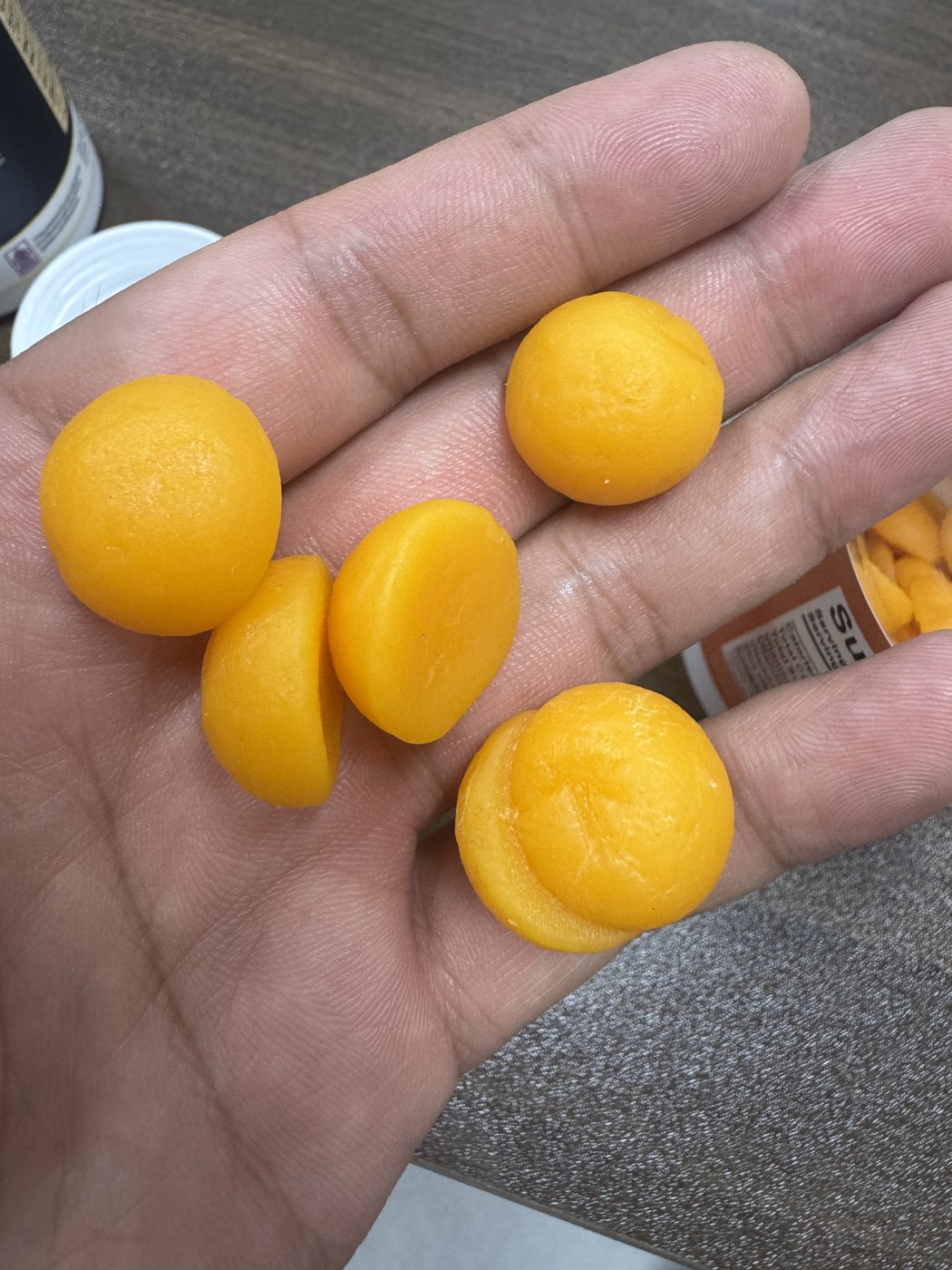
A capsule formula may contain a desirable list of actives but require more capsules per serving than the brand expected. A gummy may not carry the requested mineral load without compromising taste or texture. A powder can hold more actives, but solubility and flavor may become the limiting factors.
| Delivery format | Typical production constraint | Buyer decision required |
|---|---|---|
| Capsules | Fill volume and bulk density | Capsule size versus capsules per serving |
| Gummies | Active load, bitterness and gel structure | Dose versus taste, texture and serving count |
| Powders | Solubility, sedimentation and scoop size | Dose versus drink volume and sensory profile |
| Tablets | Compressibility and disintegration | Tablet size versus hardness and coating |
A strong contract manufacturer should explain these trade-offs before a sample is made.
4. Separate Marketing Dose From Manufacturable Dose
The front-label concept often starts with a commercially attractive number. Production must then verify whether that number refers to:
- Raw material input
- Standardized active compound
- Elemental mineral yield
- Per-piece amount
- Per-serving amount
- Amount at manufacture or through shelf life
This distinction affects raw-material cost, label accuracy and the final serving instruction. It also prevents an apparent dose from being approved before the underlying assay basis is understood.
5. Decide What the Excipient System Must Accomplish
Excipients are not merely filler. They control flow, compression, disintegration, taste, moisture response and product stability.
For capsules, the discussion may include flow agents and fill consistency. For powders, it may include anti-caking, flavor, sweetener and dispersibility. For gummies, the gel system, acids, flavors and sweeteners work together and cannot be adjusted independently without consequences.
In actual development conversations, buyers often request “no excipients” before the processing function of each excipient has been reviewed. A better question is:
Which excipients are technically necessary, and which can be removed without reducing manufacturing consistency or user experience?
6. Build the Testing Plan Into the Quotation
A quotation is incomplete if the required release tests are still unknown.
The testing plan may include:
- Raw-material identity and specification review
- Active or marker assay where applicable
- Microbiological testing
- Heavy metals
- Pesticides or residual solvents where relevant
- Finished-product weight and appearance checks
- Stability or shelf-life program
- Third-party verification requested by the buyer or marketplace
The Certificate of Analysis should reflect the agreed product specification. It should not be treated as a generic attachment added after production.
7. Freeze Packaging and Approval Versions Before Scale-Up
Packaging decisions affect more than appearance. Bottle size, count per bottle, desiccant, induction seal, child-resistant closure, label dimensions and shipping configuration can all change cost or production readiness.
Version control is equally important. During real projects, formula tables, label drafts and quotations often pass through multiple revisions. Without a dated approval record, an old dosage or packaging instruction can reappear late in the process.
Use one final approval sheet covering:
- Formula and ingredient specifications
- Serving size and count per container
- Testing requirements
- Packaging components
- Label and artwork version
- Approved sample reference
- Destination and shipping requirements
Production-Readiness Checklist for Buyers
Before authorizing a pilot or commercial batch, ask your manufacturer to confirm:
- Each active has a defined specification and source basis
- The dose physically fits the selected format
- Per-piece and per-serving amounts are unambiguous
- Necessary excipients and their functions are documented
- Testing requirements are included in scope and pricing
- Packaging components and component MOQs are confirmed
- The latest formula, label and quotation share one version number
- Sample approval and change-control rules are documented
How NuCoreBio Handles Formula Review
NuCoreBio supports capsules, gummies, powders, tablets and standardized botanical ingredients through an OEM/ODM workflow that connects formulation, sourcing, sampling, testing and packaging.
Our practical objective is not to force every concept into a standard template. It is to identify the trade-offs early, document the production specification and give the buyer a clear approval path before inventory risk increases.
For a useful first review, send us your target market, delivery format, desired actives, serving goal, packaging preference and expected launch quantity.
CTA: Request a production-readiness review and sample plan for your formula.
Frequently Asked Questions
Can a manufacturer quote from an ingredient list alone?
A preliminary range may be possible, but a reliable quotation requires ingredient specifications, dosage, delivery format, serving count, testing scope and packaging details. Otherwise, major cost assumptions remain hidden.
Why does a capsule formula require more capsules than expected?
Capsule capacity is limited by the bulk density and volume of the complete blend, not only by the milligram total shown on a concept sheet. High-volume botanical powders and minerals can increase capsules per serving.
Should we make a sample before finalizing the label?
Yes. The sample can reveal taste, texture, color, capsule count and processing constraints that affect the final label. Keep artwork flexible until the approved formula and serving instructions are confirmed.
Can the formula change after sample approval?
It can, but any change should trigger documented review of cost, specifications, sensory characteristics, testing and label content. A sample approval should reference a specific formula version.