










Quick Answer for B2B Buyers
The best gummy supplement manufacturer is not simply the factory with the lowest unit price. For a serious private label launch, choose a partner that can handle formula feasibility, flavor masking, texture control, stability, packaging protection, COA documentation, and reorder planning.
Gummy projects fail when brands treat gummies like candy with vitamins added at the end. A commercial gummy supplement has to taste good, hold its shape, protect active ingredients, meet label expectations, and survive storage and shipping.
Why Gummy Manufacturing Needs a Different Checklist
Search results for gummy manufacturers often focus on “custom gummies” and “private label” at a high level. That is useful, but B2B buyers need a deeper checklist because gummies create technical questions that capsules and powders do not.
Moisture, pH, heat, active load, flavor masking, mold release, sugar or sugar-free systems, gelatin or pectin base, color migration, and packaging barrier all affect the finished product. A factory that cannot explain those trade-offs may still make a sample, but the mass-production batch can behave differently.
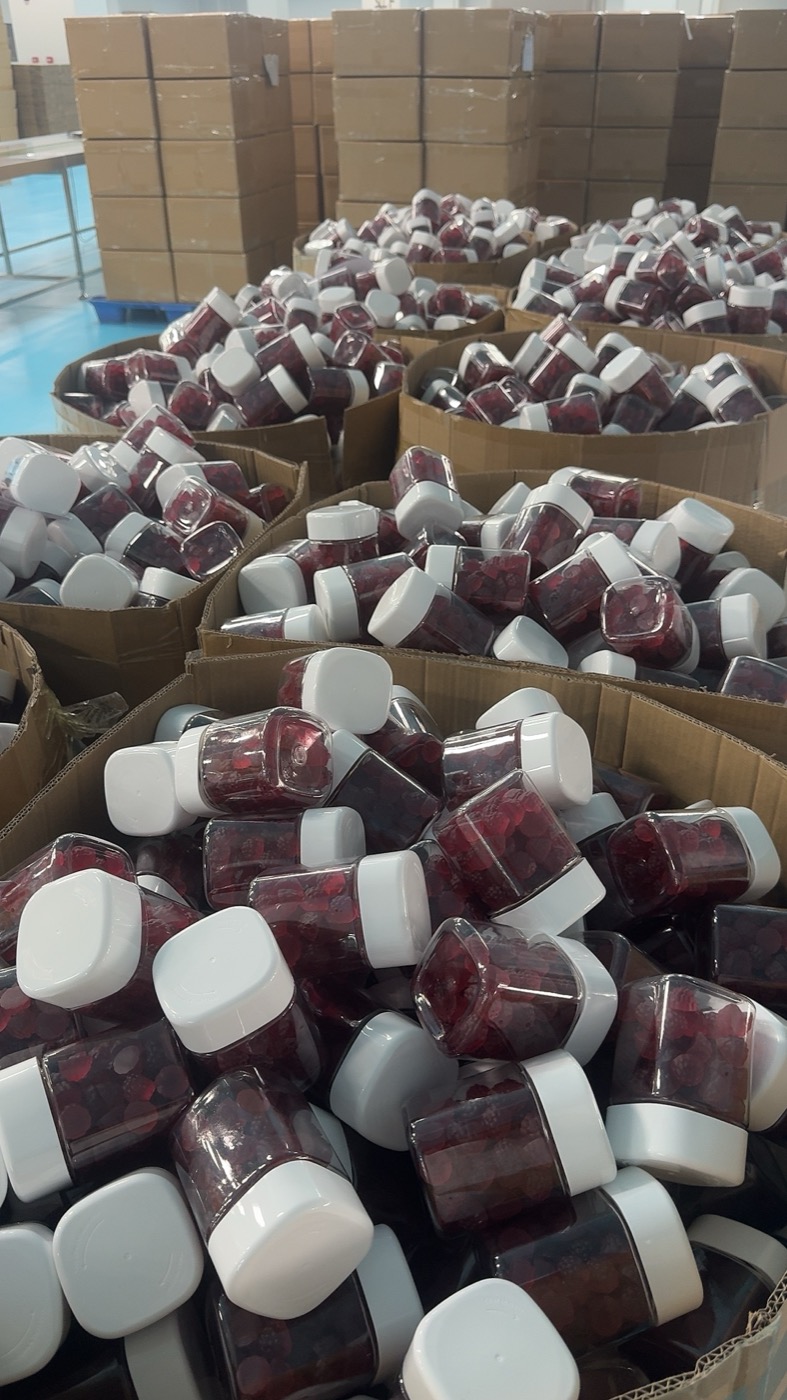
The Manufacturer Questions That Actually Matter
- What gummy base do you recommend for this product? Ask why pectin, gelatin, or another base fits the target market and active ingredients.
- Can the active dose fit into the gummy? High-dose minerals, proteins, fibers, and dense botanical extracts can create taste or texture problems.
- How will you mask taste? Magnesium, ashwagandha, mushrooms, black seed oil, and many herbal extracts need real flavor work, not just extra sweetness.
- What packaging protects the gummy? Bottle, pouch, desiccant, seal, and carton decisions matter for heat, humidity, and transport.
- What testing is included? Confirm microbiology, heavy metals, active assay where relevant, and finished-batch COA.
Pectin vs. Gelatin vs. Format Positioning
| Choice | Commercial Advantage | Buyer Watch-Out |
|---|---|---|
| Pectin gummy | Vegan-friendly positioning and broad market fit | Can require tighter control of texture, pH, and process timing |
| Gelatin gummy | Classic chew and familiar sensory profile | Not suitable for vegan claims and may affect religious-market positioning |
| Sugar-free / reduced sugar | Useful for keto, diabetic-friendly positioning, or premium wellness brands | Sweetener system can affect taste, texture, and digestive tolerance |
| Individually wrapped gummy | Better hygiene, travel use, and premium sampling | Packaging cost and MOQ can be higher than standard bottles |
NuCoreBio supports gummy formula discussion across beauty, sleep, sports nutrition, immunity, digestive, urinary support, and botanical wellness concepts. Related starting points include Private Label Gummies Manufacturer and Low MOQ Gummies OEM.
Formula Feasibility Comes Before Design
Before artwork, bottles, and marketing claims, the formula has to work inside a gummy matrix. A good R&D team will pressure-test the active stack, taste profile, texture target, color, and serving size before committing to a mass-production plan.

Examples of gummy categories that need early feasibility checks include magnesium glycinate gummies, collagen beauty gummies, cranberry D-mannose gummies, vitamin C gummies, creatine gummies, and mushroom or nootropic gummies. Each has a different challenge: mineral taste, peptide loading, acid balance, moisture control, or botanical bitterness.
MOQ and Packaging: Where Many Quotes Go Wrong
A gummy quote can look attractive until the buyer realizes the formula MOQ, bottle MOQ, label MOQ, carton MOQ, and flavor MOQ are not the same thing. Ask the supplier to separate these numbers before you compare quotes.
| Quote Item | Ask This | Why It Matters |
|---|---|---|
| Formula MOQ | What is the smallest manufacturable batch? | Controls initial inventory and unit cost |
| Packaging MOQ | Are bottles, caps, labels, pouches, or cartons separate? | Prevents hidden overbuying |
| Sample timeline | How many rounds are included? | Avoids launch delay after the first sample fails taste or texture |
| Testing | Which tests are batch-specific? | Supports buyer confidence and export documentation |
| Reorder plan | How fast can the same formula be repeated? | Prevents stockout after launch traction |
Quality Documents to Request Before Deposit
For gummy supplements, the basic document pack should include product specification, ingredient list, allergen statement where relevant, finished-batch COA, microbiology results, heavy metals results, packaging specification, label review support, and export paperwork for the destination market. If the formula includes a quantified active ingredient, clarify whether assay testing is required and what method is used.
Regulatory responsibility always depends on the target market and brand claims, but the manufacturer should make the documentation path visible before production begins.
A Better Gummy Manufacturer Shortlist Scorecard
| Score Area | Strong Signal | Weak Signal |
|---|---|---|
| R&D support | Explains active load, flavor masking, and texture constraints | Only says yes to every formula |
| Production proof | Shows real lab, filling, packing, and staged-goods evidence | Uses only generic stock images |
| MOQ transparency | Separates formula, packaging, label, and carton MOQs | Gives one vague MOQ number |
| Documentation | Defines COA, tests, specs, and export documents upfront | Adds testing only after order confirmation |
| Launch support | Connects formula, packaging, quote, sample, and reorder plan | Treats the project as a one-time transaction |
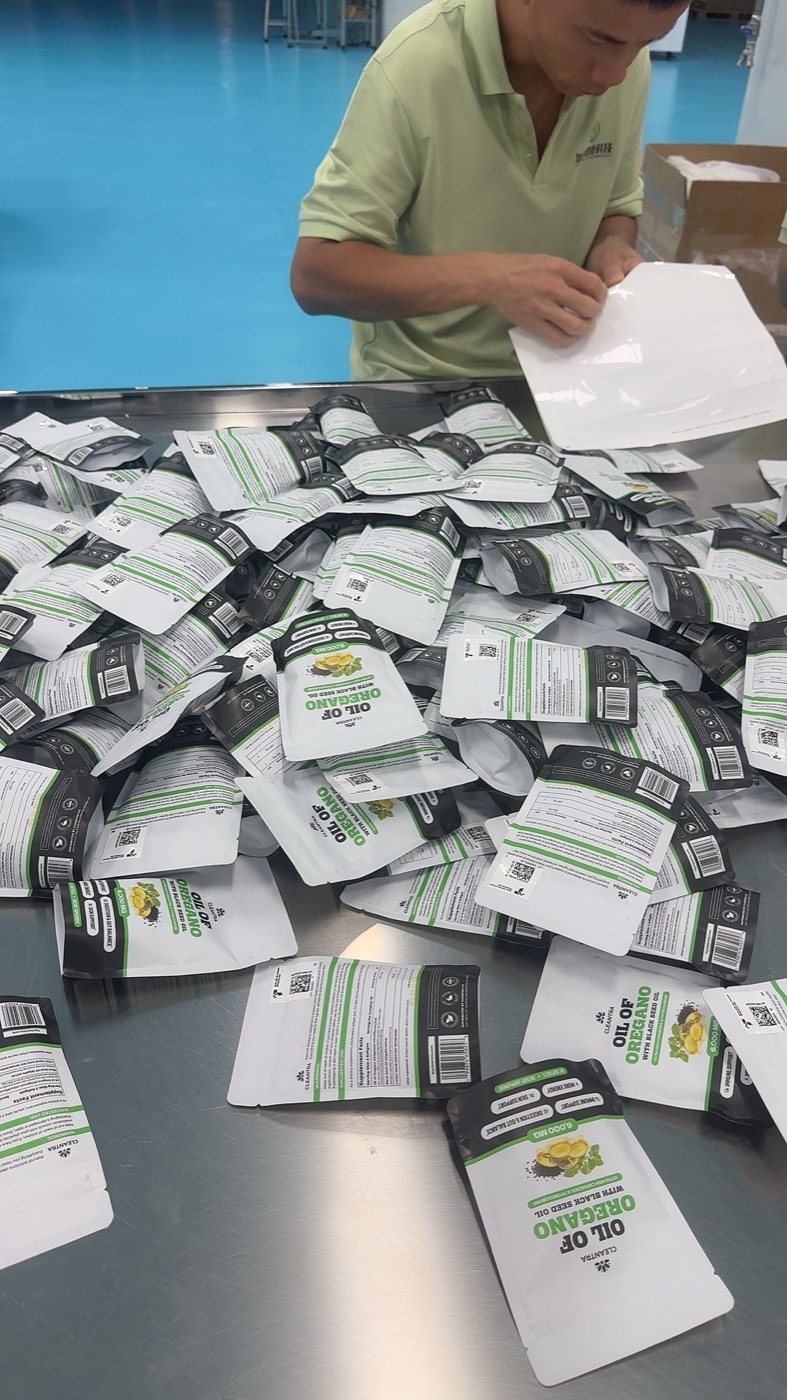
Product Examples to Benchmark
Use existing product directions to compare feasibility before building a fully custom brief: Magnesium Glycinate Gummies, Collagen Gummies, Vitamin C Gummies, and Cranberry D-Mannose Gummies.
FAQ
What makes gummy supplements harder to manufacture than capsules?
Gummies must balance active ingredients, texture, sweetness, water activity, heat exposure, flavor masking, color, deposit behavior, and packaging protection. Capsules mainly focus on powder flow, fill weight, disintegration, and ingredient compatibility.
Should a brand choose pectin or gelatin gummies?
Pectin can support vegan positioning, while gelatin can provide a familiar chew profile. The better choice depends on target market, sensory expectations, active ingredient load, and stability requirements.
Can minerals and botanical extracts be used in gummies?
Yes, but minerals and botanical extracts often create taste, color, sediment, or stability challenges. A trial batch should confirm flavor masking, texture, appearance, and active distribution before mass production.
What documents should a gummy manufacturer provide?
Ask for batch COA, specification sheet, ingredient/allergen information, packaging details, label support, production records where available, and export documents for the target market.
Turn the Gummy Idea Into a Manufacturable Brief
If you are comparing gummy supplement manufacturers, send NuCoreBio your target benefit, active ingredients, serving size, preferred base, flavor direction, packaging preference, launch market, and expected first-order quantity. We can help review whether the idea is better suited for gummies, capsules, powders, or a phased launch across multiple formats.