










Launching a successful private-label supplement line requires more than just a great product idea—it demands a reliable manufacturing partnership. Whether you are scaling up a DTC brand on Amazon and TikTok Shop or developing a specialty botanical formula, navigating the OEM/ODM contract manufacturing process effectively will save months of delay and thousands of dollars in regulatory overhead.
Here is the step-by-step roadmap to turning raw ingredients into market-ready finished goods.
Step 1: Defining Your OEM/ODM Brief
Before reaching out to a contract manufacturer, establish clear initial parameters:
- Target Delivery Form: Capsules, Powder Blends, Gummies, or Tablets.
- Ingredient Specification: Are you using standard ingredients or specialized botanical extracts?
- Packaging Preference: HDPE Bottles, PET Bottles, Stand-Up Pouches, or Sachets.
- Target Markets: Determines necessary compliance standards (e.g., FDA, EU regulations, Halal certification).
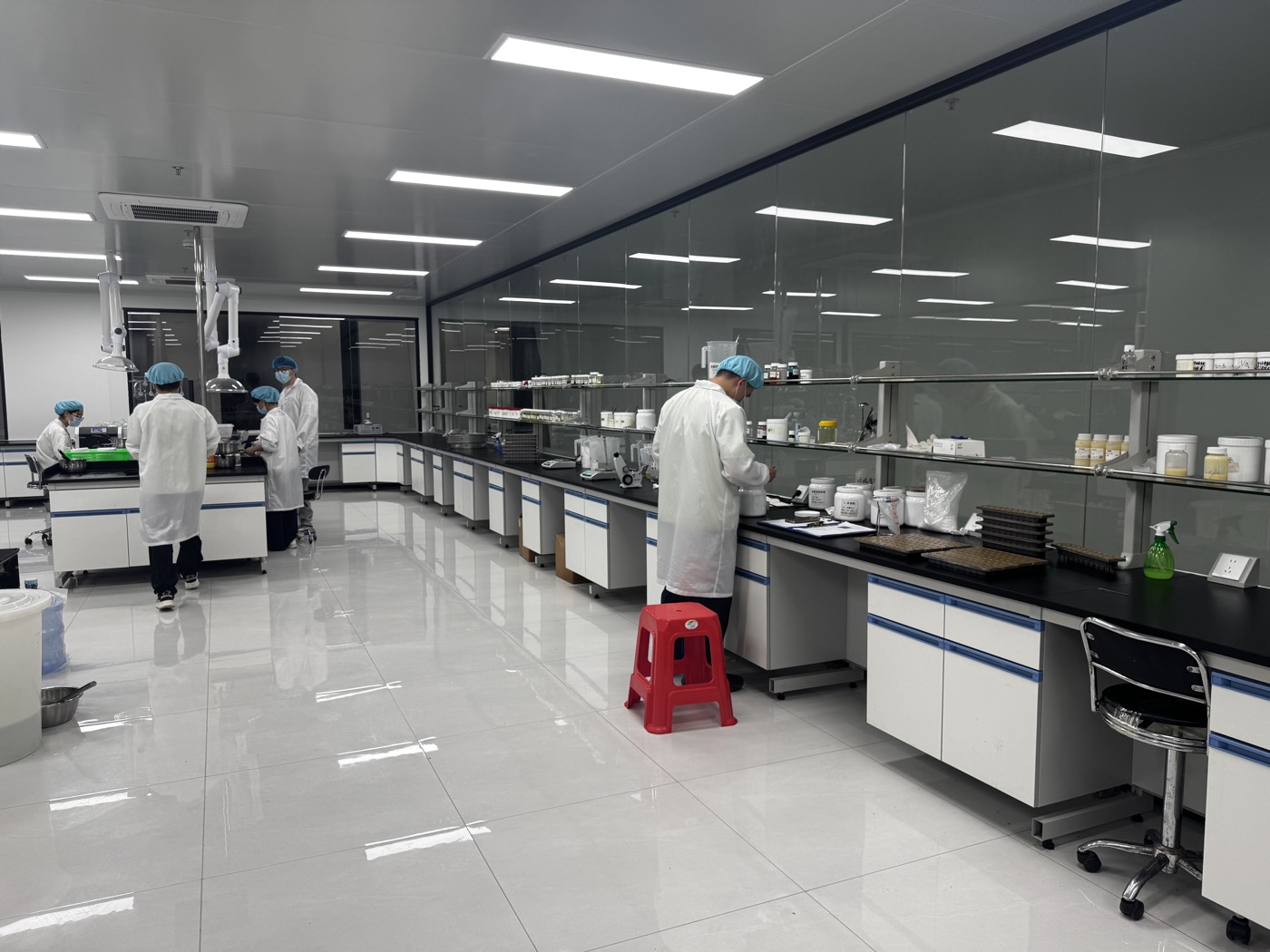
Step 2: R&D, Powder Blending & Sterilization Protocols
Homogeneity and microbial safety are non-negotiable in supplement manufacturing:
- Advanced Mixing: High-precision 3D Powder Mixing Technology ensures that micro-dosed active ingredients (such as vitamins, minerals, and high-potency extracts) are evenly distributed throughout the entire batch.
- Sanitation & Sterilization: State-of-the-art facilities utilize Ozone Sterilization and cleanroom processing to eliminate bio-burden without damaging heat-sensitive active compounds.
Step 3: Stability Testing & Trial Batches
Before committing to full-scale mass production:
- Request a pilot batch/sample to evaluate sensory profiles (for powders/gummies), capsule disintegrating time, and powder flowability.
- Review stability data to ensure active ingredients remain potent within the chosen packaging protection.
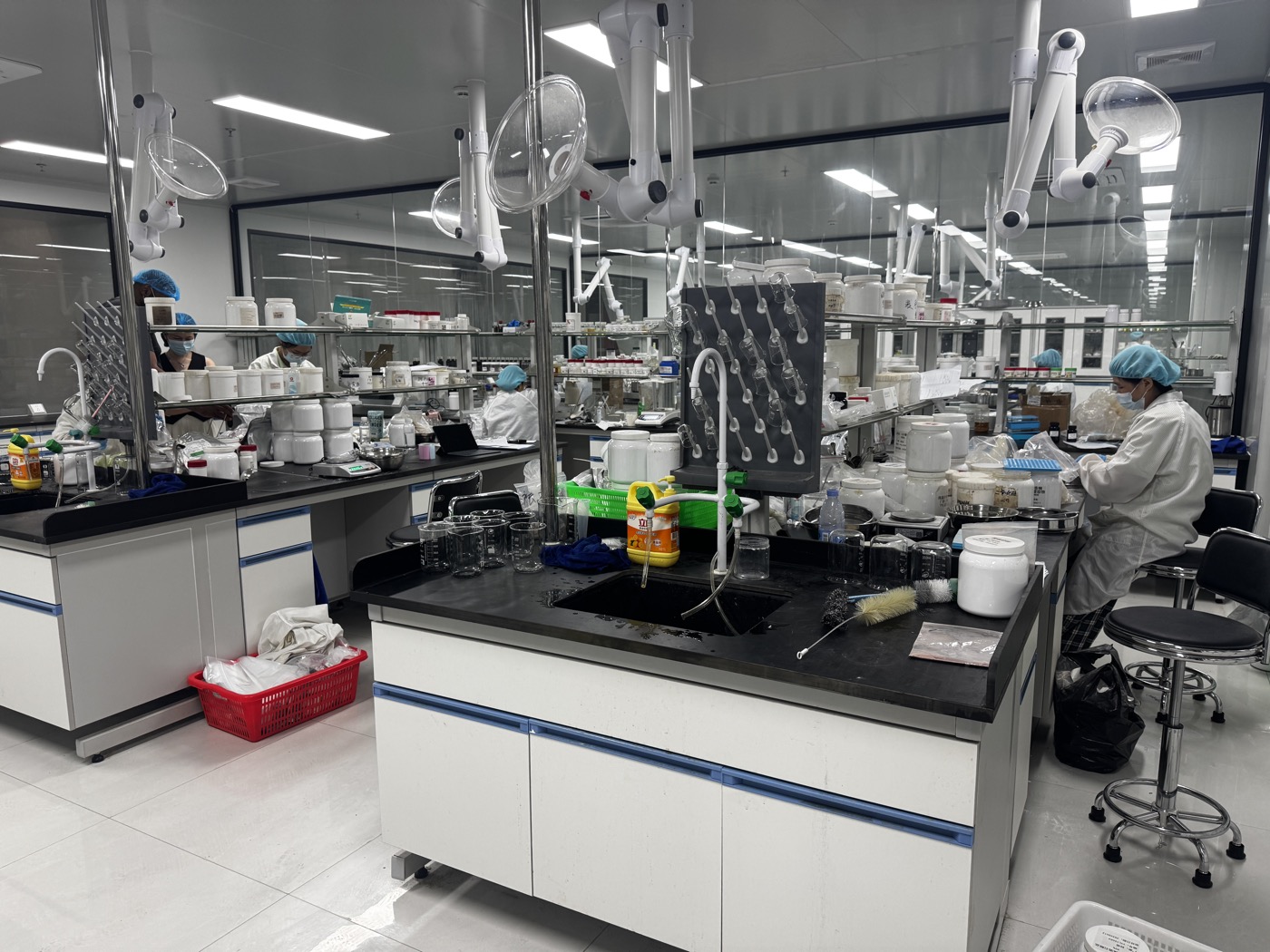
Common Sourcing Pitfalls to Avoid in Supplement OEM
- Unclear Packaging MOQs: Packaging suppliers often have higher Minimum Order Quantities (MOQs) than raw material blenders. Confirm bottle/label MOQs early in the process.
- Ignoring Excipient Interactions: Certain hygroscopic botanical powders require specific flow agents to prevent caking during automated encapsulation.
- Incomplete Analytical Documentation: Always verify that your OEM manufacturer provides batch-specific Certificates of Analysis (COA) including heavy metals, pesticides, and microbiological testing.
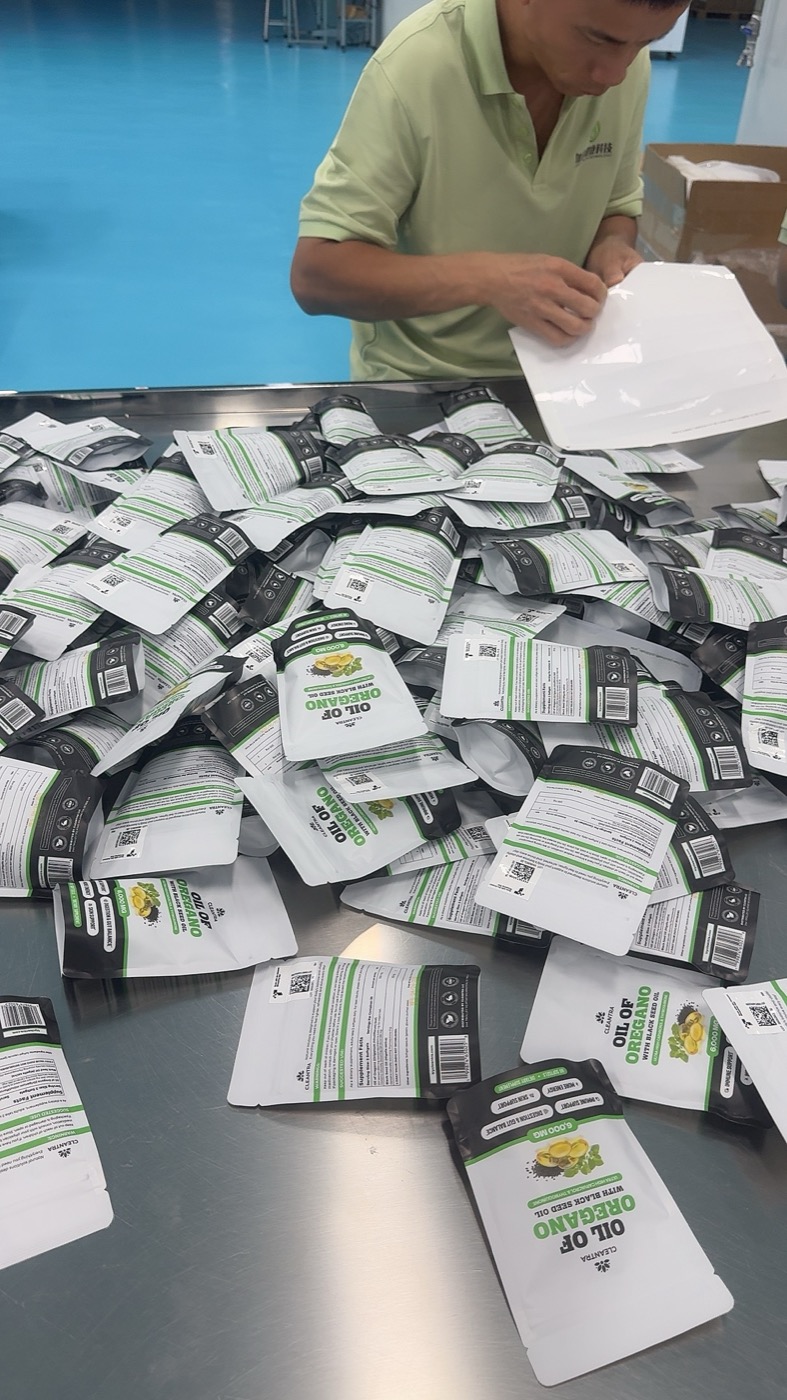
Streamline Your Private-Label Production with NuCoreBio
From high-purity raw ingredient sourcing to precision 3D blending and custom encapsulation/gummy OEM services, NuCoreBio offers scalable manufacturing solutions tailored to global brands.
Talk to Our OEM Specialists – Get a Quote & Sample Within 48 Hours