










For brand managers, formulation chemists, and B2B procurement officers in the dietary supplement industry, selecting the right raw materials is the cornerstone of product efficacy and regulatory compliance. However, one of the most common points of confusion during vendor qualification is the difference between Standardized Botanical Extracts and Ratio Extracts (e.g., 10:1, 20:1).
Understanding this distinction directly impacts your label claims, cost structure, and batch-to-batch consistency.
1. What is a Ratio Extract (e.g., 10:1)?
A ratio extract indicates the mass of raw dried botanical material used to produce one part of finished extract powder.
- Example: A 10:1 Ginseng Extract means 10 kg of raw ginseng root were processed to yield 1 kg of extract powder.
- The Limitation: Ratio extracts do not guarantee a specific percentage of active bio-compounds. Natural variations in harvest climate, soil quality, and extraction efficiency can cause active compound levels (e.g., Ginsenosides) to fluctuate significantly between batches.
2. What is a Standardized Botanical Extract?
A standardized extract guarantees a precise, quantified percentage of specific active marker compounds, validated by advanced chromatography testing methods such as HPLC (High-Performance Liquid Chromatography) or UV-Vis.
- Example: Ginseng Extract standardized to 80% Ginsenosides by HPLC.
- The Advantage: Formulation chemists can rely on an exact potency per serving, ensuring that every capsule or gummy meets its nutritional facts label claim throughout its shelf life.
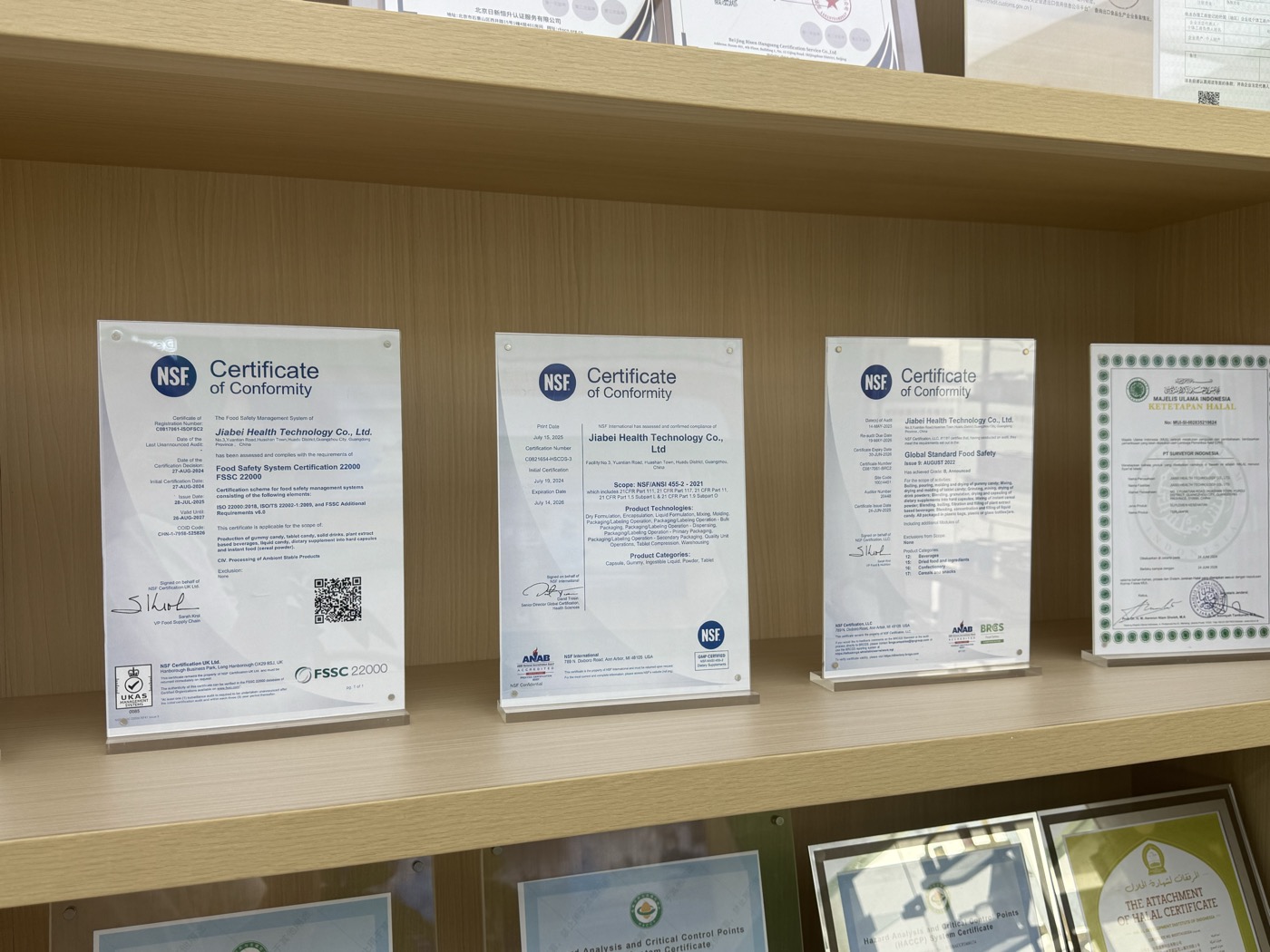
3. Key Differences: Quick Comparison Table
| Feature | Ratio Extract (e.g., 10:1) | Standardized Extract (e.g., 50% Active Marker) |
|---|---|---|
| Active Compound Control | Variable / Not Quantified | Guaranteed & Batch-Tested |
| Testing Requirement | Basic Identification / TLC | HPLC / GC-MS Quantified |
| Price Point | Generally Lower | Higher (Reflects Potency & Analytical Cost) |
| Best For | Food & Beverage Formulations | High-Efficacy Dietary Supplements / Capsules |
4. How to Audit a Botanical Extract Certificate of Analysis (COA)
When auditing a B2B supplier’s batch documentation, your QA/QC team should look beyond active assay levels:
- Heavy Metals Panel (ICP-MS): Ensure compliance with USP <2232> limits for Lead (Pb), Arsenic (As), Cadmium (Cd), and Mercury (Hg).
- Microbiological Safety: Confirm compliance with total aerobic microbial counts (TAMC), yeast and mold limits, and absence of pathogens like E. coli and Salmonella.
- Residual Solvents (GC-HS): Verify that extraction solvents (Ethanol/Water vs. Harsh Organic Solvents) comply with USP <467> Class 1 & Class 2 guidelines.
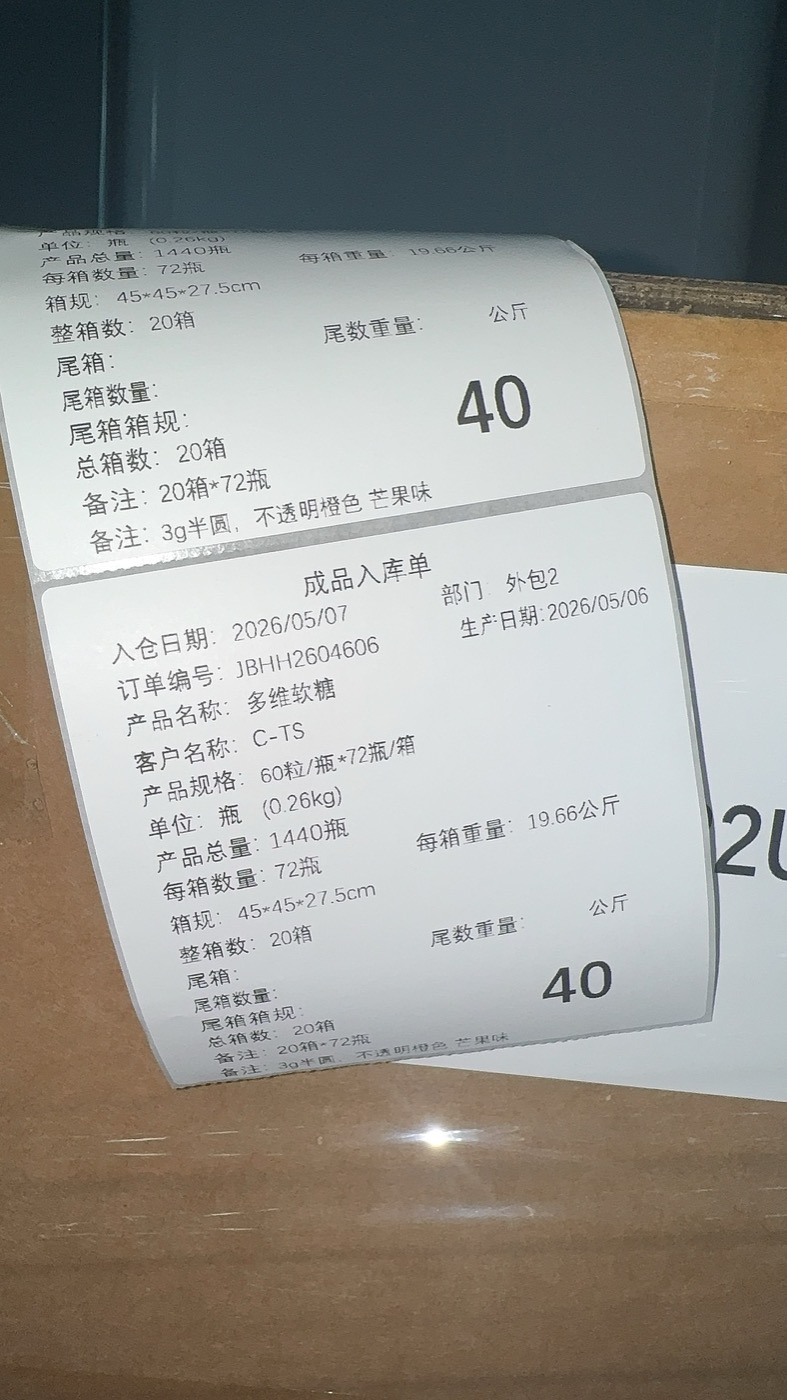
Partnering with NuCoreBio for Your OEM & Raw Material Needs
At NuCoreBio, we specialize in providing high-purity, standardized botanical extracts and end-to-end OEM/ODM custom manufacturing. Every batch is supported by full analytical testing, batch traceability, and comprehensive COA documentation.
Request a Free Sample & Full Specification Sheet for Your Next Batch