










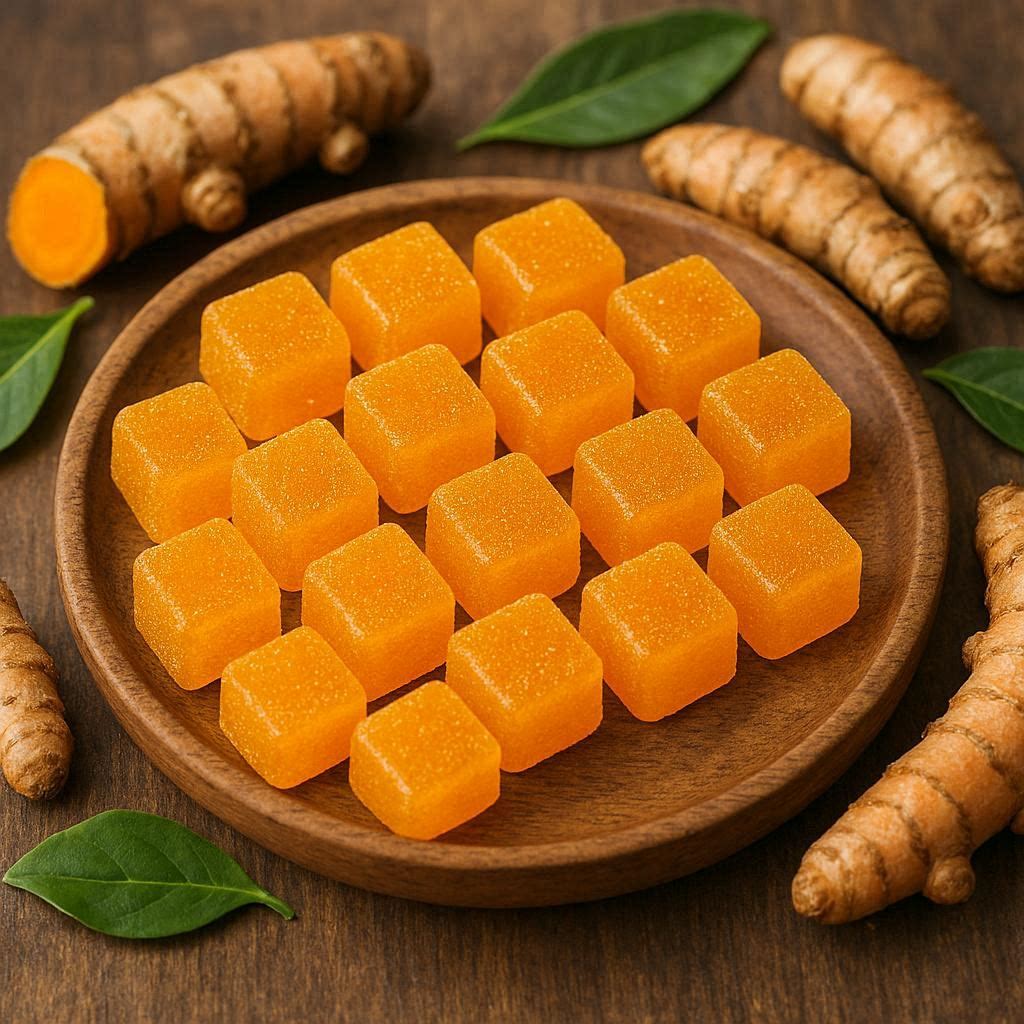
The global turmeric and curcumin supplement market is experiencing robust growth, driven by rising consumer demand for natural anti-inflammatory solutions and plant-based wellness products. The curcumin market alone is expected to reach USD 108.79 million in 2025 and grow to USD 186.06 million by 2030, at a compound annual growth rate (CAGR) of 11.33%. Meanwhile, the broader anti-inflammatory turmeric market is projected to expand from $1.81 billion in 2025 to $2.87 billion by 2032, advancing at a CAGR of 6.8%.
Curcumin, the bioactive compound in turmeric, plays a significant role in the dietary supplements market due to its recognized health benefits, particularly its anti-inflammatory and antioxidant properties. It is widely utilized in supplements targeting conditions such as arthritis, metabolic syndrome, and certain neurological disorders. According to the World Health Organization, approximately one-sixth of India’s population experiences musculoskeletal pain, with millions suffering from various forms of arthritis, driving global demand for curcumin-based products.
1. Rising Preference for Herbal Remedies. Consumers are increasingly opting for turmeric-based products due to their scientifically validated anti-inflammatory and antioxidant properties. This trend is fueled by growing health consciousness, preference for plant-based solutions, and the popularity of traditional medicine systems like Ayurveda.
2. Shift Towards Plant-Based Ingredients. Growing consumer demand for plant-based ingredients is driving a transformation in supplement formulation strategies, with curcumin positioned as a pivotal botanical ingredient bridging traditional medicine and modern wellness solutions. The FDA’s GRAS Notice 822 for curcumin reinforces its safety for food applications, enabling manufacturers to confidently expand their product offerings.
3. Joint Health and Sports Nutrition Applications. Curcumin has established itself as a scientifically validated solution in the joint health market, gaining significant adoption among aging demographics and active lifestyle consumers. Its mechanism of action involves inhibiting key inflammatory mediators, positioning it as a natural alternative to non-steroidal anti-inflammatory drugs. In sports nutrition, curcumin’s anti-inflammatory properties enhance exercise recovery and optimize performance.
Innovative formulations are increasingly appealing to wellness-conscious consumers. These include water-dispersible cyclodextrin complexes, piperine-enhanced capsules (often combined with black pepper extract for better absorption), and fermented turmeric extracts. Companies are also developing targeted joint health formulations that integrate curcumin with complementary ingredients like glucosamine and hyaluronic acid. Industry leaders are gaining competitive advantages through vertically integrated organic supply chains and the adoption of green extraction technologies, which help reduce costs and minimize environmental impact. Standardized curcumin extracts that meet pharmaceutical-grade requirements, such as Sabinsa Corporation’s Curcumin C3 Complex, have received EFSA approval for the European market.
Consumer reviews consistently highlight turmeric’s effectiveness for joint pain relief and overall wellness. Products like Spring Valley Turmeric Curcumin with Ginger are praised for being budget-friendly and effective for relieving joint and arthritis pain. Solgar’s Full Spectrum Curcumin receives an average rating of 4.6 stars, with users reporting noticeable benefits for joint health. Horbaach’s Turmeric Curcumin with Black Pepper is noted for its high-end ingredients and effective pain relief.
Market growth is further supported by Asia-Pacific’s expanding middle-income population, Europe’s advanced nutraceutical distribution channels shaped by EFSA approvals, and North America’s revitalized specialty retail and food-service supplement offerings. The turmeric powder segment is expected to account for the largest market share, propelled by its widespread use in traditional culinary applications, particularly in the Asia Pacific region.