










Introduction
The male wellness supplement market has experienced remarkable transformation over the past decade, with consumers increasingly seeking natural alternatives to support energy, vitality, and overall performance. Within this evolving landscape, Tongkat Ali (Eurycoma longifolia) has emerged as one of the most sought-after botanical ingredients, driving significant demand across retail and wholesale channels. Simultaneously, the gummy supplement format has revolutionized how consumers take their daily wellness products, combining efficacy with an enjoyable consumption experience that traditional capsules and tablets cannot match.
For brand owners, retailers, and entrepreneurs entering or expanding within this space, understanding the nuances of stable formulation Tongkat Ali gummies wholesale procurement represents a critical competitive advantage. The complexity of maintaining botanical potency in a sugar-based, heat-sensitive gummy matrix presents unique manufacturing challenges that directly impact product effectiveness, shelf stability, and ultimately, customer satisfaction and brand reputation.
This comprehensive guide examines the scientific foundations of Tongkat Ali, market dynamics driving wholesale demand, manufacturing considerations for achieving stable formulations, and the strategic benefits of partnering with capable OEM/ODM suppliers. Whether you are launching a new product line or optimizing an existing formulation, the insights provided here will equip you with the knowledge necessary to make informed procurement decisions and deliver premium-quality Tongkat Ali gummies to your customers.
The Science Behind Tongkat Ali: Mechanism of Action and Bioactive Compounds
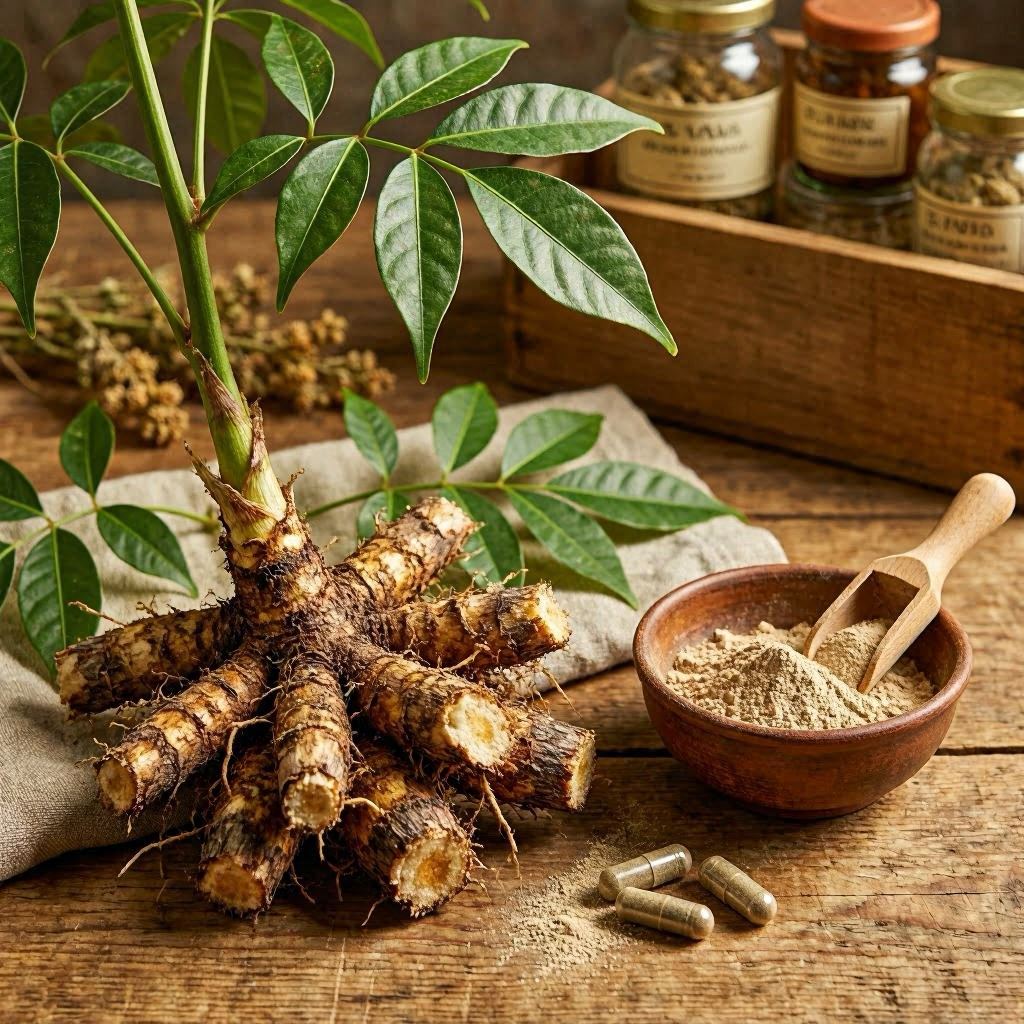
Tongkat Ali, also known as Longjack or Malaysian Ginseng, is a flowering plant native to Southeast Asian regions including Malaysia, Indonesia, Thailand, and Vietnam. Traditional medicine practitioners have utilized this botanical for centuries, recognizing its adaptogenic properties and benefits for male vitality. Modern scientific investigation has validated many of these traditional applications while revealing the complex phytochemistry responsible for its physiological effects.
The primary bioactive compounds in Tongkat Ali include quassinoids (such as eurycomanone, eurycomanol, and eurycolactone), alkaloids, and various flavonoids. Among these, eurycomanone has emerged as the most pharmacologically significant marker compound, with research indicating it serves as the primary contributor to the plant’s beneficial properties. Premium Tongkat Ali extracts typically standardized to contain 1-2% eurycomanone concentration, though advanced formulations may target higher potency specifications.
The mechanism of action involves multiple physiological pathways. Tongkat Ali demonstrates adaptogenic properties by helping the body manage stress responses through modulation of cortisol levels. Clinical studies have documented that standardized extracts can significantly reduce cortisol concentrations, enabling the body to maintain more balanced stress hormone ratios. This cortisol modulation indirectly supports testosterone availability, as elevated cortisol inversely affects luteinizing hormone (LH) secretion and testicular testosterone production.
Beyond hormonal modulation, Tongkat Ali exhibits antioxidant properties through its flavonoid components, protecting cellular structures from oxidative damage that naturally accumulates through metabolic processes and environmental stressors. Additional research suggests benefits for exercise performance and recovery, with studies demonstrating improved strength, endurance, and muscle protein synthesis following supplementation with standardized extracts.
For gummy formulation purposes, understanding these bioactive compounds is essential because they determine extraction methods, standardization requirements, and most critically, the stability challenges that must be addressed during manufacturing. The quassinoid compounds, while potent, demonstrate varying degrees of sensitivity to heat, oxygen exposure, and pH fluctuations—factors that must be carefully managed throughout the production process.
Market Trends and Demand Data: The Growing Wholesale Opportunity
The global Tongkat Ali market has demonstrated sustained growth trajectories that make it an increasingly attractive category for wholesale procurement. Industry analysts estimate the worldwide Tongkat Ali market reached approximately $200-250 million in 2023, with projections indicating compound annual growth rates (CAGR) of 6-8% through 2030. This growth reflects expanding consumer awareness, increasing scientific validation, and the broader trend toward natural wellness solutions.
The male health supplement segment specifically has witnessed particularly robust expansion. Market research indicates that men’s health supplements represent one of the fastest-growing categories within the broader nutraceutical industry, driven by demographic shifts, heightened health consciousness among male consumers aged 25-55, and reduced stigma surrounding supplementation for performance and wellness optimization.
The gummy format has emerged as a primary growth driver across virtually all supplement categories, and Tongkat Ali products are no exception. Gummy supplements have captured significant market share from traditional formats, with industry data showing that gummy vitamin and supplement sales have grown at rates exceeding 15% annually—substantially outpacing the overall supplement market. Consumer preference for gummies stems from improved compliance rates, taste acceptability, and the absence of swallowing difficulties common with capsules and tablets.
For wholesale buyers, these market dynamics present both opportunity and imperative. The growing demand for Tongkat Ali gummies specifically creates competitive pressure to secure reliable supply partnerships while simultaneously offering differentiation opportunities through formulation innovation, packaging design, and targeted marketing positioning. Brands that can deliver stable, effective, and great-tasting Tongkat Ali gummies through efficient wholesale channels will capture market share from competitors offering inferior products or inconsistent supply.
Geographic market distribution reveals interesting patterns for wholesale strategy consideration. North American and European markets demonstrate the highest growth rates, reflecting strong consumer interest in botanical supplements and premium delivery formats. However, these markets also impose stringent regulatory requirements and quality standards that necessitate working with manufacturers capable of meeting cGMP compliance, third-party testing protocols, and comprehensive documentation requirements.
Manufacturing Considerations: Achieving Stable Formulation in Gummy Delivery Systems
The technical challenges of creating stable formulation Tongkat Ali gummies represent the primary reason many wholesale procurement efforts fail to deliver consistent product quality. Unlike encapsulated powders or tablets, gummy manufacturing involves conditions—heat, moisture, acidity—that can degrade sensitive botanical compounds if not carefully managed throughout the production process.
Temperature management constitutes the foremost concern in Tongkat Ali gummy production. The gelatin or pectin matrix requires heating during mixing and molding phases, typically reaching temperatures between 60-80°C during the production process. Extended heat exposure degrades quassinoid compounds, reducing the potency of finished products below labeled specifications. Advanced manufacturers address this challenge through several technical approaches: minimized batch processing times, heat exchanger technologies that reduce thermal exposure, and strategic addition of the botanical extract during later production phases when temperatures have decreased.
The pH environment within gummy formulations presents additional stability considerations. Tongkat Ali bioactive compounds demonstrate optimal stability within specific pH ranges, and the acidic nature of many gummy formulations (necessary for flavor development and shelf stability) can accelerate degradation. Formulation scientists must balance flavor profile requirements against compound stability, often utilizing buffered systems or pH-adjusted ingredient sequences to protect sensitive actives.
Oxygen exposure during production and storage represents another degradation pathway. Oxidative processes can diminish the potency of quassinoid compounds over time, making nitrogen flushing during packaging and moisture-resistant packaging materials essential for maintaining labeled potency through the product’s shelf life. Quality-focused manufacturers conduct stability studies across various temperature and humidity conditions to establish accurate shelf life claims and storage recommendations.
Bioavailability enhancement strategies have become increasingly important in Tongkat Ali gummy formulation. While gummies generally demonstrate superior absorption compared to tablets due to pre-dissolution in the oral cavity, the inherent bioavailability challenges of botanical compounds remain relevant. Some manufacturers incorporate bioavailability-enhancing technologies such as lipid-based delivery systems, cyclodextrin complexes, or nanoparticle formulations that improve the absorption and utilization of Tongkat Ali compounds following ingestion.
Dosage standardization presents particular complexity because natural botanical extracts demonstrate inherent variability in bioactive compound concentrations based on source material, growing conditions, harvest timing, and extraction methods. Wholesale procurement specifications should require extracts standardized to specific eurycomanone content, with certificate of analysis (COA) documentation demonstrating compliance. Recommended effective dosages in research literature typically range from 200-400mg of standardized Tongkat Ali extract (containing 1-2% eurycomanone) daily, though final formulation amounts should align with intended product positioning and regulatory compliance requirements.
OEM/ODM Partnership Benefits for Brand Owners
The strategic advantages of engaging experienced OEM/ODM (Original Equipment Manufacturer/Original Design Manufacturer) partners for Tongkat Ali gummy production have become increasingly pronounced as the market matures and quality expectations intensify. For brand owners who may lack in-house manufacturing capabilities or formulation expertise, these partnerships provide access to sophisticated production infrastructure and technical knowledge that would otherwise require prohibitive capital investment.
Minimum order quantity (MOQ) structures offered by established gummy manufacturers have become increasingly accessible for emerging brands and private label operations. While traditional manufacturing arrangements required production runs of hundreds of thousands of units, many OEM/ODM partners now accommodate MOQs starting at 10,000-30,000 units for initial orders, with favorable terms for continued partnership. This democratization of manufacturing access has enabled brands of varying sizes to compete based on product quality rather than purely on capital resources.
Customization capabilities represent another significant benefit of OEM/ODM partnerships. Beyond basic formulation development, capable manufacturers offer extensive options for product differentiation including flavor profiles (citrus, berry, tropical, and custom formulations), texture modifications (soft/chewy versus firm), visual appearance (clear versus opaque, color options), and functional additions (vitamin blends, mineral combinations, other botanical synergists). This flexibility enables brands to create distinctive products that stand apart in crowded retail environments.
Speed-to-market considerations favor established OEM/ODM relationships, particularly when partners maintain pre-developed base formulations that can be customized and readied for production with shortened timelines. From initial formulation discussions to finished product delivery, experienced manufacturers can often complete production cycles within 8-12 weeks for standard specifications, with expedited options available for time-sensitive market entries. This agility proves particularly valuable for brands responding to emerging market opportunities or seasonal demand patterns.
Supply chain integration services offered by full-service manufacturers simplify procurement complexity for brand owners. Rather than coordinating multiple vendors for packaging materials, ingredients, and production services, brands can consolidate requirements through single manufacturing partners who manage these relationships on their behalf. This integration reduces administrative overhead, improves quality accountability, and typically results in more competitive total production costs.
Regulatory compliance support has become an essential value-add for OEM/ODM partnerships, particularly for brands entering markets with stringent supplement regulations. Experienced manufacturers maintain compliance infrastructure including FDA-registered facilities, cGMP documentation systems, and regulatory affairs teams capable of guiding labeling compliance, claim substantiation, and import/export documentation requirements.
Quality Assurance: Ensuring Potency, Purity, and Compliance
The importance of rigorous quality assurance protocols cannot be overstated for Tongkat Ali gummy procurement, where botanical variability and formulation complexity create numerous potential failure points. Sophisticated brand owners recognize that quality assurance represents a non-negotiable requirement that protects both consumer safety and brand reputation.
Current Good Manufacturing Practice (cGMP) certification serves as the foundational quality standard for supplement manufacturing. cGMP compliance requires documented systems covering all aspects of production including personnel qualifications, equipment maintenance, ingredient verification, production procedures, laboratory operations, and complaint handling. Facilities operating under cGMP protocols demonstrate systematic approaches to quality that reduce the probability of contamination, mislabeling, or potency failures.
Third-party laboratory testing provides objective verification of product specifications beyond internal quality control measures. Reputable manufacturers submit finished products to independent analytical laboratories for comprehensive testing including potency verification (confirming eurycomanone content matches label claims), microbial testing (total plate count, yeast/mold, E. coli, Salmonella), heavy metal analysis (lead, mercury, cadmium, arsenic), and pesticide screening. These certificates of analysis (COA) should be readily available to wholesale buyers and should be generated for each production batch rather than relying on historical documentation.
High-Performance Liquid Chromatography (HPLC) represents the analytical method of choice for Tongkat Ali potency verification, providing precise quantification of eurycomanone and related quassinoid compounds. Brands should specify HPLC testing requirements in procurement contracts and verify that manufacturers utilize appropriately validated methods with established limit of detection and quantification parameters.
Additional certifications expand quality assurance for specific market requirements. Halal certification addresses requirements for Muslim consumers, verifying that products contain no prohibited ingredients and are manufactured according to Islamic law requirements. Organic certification (typically USDA NOP or similar) confirms ingredient sourcing from organic-certified suppliers and compliance with organic handling requirements throughout production. These certifications open market channels and provide differentiation opportunities for brands targeting specific consumer segments.
Supply chain traceability has become increasingly emphasized by both regulators and consumers. Quality-focused manufacturers implement systems that track ingredient lots from source material through extraction, manufacturing, and packaging, enabling rapid identification and response should quality concerns arise. This traceability capability protects brand owners from liability exposure while demonstrating commitment to quality transparency.
Shelf life stability studies validate that products maintain potency and purity throughout their intended shelf life under specified storage conditions. Reputable manufacturers conduct accelerated stability testing (using elevated temperatures to simulate extended storage) and real-time stability monitoring, providing data that supports expiration dating and storage recommendations included on product labels.
Formulation Format Comparison: Gummies Versus Capsules Versus Powder
Understanding the relative advantages and limitations of different supplement delivery formats enables informed decisions about whether Tongkat Ali gummies represent the optimal choice for specific market positioning and consumer target demographics.
Gummy format advantages for Tongkat Ali delivery include superior consumer acceptance and compliance. Research indicates that supplement adherence rates are significantly higher for gummy formats compared to capsules or tablets, with consumers reporting greater satisfaction and likelihood of continued use. The pleasant sensory experience of consuming a gummy supplement reduces psychological resistance that many consumers experience toward traditional pill-based supplements. For Tongkat Ali specifically, which is often consumed long-term for cumulative benefits, improved compliance translates directly to better customer outcomes and higher likelihood of repeat purchases.
However, gummy formats present inherent limitations that brand owners must consider. Sugar content (typically 2-4 grams per gummy piece) may concern health-conscious consumers or those managing carbohydrate intake. Gummy products also demonstrate greater sensitivity to temperature conditions than solid dosage forms, requiring more careful storage and shipping logistics. The physical size constraints of gummy pieces limit the total active ingredient content achievable per serving compared to concentrated capsule formulations.
Capsule format advantages include precise dosage delivery, minimal additional ingredients, and excellent stability characteristics. Vegetarian and vegan capsule options (using hydroxypropyl methylcellulose) expand consumer accessibility. Capsules protect active ingredients from oxygen and moisture exposure throughout shelf life and typically demonstrate superior stability under varied storage conditions. For Tongkat Ali, capsule formulations can accommodate higher extract concentrations per serving, potentially enabling single-capsule daily dosing rather than multi-gummy regimens.
Powder format considerations apply primarily to bulk or stick-pack presentations rather than traditional powder supplements. While powders offer dosing flexibility and often lower ingredient costs, they present compliance challenges similar to traditional supplements and require measuring equipment or pre-packaged single servings. Some consumers perceive powder formats as less convenient than ready-to-consume options.
For brand owners evaluating Tongkat Ali delivery formats, gummies represent the optimal choice when consumer experience, compliance, and taste acceptability represent primary priorities—particularly for products targeting mainstream retail channels where consumer trial and repeat purchase rates drive category success. Capsules may better serve positioning emphasizing potency concentration, minimal ingredients, or specific professional/therapeutic applications where consumer preference favors traditional formats.
Frequently Asked Questions
What eurycomanone concentration should I specify for Tongkat Ali gummy formulations?
Effective Tongkat Ali extracts typically standardize to 1-2% eurycomanone content, which represents the primary bioactive compound. Some premium extracts offer higher standardization (up to 3-5%) for enhanced potency claims. For wholesale procurement, specify minimum eurycomanone content and require HPLC verification through certificate of analysis documentation. Avoid suppliers offering only “4:1” or “10:1” concentration ratios without standardized compound quantification, as these ratios indicate extract yield rather than bioactive potency.
How do temperature and humidity conditions affect Tongkat Ali gummy shelf stability?
Heat accelerates degradation of quassinoid compounds, reducing potency over time. Optimal storage conditions for Tongkat Ali gummies include temperatures below 25°C (77°F) and relative humidity below 60%. Products should be protected from direct sunlight and temperature fluctuations. Quality manufacturers conduct stability testing across various conditions to establish accurate shelf life claims, typically ranging from 18-24 months when properly stored.
What is a realistic minimum order quantity for stable formulation Tongkat Ali gummies?
MOQ requirements vary by manufacturer and specification complexity. Standard formulations with existing flavors and colors typically start at 10,000-20,000 units, while highly customized formulations (unique flavors, shapes, or specifications) may require 30,000-50,000 unit minimums. Some manufacturers offer lower MOQ options for private label partnerships with per-unit price premiums. Evaluate total landed cost including unit price, setup fees, and shipping when comparing MOQ structures across potential partners.
How can I verify that finished Tongkat Ali gummies actually contain the labeled active ingredient content?
Request third-party laboratory testing results for each production batch, specifically HPLC analysis for eurycomanone quantification. Reputable manufacturers provide certificates of analysis demonstrating potency testing before releasing products. Consider independent testing requirements in your quality agreements, potentially including provisions for reserve samples that can be tested by your designated laboratory. Avoid manufacturers reluctant to provide testing documentation or resistant to independent verification.
What flavor options work well for Tongkat Ali gummy formulations?
Tongkat Ali extracts have naturally bitter and slightly earthy flavor profiles that require effective taste masking. Successfully masked flavor options include citrus (lemon, orange, grapefruit), berry varieties (mixed berry, raspberry, blueberry), tropical combinations (passion fruit, mango, pineapple), and increasingly popular functional pairings such as ginger-turmeric blends. Some manufacturers offer proprietary flavor masking technologies specifically developed for botanical extracts. Request sample evaluations before committing to large production runs.
Are there regulatory compliance considerations specific to Tongkat Ali products?
Tongkat Ali is generally recognized as safe (GRAS) for supplement use in most markets, though specific regulations vary by jurisdiction. In the United States, Tongkat Ali qualifies as a dietary ingredient under DSHEA provisions, though structure/function claims require appropriate disclaimers and may require notification. European Union regulations classify Tongkat Ali as a novel food requiring pre-market approval for certain applications. Always verify compliance requirements for your target markets and ensure manufacturing partners maintain appropriate regulatory documentation and facility registrations.
What packaging options protect Tongkat Ali gummy potency during distribution?
Protective packaging options include foil blister cards (offering individual dose protection and oxygen barrier properties), amber or dark-colored bottles (reducing light exposure), and nitrogen-flushed containers (minimizing oxygen exposure). Desiccant packets absorb moisture that could accelerate degradation or compromise texture. For products with extended distribution channels or challenging storage conditions, invest in premium packaging solutions that protect your formulation investment and maintain product quality through retail and consumer use.
How do I evaluate manufacturing partners for stable formulation Tongkat Ali gummy production?
Key evaluation criteria include cGMP certification and facility registration status, third-party testing capabilities and documentation practices, HPLC testing capacity and standardization expertise, stability testing infrastructure and shelf life validation data, experience specifically with botanical extract gummy formulations, supply chain transparency for ingredient sourcing, and responsiveness to technical inquiries. Request facility tours when possible, ask for client references within your category, and begin relationships with smaller pilot orders to validate quality consistency before committing to large volume production.
Conclusion
The convergence of growing consumer demand for natural male wellness solutions with the proven market acceptance of gummy supplement formats creates substantial opportunity for brands positioned to deliver stable formulation Tongkat Ali gummies through efficient wholesale channels. Success in this category requires navigating technical complexity—from managing the heat and pH sensitivity of bioactive quassinoid compounds to ensuring consistent potency verification through rigorous third-party testing protocols.
Partnership with capable OEM/ODM manufacturing partners provides access to specialized expertise, production infrastructure, and quality systems that would otherwise require prohibitive investment. When evaluating potential manufacturing relationships, prioritize demonstrated experience with botanical gummy formulations, transparent quality documentation practices, and commitment to stability studies that validate shelf life claims.
The market trajectory for Tongkat Ali gummies suggests continued growth opportunity for brands that can consistently deliver effective, great-tasting products. By understanding the scientific foundations, manufacturing considerations, and quality assurance requirements outlined in this guide, you are positioned to make informed procurement decisions that protect both product quality and brand reputation. The investment in stable formulation procurement today establishes the foundation for sustainable category success and satisfied, loyal customers tomorrow.
Disclaimer: These statements have not been evaluated by the Food and Drug Administration. This product is not intended to diagnose, treat, cure, or prevent any disease. The information provided in this article is for educational and informational purposes only and does not constitute medical advice. Always consult with a qualified healthcare professional before starting any supplement regimen.