











The Problem With Creatine Powder That Gummies Solve
Creatine monohydrate is the most extensively researched ergogenic aid in sports nutrition history. The evidence base for its effect on strength, power output, and lean muscle support is robust, consistent, and accepted by mainstream sports science bodies including the International Society of Sports Nutrition (ISSN).
And yet, for a meaningful segment of consumers, creatine powder remains an obstacle.
Mixing powder is inconvenient. The gritty texture of monohydrate in water is unappealing to many users. For women, casual gym-goers, and older adults entering the strength training space for the first time, the powder format carries an implicit “hardcore bodybuilder” association that does not match their self-image.
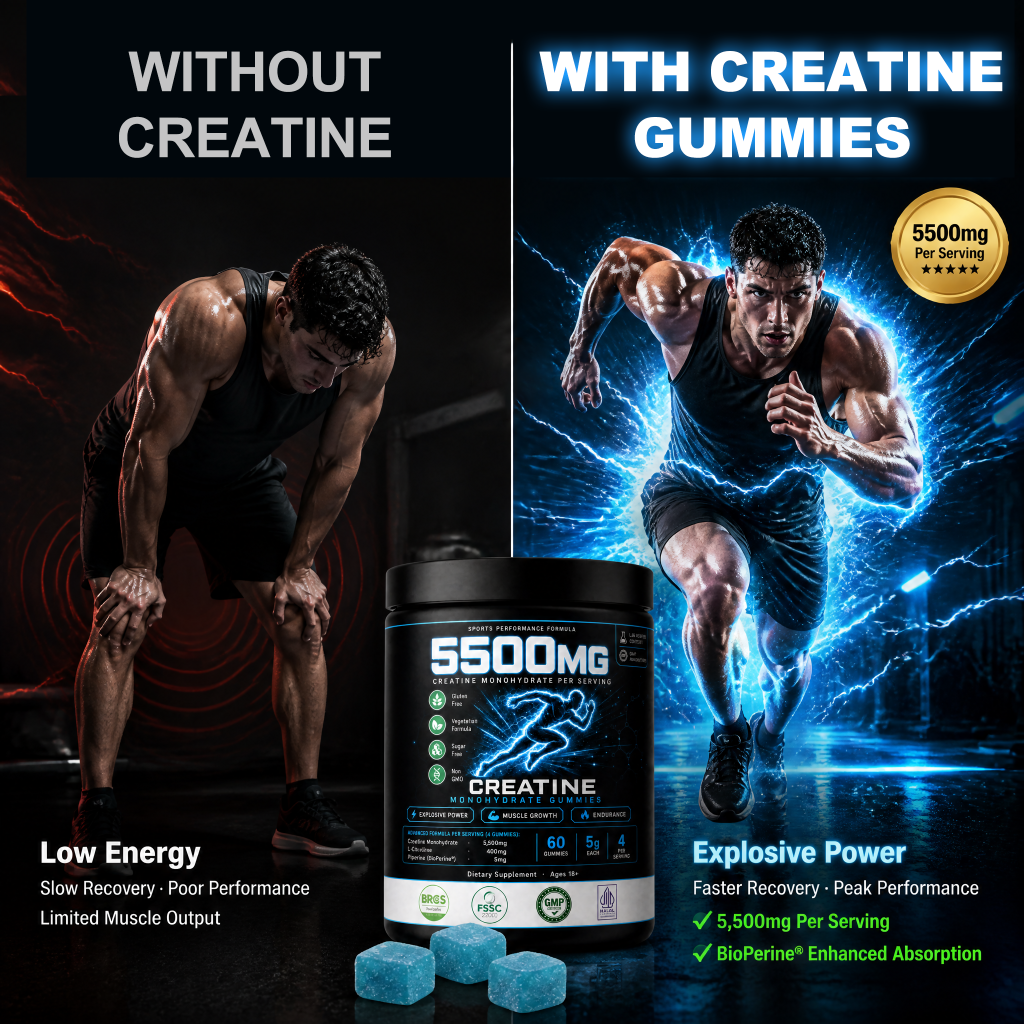
Creatine gummies remove all of those barriers simultaneously. No mixing. No texture. Familiar format. Portable. And critically — a product that photographs well for social commerce.
The Market Signal Is Already Clear
Search volume for “creatine gummies” increased significantly between 2022 and 2024, driven partly by viral TikTok content and partly by mainstream fitness media beginning to cover creatine’s benefits beyond traditional gym audiences — including cognitive function, healthy aging, and women’s strength training.
Several established supplement brands launched creatine gummy SKUs in 2023 and 2024, and the category is now visible across Amazon, Target, and specialty health retailers. For private label brands and contract manufacturing customers, this represents a window where differentiation is still possible before the category becomes fully commoditized.
Formulation Realities: What Makes Creatine Gummies Technically Challenging
Creatine monohydrate presents real formulation challenges in gummy applications that brands should understand before approaching manufacturers.
Dose-per-gummy constraints: The clinically effective daily dose of creatine monohydrate is 3 to 5 grams. Fitting that dose into an acceptable number of gummies (typically 2 to 4 per serving) requires either a large gummy format or a dense loading, both of which affect texture, taste, and manufacturing yield. Some manufacturers use creatine HCl or buffered creatine forms, which require lower absolute doses, but these alternative forms carry a more limited evidence base compared to monohydrate.
Stability: Creatine can degrade to creatinine in acidic, high-moisture environments — conditions that exist in standard gummy matrices. A reputable manufacturer will have stability data demonstrating label claim accuracy at end of shelf life (typically 24 months). Request this documentation before committing to a formulation.
Taste: Creatine monohydrate is relatively neutral in flavor, which is an advantage. The challenge is masking any bitterness from the gummy base ingredients and achieving a flavor profile that appeals to both traditional sports nutrition buyers and the newer mainstream fitness audience.
Vegan format: Pectin-based creatine gummies are in growing demand, particularly for brands targeting female fitness consumers and general wellness buyers who are not self-identifying as sports nutrition customers.
Claim Strategy: Staying Compliant While Driving Conversion
Creatine is one of the most claim-friendly ingredients in sports nutrition from a regulatory standpoint, because the evidence base is so strong.
United States (DSHEA structure/function claims):
- “Supports muscle strength and power output during high-intensity exercise”
- “Supports lean muscle development when combined with resistance training”
- “Helps maintain muscle creatine stores”
European Union (EFSA-approved health claims): Creatine has one of the few EFSA-approved health claims for physical performance: “Creatine increases physical performance in successive bursts of short-term, high intensity exercise.” This is authorized under Regulation (EU) No 432/2012 and can be used on EU-market products meeting the required conditions (minimum 3g creatine per daily serving, claim specifically references the type of exercise described).
This EFSA authorization is a significant commercial asset for brands selling into EU markets, as it allows performance claims that are not available for most other sports nutrition ingredients.
Emerging claim territory (cognitive / healthy aging): Research on creatine’s role in cognitive function, particularly in sleep-deprived or vegetarian/vegan populations, is an emerging area. Brands should approach cognitive claims with caution and ensure any such claims are framed as structure/function language with appropriate disclaimers until regulatory guidance in this area matures.
Private Label Entry Strategy for Creatine Gummies
For small to mid-size brands, the most defensible positioning in the creatine gummy space currently combines:
Ingredient transparency: Third-party tested, Creapure-certified creatine monohydrate (the German-manufactured form with a long safety and purity track record) signals quality to informed buyers and justifies a premium price point.
Audience specificity: Rather than competing on price against large brands in the general gym market, consider positioning toward audiences currently underserved by creatine marketing — women’s fitness, healthy aging (40+), or cognitive performance for professionals and students.
Format differentiation: Mixed berry, tropical, or sour formats that appeal beyond the traditional sports nutrition buyer. Packaging design that does not signal “gym supplement” will open retail placement opportunities in general wellness and grocery channels.
MOQ and entry point: Creatine gummy manufacturing typically starts at 2,000 to 5,000 units for established contract manufacturers. Given the ingredient cost of quality creatine monohydrate and the manufacturing complexity of gummies, budget for a higher COGS compared to powder or capsule formats, and price accordingly.
Regulatory Summary Across Key Markets
| Market | Regulatory Framework | Key Requirement |
|---|---|---|
| USA | DSHEA / FDA 21 CFR 111 | cGMP, Supplement Facts, disclaimer |
| EU | Directive 2002/46/EC + EFSA | EFSA claim conditions, max levels |
| UK | Food Supplements Regs 2003 | UK FIC labeling, no medicinal claims |
| Canada | NHP Regulations (Health Canada) | Product license (NPN) required |
| Australia | TGA (listed medicine) | ARTG listing, permitted ingredients |
Note: Canada and Australia require pre-market registration. If these are target markets, factor regulatory timelines into your product launch schedule.
Ready to develop your creatine gummy line? Contact our sourcing team for formulation options, stability data, and MOQ pricing.