










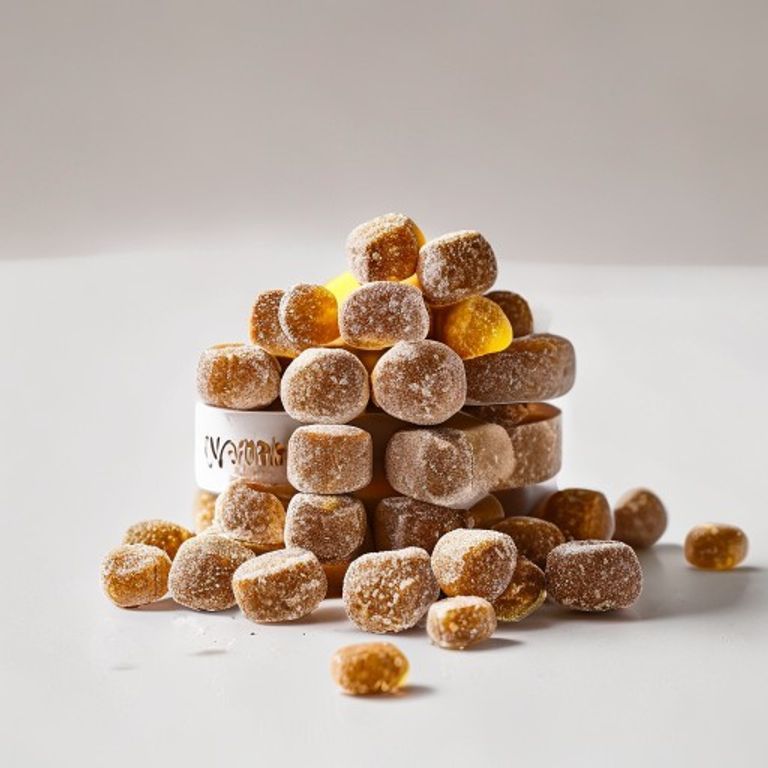
Vegan Friendly Creatine monohydrate chewable candy private label
Introduction
The dietary supplement industry continues to evolve at a remarkable pace, with market segments that once seemed niche now commanding significant attention from both manufacturers and end consumers. Among these emerging opportunities, vegan-friendly creatine monohydrate chewable candies represent a particularly compelling category that bridges the gap between functional sports nutrition and convenient, animal-free supplementation. For brand owners, retailers, and health-focused entrepreneurs exploring private label opportunities, understanding the science, market dynamics, manufacturing considerations, and quality parameters of this product category has become essential to making informed business decisions.
Creatine monohydrate has long established itself as one of the most researched and effective sports nutrition ingredients available, with thousands of peer-reviewed studies supporting its efficacy for muscle strength, power output, and cognitive function. However, traditional creatine supplements have predominantly been available in powder or capsule formats that may not align with consumer preferences for convenience, taste, or ethical sourcing. The introduction of vegan-friendly chewable candy formulations addresses these gaps while opening new market segments for private label partners seeking differentiation in an increasingly competitive landscape.
This comprehensive analysis explores the key factors that brand owners must consider when evaluating vegan-friendly creatine monohydrate chewable candy private label opportunities. From the underlying product science and market projections to manufacturing processes, quality assurance protocols, and formulation comparisons, this article provides the foundational knowledge necessary to make strategic decisions about entering this growing supplement category.
The Science Behind Creatine Monohydrate and Chewable Delivery
How Creatine Functions in the Human Body
Creatine monohydrate operates through a well-documented biochemical mechanism centered on the phosphocreatine system, which plays a critical role in adenosine triphosphate (ATP) regeneration during high-intensity physical activity. When muscles contract during exercise, ATP is rapidly depleted, and phosphocreatine serves as a phosphate donor to regenerate ATP, enabling continued muscle contraction at high intensities. This process becomes particularly important during activities lasting between 1 to 30 seconds where immediate energy demands exceed what aerobic metabolism can supply.
Beyond muscular applications, emerging research has highlighted creatine’s potential benefits for cognitive function. The brain requires significant ATP for optimal operation, and supplemental creatine may support cognitive processes, particularly during sleep deprivation or mentally demanding tasks. This expanding body of evidence has broadened the target demographic for creatine supplementation beyond traditional athletic populations to include students, professionals, and older adults seeking cognitive support.
The standard effective dose of creatine monohydrate ranges from 3 to 5 grams daily, with loading protocols sometimes employing higher initial doses of 20 to 25 grams per day for the first 5 to 7 days. For chewable candy formulations to deliver therapeutic benefits, manufacturers must ensure that each individual piece provides sufficient creatine content to align with these established dosing parameters while maintaining palatability and stability.
Bioavailability Considerations in Chewable Formats
Bioavailability in chewable supplement formats depends on several factors, including the dissolution rate of the delivery matrix, the particle size of active ingredients, and the presence of absorption-enhancing compounds. Creatine monohydrate demonstrates excellent bioavailability across various delivery formats, with research indicating absorption rates of 95% or higher regardless of whether it is consumed with carbohydrates or in isolation.
Chewable candies present unique bioavailability considerations compared to traditional formats. The mechanical action of chewing initiates carbohydrate digestion in the mouth through salivary amylase, potentially accelerating the breakdown of the candy matrix and facilitating earlier absorption of the active ingredient. However, some creatine may be swallowed before complete dissolution, meaning formulation optimization becomes essential to ensure consistent dosing and reliable product performance.
Manufacturers developing vegan-friendly creatine chewables must carefully balance ingredient interactions that could affect bioavailability. The acidity of certain fruit-based flavor systems, for example, may influence creatine stability during storage, while binding agents and texture modifiers impact how completely the active ingredient is released during consumption. These technical considerations distinguish high-quality private label manufacturers from those producing substandard products.
Market Trends and Demand Dynamics
Global Sports Nutrition Market Growth Projections
The global sports nutrition market has demonstrated robust growth trajectories over the past decade, with current market valuations exceeding $45 billion and compound annual growth rates projected between 8% and 11% through 2030. Within this broader category, the gummy and chewable supplement segment has emerged as one of the fastest-growing subcategories, driven by consumer preferences for convenient, palatable, and portable supplementation formats. Market analysts estimate that gummy supplements now represent approximately 15% of the overall supplement market, with growth rates outpacing traditional capsule and tablet formats by nearly 2:1.
The convergence of sports nutrition with mainstream wellness has expanded the addressable market for functional ingredients like creatine beyond dedicated athletes to include fitness enthusiasts, active aging populations, and health-conscious consumers seeking cognitive benefits. Research indicates that approximately 30% of creatine users now cite cognitive performance as a primary motivation for supplementation, reflecting the ingredient’s evolving positioning beyond traditional bodybuilding applications.
The vegan and plant-based positioning of supplements has become increasingly important to consumers, with market research showing that over 60% of supplement purchasers consider vegan certification or clear plant-based labeling as factors influencing their purchase decisions. This consumer preference creates substantial opportunity for private label partners to differentiate their offerings through authentic vegan-friendly formulations that address both ethical concerns and allergen management considerations.
Target Demographics for Vegan Creatine Chewables
Understanding the target demographic for vegan-friendly creatine monohydrate chewable candies enables private label partners to develop effective marketing strategies and positioning frameworks. The primary consumer segments include strength athletes and bodybuilders who appreciate the convenience of on-the-go supplementation without water or mixing requirements. For this demographic, the taste profile and portability of chewable formats often outweigh concerns about exact dosing precision.
Crossfit athletes, powerlifters, and team sport participants represent another significant target segment, particularly those who train in environments where consuming powdered supplements may be impractical. The discrete nature of chewable candies allows athletes to dose conveniently between training sessions without drawing attention or requiring equipment preparation.
Perhaps most interestingly, the cognitive health application of creatine has opened unexpected market opportunities. College students, professionals in demanding careers, and older adults concerned about age-related cognitive decline represent growing consumer segments seeking non-animal-derived creatine options. These consumers often prefer chewable formats due to their association with pleasant consumption experiences, distinguishing functional supplements from traditional pharmaceutical associations.
Manufacturing Considerations for Private Label Partners
Formulation Development and Ingredient Sourcing
Successful private label partnerships begin with rigorous formulation development that addresses multiple technical requirements simultaneously. For vegan-friendly creatine monohydrate chewable candies, manufacturers must source creatine monohydrate produced through synthetic processes that ensure complete vegan compliance, avoiding animal-derived intermediates that may appear in conventionally manufactured creatine. The synthetic production of creatine involves reacting sarcosine with cyanamide, a chemical process that produces 100% vegan-compliant creatine monohydrate suitable for certification.
The base matrix of chewable candies requires careful formulation to achieve desired texture, shelf stability, and flavor release. Common vegan-compliant ingredients include tapioca syrup, cane sugar alternatives, pectin or modified starch as gelling agents, natural fruit flavors, and colors derived from spirulina, beetroot, or other plant sources. The selection of these ingredients affects not only the final product’s taste and texture but also its regulatory positioning and certification eligibility.
Dosage standardization presents particular challenges in chewable formats. Unlike powders where consumers measure exact amounts, chewable candies deliver predetermined doses that must account for manufacturing variability and ensure each piece contains the labeled amount within acceptable tolerances, typically ±10% of stated content. Reputable manufacturers employ statistical process control and rigorous quality testing protocols to maintain consistent dosing across production batches.
Stability and Shelf Life Optimization
Product stability directly impacts both consumer satisfaction and brand reputation, making shelf life optimization a critical consideration for private label partners. Creatine monohydrate demonstrates excellent chemical stability under normal storage conditions, but the surrounding matrix of chewable candies introduces variables that can affect long-term stability. Moisture content, pH levels, and temperature exposure during storage can influence both the physical properties and chemical integrity of the final product.
Industry-standard shelf life for properly formulated chewable supplements ranges from 18 to 24 months when stored under appropriate conditions. Private label partners should require stability testing data from manufacturers demonstrating that creatine content remains within specification throughout the labeled shelf life. Accelerated stability studies using elevated temperatures can provide predictive data, but real-time stability monitoring remains the gold standard for validating shelf life claims.
Packaging selection significantly impacts product stability, with moisture barrier properties being particularly important for chewable formats. High-density polyethylene containers with induction seals, foil blister packs, and desiccant inclusion represent common solutions for maintaining product integrity. Private label partners should evaluate packaging options in the context of their target retail environments, considering factors such as shelf display, consumer usage patterns, and protection during shipping.
OEM/ODM Benefits for Brand Owners
Low Minimum Order Quantities and Market Testing
Original Equipment Manufacturing (OEM) and Original Design Manufacturing (ODM) partnerships offer brand owners strategic advantages for entering the vegan-friendly creatine chewable market with limited upfront capital requirements. Minimum order quantities (MOQs) for private label chewable supplements typically range from 500 to 3,000 units per SKU, significantly lower than the 10,000+ unit requirements common in pharmaceutical manufacturing. This accessibility enables brand owners to test multiple flavor profiles, packaging configurations, or pricing tiers without excessive inventory risk.
The ability to launch with lower MOQs also facilitates geographic market testing before committing to larger production runs. A brand owner might initially launch in one regional market to evaluate consumer response, competitive dynamics, and pricing sensitivity before expanding distribution. Successful test markets can then scale to larger volumes while underperforming products can be discontinued without the financial burden of excess inventory.
Private label partnerships also reduce time-to-market compared to developing proprietary formulations and manufacturing capabilities. From concept to shelf-ready product, well-managed private label programs typically require 4 to 6 months, compared to 18 months or longer for building dedicated manufacturing infrastructure. This speed advantage allows brand owners to capitalize on market trends more responsively and establish market presence before competitors.
Customization Options and Brand Differentiation
Despite lower MOQ requirements, private label partnerships offer substantial customization opportunities that enable brand differentiation. Flavor development represents perhaps the most visible customization option, with manufacturers capable of producing unique taste profiles that differentiate private label products from mass-market alternatives. Popular flavor profiles for sports nutrition applications include fruit-based options like cherry, orange, and mixed berry, while more adventurous formulations might include exotic fruit combinations or savory-sweet profiles.
Packaging customization extends beyond aesthetic considerations to functional improvements that enhance consumer experience. Child-resistant closures, measurement indicators, and re-sealable features add perceived value while potentially justifying premium pricing. Sustainable packaging options including recyclable materials, reduced plastic content, and plant-based inks align with vegan consumer values and support premium positioning.
Label design and regulatory compliance documentation represent additional customization dimensions where private label partners can establish brand authority. Clear, informative labeling that communicates vegan certification, ingredient transparency, and dosing instructions builds consumer trust while meeting regulatory requirements across different market jurisdictions.
Quality Assurance and Compliance Standards
Good Manufacturing Practice Requirements
Quality assurance in supplement manufacturing begins with adherence to Good Manufacturing Practice (GMP) standards established by regulatory authorities. In the United States, FDA regulations under 21 CFR Part 111 mandate that manufacturers implement quality control systems covering personnel qualifications, premises and equipment, production and process controls, and complaint handling procedures. International standards such as ISO 22000 provide additional frameworks for food safety management that reputable manufacturers typically implement.
Private label partners should verify that prospective manufacturers maintain current GMP certifications from accredited third-party auditors. Certifications from organizations such as NSF International, UL, or the International Featured Standards organization indicate that manufacturing facilities have undergone rigorous independent assessments of their quality management systems. These certifications provide assurance that products are manufactured consistently to established specifications.
Beyond facility-level certifications, ingredient-specific certifications provide additional quality and ethical assurances relevant to vegan-friendly product positioning. Kosher and halal certifications, while not equivalent to vegan certification, indicate adherence to specific production protocols that may align with consumer expectations for ethical manufacturing. Vegan certification from recognized organizations such as The Vegan Society or Vegan Action requires documentation demonstrating that no animal-derived ingredients or processing aids were used.
Third-Party Testing and Certificate of Analysis Documentation
Third-party laboratory testing provides objective verification that products meet label claims and contain no harmful contaminants. For creatine monohydrate supplements, essential testing includes identity verification to confirm the presence of actual creatine monohydrate, potency testing to verify active ingredient content, and purity testing to screen for heavy metals, microorganisms, and other potential contaminants.
Reputable manufacturers provide Certificate of Analysis (COA) documentation for each production batch, demonstrating compliance with established specifications. Private label partners should review COA formats to ensure they include testing methodology references, acceptance criteria, and clear pass/fail determinations for each tested parameter. COAs from accredited laboratories should include laboratory accreditation numbers indicating compliance with ISO/IEC 17025 standards.
Specific testing protocols for creatine monohydrate chewables should address dissolution characteristics, ensuring that the product releases its active ingredient appropriately during consumption. Microbiological testing for total plate count, yeast and mold, E. coli, Salmonella, and Staphylococcus aureus provides assurance of product safety. Heavy metal testing for lead, arsenic, mercury, and cadmium addresses regulatory requirements and consumer safety concerns.
Formulation Format Comparison: Gummies vs Capsules vs Powder
Advantages and Limitations of Gummy Formats
Gummy supplements occupy a unique market position that balances therapeutic efficacy with consumption experience. The primary advantage of gummy formats lies in consumer acceptance and compliance rates, with research indicating that consumers demonstrate higher adherence to gummy supplement regimens compared to traditional capsule or powder formats. This psychological dimension of supplementation should not be underestimated when evaluating market positioning strategies.
From a manufacturing perspective, gummy production requires specialized equipment and expertise that not all supplement manufacturers possess. The cooking, molding, and coating processes involved in gummy production differ substantially from capsule or tablet manufacturing, requiring dedicated production lines and quality control protocols. Private label partners should verify that prospective manufacturers maintain dedicated gummy production capabilities rather than outsourcing this specialized manufacturing step.
Cost considerations favor gummy formats for certain applications while creating challenges for others. Gummy production typically involves higher per-unit costs than equivalent powder products, reflecting the additional manufacturing complexity and ingredient requirements. However, when evaluated against the convenience premium that consumers associate with gummy formats, higher per-unit costs may be acceptable, particularly for premium-positioned products targeting discerning consumer segments.
Capsule and Powder Format Considerations
Capsule formats offer precise dosing and excellent stability characteristics that remain attractive for certain supplement applications. Vegetarian and vegan-compliant capsule shells derived from pullulan, hydroxypropyl methylcellulose (HPMC), or modified cellulose enable clean label positioning without the animal-derived gelatin traditionally used in capsule manufacturing. However, capsules require larger packaging to deliver equivalent creatine doses compared to concentrated powders or properly formulated gummies.
Powder formats provide the lowest per-serving cost and maximum dosing flexibility, allowing consumers to adjust their intake based on individual requirements. However, powders require mixing equipment or containers, water or other liquids for consumption, and generally demonstrate lower convenience compared to ready-to-consume formats. For the growing consumer segment prioritizing supplementation convenience, powder formats may lose market share to gummy and chewable alternatives.
The competitive landscape for vegan-friendly creatine supplements increasingly favors differentiated products that address multiple consumer needs simultaneously. Gummy formats that deliver clinically relevant creatine doses in a convenient, palatable, and ethically sourced format represent the intersection of efficacy, convenience, and values alignment that drives modern supplement purchasing decisions.
Frequently Asked Questions
What creatine monohydrate dosage can be delivered in a single vegan chewable candy?
Standard creatine monohydrate dosages range from 1 to 5 grams per serving depending on individual goals and loading protocols. Veg-friendly chewable candies can effectively deliver 1 to 2.5 grams of creatine per piece, with manufacturers recommending multiple pieces for higher dosing requirements. Typical product configurations deliver 2 to 3 pieces per serving, providing 2.5 to 5 grams of creatine that aligns with established supplementation guidelines.
How does the bioavailability of creatine in gummy format compare to powder?
Research consistently demonstrates that creatine monohydrate bioavailability remains excellent across all common delivery formats, with absorption rates exceeding 95% regardless of whether consumed in powder, capsule, or gummy form. The slightly slower release profile of gummy matrices does not meaningfully impact overall bioavailability or therapeutic efficacy when products are properly formulated to ensure complete dissolution during consumption.
What certifications should private label partners require from manufacturers?
Essential certifications include current GMP compliance verification, third-party laboratory accreditation for testing procedures, and relevant product-specific certifications such as vegan certification. Additional valuable certifications may include USDA Organic, Non-GMO Project Verified, gluten-free certification, and allergen-free verification depending on target market requirements and positioning strategies.
What is the typical shelf life for vegan creatine gummies?
Properly formulated and packaged vegan creatine gummies typically maintain stability and potency for 18 to 24 months under recommended storage conditions. Storage recommendations generally include maintaining temperatures below 75°F (24°C), protecting from direct sunlight, and ensuring containers remain sealed to prevent moisture absorption that could compromise product texture and stability.
What is the typical minimum order quantity for private label creatine gummies?
Minimum order quantities for private label vegan creatine gummy products typically range from 500 to 3,000 units depending on the manufacturer and customization level. Standard flavors and packaging configurations may enable lower MOQs, while custom flavor development, unique packaging, or specialty certifications may require higher order volumes to justify setup costs.
How do manufacturers ensure consistent dosing in chewable formats?
Consistent dosing in chewable supplements relies on rigorous manufacturing controls including statistical process monitoring, in-process sampling and testing, and finished product verification testing. Reputable manufacturers conduct weight uniformity testing on samples from each production batch, employing automated equipment to ensure individual pieces meet weight specifications that correspond to labeled active ingredient content.
Are there any taste masking challenges specific to creatine in gummy formulations?
Creatine monohydrate has a faintly sweet, slightly metallic taste that requires thoughtful flavor system design to achieve optimal consumer acceptance. Professional manufacturers employ sophisticated flavor masking techniques including microencapsulation, flavor profiling optimization, and the strategic use of sweetening systems to deliver products that consumers find genuinely pleasant rather than merely tolerable.
What packaging options work best for vegan creatine gummy products?
Optimal packaging depends on distribution channel requirements and consumer preferences, but common options include high-density polyethylene jars with safety seals for retail shelf display, blister cards for pharmacy and convenience channels, and single-serve pouches for gym and travel applications. All packaging should provide adequate moisture barriers and UV protection to maintain product integrity throughout shelf life.
Conclusion
The convergence of functional sports nutrition with convenient, ethical supplementation creates compelling opportunity for brand owners exploring private label expansion in the vegan-friendly creatine monohydrate chewable candy category. The scientific foundation supporting creatine’s efficacy for athletic performance and cognitive function provides the substantive basis for product positioning, while consumer preferences for plant-based, convenient formats drive market demand growth.
Successful entry into this category requires thoughtful manufacturer selection that prioritizes quality assurance, stability validation, and formulation expertise over cost minimization alone. The manufacturing considerations outlined in this analysis—formulation development, ingredient sourcing, stability optimization, and quality control protocols—represent the technical foundation upon which reliable products are built. Brand owners who invest the time to understand these technical dimensions position themselves for partnerships that deliver consistent, compliant products.
The OEM/ODM partnership model offers strategic advantages particularly well-suited to the current supplement industry landscape, enabling market entry with controlled inventory risk while preserving customization opportunities for brand differentiation. As consumer preferences continue evolving toward products that align with their values and lifestyle requirements, vegan-friendly creatine chewable candies represent a category worthy of serious strategic consideration for brand owners seeking growth opportunities in the dynamic sports nutrition market.
Disclaimer: These statements have not been evaluated by the Food and Drug Administration. This product is not intended to diagnose, treat, cure, or prevent any disease. The information provided in this article is for educational and informational purposes only and does not constitute medical advice. Always consult with a qualified healthcare professional before starting any supplement regimen.