










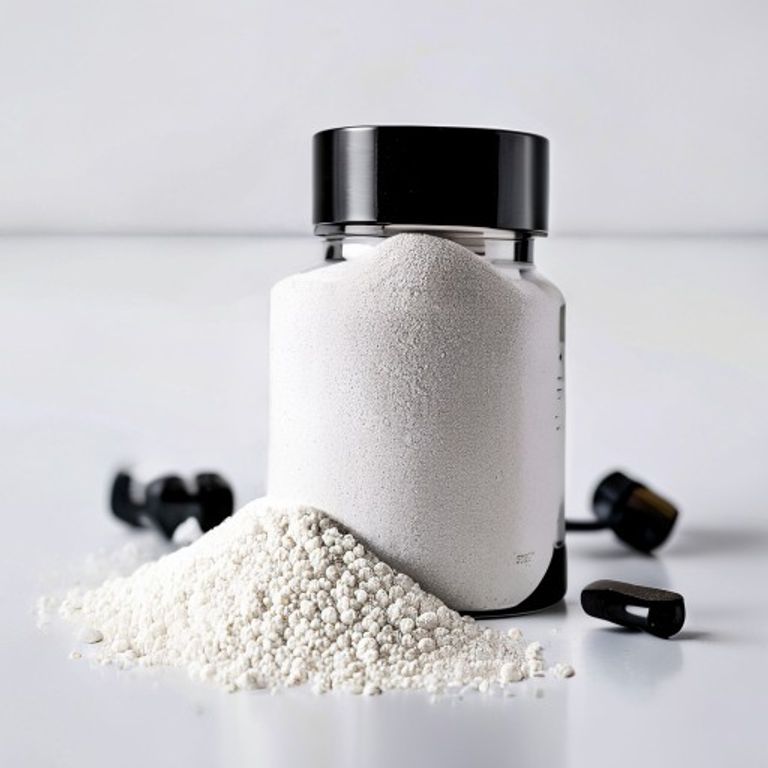
Moisture Resistant Creatine Monohydrate Powder Bulk Packaging: A Comprehensive Guide for B2B Supplement Buyers
Introduction
The global sports nutrition market continues its upward trajectory, with creatine monohydrate remaining one of the most extensively researched and effective supplements available to athletes, bodybuilders, and health-conscious consumers. As brand owners and private label buyers seek competitive advantages in this crowded marketplace, the importance of product quality—particularly packaging innovation—has become increasingly paramount.
Moisture resistance represents a critical factor that directly impacts supplement efficacy, shelf stability, and ultimately, customer satisfaction. Creatine monohydrate, while chemically stable under ideal conditions, is hygroscopic by nature, meaning it readily absorbs moisture from the surrounding environment. This characteristic poses significant challenges for manufacturers and brand owners who must ensure their products reach consumers in optimal condition.
Bulk packaging solutions that address moisture ingress have emerged as essential considerations for B2B procurement decisions. The wrong packaging choice can result in caking, degradation, and reduced bioavailability—all factors that damage brand reputation and increase costly returns or reformulation expenses.
This comprehensive guide examines the science behind creatine monohydrate stability, market dynamics driving demand, manufacturing considerations for quality assurance, and strategic benefits of partnering with capable OEM/ODM suppliers. Whether you’re launching a new supplement line or optimizing existing formulations, understanding these fundamentals will empower more informed sourcing decisions and stronger market positioning.
Product Science: Understanding Creatine Monohydrate Mechanisms
The Chemistry of Creatine Stability
Creatine monohydrate (C4H9N3O2·H2O) operates through a fundamentally straightforward biochemical mechanism that has made it the most studied sports nutrition ingredient in existence. Within muscle cells, creatine combines with phosphate molecules to form phosphocreatine, a compound that regenerates adenosine triphosphate (ATP) during high-intensity physical activity lasting between 10 seconds and 2 minutes.
The molecular structure of creatine monohydrate includes a single water molecule bound to each creatine molecule, creating a stable crystalline compound. This hydration state contributes to its physical properties but also establishes its vulnerability to environmental moisture. The hygroscopic nature of creatine monohydrate manifests primarily as clumping or caking when exposed to humidity levels exceeding 60% relative humidity for extended periods.
Laboratory studies demonstrate that pure creatine monohydrate maintains chemical integrity at temperatures up to 180°C, making it exceptionally heat-stable under normal storage conditions. However, moisture adsorption occurs through a physical process rather than chemical degradation. When creatine absorbs water molecules, the resulting compound may exhibit reduced solubility and altered flow characteristics—properties that directly impact manufacturing processes and end-user experience.
Bioavailability Considerations
The bioavailability of creatine monohydrate typically ranges between 95% and 99% when properly formulated and stored. This exceptional absorption rate explains why creatine remains the gold standard for increasing muscle creatine stores, with research documenting 20-40% increases in muscle creatine content following consistent supplementation at doses of 3-5 grams daily.
Moisture contamination can compromise this bioavailability through several mechanisms. First, physical clumping reduces surface area exposure during dissolution, potentially affecting absorption rates in the gastrointestinal tract. Second, moisture adsorption may initiate minor degradation pathways that, while not rendering the product unsafe, can reduce the concentration of active creatine available for uptake.
Industry-standard testing methods, including high-performance liquid chromatography (HPLC), enable precise quantification of creatine content and identification of degradation products such as creatinine. Quality manufacturers maintain specifications requiring minimum 99.5% creatine monohydrate purity, with moisture content held below 12% to ensure optimal stability and bioavailability throughout the product lifecycle.
Market Trends: The Growing Demand for Creatine Supplements
Market Size and Growth Projections
The global creatine market demonstrates robust expansion that reflects increasing consumer awareness of its performance and cognitive benefits. Current market valuations place the sector at approximately $400-450 million, with compound annual growth rates (CAGR) projected between 6% and 8% through 2030. North America accounts for the largest regional share, representing approximately 35% of global consumption, followed by Europe at 28% and Asia-Pacific at 22%—a region experiencing the fastest growth trajectory.
Several factors drive this continued market expansion. First, the traditional athletic demographic has broadened to include recreational fitness enthusiasts, aging populations seeking muscle preservation, and consumers interested in cognitive performance benefits. Research published in peer-reviewed journals documents creatine’s positive effects on brain function, making it appealing beyond traditional sports nutrition applications.
Second, formulation innovations have expanded delivery formats beyond conventional powders. Creatine-enhanced gummies, functional beverages, and ready-to-drink products have captured consumer segments previously underserved by unflavored powder formats. This product diversification creates opportunities for brand differentiation while expanding the total addressable market.
Private Label and Contract Manufacturing Trends
The supplement industry’s shift toward private label and contract manufacturing has accelerated significantly over the past decade. Independent brand owners increasingly recognize that partnering with established manufacturers provides access to expertise, equipment, and regulatory compliance infrastructure that would require substantial capital investment to replicate internally.
Bulk packaging demand reflects this broader trend toward efficiency and supply chain optimization. Brand owners seeking moisture resistant creatine monohydrate powder increasingly prefer bulk packaging formats—typically 5kg, 10kg, or 25kg containers—that minimize packaging waste, reduce per-unit costs, and streamline inventory management. These bulk formats also facilitate quality control by reducing the number of handling steps between manufacturing and final packaging.
The rise of e-commerce has further intensified focus on product quality and packaging durability. Supplements shipped directly to consumers face variable environmental conditions during transit, making moisture resistance a critical specification that protects brand reputation throughout the delivery process.
Manufacturing Excellence: Formulation, Stability, and Bioavailability
Formulation Considerations for Creatine Products
Successful creatine monohydrate formulation requires attention to multiple technical parameters that collectively determine product quality and consumer acceptance. Particle size distribution significantly influences both solubility and flow characteristics, with micronized creatine (particle sizes below 200 mesh) offering improved dissolution rates compared to standard grades.
Most commercial creatine monohydrate powders utilize particles ranging from 100 to 400 microns in diameter. This size range balances dissolution speed against manufacturing considerations such as packaging efficiency and dust control. For premium positioning, some manufacturers offer ultra-micronized variants with particles below 100 microns, providing faster absorption but requiring specialized processing equipment.
The inclusion of buffering agents represents another formulation consideration that addresses consumer concerns about creatine’s association with water retention and potential gastrointestinal discomfort. Buffered creatine products typically combine creatine monohydrate with alkaline compounds such as magnesium chelate or sodium bicarbonate, creating formulations that maintain pH stability during digestion. Research suggests buffered formulations may reduce stomach acidity effects while delivering equivalent creatine saturation compared to standard products.
Carbohydrate co-transport represents a well-established mechanism for enhancing creatine uptake. Formulations incorporating simple sugars such as dextrose or maltodextrin at ratios of 3:1 or 5:1 leverage insulin-mediated transport to increase muscle creatine accumulation. While this approach originated in sports nutrition research, its commercial application has expanded to various product formats including ready-to-drink beverages and pre-workout formulations.
Stability and Shelf Life Optimization
Creatine monohydrate maintains chemical stability for 24-36 months under appropriate storage conditions, but this shelf life assumes proper protection against environmental factors. Temperature fluctuations, humidity exposure, and light penetration all contribute to gradual quality degradation that may not be immediately apparent but reduces product efficacy over time.
Moisture barrier technology has advanced considerably to address these stability challenges. Multi-layer packaging structures combining high-density polyethylene (HDPE) with aluminum foil barriers provide superior protection compared to single-material containers. These structures exploit the complementary properties of each layer—HDPE offers structural integrity and moisture resistance while aluminum provides an absolute barrier against gas and vapor transmission.
Desiccant integration offers additional protection for bulk packaging applications. Food-grade silica gel packets or oxygen absorber sachets placed within bulk containers actively scavenge residual moisture and oxygen, maintaining internal atmosphere quality throughout storage and distribution. Quality manufacturers specify desiccant capacity based on expected environmental exposure conditions and container volume to ensure consistent protection.
For bulk packaging destined for humid climates or extended storage periods, герметизация (hermetic sealing) technology provides enhanced barrier properties. Induction sealing, heat sealing, and ultrasonic sealing techniques create integral closures that prevent moisture ingress at vulnerable points such as container lids and bag seams. Vacuum packaging or nitrogen flushing further extends stability by displacing oxygen and reducing residual moisture within the product matrix.
OEM/ODM Benefits for Brand Owners
Strategic Advantages of Contract Manufacturing Partnerships
Brand owners who partner with established OEM/ODM manufacturers access capabilities that would require significant capital investment to develop internally. Manufacturing facilities equipped for supplement production require specialized equipment including high-shear mixers, encapsulation machines, tablet presses, and gummy production lines—investments that can exceed $5-10 million for a medium-scale operation.
Beyond equipment, contract manufacturing provides access to regulatory expertise essential for market compliance. Supplement manufacturers must navigate complex requirements including FDA registration, cGMP compliance, allergen labeling, and claims substantiation. Experienced partners guide brand owners through these requirements, reducing compliance risk and accelerating time-to-market.
Minimum order quantities (MOQ) represent a critical consideration for emerging brands and private label ventures. Established manufacturers typically establish MOQs ranging from 50kg to 500kg for bulk powder products, balancing production efficiency against the needs of smaller brand owners. Some manufacturers offer flexible MOQ arrangements for established customers or during promotional periods, enabling brands to test market demand before committing to larger production runs.
Customization and Speed-to-Market
The OEM/ODM model enables rapid product development cycles that would be impossible for brands attempting vertical integration. Turnkey solutions package product development, manufacturing, and packaging into streamlined workflows that reduce development timelines from concept to shelf-ready product to 3-6 months depending on formulation complexity and regulatory requirements.
Customization options extend beyond active ingredients to encompass the complete product experience. Flavor systems range from standard options such as fruit punch and citrus to specialty formulations including sour variants, savory profiles, and flavor-masked preparations that neutralize aftertaste without adding sweetness. Sweetener systems similarly offer flexibility, with sugar-free, reduced-sugar, natural sweetener, and conventional sugar options available to meet diverse consumer preferences.
Private label partnerships enable brands to differentiate through unique formulations while avoiding the substantial investment required for independent product development. This model has proven particularly valuable for brands entering the market, as it reduces capital requirements while providing access to manufacturing expertise and quality systems that ensure product consistency.
Quality Assurance: Certifications, Testing, and Compliance
Good Manufacturing Practice Standards
GMP compliance forms the foundational requirement for any legitimate supplement manufacturer. The FDA’s Current Good Manufacturing Practice regulations (21 CFR Part 111) establish requirements for identity, purity, strength, and composition of dietary supplements, along with specifications for facilities, equipment, and personnel training.
Third-party certification provides independent verification of manufacturing quality systems. NSF International, UL, and SGS offer audit programs that assess compliance against GMP standards, providing brands with documented evidence of supplier quality and facilitating regulatory compliance documentation.
For international markets, additional certifications address regional requirements. Halal certification (from organizations such as ISNA or IFANCA) permits marketing to Muslim consumers who require ingredients and production processes compliant with Islamic law. Kosher certification similarly expands market access within Jewish communities. Organic certification (USDA NOP) addresses growing consumer demand for products manufactured without synthetic inputs.
Testing and Certificate of Analysis
Comprehensive testing protocols ensure product quality from raw material incoming inspection through finished product release. High-performance liquid chromatography (HPLC) provides precise quantification of creatine content and identification of potential degradation products. Inductively coupled plasma mass spectrometry (ICP-MS) detects heavy metal contamination at parts-per-billion sensitivity levels.
Third-party laboratory testing provides independent verification of manufacturer claims. Reputable manufacturers provide Certificates of Analysis (COA) documenting test results for each production batch, including specifications for:
- Creatine monohydrate purity (minimum 99.5%)
- Moisture content (maximum 12%)
- Loss on drying
- Heavy metals (lead, arsenic, cadmium, mercury)
- Microbial limits (total plate count, yeast/mold, E. coli, Salmonella)
- Particle size distribution
Brands should verify that testing frequency and methodology meet or exceed industry standards, with most reputable manufacturers testing every batch rather than relying on periodic sampling protocols.
Formulation Formats: Comparing Gummies, Capsules, and Powder
Creatine Monohydrate Powder
Powder remains the dominant format for creatine monohydrate, representing approximately 65% of market volume. This format offers several advantages including dose flexibility, cost efficiency, and rapid absorption. Consumers can easily adjust serving sizes from the standard 3-5 gram maintenance dose to loading protocols requiring 20+ grams daily.
Powder products excel in bioavailability due to rapid dissolution in liquids. Studies comparing creatine absorption from powder versus encapsulated formats demonstrate equivalent uptake when matched for creatine content, though powder typically achieves peak plasma concentrations faster due to the absence of capsule dissolution delays.
Bulk powder packaging requires careful consideration of moisture barriers. Multi-wall kraft paper bags with polyethylene liners provide adequate protection for short-term storage in controlled environments. For extended shelf life or challenging storage conditions, metallized polyester bags or rigid HDPE containers with induction seals offer superior moisture resistance.
Capsules and Tablets
Encapsulated creatine monohydrate addresses consumer preferences for convenient, pre-measured dosing without the need for mixing or measuring. Capsule formats typically contain 500mg to 1.5 grams of creatine per capsule, requiring consumers to take multiple capsules to achieve standard dosing protocols.
Hard gelatin capsules (HGC) and vegetarian hydroxypropyl methylcellulose (HPMC) capsules each offer distinct advantages. HGC provides superior oxygen barrier properties and lower moisture transmission rates, while HPMC capsules accommodate consumers avoiding animal-derived ingredients. Both formats require additional processing steps including encapsulation, sorting, and polishing that increase production costs compared to bulk powder.
Tablet formulations enable higher creatine concentrations per serving unit, potentially reducing pill burden for consumers. Compression tableting requires additional excipients including binders, disintegrants, and lubricants that maintain tablet integrity while ensuring proper dissolution. Buffered creatine tablets commonly incorporate these formulation aids along with alkaline buffering agents.
Gummy Formulations
Creatine gummies represent the fastest-growing segment of the creatine market, with category growth rates exceeding 25% annually. This format appeals to consumers seeking an enjoyable supplementation experience without the bitterness associated with unflavored powders.
Gummy manufacturing requires specialized equipment and expertise distinct from traditional supplement production. The gelatin or pectin-based matrix must maintain shape and texture while incorporating sufficient creatine for meaningful dosing. Current gummy formats typically deliver 1-2 grams of creatine per serving, requiring 2-4 gummies to approach standard dosing recommendations.
Moisture sensitivity presents particular challenges for gummy products, as the gelatin matrix itself contains significant water content. Packaging must protect finished gummies from moisture loss (which causes hardening and texture degradation) while also preventing moisture absorption from humid environments. Foil-sealed blister cards provide excellent individual serving protection, while jar packaging requires induction-sealed safety seals and moisture-absorbing desiccants.
Frequently Asked Questions
What moisture resistance specifications should I require for bulk creatine powder?
When specifying moisture resistance requirements for bulk creatine monohydrate powder, focus on water activity (Aw) measurements and packaging transmission rates. Quality specifications should target water activity below 0.4, which inhibits microbial growth while minimizing creatine degradation. For packaging, specify maximum moisture vapor transmission rates (MVTR) below 0.1 g/m²/day for bulk containers. Request packaging specifications including material composition, barrier properties, and seal integrity testing protocols from potential suppliers.
How does moisture exposure affect creatine monohydrate bioavailability?
Moisture exposure primarily impacts bioavailability through physical rather than chemical mechanisms. When creatine absorbs atmospheric moisture, the resulting caking reduces surface area available for dissolution, potentially slowing absorption rates in the gastrointestinal tract. Severe moisture exposure may initiate conversion to creatinine, though this degradation typically remains below detectable thresholds under normal storage conditions. Proper moisture barriers maintain bioavailability above 95% throughout the product’s shelf life.
What is the typical shelf life of properly packaged creatine monohydrate?
Properly packaged creatine monohydrate maintains quality specifications for 24-36 months when stored at room temperature (20-25°C) and relative humidity below 50%. Refrigerated storage can extend effective shelf life, though condensation during temperature transitions may compromise quality if packaging integrity is compromised. Always verify actual shelf life with manufacturers, as specific formulations and packaging configurations may vary from general guidelines.
What certifications should I verify with creatine monohydrate suppliers?
Essential certifications include FDA-registered facility status, GMP compliance documentation, and third-party testing verification. For specific market requirements, verify Halal or Kosher certification if applicable, organic certification for premium positioning, and allergen-free documentation confirming absence of major allergens. Request copies of current certificates and verify expiration dates, as certification status may change.
How do I determine appropriate MOQ levels for initial orders?
Minimum order quantities typically range from 50kg for basic powder products to 500kg for specialized formulations or formats requiring unique equipment. Consider your projected sales volume, storage capacity, and capital availability when evaluating MOQ requirements. Many manufacturers offer flexible arrangements for initial orders, including reduced MOQ during promotional periods or staged delivery schedules that reduce upfront inventory investment while ensuring production scheduling.
What testing should I request with each batch of creatine?
Each batch should include a Certificate of Analysis documenting creatine monohydrate purity (minimum 99.5%), moisture content, heavy metal testing, and microbial analysis. Depending on your market requirements, you may also need to verify absence of specific allergens, residual solvent testing (for encapsulated or tableted products), and stability data for your specific packaging configuration. Third-party laboratory verification provides additional quality assurance beyond manufacturer testing.
How do bulk packaging choices impact supply chain efficiency?
Bulk packaging directly influences transportation costs, storage requirements, and inventory management efficiency. Larger containers (10kg, 25kg) reduce per-unit packaging costs and handling labor but require adequate storage space and handling equipment. Consider your fulfillment capabilities when specifying packaging—automated filling operations may require specific container dimensions, while manual fulfillment may prioritize packaging that fits standard shelving and shipping configurations.
What shelf-life specifications should I include in supplier agreements?
Supplier agreements should specify minimum remaining shelf life at time of delivery—typically 18-24 months for supplement products. Include provisions for handling shelf life failures, including replacement, credit, or refund requirements. Some brand owners negotiate accelerated replacement schedules for products approaching expiry dates, ensuring fresh inventory rotation that protects consumer satisfaction and brand reputation.
Conclusion
Moisture resistant packaging represents a critical quality specification that directly impacts product efficacy, shelf stability, and brand reputation in the competitive creatine supplement market. Understanding the science behind creatine monohydrate stability, combined with knowledge of market dynamics and manufacturing capabilities, positions brand owners to make informed procurement decisions that balance cost efficiency against quality assurance.
Partnerships with capable OEM/ODM manufacturers provide access to formulation expertise, quality systems, and packaging technology that would require substantial independent investment to replicate. The strategic benefits extend beyond manufacturing to encompass regulatory compliance, speed-to-market, and ongoing product optimization based on consumer feedback and market trends.
As the creatine market continues its expansion trajectory—driven by broadened applications, innovative formats, and increasing consumer awareness—the brands that prioritize quality fundamentals such as moisture protection and bioavailability will capture market share from competitors cutting corners on essential specifications. Bulk packaging solutions that maintain product integrity from manufacturing through consumer delivery form the foundation of this quality commitment.
By applying the principles outlined in this guide, brand owners and procurement professionals can confidently navigate the complexities of creatine monohydrate sourcing, establishing supply relationships that support sustainable growth and lasting market success.
Disclaimer: These statements have not been evaluated by the Food and Drug Administration. This product is not intended to diagnose, treat, cure, or prevent any disease. The information provided in this article is for educational and informational purposes only and does not constitute medical advice. Always consult with a qualified healthcare professional before starting any supplement regimen.