










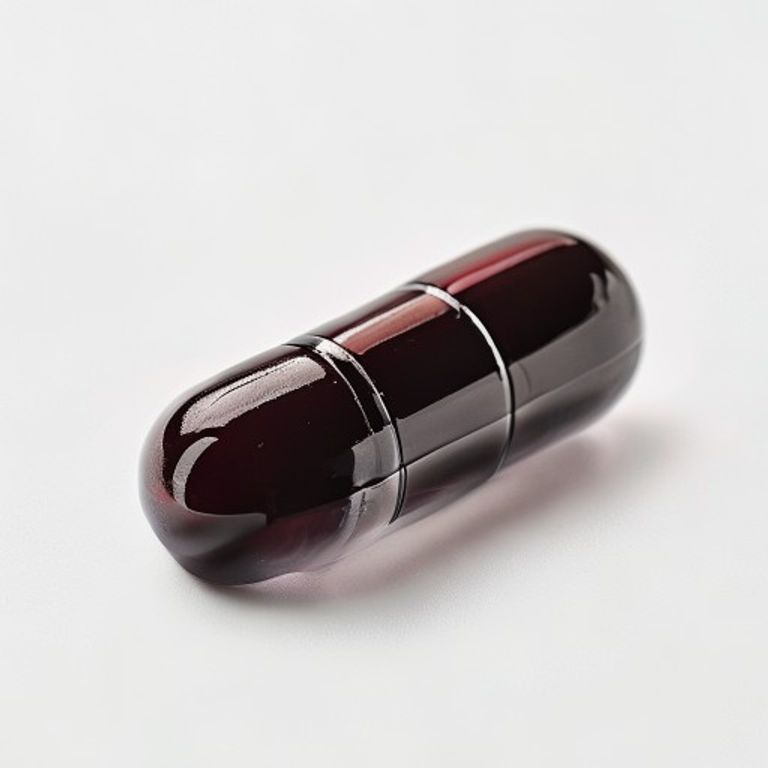
High Bioavailability Creatine Monohydrate Capsule Private Label: A Comprehensive Guide for Supplement Brands
Introduction
The global sports nutrition market continues its upward trajectory, with creatine monohydrate remaining one of the most researched and effective athletic performance ingredients available. For supplement brands seeking to capitalize on this proven market segment, high bioavailability creatine monohydrate capsules represent a compelling private label opportunity that addresses consumer demand for convenience, efficacy, and clean-label products.
Private label creatine capsule formulations offer brands a strategic pathway to enter or expand within the sports nutrition space without the capital investment required for proprietary ingredient development. The capsules format delivers precise dosing, superior stability compared to powdered formats, and enhanced consumer compliance—addressing the primary pain points that limit powder product adoption among mainstream fitness consumers.
This comprehensive guide examines the science behind creatine bioavailability, market dynamics driving demand, manufacturing considerations for optimal capsule formulations, and the strategic advantages of partnering with experienced OEM/ODM manufacturers for private label production. Whether launching a new brand or expanding an existing product line, understanding these fundamentals enables informed decisions that align with market opportunities and consumer expectations.
The Science of Creatine Bioavailability and Absorption
Understanding Creatine Transport and Uptake
Creatine monohydrate functions as a temporal energy buffer within muscle tissue, facilitating the rapid regeneration of adenosine triphosphate (ATP) during high-intensity physical activity. The phosphocreatine system provides energy for movements lasting between 0-30 seconds, making it particularly relevant for strength training, sprinting, and high-repetition athletic performances.
The bioavailability of any creatine formulation determines how effectively the ingested compound reaches skeletal muscle tissue where it exerts its physiological effects. Research demonstrates that standard creatine monohydrate exhibits approximately 99% absorption when consumed with carbohydrates, though absorption rates can vary based on individual physiology, gastric environment, and accompanying ingredients.
Several factors influence creatine monohydrate bioavailability in capsule formulations. Particle size reduction through micronization increases surface area, potentially enhancing dissolution rates in the gastrointestinal tract. The capsule shell composition—whether bovine-derived gelatin, porcine gelatin, or plant-based hydroxypropyl methylcellulose (HPMC)—does not significantly impact active ingredient absorption but affects shelf stability and consumer preferences regarding dietary restrictions.
Bioavailability Comparison: Capsules vs. Alternative Delivery Formats
High bioavailability creatine monohydrate capsules compete with multiple delivery formats, each presenting distinct absorption characteristics. Powdered creatine monohydrate, the traditional format, requires dissolution in liquid before consumption and offers excellent bioavailability when properly mixed. However, variability in mixing technique and consumer compliance challenges reduce practical absorption effectiveness across user populations.
Creatine ethyl ester and creatine HCL (hydrochloride) formulations emerged as alternatives promising enhanced bioavailability through improved water solubility. Research indicates these derivatives may require lower doses to achieve equivalent muscle saturation, though the higher cost per effective dose has limited widespread adoption among cost-conscious consumers and brands.
Buffered creatine formulations, marketed as gentler alternatives to standard monohydrate, aim to reduce the conversion to creatinine—the breakdown product responsible for potential gastrointestinal discomfort reported by some users. However, comparative studies show mixed results regarding actual bioavailability advantages over properly formulated standard monohydrate.
The capsule format itself offers pharmacokinetic benefits for creatine delivery. Encapsulated creatine monohydrate bypasses gastric dissolution concerns associated with powdered formats consumed dry, ensuring consistent delivery to the intestinal absorption site. Additionally, the controlled manufacturing environment for capsules minimizes exposure to moisture and humidity that can degrade creatine over time, preserving potency throughout the product shelf life.
Market Analysis: Growth Trajectory and Consumer Demand
Global Sports Nutrition Market Overview
The global sports nutrition market, valued at approximately $45 billion in 2023, projects compound annual growth rates (CAGR) of 8-10% through 2030, driven by expanding fitness participation, increasing health consciousness among aging populations, and growing acceptance of sports supplements beyond traditional athletic demographics.
Creatine monohydrate commands a substantial share within the protein and amino acid segment, representing one of the highest-volume single ingredients in the sports nutrition category. Market analysts estimate annual creatine monohydrate consumption exceeds 4 million kilograms globally, with continued expansion anticipated as awareness extends beyond bodybuilding into general fitness, cognitive health, and therapeutic applications.
The convenience-oriented format segment—including capsules, tablets, and ready-to-drink products—captures an increasing share of total sports nutrition sales as consumer preferences shift away from traditional powder formats. Capsule-based supplements, in particular, demonstrate stronger growth rates compared to overall category expansion, reflecting demand for on-the-go consumption options and precise dosing without preparation requirements.
Private Label Market Dynamics
Private label supplements have gained significant market share across retail channels, with consumers increasingly willing to purchase store-brand products when quality assurance measures match or exceed national brands. The private label market share in sports nutrition reached approximately 18-22% of total category sales, with continued penetration expected as manufacturing quality standards rise and brand differentiation through non-product factors becomes more challenging.
For emerging brands and established retailers, private label creatine monohydrate capsules offer favorable unit economics due to the ingredient’s relatively low raw material cost combined with premium positioning potential. The combination of proven efficacy, consumer familiarity, and format convenience creates attractive margin structures that support brand development investments.
Geographic market expansion opportunities exist across multiple regions, with Asia-Pacific representing the fastest-growing market for sports nutrition supplements. European markets demonstrate strong demand for clean-label formulations with transparent ingredient sourcing, while North American consumers prioritize value and efficacy research backing. Successful private label strategies adapt formulation specifications and marketing positioning to regional preferences while maintaining core product quality standards.
Manufacturing Excellence: Formulation and Production Considerations
Capsule Formulation Development
Developing high bioavailability creatine monohydrate capsules requires attention to multiple formulation parameters that influence product performance, stability, and consumer acceptance. The fundamental formulation consists of micronized creatine monohydrate powder within a two-piece capsule shell, though advanced formulations incorporate additional ingredients to enhance specific product positioning.
Standard dosing ranges from 2.5 to 5 grams of creatine monohydrate per daily serving, typically delivered through 2-6 capsules depending on capsule fill weight capacity. Manufacturing capabilities at experienced facilities support capsule sizes ranging from Size 5 (smallest commercial) to Size 00 (largest commercial), with most creatine formulations utilizing Size 1 or Size 0 capsules to balance consumer swallowability with reasonable capsule counts per serving.
Fill weight calculations must account for bulk density variations in creatine monohydrate powder, which can range from 0.6 to 0.9 g/mL depending on particle size distribution and compaction during encapsulation. Quality manufacturers conduct density determinations for each production batch to ensure accurate dosing within acceptable tolerance limits—typically ±5-10% of label claim for nutritional supplements.
Advanced formulation options for differentiation include combination products that pair creatine monohydrate with supporting ingredients such as beta-alanine, amino acids, or carbohydrates to enhance muscle saturation and recovery benefits. However, brands must carefully evaluate synergistic effects and dosing requirements when developing multi-ingredient capsule products to ensure each active component achieves effective delivery levels.
Stability and Shelf Life Optimization
Creatine monohydrate exhibits excellent chemical stability under normal storage conditions, though proper formulation and packaging protect against degradation mechanisms that reduce potency over the product shelf life. Moisture exposure represents the primary stability concern, as creatine can undergo hydrolysis to creatinine when subjected to elevated humidity levels.
Professional manufacturers implement quality controls addressing stability throughout the production and packaging process. Environmental controls in manufacturing facilities maintain relative humidity below 40% during encapsulation, while moisture-barrier packaging—typically high-density polyethylene bottles with induction-sealed liners or foil blister cards—provides secondary protection during distribution and consumer storage.
Accelerated stability testing under elevated temperature and humidity conditions predicts shelf life performance and establishes recommended storage conditions for label disclosure. Most high-quality creatine monohydrate capsule formulations achieve 24-36 month shelf lives under ambient storage conditions, though cold-chain distribution can provide additional stability margin for premium positioning.
Strategic Advantages of OEM/ODM Manufacturing Partnerships
Minimum Order Quantities and Scalability
Private label manufacturing partnerships provide brands access to professional production capabilities without capital investment in manufacturing infrastructure. Contract manufacturers offering OEM (Original Equipment Manufacturing) and ODM (Original Design Manufacturing) services enable brands to launch products at production scales aligned with market demand and working capital availability.
Minimum order quantities (MOQs) for private label creatine capsule production vary by manufacturer capability and packaging requirements, typically ranging from 50,000 to 300,000 capsules for initial production runs. Established manufacturers with flexible equipment capabilities increasingly offer lower MOQ options—sometimes below 20,000 capsules—for emerging brands conducting market testing or regional launches.
Production scalability becomes critical as brands achieve market traction and require expanded manufacturing capacity. Successful OEM/ODM partnerships provide growth pathways through capacity预留 arrangements and production scheduling priorities that accommodate seasonal demand fluctuations common in the sports nutrition category. Brands should evaluate potential manufacturing partners for both current capacity and anticipated scalability requirements.
Customization and Brand Development Support
Beyond basic production services, sophisticated OEM/ODM manufacturers offer comprehensive brand development support that accelerates time-to-market and reduces operational complexity for emerging brands. Customization options span multiple dimensions of the finished product, enabling brand differentiation within competitive market environments.
Capsule color and imprinting options allow brands to create distinctive products that stand out on retail shelves and enhance brand recognition across product lines. Manufacturers with advanced encapsulation capabilities offer dozens of standard capsule colors, plus custom color matching for brands requiring specific visual identities. Laser printing or inkjet imprints can incorporate brand logos, product names, or dosage information directly on capsules.
Label design and regulatory compliance support ensures private label products meet applicable labeling requirements in target markets. Experienced manufacturers maintain databases of compliant label templates and can advise on required disclosures, allergen declarations, and nutritional panel formatting according to regional regulations such as FDA labeling requirements in the United States or EU Food Information to Consumers regulations.
Speed-to-Market Advantages
Private label production timelines from concept to finished product typically range from 4-8 months, significantly shorter than the 18-24 months often required for proprietary product development. This accelerated timeline enables brands to capitalize on market opportunities and respond to emerging consumer trends more quickly than competitors pursuing independent product development paths.
Efficient manufacturing partnerships streamline the development process through parallel workflow execution—initiating packaging procurement while finalizing formulation specifications, for example, or conducting stability testing on pilot batches while preparing for regulatory submissions. Brands should establish clear project timelines with manufacturing partners and monitor key milestones to maintain schedule adherence.
Quality Assurance and Regulatory Compliance
Manufacturing Certifications and Standards
Quality assurance in private label supplement manufacturing requires verification of manufacturing practices, testing protocols, and regulatory compliance across the production process. Reputable manufacturers maintain certifications that provide third-party verification of quality management systems and Good Manufacturing Practice (GMP) compliance.
NSF International, UL, and other third-party certification bodies audit supplement manufacturing facilities against established standards for identity, purity, strength, composition, and contamination limits. GMP-certified facilities demonstrate implementation of comprehensive quality systems including personnel training, equipment calibration, incoming material verification, in-process testing, and finished product release procedures.
Food safety certifications such as SQF (Safe Quality Food), BRCGS, or FSSC 22000 indicate facility compliance with international food safety management system requirements. For brands targeting retail channel distribution, particularly major retail accounts, specific certifications may be required as vendor qualification prerequisites.
Third-Party Testing and Certificate of Analysis
Independent laboratory testing provides objective verification of product quality and label claim accuracy that consumers and retail buyers increasingly expect. Comprehensive testing protocols for creatine monohydrate capsules include identity verification, potency analysis, purity screening, and contaminant testing across multiple categories.
High-performance liquid chromatography (HPLC) testing confirms creatine monohydrate content and detects potential degradation products such as creatinine. Heavy metal analysis using ICP-MS (inductively coupled plasma mass spectrometry) screens for lead, arsenic, cadmium, mercury, and other toxic elements that may be present as contaminants in raw materials. Microbiological testing verifies absence of indicator organisms, pathogenic bacteria, and yeast/mold counts within acceptable limits.
Certificate of Analysis (COA) documentation from batch testing provides brands with required verification for regulatory compliance and retail vendor qualification. Forward-thinking manufacturing partners proactively provide COA documentation and can supply certificates for any independent testing brands wish to conduct on production samples.
Raw Material Verification and Supply Chain Integrity
Creatine monohydrate quality varies based on manufacturing source and processing methods, with well-established suppliers such as those producing Creapure establishing reputation for exceptional purity and consistency. Reputable manufacturers source raw materials from verified suppliers with documented quality histories and supply chain transparency.
Brands should understand raw material specifications and testing requirements implemented by manufacturing partners. This includes certificates of analysis from raw material suppliers, incoming testing protocols at the manufacturing facility, and documentation of supplier qualification programs that verify ongoing material quality.
For brands pursuing premium positioning, organic certification, Non-GMO Project Verification, or other attribute claims require additional raw material sourcing verification and segregation protocols throughout manufacturing and packaging processes. Manufacturing partners with experience in specialty certifications can advise on sourcing availability, cost implications, and operational requirements for various attribute claims.
Format Selection: Capsules, Gummies, and Powder Compared
Capsule Advantages for Creatine Delivery
Capsule formulations offer distinct advantages for creatine monohydrate delivery that align with specific consumer preferences and use cases. Precise dosing eliminates measurement variability associated with powdered formats, ensuring consistent daily intake across the user population. This consistency supports both efficacy outcomes and consumer confidence in product performance.
Storage and portability benefits make capsules particularly attractive for fitness consumers who supplement at gyms, workplaces, or while traveling. Capsules resist clumping and moisture absorption that can affect powdered products, maintaining flow characteristics and appearance throughout the product lifecycle.
The neutral flavor profile of capsules eliminates taste considerations that affect compliance with powdered creatine products. Many consumers find the slightly bitter taste of dissolved creatine unpalatable, leading to inconsistent consumption patterns. Capsules bypass taste perception entirely, improving adherence to recommended dosing protocols.
Manufacturing efficiency for capsules typically results in favorable unit economics compared to alternative delivery formats. The encapsulation process accommodates high-speed production with minimal material waste, while packaging requirements—typically bottles or blister cards—are straightforward and cost-effective.
Gummy and Powder Considerations
Gummy supplement formats have experienced substantial growth in consumer adoption, though specific characteristics affect suitability for creatine delivery. The manufacturing process for gummies requires incorporation of active ingredients into a gelatin or pectin-based matrix, presenting challenges for high-dose ingredients like creatine monohydrate that require multiple grams per serving.
Current gummy manufacturing capabilities can accommodate up to 1-2 grams of active ingredient per serving, making effective creatine dosing difficult to achieve without consuming excessive gummy pieces. Brands pursuing gummy creatine products typically utilize lower doses or combination formulations that provide partial creatine benefits while maintaining reasonable serving sizes.
Powdered creatine monohydrate remains the dominant format by volume, offering maximum dosing flexibility and the lowest cost per serving. However, the category faces intensifying competition from convenient capsule and ready-to-drink formats that address portability and compliance concerns. Private label powder products typically offer narrower margin structures compared to differentiated capsule formulations.
Frequently Asked Questions
What dosage of creatine monohydrate is typically used in capsule supplements?
Standard dosing protocols recommend 3-5 grams of creatine monohydrate daily for adults engaging in resistance training or high-intensity exercise. Loading protocols—commonly 0.3 grams per kilogram of body weight for 5-7 days—can accelerate muscle saturation but are not required for achieving optimal results. Most capsule formulations provide 2.5-5 grams per serving, with daily servings typically divided into 2-4 capsules depending on capsule size and fill weight. Brands should align capsule dosage with target consumer dosing requirements while considering practical capsule count per serving that supports consumer compliance.
How can I ensure my private label creatine capsules meet quality standards?
Selecting a GMP-certified manufacturing partner represents the foundational step in ensuring product quality. Request documentation of facility certifications, third-party audit reports, and testing protocols implemented across the production process. Inquire about raw material verification procedures, including supplier qualification programs and incoming material testing. Request sample batches for independent laboratory analysis before committing to full production runs, and establish clear quality specifications in manufacturing agreements that define acceptable tolerance limits and non-conformance procedures.
What is the typical shelf life for creatine monohydrate capsules?
Properly formulated and packaged creatine monohydrate capsules typically achieve 24-36 month shelf lives under recommended storage conditions. Shelf life depends on capsule shell composition, packaging materials, and storage environment exposure. Accelerated stability testing during product development establishes shelf life claims, while real-time stability monitoring verifies continued compliance throughout the commercial product lifecycle. Brands should store finished products in cool, dry environments and include appropriate storage instructions on consumer-facing packaging.
What minimum order quantities should I expect for private label capsule production?
MOQ requirements vary by manufacturer capability and packaging configuration, typically ranging from 50,000 to 300,000 capsules for initial production runs. Some facilities offer lower MOQ options for emerging brands or market testing, potentially as low as 10,000-20,000 capsules. Brands should evaluate MOQ requirements alongside per-unit costs, tooling and setup fees, and packaging options to determine total initial investment requirements. Longer-term production relationships often enable MOQ flexibility as volumes increase.
Are there regulatory considerations for creatine monohydrate capsule labeling?
Supplement labeling must comply with applicable regulations in target market jurisdictions. In the United States, FDA regulations require specific formatting for nutritional facts panels, ingredient declarations, allergen statements, and mandatory disclaimer language. Health claims are restricted to specific authorized statements or require pre-market approval. Manufacturing partners experienced in regional markets can provide compliant label templates and advise on permissible marketing claims. Brands should verify compliance requirements with regulatory consultants or legal counsel familiar with supplement regulations in intended distribution regions.
Can creatine capsules be combined with other ingredients in the same formulation?
Multi-ingredient capsule formulations are common in sports nutrition, combining creatine monohydrate with supporting ingredients such as beta-alanine, amino acids, or carbohydrates. Formulation compatibility depends on ingredient interactions, individual dosing requirements, and capsule fill capacity. Development timelines and manufacturing complexity increase with formulation ingredient count. Brands should evaluate whether single-ingredient or multi-ingredient positioning better serves target consumer needs and competitive positioning before initiating development.
What certifications should I look for when sourcing private label creatine products?
Relevant certifications include NSF/ANSI 173 for dietary supplement GMP certification, UL GMP certification, and facility registrations with regulatory agencies. Product-specific certifications such as Informed Sport, Informed Choice, or NSF Certified for Sport provide additional quality verification for sports supplement applications. Kosher, Halal, organic, and Non-GMO certifications address specific consumer segment requirements and may be required for retail channel distribution in certain markets. Evaluate certification requirements based on target consumer demographics, retail channel requirements, and brand positioning strategy.
How do capsule sizes affect consumer experience and manufacturing economics?
Capsule size determines fill capacity, swallowability, and production efficiency. Smaller capsules (Size 1, Size 2) are easier to swallow but may require more capsules per serving for high-dose ingredients. Larger capsules (Size 0, Size 00) accommodate higher fill weights, reducing capsule count per serving but potentially affecting compliance among consumers who difficulty swallowing larger capsules. Manufacturing economics vary with capsule size due to equipment compatibility and packaging efficiency. Most creatine formulations balance consumer preferences with manufacturing efficiency using Size 0 or Size 1 capsules providing 2-4 capsules per typical serving.
Conclusion
High bioavailability creatine monohydrate capsule private label products represent a strategic opportunity for supplement brands seeking to participate in the growing sports nutrition market with proven, consumer-aligned formulations. The capsule delivery format addresses convenience and compliance preferences while maintaining the well-documented efficacy of creatine monohydrate—the most researched athletic performance ingredient available.
Success in private label creatine capsule production requires strategic manufacturing partnerships that combine quality assurance rigor, formulation expertise, and operational efficiency. Brands should evaluate potential partners across multiple dimensions including certifications, testing protocols, customization capabilities, and scalability provisions that support long-term growth objectives.
Market dynamics continue favorable for private label expansion, with consumer acceptance strengthening and retail channel opportunities expanding for quality-differentiated supplement products. Brands that invest in understanding manufacturing considerations, quality requirements, and format selection factors position themselves for successful market entry and sustainable competitive positioning within the dynamic sports nutrition landscape.
The combination of scientific support for creatine efficacy, manufacturing accessibility through private label partnerships, and consumer demand for convenient supplementation creates compelling conditions for brand investment in this product category. Through careful partner selection, quality commitment, and strategic positioning, supplement brands can establish profitable private label creatine capsule lines that serve evolving consumer needs while building foundation for broader product portfolio development.
Disclaimer: These statements have not been evaluated by the Food and Drug Administration. This product is not intended to diagnose, treat, cure, or prevent any disease. The information provided in this article is for educational and informational purposes only and does not constitute medical advice. Always consult with a qualified healthcare professional before starting any supplement regimen.