










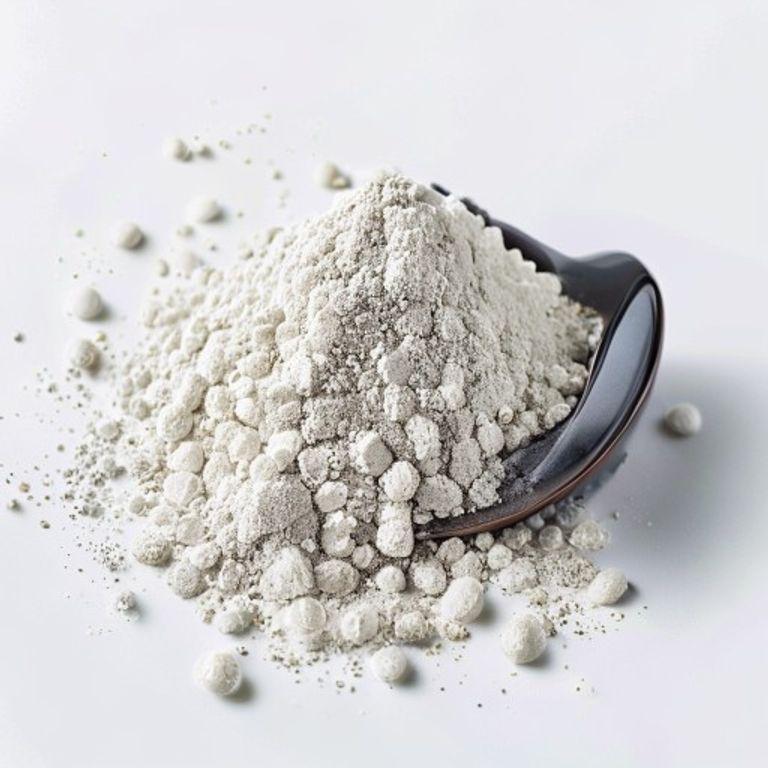
Water Soluble Magnesium Glycinate Extract Powder Supplier: A Comprehensive Guide for B2B Supplement Brands
Introduction
The global demand for high-bioavailability magnesium supplements has reached unprecedented levels, driven by growing consumer awareness of magnesium deficiency and its far-reaching health implications. Among the various magnesium compounds available to formulators, magnesium glycinate has emerged as the preferred choice for premium supplement formulations due to its superior absorption characteristics and gentle effect on the digestive system. As brands increasingly seek differentiation in a crowded marketplace, the selection of the right water soluble magnesium glycinate extract powder supplier has become a critical strategic decision that impacts product efficacy, manufacturing efficiency, and market positioning.
For brand owners and product developers navigating the contract manufacturing landscape, understanding the nuances of magnesium glycinate sourcing, specification compliance, and supply chain logistics is essential. This comprehensive guide examines the scientific foundation of water soluble magnesium glycinate, market dynamics driving demand, manufacturing considerations for optimal formulation, and the strategic benefits of partnering with capable OEM/ODM suppliers. Whether you are launching a new magnesium supplement line or optimizing an existing formulation, the insights provided here will equip you to make informed decisions when evaluating potential ingredient suppliers and manufacturing partners.
The supplement industry continues to evolve rapidly, with bioavailability enhancement and clean-label formulations representing two dominant trends shaping consumer preferences and competitive positioning. Water soluble magnesium glycinate addresses both of these trends, offering formulators a versatile ingredient that meets the performance expectations of informed consumers while maintaining manufacturing flexibility across multiple delivery formats.
The Science Behind Water Soluble Magnesium Glycinate
Understanding Magnesium Glycinate Chemistry
Magnesium glycinate, also known as magnesium bisglycinate, is a chelated form of magnesium where the magnesium ion is bound to two molecules of glycine, an amino acid. This chelation structure is fundamentally important because it significantly enhances the mineral’s stability and bioavailability compared to inorganic magnesium salts such as magnesium oxide or magnesium citrate. The glycine molecules serve as protective carriers, shielding the magnesium ion from interactions that would otherwise reduce absorption efficiency in the gastrointestinal tract.
The water solubility of magnesium glycinate extract powder represents a critical quality parameter that directly influences its functionality in finished products. Highly water soluble variants dissolve readily in aqueous media, facilitating uniform distribution throughout a formulation and ensuring consistent dosing across production batches. This solubility characteristic proves particularly valuable for powder-based supplements, functional beverages, and liquid delivery systems where ingredient integration must be seamless and predictable.
The chelation process itself involves the formation of coordinate covalent bonds between the magnesium ion and the amino acid’s carboxyl and amine groups. This molecular arrangement mimics natural mineral transport mechanisms in biological systems, where minerals are typically bound to proteins and amino acids for physiological utilization. When consumers ingest magnesium glycinate, the glycine ligands facilitate passage through intestinal membranes via specific amino acid transport pathways, resulting in absorption rates that substantially exceed those achieved with non-chelated mineral compounds.
Bioavailability and Absorption Mechanisms
Research comparing mineral bioavailability consistently demonstrates the superiority of chelated magnesium over conventional inorganic forms. Bioavailability studies indicate that magnesium glycinate achieves absorption rates approximately 2-4 times higher than magnesium oxide, which remains widely used despite its poor solubility and limited bioavailability. This differential has significant implications for supplement efficacy, as consumers receive greater physiological benefit from lower dosages when using highly bioavailable forms.
The glycine component contributes additional value beyond its transport function. Glycine serves as an inhibitory neurotransmitter, and the combination of magnesium’s calming properties with glycine’s relaxing effects creates a synergistic response that many consumers report as beneficial for sleep support and stress management applications. This dual-action mechanism explains the growing popularity of magnesium glycinate in formulations targeting sleep, relaxation, and mood support categories.
Water solubility plays a pivotal role in realizing the bioavailability advantages inherent to the chelated form. When magnesium glycinate powder demonstrates rapid and complete dissolution in water, it ensures that the chelate remains intact through the manufacturing process and reaches the consumer’s system in its optimal configuration. Particulate or poorly soluble material may result in inconsistent dosing and diminished performance, undermining the very advantages that make magnesium glycinate the preferred choice for premium formulations.
Dosage Considerations and Formulation Guidance
Effective magnesium glycinate supplementation typically provides 100-400mg of elemental magnesium per serving, though individual requirements vary based on diet, age, and specific health objectives. Formulators should calculate elemental magnesium content carefully, as the weight contribution of glycine ligands means that a given weight of magnesium glycinate contains less elemental magnesium than an equivalent weight of inorganic magnesium salts.
For most adult supplementation purposes, a dosage range of 200-400mg elemental magnesium represents an effective and well-tolerated intake level. Brands developing products for specific applications such as athletic performance, sleep support, or stress management may adjust this range based on target consumer needs and competitive positioning. Working with an experienced magnesium glycinate extract powder supplier who can provide technical support for dosage calculations and formulation compatibility ensures optimal product development outcomes.
Market Dynamics and Industry Growth
Global Magnesium Supplement Market Overview
The global magnesium supplements market has demonstrated sustained growth trajectory, with current valuations exceeding $7 billion annually and projections indicating expansion to approximately $9.5 billion by 2028. This growth reflects increasing consumer recognition of magnesium’s essential role in over 300 enzymatic reactions within the human body, spanning energy metabolism, muscle function, nerve transmission, and cardiovascular health.
The segment specifically focused on highly bioavailable magnesium forms, including glycinate, threonate, and taurate, has experienced growth rates substantially exceeding the broader market average. Consumer preference has shifted decisively toward premium forms perceived as more effective and gentler on the digestive system, driving manufacturers to reformulate existing products and develop new offerings around chelated magnesium variants.
Market analysts attribute continued growth to several converging factors: aging populations seeking bone health support, rising awareness of magnesium deficiency prevalence (estimated to affect 50-60% of the population in developed nations), and expanding applications beyond traditional supplement categories into functional foods and beverages.
Water Soluble Formulations Driving Category Expansion
The demand for water soluble magnesium glycinate extract powder has intensified as manufacturers target new product categories beyond conventional capsules and tablets. Functional beverages, powdered drink mixes, effervescent tablets, and ready-to-drink formulations all require ingredients with specific solubility characteristics to ensure consumer acceptable sensory profiles and consistent nutritional content.
The gummy supplement market, representing the fastest-growing delivery format in the industry, presents unique formulation challenges that have elevated the importance of ingredient solubility and compatibility. Gummy manufacturers require magnesium sources that integrate smoothly into gelatin or pectin-based matrices without compromising texture, stability, or flavor masking requirements. Water soluble magnesium glycinate addresses these challenges effectively, enabling brands to deliver bioavailable magnesium in this consumer-preferred format.
Industry data indicates that gummy supplements have captured approximately 25% of the overall supplement market, with growth rates exceeding 10% annually. This category expansion has created substantial demand for magnesium glycinate ingredients optimized for confectionery-style delivery systems, prompting ingredient suppliers to develop specialized variants with enhanced functional properties.
Regional Market Characteristics
North American markets demonstrate the strongest preference for premium magnesium forms, with consumers showing willingness to pay substantial premiums for products featuring chelated magnesium with demonstrated bioavailability advantages. European markets emphasize clean-label positioning and sustainability considerations, driving demand for non-synthetic, environmentally sourced magnesium ingredients. Asia-Pacific represents the fastest-growing region, with rising middle-class populations driving demand for health-focused supplements across multiple delivery formats.
Understanding these regional variations proves essential for brands planning international product launches or evaluating sourcing strategies. A capable water soluble magnesium glycinate extract powder supplier should demonstrate familiarity with multiple market requirements and the regulatory frameworks governing supplement ingredients across different jurisdictions.
Manufacturing Excellence and Quality Considerations
Production Processes and Quality Parameters
Manufacturing water soluble magnesium glycinate extract powder involves sophisticated processes that directly impact final product quality and functional performance. The chelation reaction requires precise control of pH, temperature, and reactant ratios to achieve optimal binding efficiency and minimize the presence of unbound or loosely bound magnesium species that may compromise bioavailability.
Reputable suppliers employ analytical techniques including high-performance liquid chromatography (HPLC), atomic absorption spectroscopy, and titration methods to verify chelation completion and elemental content. Certificate of analysis documentation should confirm key parameters including magnesium content, glycine ratio, moisture levels, heavy metal concentrations, and microbial burden, providing manufacturers with the documentation necessary to satisfy regulatory requirements and quality system protocols.
Particle size distribution represents an often-overlooked quality parameter that significantly influences handling characteristics and formulation integration. Fine powders with controlled particle sizes offer advantages in terms of dispersion uniformity and dissolution rate, particularly for applications requiring rapid solubility such as effervescent products or liquid suspensions. Suppliers able to customize particle size distributions provide formulation flexibility that can translate into processing efficiencies and superior finished product characteristics.
Stability and Shelf Life Considerations
Magnesium glycinate demonstrates excellent chemical stability under normal storage conditions, with shelf life claims of 24-36 months typical for properly manufactured and packaged material. However, stability can be affected by environmental factors including temperature, humidity, and exposure to light, particularly when the powder is stored in permeable packaging formats.
For manufacturers developing products with extended shelf life requirements or intended for distribution through channels with variable storage conditions, understanding the stability characteristics of incoming ingredients proves essential for accurate shelf life forecasting of finished goods. Suppliers who provide accelerated stability data and supporting documentation enable more confident product development and labeling decisions.
The water solubility of magnesium glycinate does not imply hygroscopicity concerns that affect some other mineral forms, though appropriate storage practices including maintaining sealed containers and controlled temperature environments remain advisable for optimal ingredient preservation.
Purity and Contamination Controls
Analytical specifications for magnesium glycinate should address potential contaminants including heavy metals, residual solvents, and microbial organisms. USP or FCC grade specifications provide baseline quality thresholds that reputable suppliers should consistently meet or exceed. Products intended for specific market segments may require additional testing for pesticides, allergens, or other substances regulated under targeted compliance frameworks.
For brands operating under GMP (Good Manufacturing Practice) regulations, supplier qualification processes should include review of contaminant testing methodology, testing frequency, and documentation practices. Third-party laboratory verification provides additional assurance of ingredient quality, and suppliers willing to provide certificates of analysis from independent laboratories demonstrate commitment to transparency and quality assurance that benefits their manufacturing customers.
Strategic Benefits of OEM/ODM Partnerships
Minimum Order Quantities and Flexibility
Establishing relationships with qualified water soluble magnesium glycinate extract powder suppliers through OEM/ODM partnerships offers brands substantial strategic advantages beyond simple ingredient procurement. Contract manufacturing relationships provide access to technical expertise, formulation support, and manufacturing capabilities that would require significant capital investment to develop independently.
Minimum order quantities for custom magnesium glycinate specifications typically range from 100kg to 500kg for standard formulations, though suppliers with manufacturing flexibility may accommodate smaller quantities for product development or market testing purposes. Brands entering the market with limited initial volume requirements should seek suppliers offering scalable arrangements that allow order quantity flexibility as market traction develops.
Volume pricing structures generally favor larger orders, with unit costs decreasing substantially as order quantities increase. For brands planning extended product portfolios or anticipating significant growth trajectories, establishing preferred pricing arrangements for projected volume requirements can yield meaningful cost advantages over time.
Formulation Development Support
Experienced magnesium glycinate extract powder suppliers provide value beyond ingredient supply, offering formulation development assistance that accelerates time-to-market for new products. Technical teams familiar with magnesium glycinate behavior across different formulation contexts can identify potential challenges and recommend optimized approaches based on extensive experience with similar projects.
Formulation support typically encompasses compatibility assessment with other ingredients, solubility optimization for specific delivery formats, flavor profile considerations for consumer-acceptable sensory characteristics, and stability testing protocols that establish shelf life claims. Brands leveraging supplier expertise early in the development process avoid costly reformulation iterations and reduce the risk of post-launch product issues.
Speed-to-Market Advantages
The complexity of establishing manufacturing capabilities for premium supplement products creates significant time-to-market advantages for brands partnering with established contract manufacturers. Facility qualifications, regulatory compliance verification, and production process optimization require substantial lead time when undertaken independently, while established suppliers can leverage existing capabilities and compliance infrastructure to reduce development timelines substantially.
For brands responding to market opportunities or competitive pressures requiring rapid product introduction, supplier relationships built on trust and demonstrated capability provide the responsiveness necessary to capitalize on market timing advantages. Quality-focused suppliers maintain flexibility to accommodate accelerated timelines while ensuring that quality standards are not compromised in the pursuit of speed.
Quality Assurance and Regulatory Compliance
GMP Standards and Third-Party Certifications
Ensuring that your water soluble magnesium glycinate extract powder supplier maintains robust quality management systems represents a fundamental requirement for responsible supply chain management. Good Manufacturing Practice (GMP) compliance provides the foundational framework for consistent quality, with suppliers demonstrating adherence to FDA requirements for dietary supplement manufacturing (21 CFR Part 111) or comparable international standards.
Third-party certifications provide independent verification of quality system effectiveness. NSF International, UL, and similar organizations conduct facility audits and testing programs that validate supplier claims regarding quality practices and product specifications. Brands should verify that selected suppliers maintain current certifications relevant to their target markets and product categories.
Halal and kosher certifications have become increasingly important for brands targeting diverse consumer segments or international markets. Suppliers offering certified magnesium glycinate expand the market potential for finished products, enabling distribution through channels and retail environments requiring religious dietary compliance verification.
Certificate of Analysis Requirements
Comprehensive certificate of analysis documentation accompanies each batch of material shipped by quality-focused suppliers. COA contents should include verification of all critical quality parameters, providing manufacturers with the evidence necessary to satisfy regulatory requirements and maintain complete traceability throughout the supply chain.
Key parameters typically documented include elemental magnesium content (typically 10-12% for standard magnesium glycinate), glycine content verification, moisture content, particle size distribution, heavy metal screening results (arsenic, cadmium, lead, mercury), microbial testing results, and physical characteristics. Suppliers should provide COA documentation with each shipment and maintain batch records enabling retrospective investigation if quality concerns emerge.
Regulatory Compliance Across Markets
Brands operating in multiple geographic markets face varying regulatory requirements governing supplement ingredients and labeling. Magnesium glycinate enjoys broad regulatory acceptance across major markets including the United States, European Union, Canada, and Australia, though specific approval status and permitted claims vary by jurisdiction.
Understanding the regulatory landscape for magnesium supplements in your target markets enables accurate product development and marketing claims development. Suppliers familiar with international regulatory requirements can provide guidance regarding ingredient specifications, documentation requirements, and market-specific considerations that influence product formulation and positioning.
Formulation Formats and Delivery Systems
Capsules and Tablets
Traditional capsule and tablet formats remain the dominant delivery system for magnesium glycinate supplements, offering manufacturing simplicity, consumer familiarity, and favorable shelf stability characteristics. Capsule formulations provide flexibility for accommodating different dosage strengths within standard capsule sizes, while tablet formulations offer cost advantages for high-volume production.
Magnesium glycinate exhibits excellent compressibility characteristics that facilitate tablet production, though formulation optimization may be necessary to achieve desired tablet hardness and dissolution properties. Encapsulated magnesium glycinate powders typically require no special handling or processing modifications when sourced from qualified suppliers, reducing manufacturing complexity and production variables.
Vegetarian capsule options (hydroxypropyl methylcellulose) enable brands to address vegetarian and vegan consumer preferences without sacrificing product performance. Magnesium glycinate demonstrates full compatibility with vegetarian capsule systems, providing equivalent bioavailability to traditional gelatin capsules.
Powder and Functional Beverage Applications
The water solubility characteristics of premium magnesium glycinate extract powder make this ingredient particularly suitable for powder-based supplement products and functional beverages. Dissolvable powder formulations offer dosing flexibility, appealing to consumers who prefer customizable supplementation approaches or who have difficulty swallowing pills and capsules.
Functional beverage applications including ready-to-drink products, powdered drink mixes, and effervescent tablets represent rapidly growing market segments that require ingredients with specific solubility and flavor profile characteristics. Working with suppliers who understand beverage formulation requirements enables development of products that maintain bioavailability advantages while meeting consumer expectations for taste and convenience.
Gummy and Chewable Delivery Systems
Gummy supplements represent the fastest-growing delivery format in the supplement industry, driven by consumer preference for pleasant consumption experiences and broad demographic appeal. However, gummy formulations present unique challenges that require careful ingredient selection and formulation expertise.
Magnesium glycinate must integrate seamlessly into gummy matrices without affecting texture, causing flavor interference, or compromising stability. Suppliers offering magnesium glycinate specifically optimized for confectionery applications provide brands with ingredients that facilitate gummy production while maintaining the bioavailability advantages that differentiate this magnesium form.
Chewable tablet formats offer similar advantages to gummies while potentially enabling more concentrated dosing and simpler manufacturing processes. Magnesium glycinate demonstrates compatibility with various chewable tablet formulations, providing formulation flexibility for brands seeking alternatives to traditional delivery systems.
Practical Guidance for B2B Buyers
Supplier Evaluation Criteria
When evaluating potential water soluble magnesium glycinate extract powder suppliers, brands should consider multiple factors beyond price competitiveness. Quality consistency, technical capability, regulatory expertise, and supply chain reliability collectively determine the true value of any supplier relationship.
Request samples from prospective suppliers and conduct internal evaluation of ingredient characteristics including solubility, color, odor, and handling properties. Small-scale trials in your actual formulation context provide invaluable insight that specification review alone cannot supply.
Assess supplier responsiveness and communication quality during the evaluation process, as these characteristics predict relationship dynamics once formal business arrangements are established. Suppliers who demonstrate genuine interest in understanding your requirements and providing appropriate solutions typically deliver superior ongoing partnership value.
Label Compliance and Claim Support
Accurate labeling of magnesium supplements requires understanding of regulatory requirements governing supplement facts panels, ingredient declarations, and claims that may be employed in marketing communications. Suppliers should provide documentation supporting the claims made regarding their ingredients, including bioavailability data, purity verification, and compliance documentation for relevant certifications.
Structure-function claims require substantiation, and reputable suppliers can provide access to scientific literature and research data supporting the benefits associated with magnesium supplementation in general and magnesium glycinate specifically. Brands developing marketing strategies around magnesium supplementation should ensure that supporting documentation aligns with regulatory requirements and industry guidelines.
Packaging and Supply Chain Considerations
Ingredient packaging configurations affect handling, storage, and transportation requirements. Most magnesium glycinate extract powder is supplied in multi-layer foil bags or drums that provide adequate protection against moisture ingress and physical damage during normal shipping and handling. For products intended for humid climates or extended storage periods, barrier packaging with desiccant inclusion provides additional protection.
Supply chain reliability deserves serious consideration when selecting suppliers, as ingredient availability issues can disrupt production schedules and create customer service challenges. Evaluate supplier production capacity, raw material sourcing arrangements, and track record for meeting delivery commitments before establishing long-term relationships.
Frequently Asked Questions
What concentration of elemental magnesium does magnesium glycinate typically contain?
Magnesium glycinate commonly provides approximately 10-12% elemental magnesium by weight, with the balance comprised of glycine molecules that facilitate absorption. This means that to achieve 200mg of elemental magnesium, approximately 1.7-2 grams of magnesium glycinate would be required in a formulation. Brands should account for this when calculating ingredient quantities and designing serving size specifications.
How does water solubility affect magnesium glycinate performance?
Water solubility directly influences dissolution rate in the gastrointestinal tract and integration characteristics in various delivery formats. Highly water soluble magnesium glycinate dissolves readily, ensuring that the chelated form remains intact and available for absorption via amino acid transport mechanisms. Poor solubility can result in inconsistent absorption and diminished bioavailability advantages over conventional magnesium forms.
What certifications should I look for when selecting a supplier?
Priority certifications include GMP compliance verification, third-party testing certification (such as NSF or similar), and relevant dietary compliance certifications (halal, kosher, organic if applicable). Request documentation of current certification status and audit reports where available to verify ongoing compliance rather than historical compliance.
Can magnesium glycinate be combined with other minerals in formulations?
Yes, magnesium glycinate demonstrates good compatibility with most other minerals and ingredients commonly included in supplement formulations. However, formulation development should address potential interactions and ensure that the chelated form remains stable throughout the product’s intended shelf life. Certain mineral combinations may require pH optimization or other adjustments to maintain ingredient integrity.
What is the typical minimum order quantity for custom specifications?
Standard specifications often have lower minimums, potentially as low as 25-100kg, while highly customized specifications (particle size, special packaging, unique assay requirements) may require 500kg or higher minimums. Discuss your specific requirements with prospective suppliers to identify options that align with your volume projections and development timeline.
How should magnesium glycinate powder be stored?
Proper storage involves sealed containers, controlled temperature environments (typically below 25°C/77°F), and protection from excessive humidity and direct light. Under these conditions, magnesium glycinate maintains quality characteristics for 24-36 months. Avoid storing in locations with temperature fluctuations or humidity exposure, as prolonged stress can affect quality parameters.
What testing should be included in incoming quality verification?
At minimum, verify elemental magnesium content, moisture content, and microbial screening through your own testing or certificate of analysis review. For products with specific compliance requirements, additional testing for heavy metals, residual solvents, or potential contaminants may be appropriate based on risk assessment and regulatory requirements.
How do I determine if a supplier can support my international market requirements?
Request documentation of regulatory compliance in your target markets, including any market-specific certifications or compliance documentation the supplier has provided to other customers. Evaluate their familiarity with export documentation, international shipping requirements, and the regulatory frameworks governing supplements in your target regions.
Conclusion
The selection of a water soluble magnesium glycinate extract powder supplier represents a strategic decision with far-reaching implications for product quality, manufacturing efficiency, and market positioning. Brands that invest thoughtfully in supplier evaluation and relationship development gain access to ingredient expertise, formulation support, and supply chain reliability that compound in value over time.
The market for bioavailable magnesium supplements continues expanding, driven by consumer recognition of the essential role this mineral plays in supporting numerous physiological functions. Water soluble magnesium glycinate addresses the premium positioning that differentiates successful brands in competitive markets, offering demonstrable bioavailability advantages that justify consumer investment in higher-priced products.
By understanding the scientific foundations of magnesium glycinate performance, manufacturing quality requirements, and the strategic benefits of capable OEM/ODM partnerships, brand owners position themselves to make informed decisions that support sustainable market success. The guidelines provided here equip you to evaluate potential suppliers with confidence and establish relationships that contribute to long-term competitive advantage in the dynamic supplement marketplace.
The convergence of consumer preference for high-bioavailability forms, manufacturing flexibility across delivery formats, and growing awareness of magnesium deficiency creates substantial opportunity for brands positioned to deliver premium products. Partnering with the right water soluble magnesium glycinate extract powder supplier provides the foundation for realizing that opportunity through differentiated, effective, and market-responsive supplement offerings.
Disclaimer: These statements have not been evaluated by the Food and Drug Administration. This product is not intended to diagnose, treat, cure, or prevent any disease. The information provided in this article is for educational and informational purposes only and does not constitute medical advice. Always consult with a qualified healthcare professional before starting any supplement regimen.