










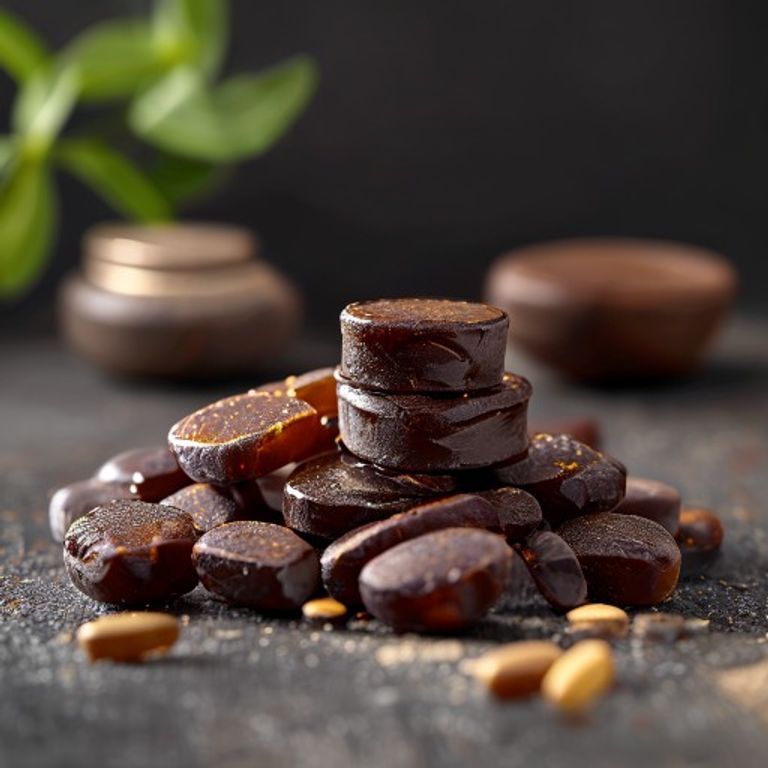
Introduction: The Rise of Ayurvedic Bio-Hacking in the B2B Supplement Sector
The global dietary supplement market is currently undergoing a paradigm shift. While the “gummy boom” of the last decade focused primarily on basic multivitamins and melatonin, the current trajectory is moving toward high-potency, clinically relevant nutraceuticals. Within this evolving landscape, shilajit gummies have emerged as a standout category. For B2B buyers and brand owners, the opportunity is no longer just about offering a trendy product; it is about mastering the complex shilajit gummies manufacturing process and quality control to capture the lucrative longevity and anti-aging demographic.
Shilajit, a tar-like substance found primarily in the Himalayas, is renowned for its high concentration of fulvic acid and over 84 minerals. However, transitioning this potent resin into a stable, palatable, and bioavailable gummy format presents significant technical challenges. This guide provides a comprehensive overview for procurement specialists and product developers looking to source premium ingredients and manufacturing partners for their next generation of shilajit gummies.
Understanding the Raw Material: From Himalayan Rock to Standardized Extract
Before a single gummy is poured, the quality of the final product is determined by the source and processing of the raw Shilajit. For B2B buyers, distinguishing between crude resin and purified, standardized extract is the first step in ensuring a market-leading product.
The Importance of Fulvic Acid Standardization
Fulvic acid is the primary active compound in Shilajit, responsible for nutrient absorption and antioxidant activity. In the B2B market, you should never source shilajit gummies made from raw, unprocessed resin. The industry standard for premium products is a purified extract standardized to contain at least 50% to 60% fulvic acid.
- Low-Grade Material: Contains less than 30% fulvic acid; often contains high levels of mycotoxins and heavy metals.
- Premium-Grade Material: Purified via reverse osmosis and microfiltration; standardized to 60%+ fulvic acid; guaranteed free of heavy metals (Lead, Mercury, Arsenic, Cadmium) and microbial contaminants.
Sourcing Geographies: Why Altitude Matters
The efficacy of Shilajit is intrinsically linked to its altitude of origin. NuCoreBio prioritizes raw materials harvested from elevations exceeding 16,000 feet in the Himalayan and Altai mountains. At these altitudes, the decomposition of rare plants over centuries results in a much higher concentration of bioactive compounds compared to lower-altitude sources found in other parts of Central Asia.
The Blue Ocean Strategy: Positioning Shilajit Gummies for the Longevity Market
Most brands currently marketing shilajit gummies compete in the “general wellness” or “energy” categories. This is a “Red Ocean”—a saturated market where price wars are common. The “Blue Ocean” for forward-thinking brands lies in the Longevity and Healthy Aging sector.
Targeting the Longevity Consumer
The longevity market is driven by consumers interested in cellular health, mitochondrial function, and NAD+ optimization. Shilajit is a natural powerhouse for this demographic because it helps mitigate the effects of oxidative stress at the cellular level. By positioning your shilajit gummies as a “Mitochondrial Optimizer” or “Cellular Rejuvenator,” you move away from competing with cheap gas-station supplements and into the high-margin luxury wellness space.
To succeed in this Blue Ocean, your product must offer more than just Shilajit. Consider the synergy of ingredients. For example, combining Shilajit with CoQ10 or PQQ in a gummy format creates a “Longevity Stack” that justifies a premium MSRP (Manufacturer’s Suggested Retail Price). B2B buyers should look for manufacturing partners capable of handling these complex, multi-ingredient formulations without compromising the stability of the gummy matrix.
The Manufacturing Process: Technical Deep Dive for B2B Buyers
Understanding the shilajit gummies manufacturing process and quality control is essential for any brand owner who wants to ensure their product is both effective and compliant. Unlike standard vitamin gummies, Shilajit is a dark, mineral-heavy extract that interacts differently with gelling agents.
Step 1: The Pre-Dissolution and Homogenization
Shilajit extract is not water-soluble in its raw form. To incorporate it into a gummy, it must be properly dispersed. In a professional B2B setting, this involves creating a pre-mix where the Shilajit extract is homogenized with a carrier (like glycerin or a specific solvent) to ensure it integrates seamlessly into the molten gummy base. Failure to do this results in “hot spots” where one gummy has 100mg of Shilajit and the next has 0mg.
Step 2: Selecting the Gelling System (Pectin vs. Gelatin)
For premium shilajit gummies, the choice of gelling agent is a critical B2B decision:
- Gelatin: Traditional, cheaper, but can have a “muddy” mouthfeel when mixed with strong-tasting extracts like Shilajit. It is also not suitable for vegan longevity brands.
- Pectin: The gold standard for high-end gummies. Pectin provides a clean “snap” and a translucent appearance. More importantly, pectin is vegan-friendly, allowing you to target the rapidly growing plant-based longevity market. NuCoreBio specializes in pectin-based systems that can handle the high mineral load of Shilajit without “weeping” or losing texture over time.
Step 3: The Cooking and Active Integration
The mixture is cooked at a controlled temperature (typically between 135°F and 160°F). It is crucial that the temperature does not exceed 185°F, as excessive heat can degrade the fulvic acid and other heat-sensitive trace minerals. During this phase, the sweetening system (often a blend of tapioca syrup and cane sugar or sugar-free alternatives like allulose) is integrated.
Step 4: Depositing and Starchless Molding
Modern B2B manufacturing uses starchless molding technology. This is superior for shilajit gummies because it prevents the absorption of starch particles into the gummy, which can affect the purity and taste. The liquid is deposited into silicone molds and sent through a cooling tunnel to set the pectin matrix.
Quality Control (QC): The Non-Negotiable Standards for Shilajit
Because Shilajit is a mineral-rich substance harvested from rock, it carries a higher risk of contamination than botanicals like mint or lavender. For B2B buyers, a manufacturer’s QC protocol is the most important factor in the partnership.
Heavy Metal Testing and Remediation
All Shilajit naturally contains some heavy metals; the goal of the manufacturing process is to ensure they are within safe, regulatory limits (typically following California Prop 65 or USP guidelines). A reputable supplier of shilajit gummies will provide a Certificate of Analysis (COA) for every batch, showing:
- Lead (Pb): < 0.5 µg/day (or per serving limit)
- Arsenic (As): < 1.5 ppm
- Cadmium (Cd): < 1.0 ppm
- Mercury (Hg): < 0.1 ppm
NuCoreBio employs an advanced purification process that uses selective absorption to remove these toxins while preserving the 84+ trace minerals that provide the health benefits.
Microbiological and Identity Testing
Shilajit is prone to fungal growth if not properly processed. QC checks must include:
- Total Plate Count: < 10,000 CFU/g
- Yeast and Mold: < 100 CFU/g
- Pathogen Screening: Absence of E. Coli, Salmonella, and Staphylococcus aureus.
- HPTLC Fingerprinting: To ensure the Shilajit is authentic and not an adulterated mixture of humic substances.
Flavor Masking and Palatability in Shilajit Gummies
One of the biggest challenges in the shilajit gummies manufacturing process and quality control is the distinct, earthy, and somewhat bitter taste of Shilajit. For a longevity brand, the consumer experience is paramount. If the gummy tastes like “chewing on a rock,” the brand will fail.
B2B buyers should work with flavor houses that specialize in “challenging actives.” The best shilajit gummies on the market typically use a combination of:
- Natural Flavors: Dark berry blends (elderberry, blackcurrant) or citrus oils (orange, lemon) work best to mask the pungency of the fulvic acid.
- Taste Modulators: Ingredients like monk fruit extract or menthol crystals can distract the palate from the mineral aftertaste.
- Sour Systems: A precise blend of citric and malic acid not only preserves the gummy but also provides a “tang” that cuts through the earthiness of the Shilajit.
Packaging and Shelf-Life Stability
Once the shilajit gummies are manufactured, they must be protected. Shilajit is hygroscopic, meaning it attracts moisture. If the gummies are not packaged correctly, they will turn into a solid, unappetizing blob.
B2B Packaging Considerations
- Desiccants: Every bottle should include a high-capacity silica or clay desiccant to absorb any residual moisture.
- Oxygen Scavengers: To prevent the oxidation of the fulvic acid, which can cause the gummies to darken and lose potency.
- Amber or White PET: UV light can degrade the active compounds. Opaque or amber-colored packaging is mandatory for longevity-focused brands.
A professional B2B supplier will conduct “Accelerated Stability Testing” (typically 3 months at 40°C/75% RH) to predict a 24-month shelf life. This data is crucial for your brand’s insurance and regulatory compliance.
Market Trends: Why Shilajit is the Next “Collagen”
Industry data suggests that the interest in “inner beauty” and “longevity” supplements is growing at a CAGR of over 8%. Within the gummy sector, “functional gummies” are the fastest-growing segment. By sourcing high-quality shilajit gummies now, B2B buyers are positioning themselves ahead of the curve. Just as collagen dominated the last five years of the supplement industry, mineral-rich adaptogens like Shilajit are poised to dominate the next decade.
For brands targeting the “Blue Ocean” of underrated longevity segments, Shilajit offers a unique value proposition. It is an ancient remedy backed by modern science (specifically regarding its effects on testosterone and mitochondrial health in men, and its antioxidant capacity in both sexes).
Partnering with NuCoreBio: Your B2B Advantage
When you are ready to launch or scale your line of shilajit gummies, the manufacturing partner you choose defines your brand’s reputation. At NuCoreBio, we don’t just provide ingredients; we provide turnkey solutions that cover every aspect of the shilajit gummies manufacturing process and quality control.
Our facilities are GMP-certified, and our R&D team specializes in the complex chemistry of mineral-based gummies. We understand that for a longevity brand, precision is everything. From ensuring a 60% fulvic acid standardization to creating a pectin-based gummy that remains stable for 24 months, we handle the technical heavy lifting so you can focus on building your brand.
Actionable Steps for B2B Buyers
- Request a Sample Kit: Compare the mouthfeel and color of our purified Shilajit against industry standards.
- Review the COA: Check our heavy metal and fulvic acid percentages.
- Discuss Custom Blends: Ask about adding synergistic ingredients like Black Seed Oil or CoQ10 to maximize the longevity benefits.
- Finalize Packaging: Choose sustainable, UV-protective packaging to maintain product integrity.
Conclusion: Seizing the Opportunity in the Longevity Sector
The market for shilajit gummies is still in its early stages of premiumization. While many brands are rushing to put a “Shilajit Gummy” on the shelf, very few are doing it with the technical precision required for the longevity market. By focusing on the shilajit gummies manufacturing process and quality control, and by adopting a “Blue Ocean” strategy that targets cellular health and anti-aging, your brand can capture a high-margin, loyal customer base.
NuCoreBio is committed to being your partner in this journey. We provide the science, the sourcing, and the manufacturing excellence needed to turn a simple idea into a market-leading supplement. Don’t settle for a generic product; source shilajit gummies that are as serious about health as your customers are.
Contact NuCoreBio today to request a quote and begin your journey toward creating a world-class longevity supplement.
What purity specifications and bioactive marker levels should I look for when sourcing bulk shilajit for gummies?
When sourcing bulk shilajit extract for B2B manufacturing, require a specification sheet guaranteeing ≥50% fulvic acid and ≥5% dibenzo-α-pyrones (DBPs), which are the primary bioactive markers. Ensure the raw material is purified via aqueous extraction rather than chemical solvents. Additionally, strict heavy metal limits are non-negotiable due to shilajit’s geological origin: specify Lead (<1 ppm), Arsenic (<1 ppm), Cadmium (<0.1 ppm), and Mercury (<0.1 ppm) to comply with FDA and international supplement standards. This rigorous ingredient specification is the foundation of a reliable shilajit gummies manufacturing process and quality control framework.
What is the standard Minimum Order Quantity (MOQ) for custom shilajit gummies?
MOQs for custom-formulated shilajit gummies typically range from 50,000 to 100,000 units (bottles or pouches) due to the time required for gummy deposition, drying, and setting. If you are using a contract manufacturer’s existing stock formula, MOQs can drop significantly to 10,000 to 25,000 units. For bulk shilajit extract powder prior to manufacturing, wholesale MOQs generally start at 25 to 50 kilograms.
Which third-party testing certifications are non-negotiable for shilajit gummies?
Require a Certificate of Analysis (COA) from an ISO 17025-accredited third-party lab verifying heavy metals (USP <232/<233>), microbiology (Salmonella, E. coli absent; Yeast & Mold <100 CFU/g), and pesticide residue (USP <561>). Crucially for shilajit, demand identity testing via HPLC to validate the fulvic acid concentration, and ATP (Authenticity, Toxicity, Potency) testing to rule out adulteration with cheap, non-shilajit humic acids or oxidized fulvic salts.
Disclaimer: These statements have not been evaluated by the Food and Drug Administration (FDA). This article is for informational and educational purposes only and does not constitute medical advice, nor is it intended to diagnose, treat, cure, or prevent any disease or health condition. The supplement ingredient referenced herein is not intended for use in the diagnosis, treatment, or prevention of any disease. Always consult with a qualified healthcare professional before using any supplement product. Supplement brands should ensure compliance with all applicable FDA, FTC, and relevant international regulatory requirements before marketing any product.